Modern & Contemporary Art Exhibitions in Barcelona
Discover contemporary and modern art exhibitions in Barcelona. Our exhibition guide helps you explore museums, galleries, and artist-run spaces showcasing modern and contemporary art. Whether you're an art enthusiast or a curious visitor, stay informed about what's happening in the art scene in Barcelona.
Browse by venue
On now in Barcelona
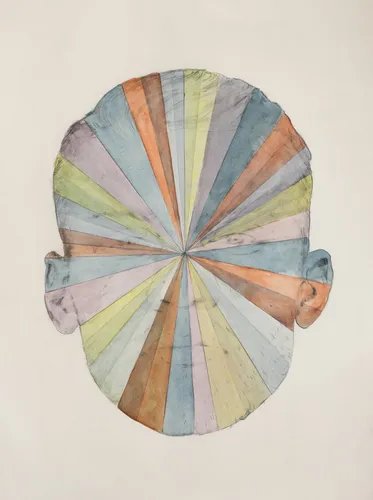
- The exhibition, which is heterogeneous in nature, is presented as a non-hermetic ‘whole’ that emphasises the processual dimension of the artworks. The aim is to create a living –and deliberately scattered– testimony to a sort of anarchic manual of anti-isolation and heterogenisation, in which contradiction is celebrated and established codes, circuits and dogmas are shunned. Joan Pallé works on the basis of a suspicion: over-ordering an image too much is also a way of impoverishing it. His method begins, in fact, before the work itself. He jots things down, saves them and remembers them. He collects references in a notebook and returns to them when something –not yet necessarily clear– calls for them. Comics, literature, film, posters, fanzines, photographs found on the internet, advertising, popular culture, scientific illustration and news coexist within a single, non-hierarchical whole. It is not so much a question of producing new images as of reworking those we already have: removing them from their original context, editing them, translating them, ‘sampling’ them and seeing what happens when they come into contact with something else. This process is constantly repeated. Virginia Woolf can coexist with John Carpenter; Daniel el Travieso with Vasili Rozánov’s Apocalypse ( Sketch for the Audacity and Nihilismo. Burocracia y Muerte en Barcelona ‘Nihilism. Bureaucracy and Death in Barcelona’); an
FANTASTIC PLANET. El planeta salvatge
Until 7 Nov 2026
ADN GALERIA
Gallery / art space
Anima mundi. Pensamiento gráfico. (BGW)
Until 7 Nov 2026
ÀNGELS BARCELONA
Gallery / art space
Tros de sort
Until 7 Nov 2026
GALERIA CONTRAST
Gallery / art space
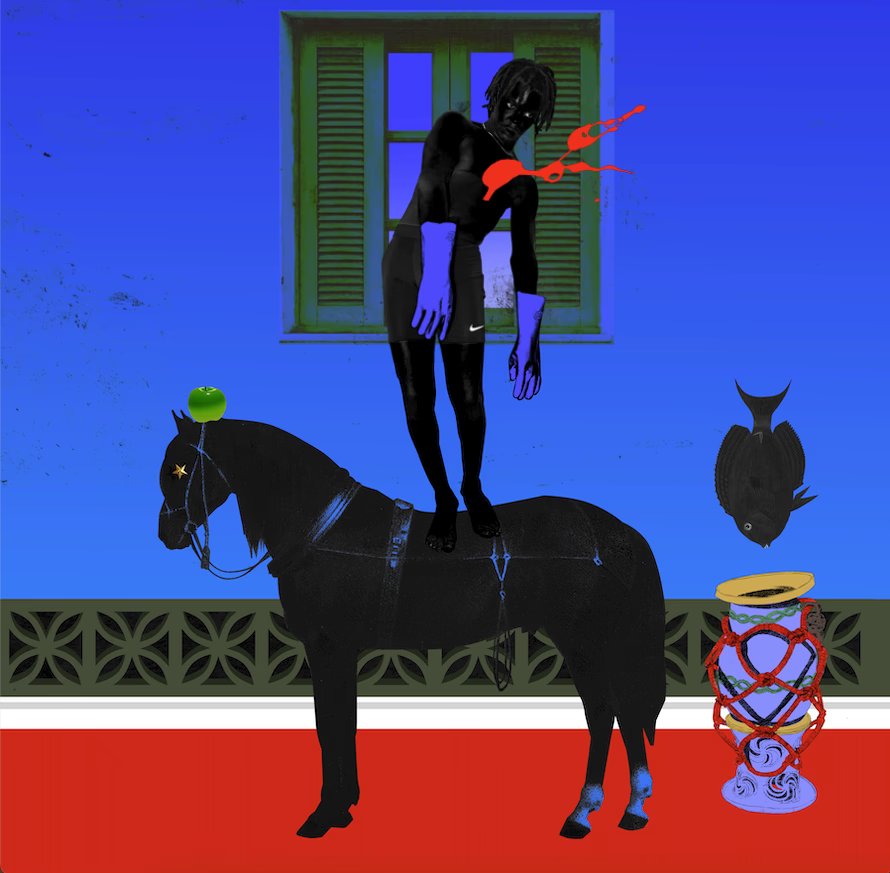
- Rituals of Time brings together the works of nine African artists who explore notions of epoch and duration, alongside memory, nostalgia, and longing. It unfolds around the central idea that time is not linear but moves in spirals and returns, following a rhythm of birth, death and renewal that reverberates through bodies and spirits. In the exhibition, the artworks emerge as a fluid, generative force, reimagining and reinterpreting the world beyond temporal constraints. Epochs fold into cycles that unfold according to their own durations, challenging the Western conception of time as continuous progression and memory as linear preservation. The exhibition echoes the Mbari tradition of the Owerri-Igbo communities of southeastern Nigeria, a communal artistic practice rooted in ancestral ritual that serves to remember the past, recreate reality and imagine a better future. As Nigerian novelist and poet Chinua Achebe observed, the House of Mbari embodies an aesthetic of process rather than result, ensuring that each generation receives its own impulse and movement of creation. In the Load Gallery, where images flicker into being and vanish, this same impermanence is refracted through the screen, transforming it into a threshold between what has been, what is, and what may become. Ancestral heritages and knowledge are witnessed and released, while spiritual forces manifest in forms that capture their attributes, whether carved in moving images or rendered in pixels. This notion of time and memory resonates with Kenyan philosopher John S. Mbiti's reflections. For Mbiti time is a compilation of events unfolding through two durations: the recent past alongside the present, and the remote past. Memory is the thread that binds these dimensions, keeping the 'living-dead' present for generations before they fade into collective memory. In Michael Aboya’s Echoes of Time, images become portals where time folds back upon itself, thus exploring the emotional and spiritual intersections of humanity, nature, and time. Similarly, in At the Seams, Spilling Alexis Chivir-ter Tsegba's collage practice assembles and recomposes fragments, allowing past, present and speculative futures to coexist. The memory that surfaces throughout this exhibition does not pretend to recover what has been lost, dismissed or cancelled; rather, it allows a return to the past to activate what may still become. In Àsìkò's What Was Lost Between Worlds, memory is evoked in order to transform. This is staged through the tradition of Egúngún among the Yoruba people of West Africa, an ancestral masquerade that connects the living to the ancestral realm. Here, Egúngún becomes a living archive that dissolves into symbols as a colonial spectrum appears, asking whether embodied knowledge vanishes or transforms into another mode of existence. This artistic expression of Yoruba cosmogony finds its material counterpart in Ancestral Frequency, a sculptural costume created by Melissa Simon-Hartman in dialogue with Àsìkò's work. Made from hand-woven fibres, reclaimed textiles, shells, beads and integrated lighting elements, the work draws on the visual language of Egúngún while reinterpreting it through contemporary collaboration. As a physical presence, Ancestral Frequency is a garment for a body that bridges epochs, a wearable archive of longing, and a testament to the enduring duration of the ancestral within the span of a single life. Notions of nostalgia and longing are central to this exhibition. As reflected in Nana Frimpong Oduro's work, these elements, shaped by time, are understood not as passive states of looking backward, but as active forces that pull the past into the present and reach toward the future. Through a dense constellation of figures, his introspection opens a dialogue between different forces of nature. Here, water, earth, fire and air are explored as agents for bodily experience and ritual transformation, and for the artist's inner consciousness as a vessel for a higher power. Delphine Diallo, in her Motherverse project, imagines a submerged realm of memory where ancient knowledge and future technology converge, while Abdulrahman Adesola Yusuf redraws symbols from the public domain as though 'playing Tetris' to trace the spiritual weight of personal moments and economic pressures. As embodied in the Mbari tradition of creative renewal, the body emerges in Rituals of Time as a central site where time, memory and longing converge. In John Baloy's photographs, the body carries history, resilience and continuity, becoming a site of transmission across time. Osinachi approaches embodiment through a distinctly digital language, pushing the boundaries of Microsoft Word's vector tools to construct domestic interiors and Afrofuturist visions where pixelated digital fills represent Black skin and turn everyday patterns into explorations of vulnerability. Rituals of Time offers an alternative understanding of digital art, not as a site where time and memory are preserved, but as a space where the past changes shape constantly in order to re-enter the present. It is a material in continuous transformation; the future, in turn, stands as a form of memory still possible. In this collective exhibition, the rituals of time do not lead towards a past to which we might return, nor towards a future from which we might escape. For art becomes a place of transit, where what we were, what we are, and what we may yet become enter into a single duration and epoch. Nostalgia ceases to be a 'looking back' and transforms into a 'reaching forward', while longing is not a lament for what is lost but an engine for what may be born.
Group show Rituals of Time
Until 16 Jan 2027
LOAD GALLERY
Gallery / art space
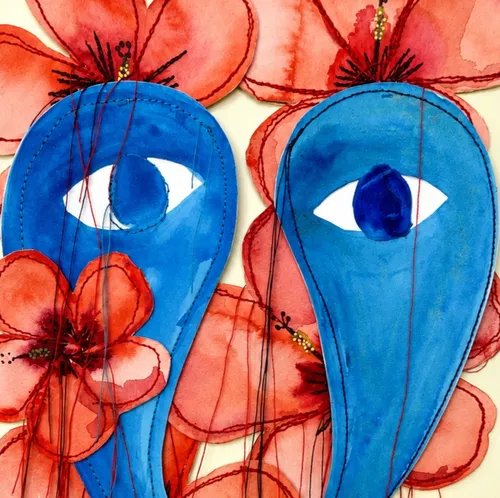
- By David Morán The earth trembles, the ground splits open and a jumble of rocks and rubble seems intent on devouring everything. The forests and fields burn as far as the eye can see. Rivers burst their banks and the sea erodes the shores, sweeping away everything in its path, until it piles it all up into a mass of shapeless debris in the arid centre of the peninsulas. It is a world transformed into permanent devastation as a result of human action. "When the moon is at its highest and brightest, we climb up the cleft to where the flowers grow, pick them so that there is plenty of red, and let the water flow from the spring to that spot" Doris Lessing The earth trembles, the ground splits open and a jumble of rocks and rubble seems intent on devouring everything. The forests and fields burn as far as the eye can see. Rivers burst their banks and the sea erodes the shores, sweeping away everything in its path, until it piles it all up into a mass of shapeless debris in the arid centre of the peninsulas. It is a world transformed into permanent devastation as a result of human action. And yet, amidst the chaos, a space of possibility emerges. When everything is ablaze, it is common to see women carrying animals, children and the elderly; protecting their homes, saving crops and creating neighbourhood rescue networks in which no lives are more important than others, understanding that all depend on the same fabric of relationships. It was upon seeing these women on the news during a summer marked by disaster that Mujeres que cargan animales (Women that carry animals), Gema Polanco ’s (Valencia, 1992) first solo exhibition at ADN Galeria, began to take shape in the artist’s imagination. Comprising recent works that engage in dialogue with earlier pieces—which are fundamental to her career—the exhibition offers a concise introduction to her practice, showcases her most recent concerns and hints at the
Mujeres que cargan animales
Until 7 Nov 2026
ADN GALERIA
Gallery / art space
Coming soon in Barcelona
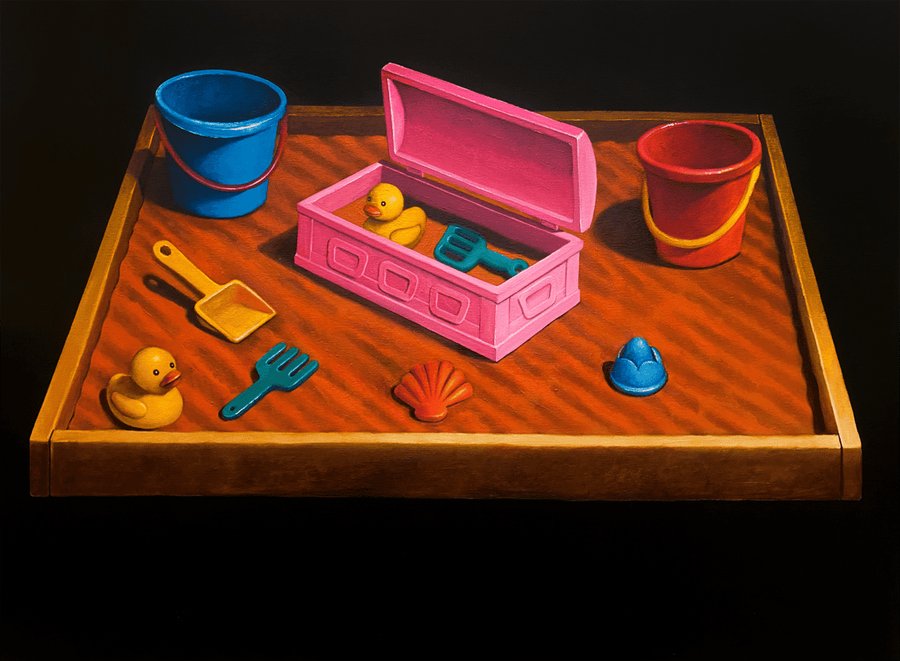
- Para celebrar su 15.º aniversario, La Plataforma presenta una edición especial de Arte & Venta con la exposición colectiva «A las penas, puñaladas». La muestra reúne a artistas que han acompañado a la galería a lo largo de su trayectoria, junto con aquellos que forman parte de su programa actual. Concebida como una reflexión sobre quince años de recorrido y como una celebración de la creación artística, esta edición aniversario presenta una cuidada selección de obras nuevas realizadas especialmente para la ocasión. La exposición destaca la diversidad, la emoción y la libertad creativa, ofreciendo una perspectiva amplia y dinámica de las voces artísticas que dan forma a La Plataforma.
Arte Y Venta
4 Dec 2026 – 13 Feb 2027
LA PLATAFORMA
Gallery / art space
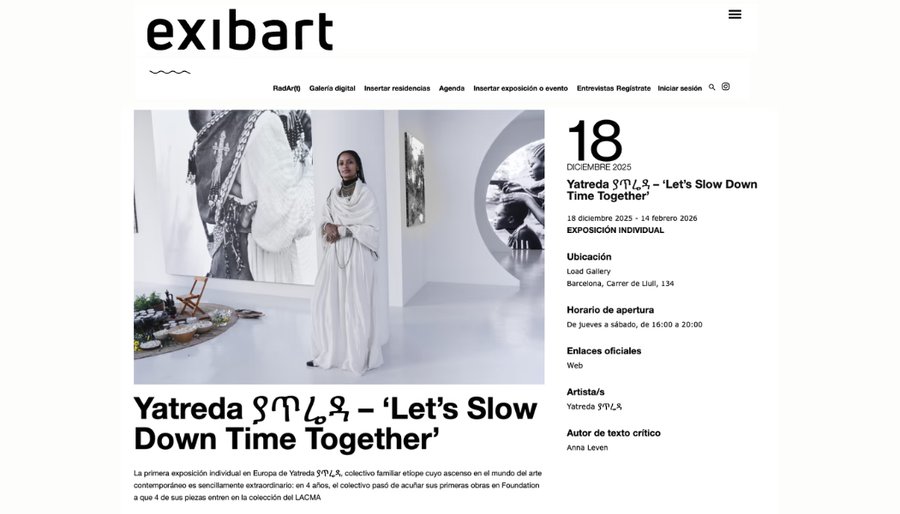
- Yatreda ያጥሬዳ, a family collective from Ethiopia, founded by creative director Kiya Tadele (Ethiopia, 1993), has built an astonishing artistic career in just four years: from minting their first series, Kingdoms of Ethiopia, in 2021 to LACMA announcing the acquisition of four works in 2025. It is a head-spinning trajectory, and Load is proud to present a concise survey of Yatreda’s work and their singular approach to video art in their first European solo exhibition. Rooted in tizita —a profound sense of nostalgia and longing for the past—their practice weaves childhood memories, oral histories, and folk tales with the rich heritage and legends that shape contemporary Ethiopian identity. By bridging ancestral knowledge and digital innovation, Yatreda invites viewers to contemplate the cyclical nature of history, ensuring that Ethiopia’s cultural legacy is both celebrated in the present and safeguarded for the future. Yatreda ያጥሬዳ is known for its black-and-white short loops, in which people move very slightly, creating the impression that a photograph has come to life. Many of their motion portraits feature historical costumes and jewellery, either sourced from antique shops or sewn by members of the collective, and are grounded in research. Yatreda’s ያጥሬዳ Strong Hair documents the rich diversity of traditional hairstyles found across Ethiopia, honouring the labour and artistry embedded in hair culture. Strong Hair received the Award of Distinction at Prix Ars Electronica (2022) and was later exhibited at Museum Folkwang (Essen, Germany). Also featured is The End of Innocence from Adam and Hewan that reimagines the Genesis narrative by placing Ethiopia — and Africa more broadly — at the birthplace of humanity. The work introduced many of the themes that would define the collective’s later practice: origin, memory, moral tension and the quiet drama contained in stillness. Another work, My Land, 1896, captures the final moments of the Battle of Adwa, when Ethiopia defeated Italy’s invading colonial army and became the only African nation to resist colonisation on the battlefield. The loop shows a Black Ethiopian warrior delivering the final blow to a white Italian soldier — an image still rare and unsettling within dominant visual histories. Precisely because of this inversion, the work confronts colonial narratives head-on and insists on anti-colonial resistance as a central, not marginal, part of discourse. “ [LINK text='The coffee you drink while running will disappear' href='https://gvrpdp.clicks.mlsend.com/tj/cl/eyJ2Ijoie1wiYVwiOjgwMjE4MyxcImxcIjoxNzAxNDUyODEzMzkyOTU1NTEsXCJyXCI6MTcwMTQ1MjkxOTM0NzkwMzcxfSIsInMiOiI1MjNmYzZjMThmZGEwYWI3In0'] ” ሲሮጡ የጠጡት ቡና ሲሮጡ ይጠፋል, premiered earlier this year at Loop Fair, offers an alternative to the Western temporal regime, in which time has been commodified and coffee reduced to a stimulant of productivity. Shot in a single take, it translates the Ethiopian coffee ceremony into a living score where movement, sound, and scent converge. As incense bridges material and spiritual realms, and the masenqo fills the space with nostalgic melodies that suspend time, the ceremony culminates in a collective dance: an eruption of joy, proposing togetherness, rhythm, and embodied awareness as counter-models to introspective and extractive time. Written by Anna Leven
Let’s Slow Down Time Together
18 Dec 2026 – 14 Feb 2027
LOAD GALLERY
Gallery / art space
Past Exhibitions
Recent past exhibitions
- La Mancha más ciega (La taca més cega[i]) parteix del no-argument i la densitat de la veu pròpia per tal d’establir connexions, a base de temptejos i desplaçaments, en la il·legibilitat que dona forma a la vida quotidiana. El projecte proposa explorar l’oralitat com a matèria a través de moviments de la forma lingüística que troben presència fixant-se en el que és efímer i en la manipulació del llenguatge a què ens exposem diàriament. Però també busca reconsiderar la sensualitat d’aquests mateixos senyals, i ho fa mostrant i estirant un gest de molta modèstia i de molta intenció pel fet de treballar amb un material que vol imitar. Una fusta sense prestigi, una temptativa de voler ser. [i] En la versió castellana, el títol funciona com un joc de paraules de difícil traducció. En ser escrita en majúscules, la paraula “Mancha” adquireix un doble significat.
La Mancha más ciega
Ended 27 Sept 2026
LA CAPELLA
- Totxana és una obra d’art que convida a la reflexió sobre la crisi de l’habitatge a Barcelona. L’escultura, feta amb totxanes de colors, simbolitza la desintegració del teixit social a causa de l’augment desmesurat dels lloguers. Mitjançant una experiència participativa, el públic mou les totxanes seguint unes instruccions generades algorítmicament, cosa que simula el desplaçament forçós de residents. Cada moviment contribueix a la dispersió de l’obra: un reflex de com milers de famílies es veuen obligades a trencar els seus vincles socials i abandonar els barris de tota la vida, cosa que té un greu impacte en la seva qualitat de vida. Nascut a Barcelona el 1987, és un artista generatiu que crea art mitjançant codi. La seva pràctica se centra en la creació d’algoritmes generatius i determinístics que produeixen visuals singulars cada cop que s’executen. Arquitecte per l’ETSAB (2012), cerca combinar la seva pràctica digital amb escultura feta amb materials típicament utilitzats en la construcció. A més, tant en peces digitals com híbrides, la interacció amb el públic assistent i la participació d’aquest són una constant en la formalització de l’obra.
Totxana Heeey
Ended 27 Sept 2026
LA CAPELLA
- Inauguració: Dijous 10 de setembre a les 18h Artistes: Anna Andrzhievskaia, Berta Asensio Casasús, Roger Aymerich, Jordi Bretcha, Alícia Campo, Javiera Veronika, Narcís Farriols Garcia, Núria Ferré Huet, Júlia G. Vernet, Júlia Gener Altimiras, Hugo Hidalgo Jiménez, Judit Luna, Pipi Pírez, Helena Ruiz Exposició d’obres generades en el marc del Màster de Producció i Recerca Artística —línia d’Art i Contextos Intermèdia (ACI)— de la Universitat de Barcelona, realitzada amb la col·laboració de La Capella i Fabra i Coats: Fàbrica de Creació. El títol és, en realitat, una declaració d’intencions. Títol_consensuat.zip al·ludeix, d’una banda, a la dificultat de trobar un nom compartit per a una exposició col·lectiva. El consens no és aquí un punt d’arribada definitiu, sinó un procés de negociació entre sensibilitats, interessos i maneres diverses d’entendre la pràctica artística. De l’altra, l’extensió.zip evoca una carpeta comprimida: un contenidor que concentra múltiples arxius en un únic paquet i en redueix així la mida sense esborrar-ne la complexitat. L’exposició funciona d’una manera semblant. Les obres que s’hi presenten no aspiren a ser una síntesi ni una representació exhaustiva de cada recerca, sinó fragments d’investigacions més àmplies, processos en curs i preguntes obertes. L’exposició esdevé així una constel·lació de pràctiques, en què cada obra conserva la seva autonomia mentre participa en una experiència col·lectiva. Títol_consensuat.zip assumeix, finalmente, que tota exposició és també un exercici de selecció, de reducció i de muntatge. Com qualsevol arxiu comprimit, conté molt més del que deixa veure a primera vista. Només desplegant-ne els continguts és possible intuir la dimensió completa de les recerques que conflueixen aquí.
Títol_consensuat.zip
Ended 27 Sept 2026
LA CAPELLA
- El artista ha inaugurado La tempestad. El jardín de los senderos que se bifurcan en la sala madrileña con el comisariado de Semíramis González, directora de LABoral en Gijón. El suspense no es una emoción sencilla de transmitir a través del arte plástico. Lo que parece consustancial al cine y la música, la expectación sobre qué pasará a continuación y cómo, carece de la misma fuerza en los géneros no narrativos. Incluso la pintura figurativa y la fotografía tienen problemas en este terreno y se suelen quedar en el desasosiego, en la sensación de que algo no cuadra del todo. Pero el suspense requiere, en cierta medida, el paso del tiempo. Hitchcock explicó el concepto con la escena de una cena en la que los comensales son ajenos a que la mecha de una bomba se está consumiendo. Un peligro que ellos no ven, pero nosotros sí, y según avanzan los segundos nuestra tensión crece: nos adelantamos a los acontecimientos. Pero ¿cómo se crea esta sensación en una obra estática? La mecha puede estar prendida, pero en ese caso no avanza. El futuro hipotético está sugerido, pero no puede ser tan amenazante. Somos conscientes de la imposibilidad del cambio de la pieza. Los artistas de obras inanimadas que se han interesado en este concepto han tomado distintas rutas. La que siguió Damien Hirst cuando conservó en formol un tiburón en La imposibilidad de la muerte en la mente de alguien vivo es de las más efectivas. La vera similitud obliga al espectador a enfrentarse con el objeto de sus miedos atávicos. Hirst dijo que quería «que la gente pensase que esa puta cosa podía devorarles». Esa llamada a la realidad, dejar que la imaginación evoque no lo que va a ocurrir con la obra, sino lo que pasaría en el mundo “real”, es la estrategia que ha seguido Avelino Sala en su exposición en [LINK text='CentroCentro' href='https://www.centrocentro.org/'], la primera institucional en la capital del artista asturiano, comisariada por Semíramis González, directora de LABoral. Titulada La tempestad en un juego de palabras que lleva al espectador desde Shakespeare, hasta Huxley pero que parte, como cuenta el artista, de Giorgione. El cuadro del mismo título, que muestra los minutos iniciales de una tormenta, con un esquivo rayo al fondo de la composición. «Es el momento previo al peligro», argumenta Sala. Gracias a la colaboración entre la institución madrileña y LABoral –ambas actuando como centros de creación contemporánea y no solo como continentes– se han podido crear una serie de diez obras inéditas que trabajan, entre otros, con este concepto. Al visitante le recibe un gran punto rojo, una brevísima alfombra que hace referencia a los photocall, sobre el que se disponen una serie de cuchillos de resina transparente, Violencia invisible. Hay una invitación implícita a colocarse bajo esas armas ficticias y exponerse a la perspectiva de una posible mutilación. El riesgo no existe sin la participación del público, que se ofrece como un cordero para el sacrificio. En el otro extremo de la exposición –que se puede visitar en cualquiera de los dos sentidos– otra serie de piezas de resina titulada Dog days, esta vez de perros guardianes sentados en tres gradas, pone al visitante en el punto de mira. Es el movimiento de este el que crea la tensión. En otras obras de la exposición, el suspense vive en las referencias al mundo real. Como en Washing Series, donde globos terráqueos están embadurnados de pintura con los colores de diferentes causas progresistas. Es un juego de palabras con las prácticas de marketing –Sala diría que superficiales y falsarias por naturaleza– de las multinacionales: greenwashing (ecología), pinkwashing (derechos LGTBI+), purplewashing (feminismos) … O en las sutiles plumas utilizadas como base para la reproducción de fotografías –sublimación mediante, para que no estallasen en combustión espontánea al entrar en contacto con las planchas de grabado– de sucesos actuales en los que el visitante podrá sobresaltarse con retratos de Trump, Musk, imágenes de genocidios o incursiones ilegales en territorios soberanos. Contemplarlos supone no poder evitar pensar qué aspecto tendrá el mundo en 10 años (eso sí que es suspense…). El juego de palabras es otro elemento común a la obra de Sala, que despliega sus referencias con la videoinstalación de 4’ 33’’ de minutos de silencio o en las consignas recogidas en su Biblioteca de Babel, compuesta por “los libros que habría que escribir y leer para solucionar estos problemas”, tal y como explica el propio artista. O en el neón en honor a un verso de Alejandra Pizarnik, heroína del feminismo y la literatura contemporáneos. En ese acercamiento semiótico a la obra de arte, también existe la deconstrucción de Un mundo feliz, en la que las banderas de los países integrantes de la ONU se disponen para deletrear el título de la novela de Aldous Huxley que en su versión original – A Brave New World – hace referencia a un verso de La Tempestad de Shakespeare (una irritante traducción ¿qué editor pensó que era aceptable la correspondencia brave- feliz?). Esta obra en el corazón de la exposición nos lleva de nuevo al comienzo, con una relectura de su título, en el juego de palabras sin fin de su autor. La tempestad se podrá visitar hasta el 20 de septiembre.
La tempestad. El jardín de los senderos que se bifurcan
Ended 20 Sept 2026
ADN GALERIA
Art Nou 2026
Ended 3 Sept 2026
ÀNGELS BARCELONA
Sofia Montenegro / Xavi Ristol
Ended 20 Jun 2026
ÀNGELS BARCELONA