Modern & Contemporary Art Exhibitions in Berlin
Discover contemporary and modern art exhibitions in Berlin. Our exhibition guide helps you explore museums, galleries, and artist-run spaces showcasing modern and contemporary art. Whether you're an art enthusiast or a curious visitor, stay informed about what's happening in the art scene in Berlin.
Browse by venue
On now in Berlin
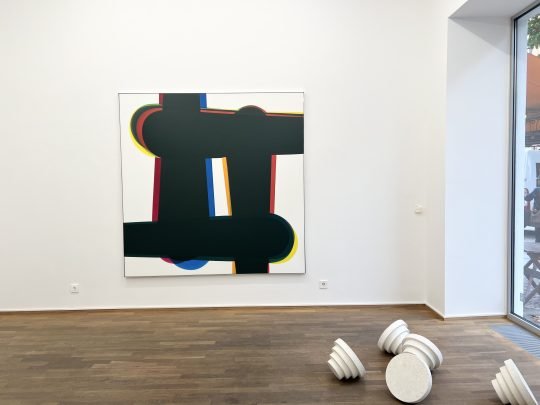
- Galerie Gilla Loercher | Contemporary Art is delighted to present a joint exhibition featuring French sculptor Quentin Lefranc and German painter Rainer Splitt, both of whom have intensively explored concrete and minimal art concepts throughout their artistic careers. The opening is on 10 September 2026 from 19:00
Quentin Lefranc, Rainer Splitt Embodying space
Until 16 Oct 2026
Galerie Gilla Lörcher
Gallery / art space
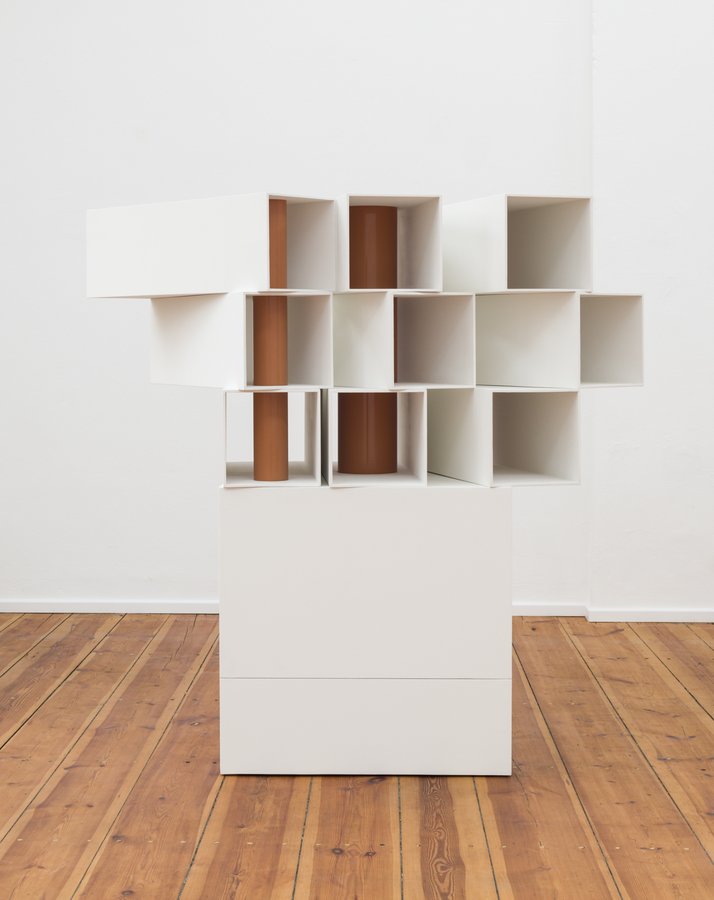
- Anlässlich des 100. Geburtstags von Hal Busse im Jahr 2026 hat das Hal Busse Archiv in Hamburg eine umfassende Biografie veröffentlicht, die von einer gleichnamigen Ausstellung begleitet wird. Anlässlich der Berlin Art Week 2026 freut sich die Galerie Volker Diehl, das Buch zusammen mit einer zweiten Ausstellung zu präsentieren, die die Hamburger Schau nach Berlin bringt.
Hal Busse. Werk und Wirken
Until 16 Oct 2026
DIEHL (Niebuhrstrasse)
Museum / institution
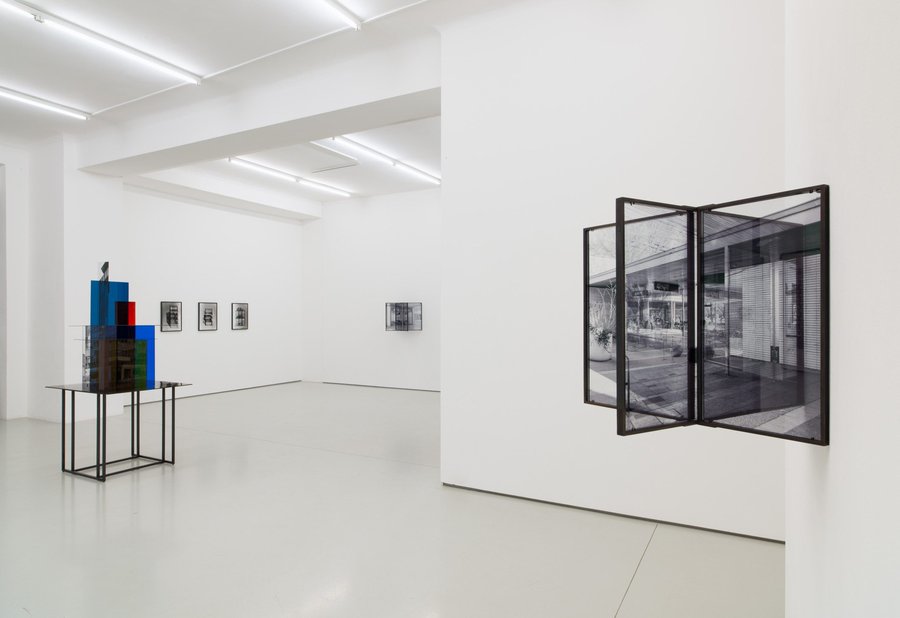
- In her photographic and sculptural works, Sinta Werner investigates how spatial perception is continually reconstituted through the interplay of material, light, and movement. Her point of departure is often architectural structures and modernist systems of order, whose geometric clarity she takes up and transfers into new spatial contexts. Where the mid-century modernist grid promised rationality and static structure, Werner’s works reclaim an embodied, situated perspective. Only through moving around them do rigid systems dissolve, and space becomes a processual experience for viewers. Glass has been a central material in Werner’s work in recent years, appearing simultaneously as image carrier, image motif, and optical filter.
Sinta Werner Modul im Modell
Until 17 Oct 2026
Alexander Levy
Gallery / art space
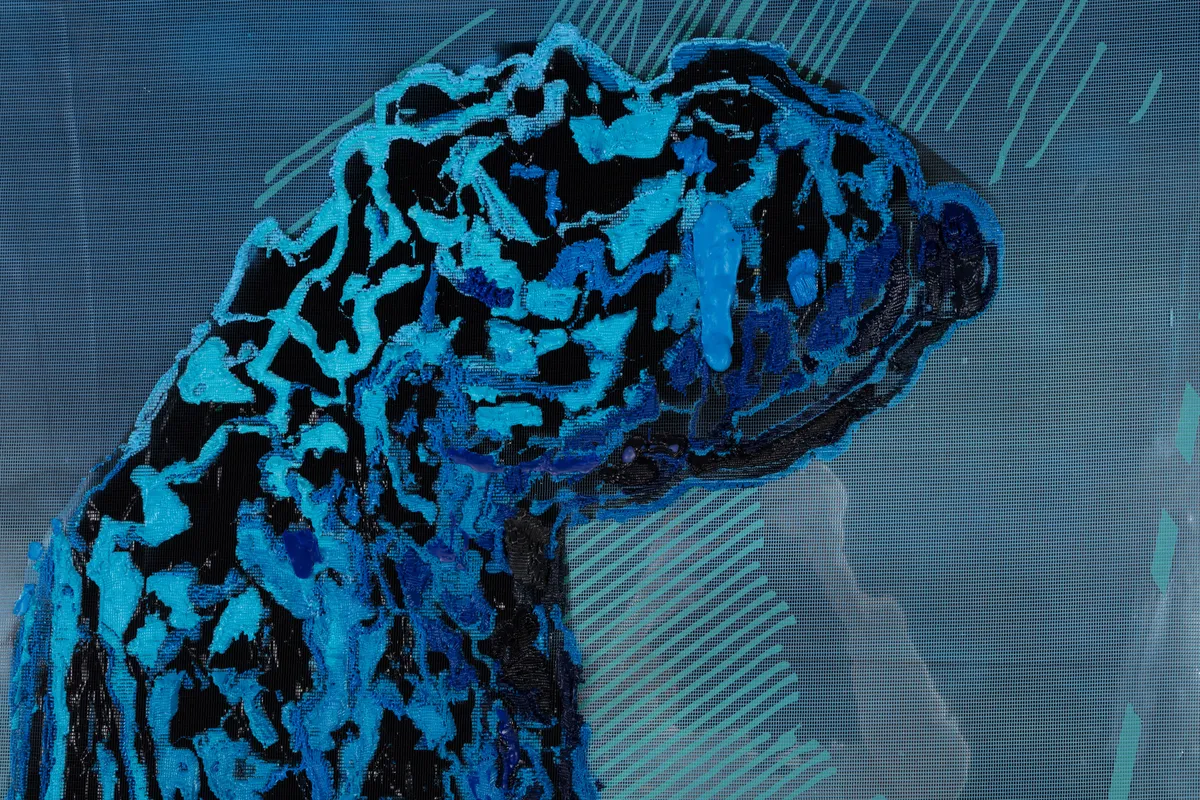
Austin Martin White The lie, the larp and the lusophile
Until 17 Oct 2026
Capitain Petzel
Gallery / art space
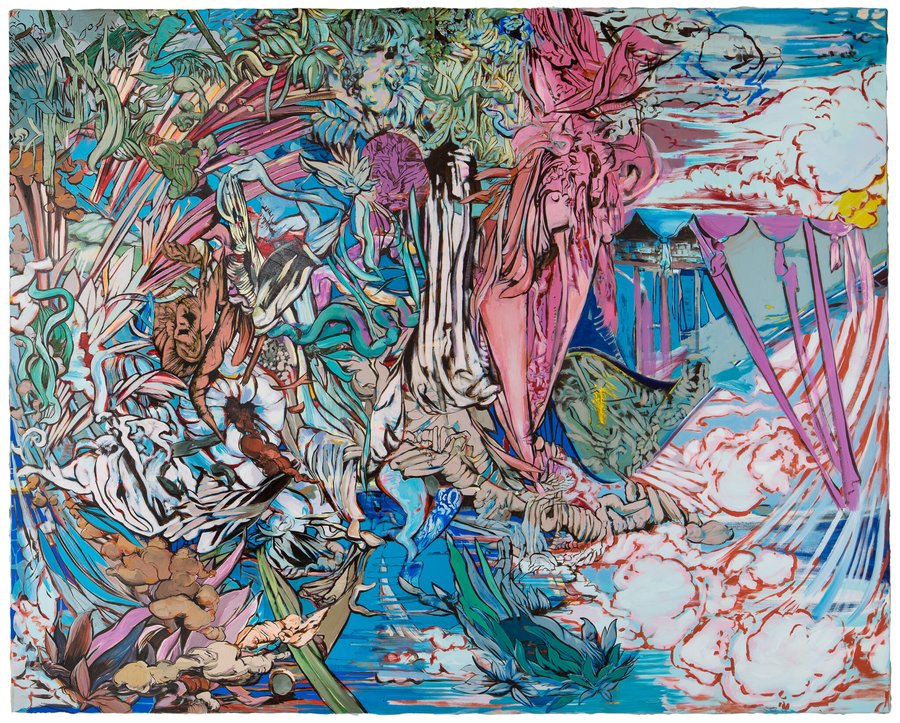
- Die Begegnung älterer und neuer Arbeiten verändert den Blick auf beide Werkgruppen. Zwischen ihnen werden Kontinuitäten sichtbar, ebenso Verschiebungen und neue Freiheiten. Erinnerung und Gegenwart, Figuration und freie malerische Form, erzählerische Spuren und die Eigenständigkeit von Farbe stehen dabei in einem beweglichen Verhältnis zueinander. Gerade über den Abstand von rund zehn Jahren zeigt sich, wie Andrea Damp ihre malerischen Fragestellungen weiterentwickelt: Manche Motive treten zurück, andere gewinnen an Gewicht, und bestimmte Grundfragen kehren in veränderter Form wieder. GLIMMER macht diese Bewegung sichtbar. Die Ausstellung folgt dem Werk über verschiedene Zeiten hinweg und lässt erleben, wie sich Bilder verändern können, während bestimmte Empfindungen, Fragen und malerische Entscheidungen fortbestehen.
Andrea Damp · GLIMMER Sardanapal, 2015 / Tage aus
Until 17 Oct 2026
Janinebeangallery
Gallery / art space
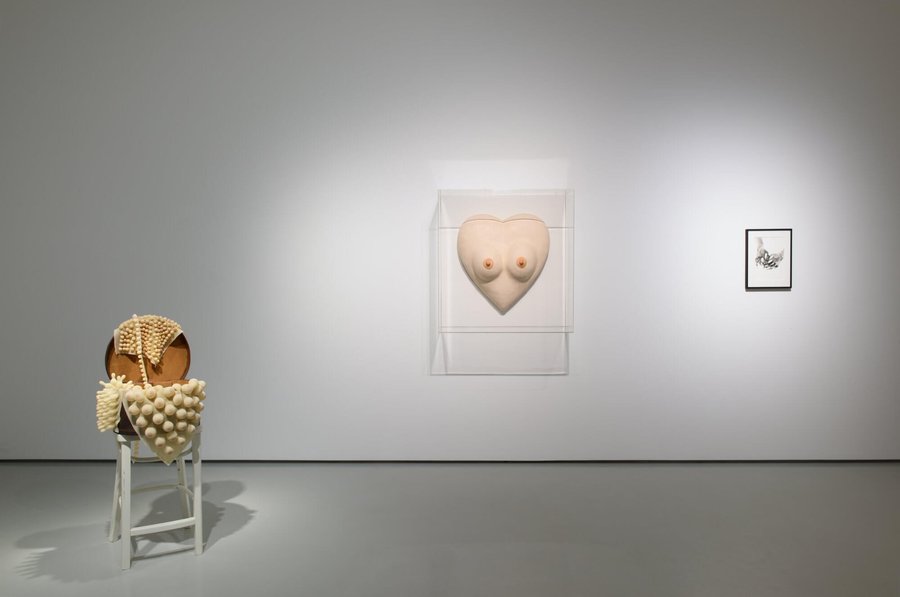
- Renate Bertlmann, born in Vienna in 1943, is one of the influential figures of the feminist avant-garde of the 1970s. For more than five decades, her photographs, sculptures, objects, installations, performances, and drawings have explored love, sexuality, and power through a visual language that oscillates between tenderness and aggression, irony and vulnerability... At the core of Bertlmann’s practice lies resistance to patriarchal oppression and the assertion of self-determination. Institutions such as marriage, binary gender roles, and religious iconography are subjected to a precise inversion: vulnerability becomes a weapon, submission an act of provocation, and the sacred a site of subversive wit...
Renate Bertlmann: Zärtlichkeit als Widerstand
Until 17 Oct 2026
LEVY
Museum / institution
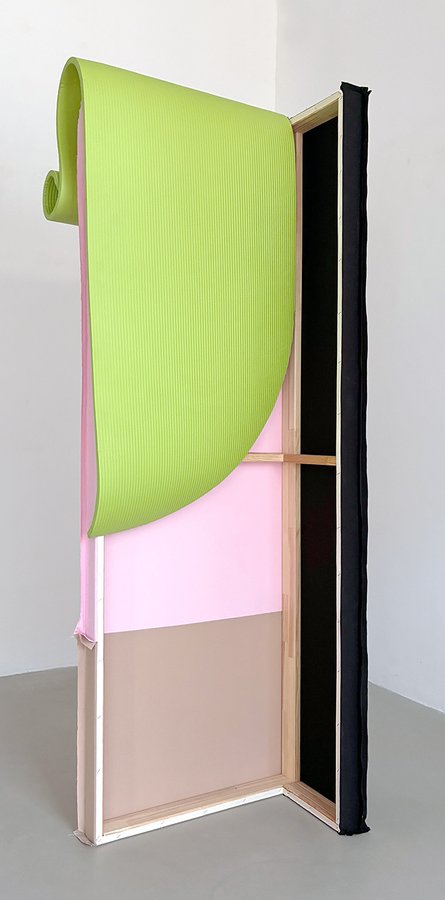
- In YOGA, Eva Berendes presents new works from a series of the same name: freestanding textile bodies over which yoga mats are draped, or from which they emerge. On the walls, plaster reliefs with openings appear as reduced interventions. Materials, colours and arrangements unfold their pictorial qualities between construction, adaptation and improvised assemblage. The fabric screens address questions of abstract painting: colour, support and surface are extended into space. Colour appears as a textile covering whose seams – turned visibly outward – expose the logic of its own making. As in many of her works, the artist pays particular attention in this new series to the relationship between front and back. She reinterprets the traditional wall-mounted picture – with its visible front and concealed, purely structurally necessary reverse – within space, conceiving of this relationship as one of equivalence. Front and back remain recognisable as such, yet receive the same degree of attention. Design and construction can no longer be clearly separated, moving between image, body and architectural fragment. The artist employs yoga mats not only as material carriers of colour, texture and form, but also as carriers of meaning. They point to a Western urban culture in which body, posture and self-perception are closely interconnected. Nude, pink and black tones, batik fabrics, fastening straps and bra straps likewise originate from a context in which the body is shaped, organised, clothed and supported. Here, the relationship between front and back finds a further correspondence: forward and backward bends in yoga form a sequence of expansion and contraction. What opens outward is set against what turns inward; front and back, inside and outside remain distinct while simultaneously existing in relation to one another. Abstraction in twentieth-century painting opened up a realm of the pre-conceptual – an experience not mediated primarily through narrative or meaning, but through materiality, perception and attention. YOGA draws on this art-historical tradition while simultaneously engaging with the artist’s contemporary context of experience and practice. The cultural associations of the materials remain as present as questions of emptiness and presence, space and body, balance and composition, which are newly explored through a play of materials and forms, repetition and variation.
YOGA Eva Berendes
Until 17 Oct 2026
Loop
Museum / institution
Tropical Island I
Until 17 Oct 2026
Galerie Mathias Güntner
Gallery / art space
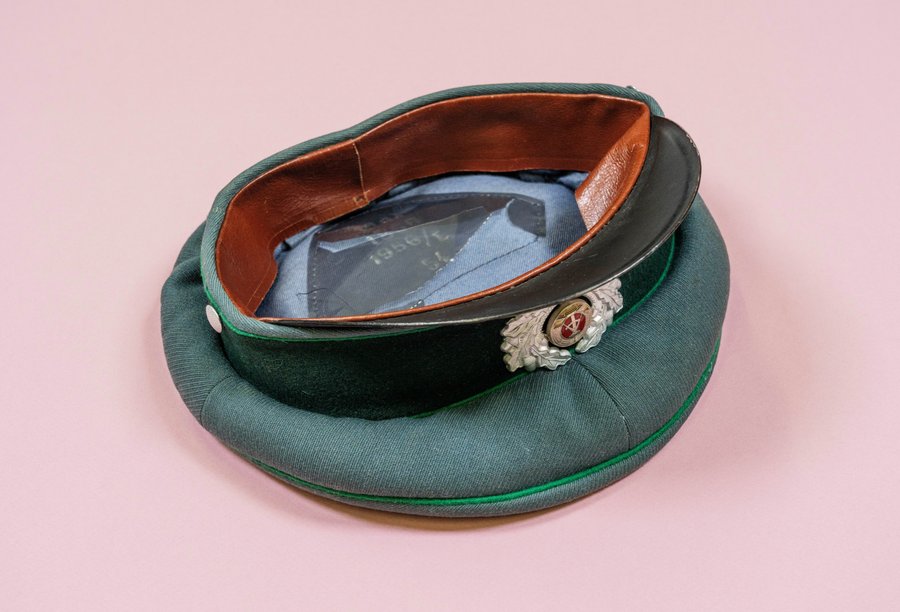
- Vom 18. September bis 18. Oktober 2026 zeigt die AFF Galerie in Berlin "recollected #2" mit Arbeiten von Jana Müller und Martina Sauter. Ausgangspunkt der Ausstellungsreihe "recollected" ist die Frage, wie Erinnerung entsteht und über Speichermedien wie Fotografien bewahrt und vermittelt wird. Fotografie steht dabei in einem besonderen Verhältnis zur Vergangenheit: Sie hält Momente fest, setzt Orte und Personen in Szene und wird selbst zum Träger individueller wie kollektiver Erinnerungen. Zugleich spielen Kontext, Auswahl und persönliche Assoziationen eine zentrale Rolle bei der Betrachtung und Interpretation von Bildern. "recollected #2" bringt zwei künstlerische Positionen zusammen, die sich auf unterschiedliche Weise mit Fotografie, Archiv und Erinnerung auseinandersetzen. Jana Müller (*1977) zeigt einen Auszug aus ihrem Langzeitprojekt "Falscher Hase", für das sie seit 2019 recherchiert. Ausgehend von der Biografie ihres Vaters, der ehemals Kriminalbeamter in der DDR war, beschäftigt sie sich mit der Verbrechensaufklärung in der Deutschen Demokratischen Republik. Müller hat hierzu ein umfassendes Archiv geschaffen. In der Ausstellung präsentiert sie eine Wandinstallation aus Fotografien und Objekten, ergänzt durch ein Glossar zur Kontextualisierung. Ihre Motive reichen von Archivmaterialien und Fotografien von Tatorten bis zu alltäglichen Gegenständen. Martina Sauter (*1974) präsentiert Teile ihrer neuen Arbeit "Deep Water" sowie frühere Werke. Sauter verwendet Ausschnitte aus Filmklassikern als Ausgangsmaterial für ihre mehrschichtigen fotografischen Arbeiten und verbindet diese mit eigenem Bildmaterial. So entstehen Collagen fiktiver Innen- und Außenräume, die zwischen Erkennbarkeit und Unkenntlichkeit changieren. Für "Deep Water" greift Sauter diese Arbeitsweise erneut auf und verbindet eigene Raumaufnahmen mit Bildmaterial von KI-Bildgeneratoren. Die 2025 entstandene Serie wird in der AFF Galerie erstmals präsentiert. Im Zentrum der Ausstellung stehen Fragen nach dem Umgang mit fotografischen und archivalischen Bildern, ihrer Bedeutung für die Konstruktion und Rekonstruktion von Erinnerung sowie nach den Leerstellen, die zwischen dokumentierter Geschichte und persönlicher Erfahrung entstehen können.
recollected #2 Jana Müller & Martina Sauter
Until 18 Oct 2026
Aff Galerie
Gallery / art space
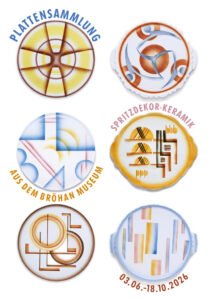
- Leuchtende Farben, geometrische Muster und avantgardistische Formen: Die Sammlung des Bröhan Museums umfasst mehr als 350 Tortenplatten. Fast alle stammen aus der Zeit der Weimarer Republik und verbinden Einflüsse von Art Déco, Bauhaus, Kubismus und Konstruktivismus. Sie erzählen von Design ebenso wie vom Alltag und davon, wie moderne Kunst die häusliche Kaffeetafel eroberte.
Ausstellung Plattensammlung. Spritzdekor-Keramik aus dem Bröhan Museum
Until 18 Oct 2026
Bröhan Museum
Museum / institution
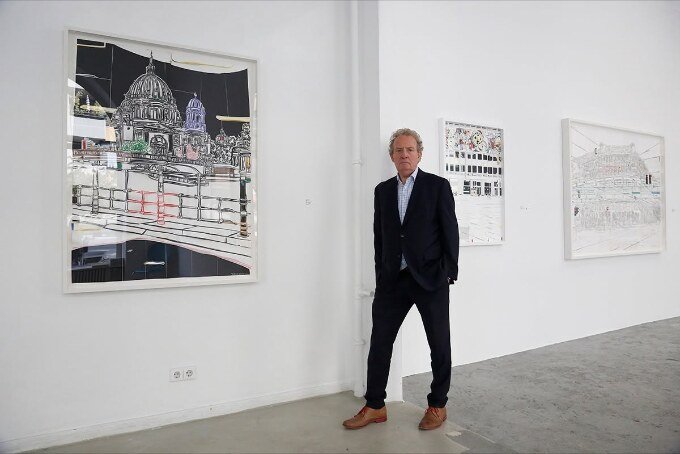
- Marion Eichmann — BERLIN! · Soloshow. Ausstellung vom 4. September bis 18. Oktober 2026. Eröffnet am Freitag, 4. September 2026, 19–22 Uhr, mit einer Einführung von Christoph Tannert · Galerie Tammen, Hedemannstraße 14, Berlin-Kreuzberg.
Marion Eichmann — BERLIN!
Until 18 Oct 2026
Galerie Tammen & Partner
Gallery / art space
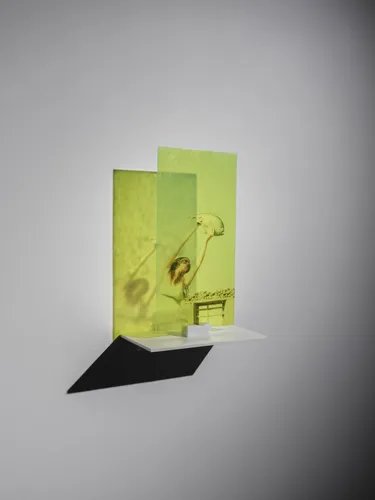
- With Lockruf der Sirenen. Visionen eines Seemanns, Valentina Murabito transforms KORNFELD Galerie into a poetic environment of light, material and photography. The exhibition presents new bodies of...
Valentina Murabito – Lockruf der Sirenen. Visionen eines Seemanns
Until 22 Oct 2026
Galerie Kornfeld
Gallery / art space
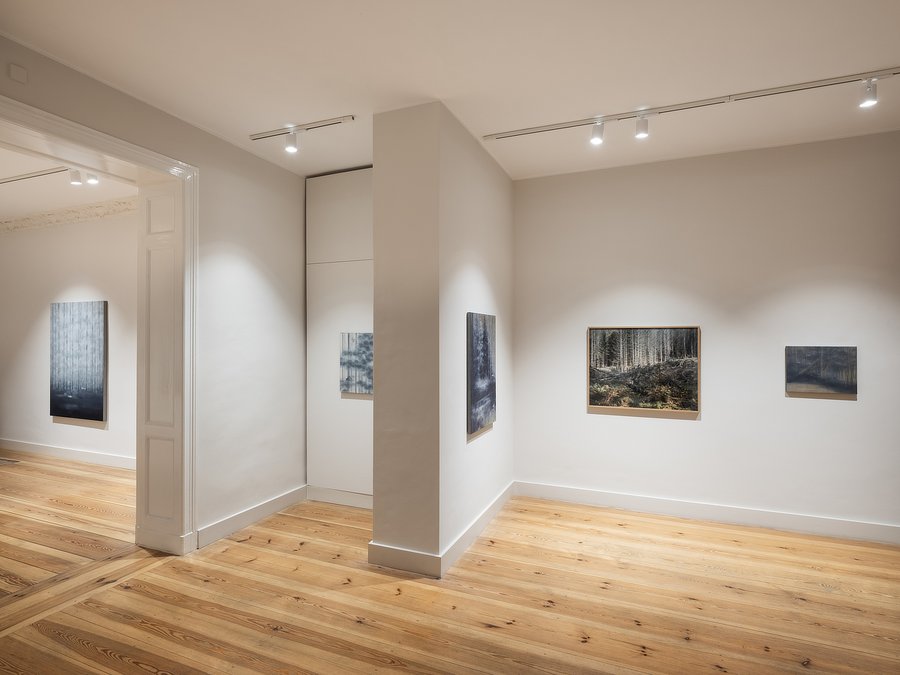
- Es gibt zwei Sehnsuchtsorte, an denen Menschen Ruhe und Entspannung erhoffen, wo sie wieder zu sich kommen und ihnen Flügel wachsen. Es ist das Meer und der Wald. Der Fotograf Peter Bialobrzeski und die Malerin Miwa Ogasawara leben beide in Hamburg und sind im steten, lebendigen Austausch. Die Galerie zeigte 2022 ihre Arbeiten zum Meer mit dem Titel „Übers Meer“, in diesem Jahr folgt „Übern Wald“. Die Zusammenarbeit zwischen dem Fotografen und der Malerin erweist sich als sehr fruchtbar und tiefgreifend, erlaubt es doch, verschiedene Gesichtspunkte einzunehmen und aufzuzeigen. Denn es gibt in der Regel viele Blickwinkel und in diesem Fall ergänzen sie sich vortrefflich.
Übern WaldPeter Bialobrzeski / FotografieMiwa Ogasawara / Malerei
Until 23 Oct 2026
GALERIE ALBRECHT
Gallery / art space
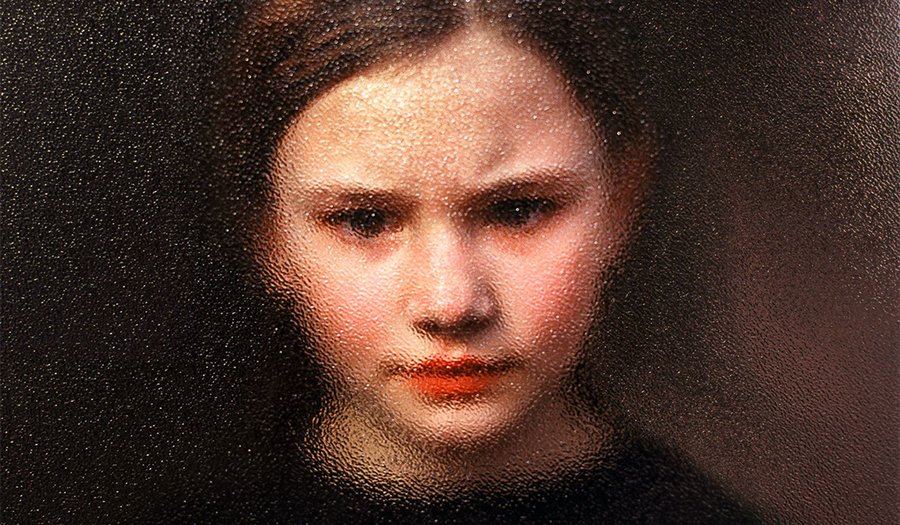
- What makes a person? A face, a memory, a gesture, a mask, a story? In an age of carefully curated identities, digital projections, and shifting social roles, and the blurred line between reality and fakeness the notion of the self has become increasingly fluid, fragmented, and complex. Poor Traits brings together nine contemporary artists working across painting, photography, sculpture, installation, video, and mixed media. Rather than focusing on traditional portraiture, the exhibition explores the many ways in which identity is constructed, performed, concealed, and revealed. The representation of the human being has been a central subject throughout art history. From ancient sculptures and Renaissance portraits to modern and contemporary explorations of identity, artists have continuously sought to capture not only physical appearance but also character, status, emotion, belief, and the complexities of the human condition. Across centuries, the portrayal of the self and others has remained one of art’s most enduring and significant themes, reflecting the values, questions, and concerns of each era. Playing on the sound of the word “portraits,” the title Poor Traits suggests the imperfections, contradictions, vulnerabilities, and psychological complexities that make us human. The works in the exhibition move beyond physical likeness to examine character, emotion, memory, mental states, social expectations, and the traces we leave behind. Some artists turn inward, investigating personal narratives and the architecture of the psyche. Others reflect on collective experiences, societal pressures, and the roles imposed upon us by culture, technology, and history. Together, the works challenge viewers to look beyond appearances and question how we perceive ourselves and others. At a time when identity is constantly negotiated between the private and public sphere, Poor Traits invites us to consider the spaces between image and reality, presence and absence, self-perception and external projection. The exhibition offers not a collection of portraits, but a study of what it means to be human.
Poor Traits: Beyond the Image
Until 24 Oct 2026
BBA Gallery
Gallery / art space
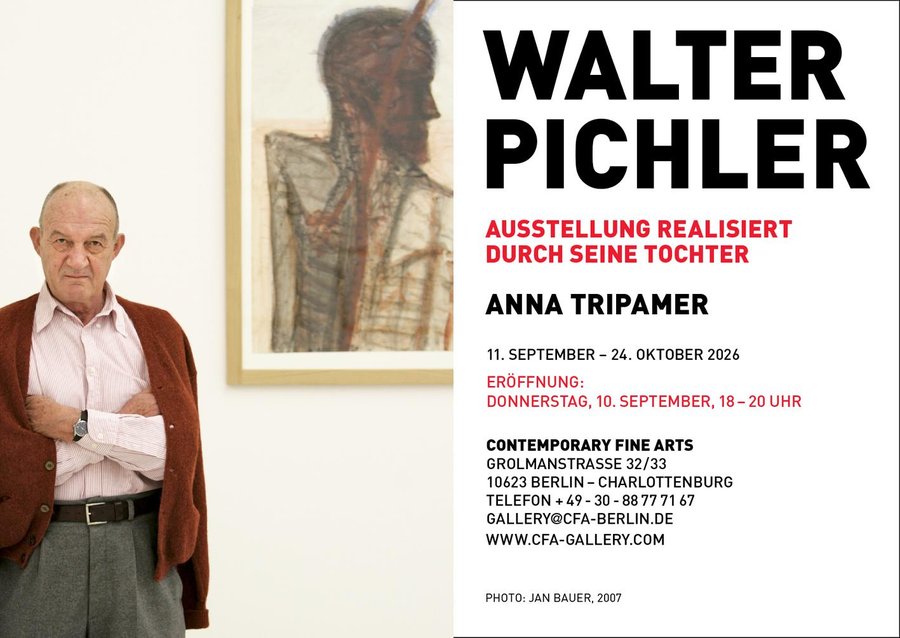
- Contemporary Fine Arts freut sich, anlässlich der Berlin Art Week 2026 die vierte Ausstellung des österreichischen Künstlers Walter Pichler mit der Galerie bekannt geben zu dürfen. Wir schätzen uns glücklich, Anna Tripamer – Tochter, Nachlassverwalterin und engste künstlerische Vertraute des Künstlers – für die Konzeption und Einrichtung der Ausstellung gewonnen zu haben. Bereits in den 1960er Jahren erlangte Walter Pichler mit den Prototypen, einer Serie futuristischer Werke – technische Körperapplikationen, pneumatische Räume, audiovisuelle Komponenten –, internationales Ansehen. Vor allem an der Baukunst interessiert, entwickelte er – oft gemeinsam mit Hans Hollein und Raimund Abraham – utopische Räume. Bevorzugte Materialen waren ihnen dabei seinerzeit neue synthetische Werkstoffe wie PVC, Plexiglas, Polyester und Aluminium. Bereits in dieser frühen Schaffensphase bestritt Pichler 1967 eine Einzelausstellung im Museum of Modern Art in New York. Zunächst nur als kurzfristiger Aufenthalt geplant, zog sich Pichler kurz nach einer weiteren musealen Einzelausstellung 1971 im Wiener Belvedere, dem heutigen 21er Haus, ins Burgenland zurück. Dort entdeckte er ein Gehöft im Dorf St. Martin, das er erwarb und das seitdem seine Hauptwirkungsstätte und neben Wien Lebensmittelpunkt auch für seine Familie wurde. Der Umzug zurück aufs Land – Pichler war im ländlichen Tirol aufgewachsen – zog auch einen radikalen Wandel seiner Materialen nach sich. Fortan griff er auf organische Werkstoffe wie Holz, Beton, Ziegel, Lehm, Glas und Blei zurück und schuf sukzessive ein einzigartiges Universum aus Modellen, Skulpturen und Zeichnungen. Zeichnung war Pichler ein bevorzugtes Medium, denn sie diente ihm als Projektionsebene seiner Vorstellung. Doch vollzog er seine künstlerische Arbeit nicht nur am Papier oder Modell, sondern setzte sie oft in jahre- teilweise jahrzehntelanger Arbeit in Realität um. Stringent, präzise und räumlich ordnend ging Pichler an die Verwirklichung seiner bildhauerischen Vision heran, wobei idiosynkratische, archetypisch anmutende Skulpturen von archaischer Schönheit entstanden. Sein sicher radikalster und in der modernen Kunstgeschichte beispielloser Schritt war dann die Entscheidung, für seine Skulpturen Behausungen zu bauen. Diese schlichten Häuser innerhalb des Hofgeländes dienen und dienen ausschließlich dem Zweck, die Skulpturen zu beherbergen. Pichler unterschied nicht mehr zwischen Raum und Skulptur; nur als Einheit sind sie zu betrachten. Die Häuser integrieren sich dabei in Bauweise und -materialien in die Architekturen dieser ländlichen Region an der Grenze zu Slowenien und Ungarn.
Zeichnungen & Skulpturen - Walter Pichler
Until 24 Oct 2026
Contemporary Fine Arts
Museum / institution
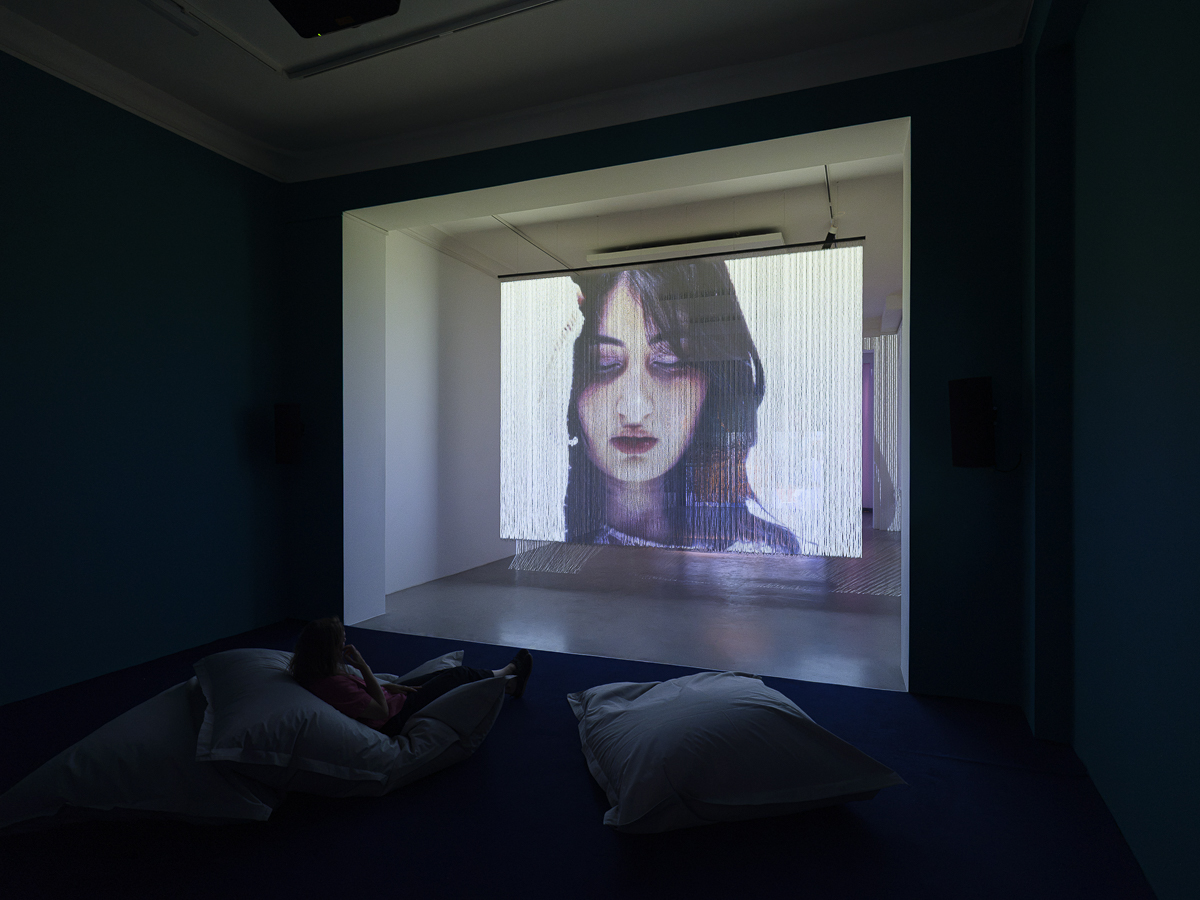
Stephanie Comilang Search for Life
Until 24 Oct 2026
ChertLüdde
Museum / institution
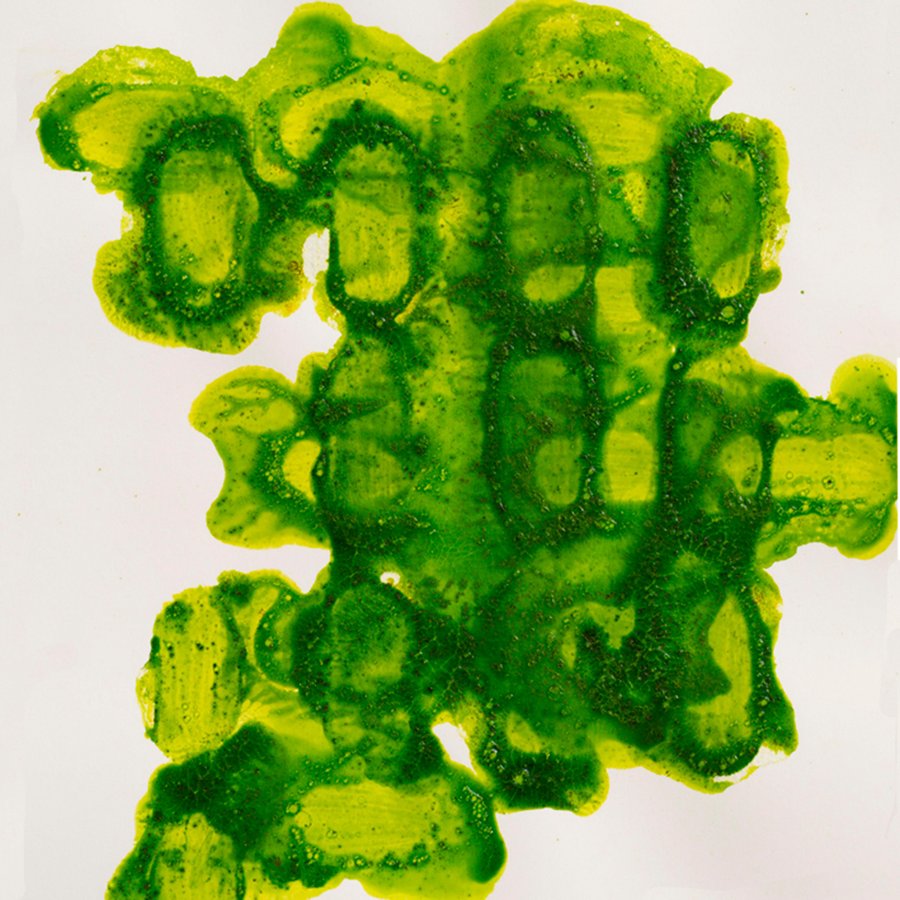
Zeichnungen Martin Assig, Thomas Müller, Hanns Schimansky
Until 24 Oct 2026
Galerie Born
Gallery / art space
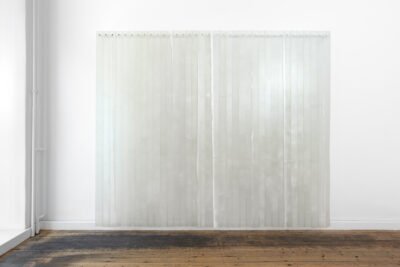
- with works by Noémi Barbaglia, Noi Fuhrer and Rosa Lüders In their works, the three artists featured in the exhibition explore the potential of images to capture, analyze, and influence our world. What is the relationship between perception, memory, and dreams? What agency do images hold? How are they composed, and how do they shape our view of the world?
Noémi Barbaglia, Noi Fuhrer, Rosa Lüders – Shimmer
Until 24 Oct 2026
Galerie Thomas Fischer
Gallery / art space
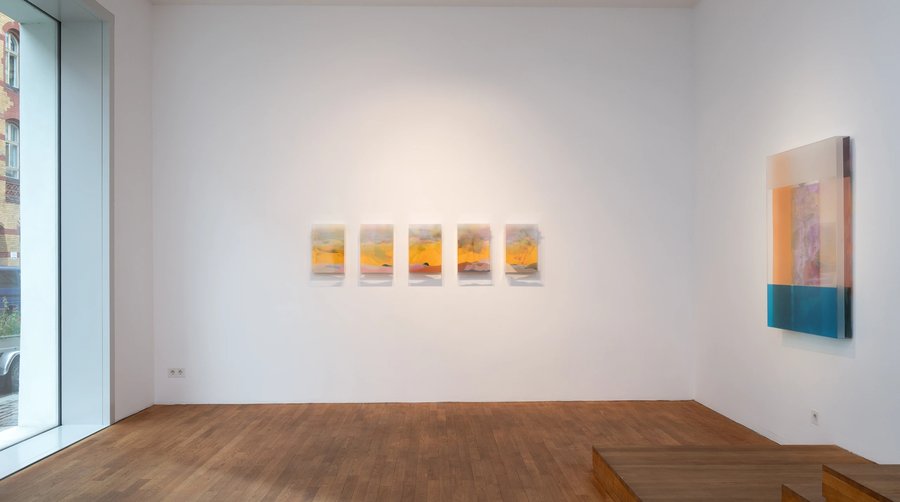
Michael Laube Take Five
Until 24 Oct 2026
Kuckei + Kuckei
Museum / institution
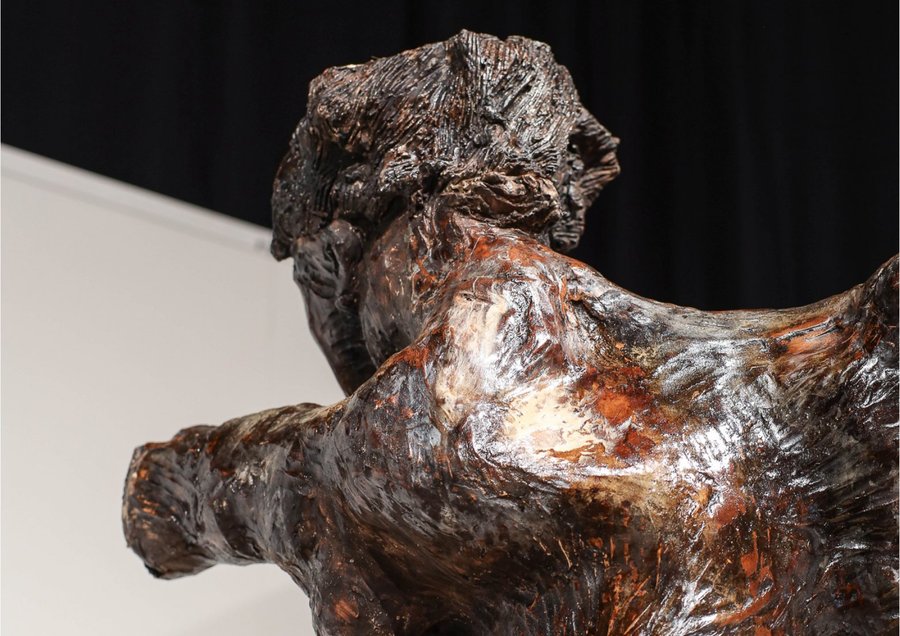
- Benjamin Orlow’s monumental sculptures combine references to classical sculpture, ritual and mythology while presenting the human body as a site of continuous transformation. At the centre of the exhibition, Ritual City serves as both its physical and conceptual anchor. Caught between formation and dissolution, its fragmented figures resist fixed definition, giving form to processes that would otherwise remain imperceptible. Like Orlow, Munch depicts the body as anything but stable. Distorted figures, dissolving contours and expressive brushwork transform it into a register of psychological experience. In George Grosz’s early drawing, grief is inscribed in the body of an elderly man collapsed beside an empty dog bowl, speaking with remarkable reduction about loss and aging. John Coplans likewise fragments the body in enlarged self-portraits, where age, vulnerability and lived experience become palpable through physical presence. In the works of Karin Mamma Andersson and Michael Schmidt, psychological space becomes a manifestation of memory and inner experience. Andersson transforms domestic interiors and landscapes into uncanny spaces, drawing on childhood memories and archival photographs to evoke realities just beyond the visible. Schmidt approaches the city as a psychological landscape in which memory, history and political division remain embedded in the urban fabric. Sophie Reinhold’s paintings question inherited visual codes by disrupting familiar iconographies and materials. Marble dust embedded in the painted surface lends the works a tactile presence, suggesting that meaning is materially as well as visually inscribed. Similarly, Frida Orupabo fragments and reassembles archival photographs of Black bodies to expose the violence embedded in colonial histories of representation. Her collages reveal how these histories continue to shape the present. Taken together, the works the works in the exhibition echo the term’s original sense of a symptom as a co-occurrence: not a representation, but something that emerges alongside an underlying condition that remains hidden.
Symptoms: Inaugural group exhibition at our new space at Goethestraße 2–3
Until 24 Oct 2026
Galerie Nordenhake
Gallery / art space
Eric Keller – Hanglage Ausstellung
Until 24 Oct 2026
Kunststiftung Poll
Museum / institution
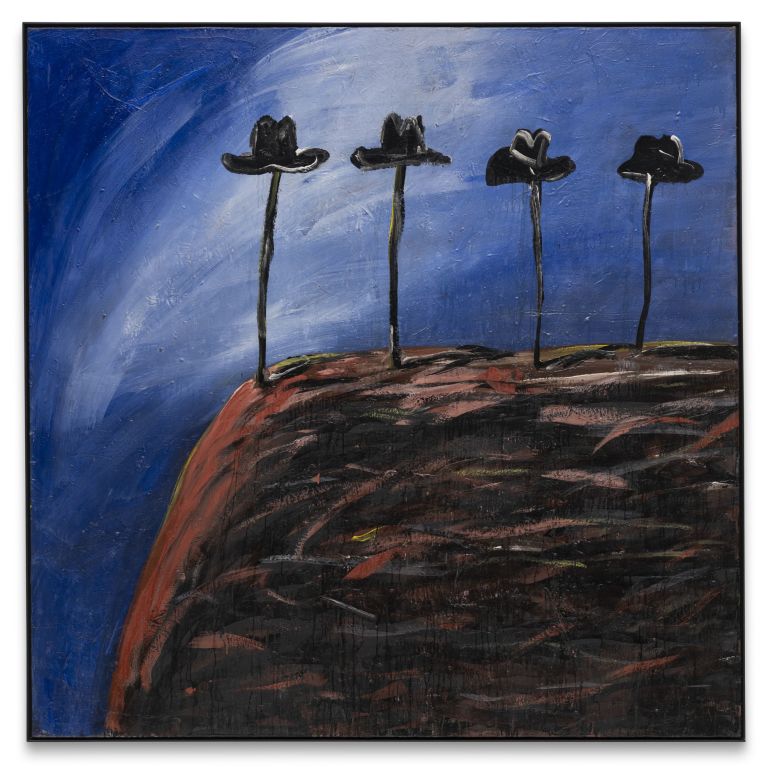
- In the 1980s, Walter Dahn first gained recognition in Cologne as a pioneer of the “Bad” Painting movement and as a founding member of the Mülheimer Freiheit, a group of neo-expressionist artists known for their rebellious, punk-inflected attitude. During this period, Dahn’s practice centred on a critical reassessment of painting as a medium. Incorporating references to contemporary music and popular culture, his works evoke a broad array of associations, prompting existential and historical questions that aim at deconstructing the visual ideologies of everyday life. Sprüth Magers is pleased to present a survey exhibition of Dahn’s work on the occasion of Berlin Art Week, marking the first show since his passing in 2024.
Walter Dahn Let’s Get Married, Let’s Get Lost
Until 24 Oct 2026
Sprüth Magers
Gallery / art space
Hollywood Forever
Until 24 Oct 2026
Trautwein Herleth
Museum / institution
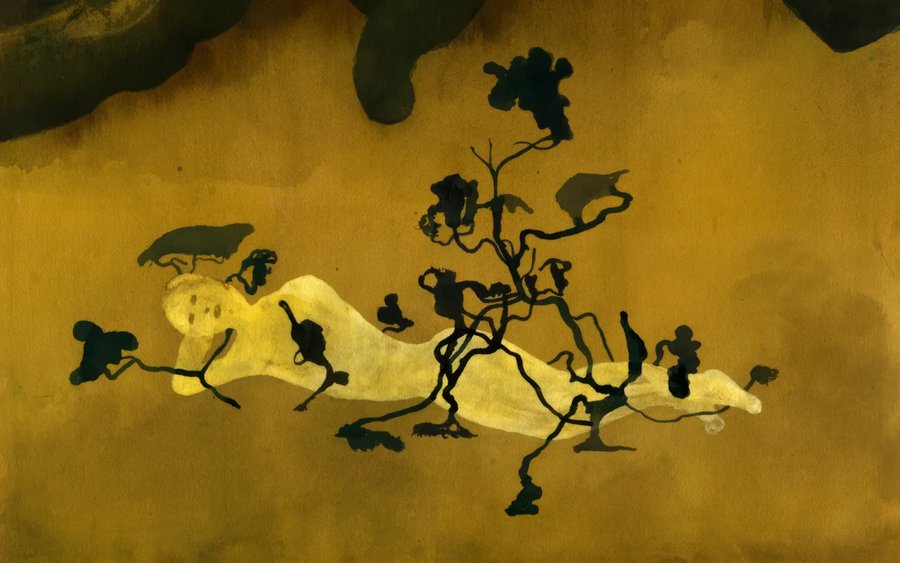
- MEPAINTSME is the curatorial platform of an anonymous American artist and curator, best known for an Instagram archive of over 10,000 art historical and contemporary paintings, named ‘indispensable’ by critic [LINK text='Jerry Saltz' href='https://www.instagram.com/jerrysaltz/']. Beyond the feed, MEPAINTSME runs an online gallery of solo and thematic exhibitions, an annual juried Open Call supporting charitable causes, and a Substack of in-depth artist interviews and studio visits. The Unworlding marks the platform’s first physical exhibition in Europe.
The UnworLding MEPAINTSME x WESERHALLE
Until 24 Oct 2026
Weserhalle (Weserstr. 56)
Museum / institution
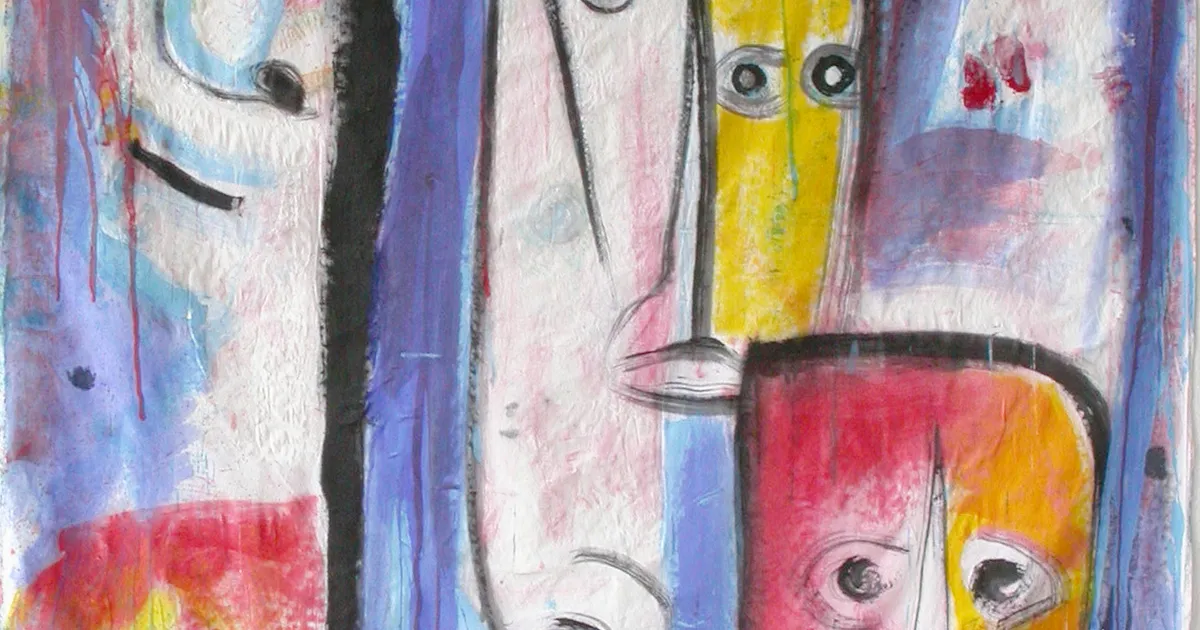
- Born in Togo, EL Loko studied at the Düsseldorf Art Academy in the 1970s, among others under Joseph Beuys, and is regarded as one of the most important pioneers of contemporary African art in Germany. His artistic practice, spanning more than four decades, encompassed printmaking, painting, sculpture, installation and poetry. EL Loko saw himself as a bridge-builder between cultures. In particular, his bodies of work Cosmic Letters and World Faces reflect his search for a universal visual language and an open, unbiased view of humanity. Through his art, he sought to transcend national boundaries and the barriers created by colonial history, while emphasizing both the diversity of humankind and the universality of culture. In 1998, the Niederrheinischer Kunstverein presented works by EL Loko in Kalkar in the exhibition Gesichter, Malerei und Skulptur ( Faces, Painting and Sculpture ). The Kunstverein also holds several of his works in its collection, which are on view at Haus Eich. September 2026 marks the tenth anniversary of EL Loko’s death. On this occasion, we honour his extensive artistic legacy with a major solo exhibition.
El Loko – Art and Cosmos
Until 25 Oct 2026
ARTCO GALLERY
Gallery / art space
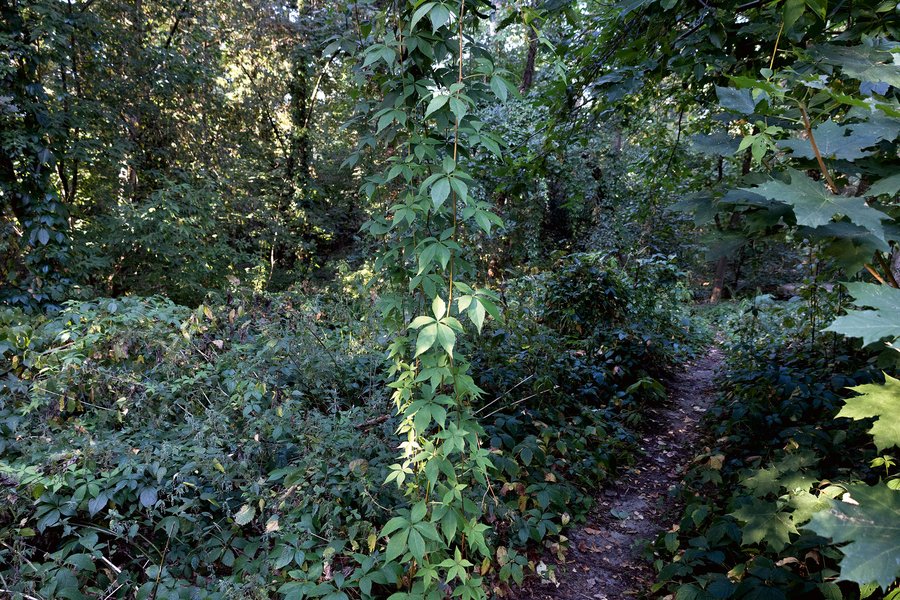
- Anfang des 20. Jahrhunderts verließen Erich Heckel, Ernst Ludwig Kirchner, Max Pechstein und Karl Schmidt-Rottluff die Städte, um in der Natur zu arbeiten. In ihren Gemälden, Zeichnungen und Druckgrafiken feiern sie die Landschaft als das Lebendige, den menschlichen Körper als dynamisches Sein. 100 Jahre später werden diese Bilder, von allen natürlichen Einflüssen geschützt, ausgestellt und verwahrt. Zum Schutz der Kunst achten Museen darauf, dass Temperatur und Luftfeuchtigkeit gleich bleiben. Dieses museale Bewahren der Kunstwerke führt zugleich zu einem großen Ressourcenverbrauch. Wie kann eine neue Beziehung zwischen Kunst und Natur, Abbild und Realität entstehen? Das Brücke-Museum möchte sich diesem Gedanken öffnen und schafft auf seinem Waldgrundstück einen Lehrpfad, um zu ergründen, was wir künstlerisch in der Natur sehen, lernen oder erfahren können. Wie funktioniert die Schönheit der Lebendigkeit, welchen Wert hat Vergänglichkeit und was passiert in dem Kreislauf der Jahreszeiten? Für das Projekt wurden Guerilla Architects, Mirja Busch, Club Real, El Conde de Torrefiel, Andreas Greiner, Jenny Kendler und Michael Meier & Christoph Franz eingeladen, Werke zu entwickeln, die den Blick auf die Natur erweitern, das Zusammenleben aller Lebewesen thematisieren oder Prozesse der Verwesung künstlerisch sichtbar machen. Bei der Herstellung wurde möglichst ressourcenschonend und klimaneutral agiert. Die Werke sind im Gegensatz zum musealen Raum dem Klima und Wetter ausgesetzt. Sie werden von den Bienen betreut und den Füchsen bewacht. Der Waldpfad wurde in Zusammenarbeit mit den Landschaftsarchitekt*innen des atelier le balto realisiert, deren Arbeit sich durch eine ökologisch nachhaltige und künstlerische Herangehensweise auszeichnet. Sie schaffen ästhetische Orte der Begegnung und des Austauschs in der Natur. Seit 2021 revitalisieren sie das Grundstück des Brücke-Museums mit einer Serie von gärtnerischen Interventionen: im Eingangsbereich, im Innenhof, im Garten und im Wald. Im Juli 2026 wurde der von ihnen geschaffene Waldpfad auf das benachbarte Grundstück des Forstamts erweitert. Der Waldpfad ist naturbelassen und nicht barrierefrei – bitte beachten Sie, dass das Betreten auf eigene Gefahr erfolgt.
Draußen... Im Museum 5. Jul – 25. Okt 2026
Until 25 Oct 2026
Brücke Museum
Museum / institution
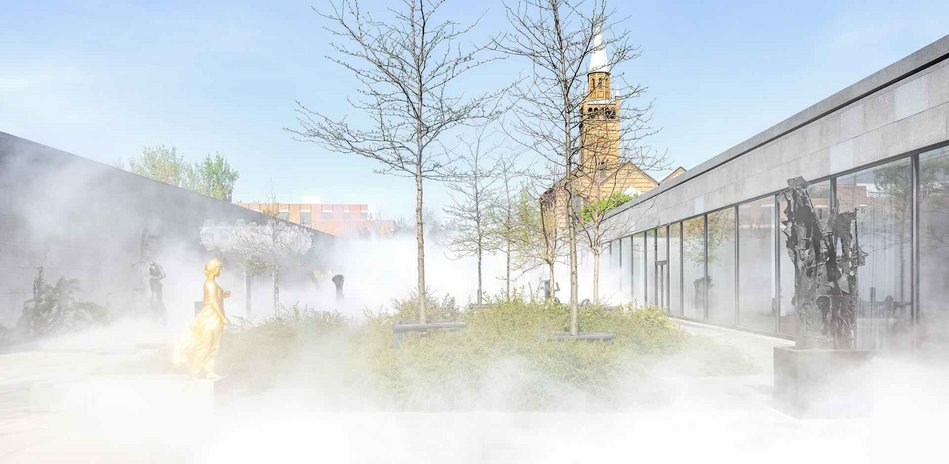
- Wegen des großen Publikumsinteresses präsentiert die Neue Nationalgalerie auch in diesem Jahr die ortsspezifische Nebelskulptur der japanischen Künstlerin Fujiko Nakaya in ihrem Skulpturengarten. Nakayas Nebelskulptur bespielt so monumental wie ephemer die ikonische Architektur Mies van der Rohes und eröffnet einen intensiven Dialog der Besuchenden mit ihrer unmittelbaren Umgebung und sich selbst. Nakayas Nebelskulpturen überschreiten die traditionellen Grenzen der Bildhauerei, indem sie vorübergehende und grenzenlose Transformationen erschaffen, die das Publikum einbeziehen und der Atmosphäre eine formbare Gestalt verleihen. Ihre Werke laden die Besucher*innen ein, den natürlichen Elementen in Echtzeit zu begegnen – in flüchtigen, ortsspezifischen Situationen, in denen sich die Grenzen zwischen Natur und künstlerischer
Fujiko Nakaya. Nebelskulptur im Skulpturengarten der Neuen Nationalgalerie
Until 25 Oct 2026
Neue Nationalgalerie
Museum / institution
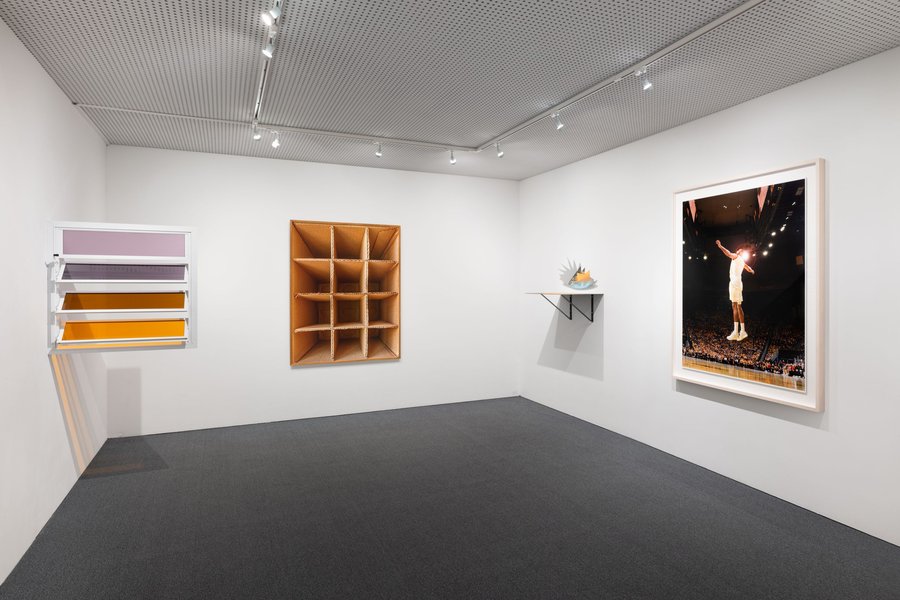
- carlier | gebauer, Berlin, is pleased to present the group exhibition Shine a Light, featuring works by Sebastián Díaz Morales, Dor Guez, Lúcia Koch, Paul Pfeiffer, Laure Prouvost, Jessica Rankin and Nida Sinnokrot. Light is inseparable from the act of seeing, but what it reveals is never fixed. It can sharpen our attention, distort what lies before us, transform a space, or make something perceptible that might otherwise go unnoticed. Across the exhibition, light takes on different material and metaphorical forms, becoming a means through which the artists explore perception, visibility, memory, emotion, and possibility. In the presented photographs, sculptures, and drawings, light is both subject and active element. Sebastián Díaz Morales uses light to construct images that exist somewhere between the visible and the imagined. This presented fragment from a 47-shot video Oracle has been recreated as a light-box drawing, functioning like a reverse storyboard. Dor Guez explores visibility, memory, and trace in his series Khobiza, where wild plants gathered during times of hunger and war are preserved between drying and decay, appearing almost as fragile human silhouettes and becoming testimonies of survival and loss. Lúcia Koch alters the relationship between light and architecture, using colour, scale, and modified structures to unsettle our experience of space. Laure Prouvost similarly plays with perception through reflection, creating images that shift as the viewer moves around them, blurring the boundary between reality and fiction. Paul Pfeiffer’s Four Horsemen of the Apocalypse is a famous photo series derived from Albrecht Dürer´s eponymous woodcuts. The photos show individual basketball players in front of the spectators, freed from all identifying features, in triumphant, thunderous poses. His work examines how the gaze can transform athletes into figures of devotion and admiration. In Jessica Rankin’s work, light enters through language and poetry, carrying associations of guidance and hope. Nida Sinnokrot’s Flight – Jalazone takes this idea into the open air, where tiny LED lights attached to pigeons from local coops send waves of light across the sky becoming gestures of freedom and possibility. Rather than offering a single understanding of light, the exhibition brings together different ways of encountering it: as something physical and intangible, intimate and expansive, fleeting and persistent. What appears in one work as reflection may become atmosphere in another, while elsewhere light functions as a trace, a signal, or a way of imagining what is not yet visible. The works ask us to remain attentive to the conditions through which things become visible, carrying the gaze from one work to another and creating a path through the exhibition. In shifting between what is revealed and what is withheld, Shine a Light leaves perception open-ended. The experience becomes less a matter of finding a definitive image than of allowing our understanding to change with the way we look.
Shine a Light
Until 28 Oct 2026
Carlier / Gebauer
Gallery / art space
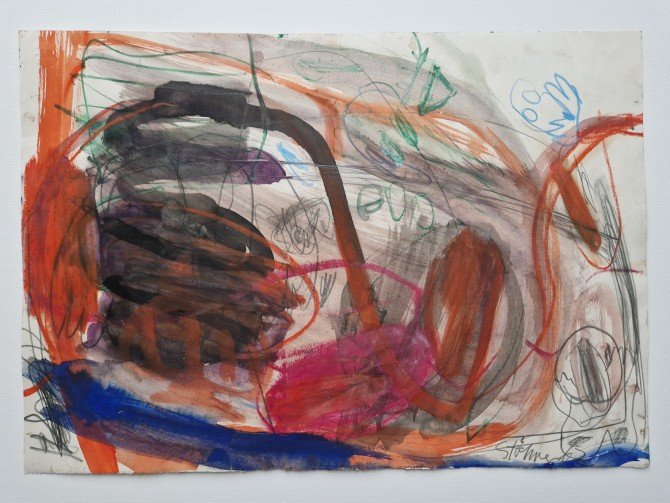
Collection Nothelfer. Selection of works from the 1960s to the present
Until 30 Oct 2026
Galerie Georg Nothelfer
Gallery / art space
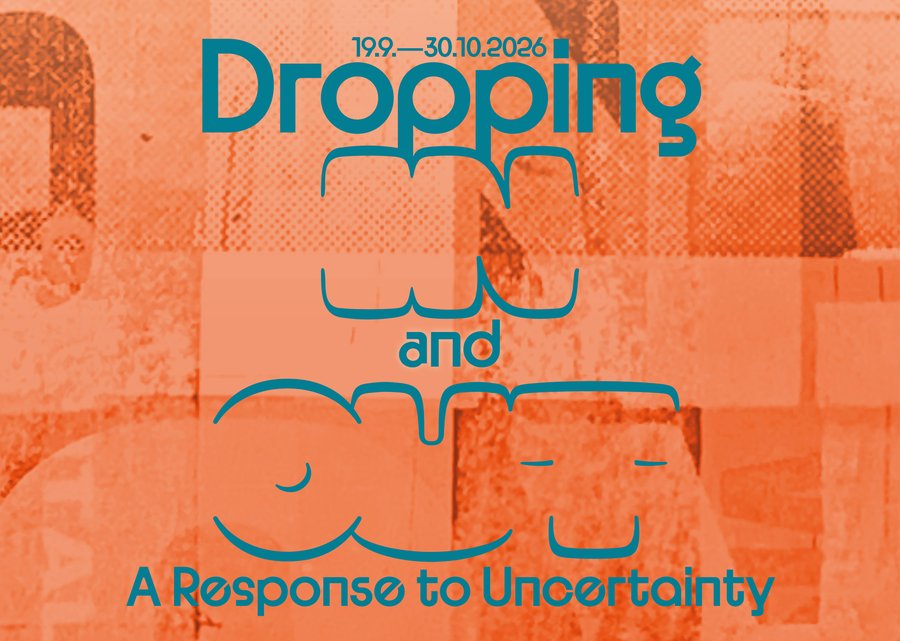
- Dropping In and Out — A Response to Uncertainty brings together artistic and scholarly perspectives that engage with the ruptures and detours in the biographies of deceased artists and historical female figures across various disciplines. Instead of linear success stories, the works unveil multifaceted narratives of exclusion, resistance, care, and communal forms of knowledge. Drawing on biographical research, letters, and artistic works, the exhibition presents multimedia pieces that emerged from an open dialogue within the framework of the interdisciplinary, artist-research project of the same name. The researchers engage, at times in deeply personal ways, with the lives of women from past centuries. In doing so, they reveal not only their own relationships to these historical figures, but also lesser-known episodes and developments in the women’s lives and work.
Dropping In and Out – A Response to Uncertainty
Until 30 Oct 2026
ALPHA NOVA & GALERIE FUTURA
Gallery / art space
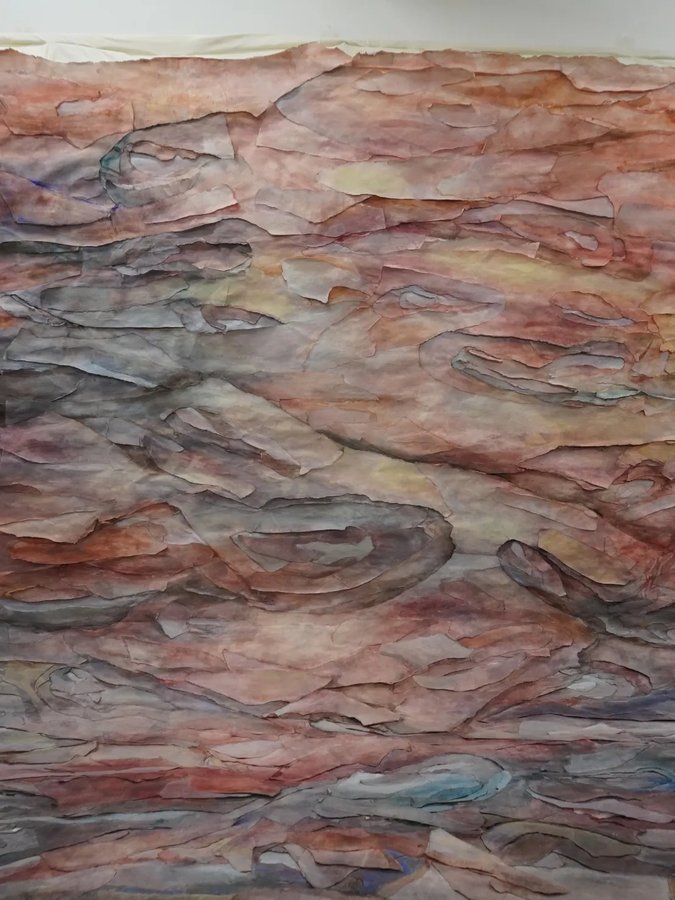
- Presented by Eka Enukidze and Herve Mikaelof, in Medea—Fragments of Memory, Georgian artist Tamara Kvesitadze unveils a new body of work conceived specifically for the historic spaces of...
Tamara Kvesitadze – Medea—Fragments of Memory
Until 31 Oct 2026
68projects
Museum / institution
- Foyerausstellung am Pariser Platz
Harf Zimmermann: BRAND WAND
Until 31 Oct 2026
Akademie der Künste – Pariser Platz
Museum / institution
- Search for “exuvia” online, and the screen fills up with insects. More specifically, insect husks. Their inhabitants are long gone. All that remains are abandoned remnants that still convey a lingering sense of vitality, although they now consist of nothing more than lifeless matter. In her solo exhibition Exuvie, Marie Schubert studies what is left behind and the husks that remain.
Marie Schubert Exuvie
Until 31 Oct 2026
GALERIE ANTON JANIZEWSKI
Gallery / art space
- SEE / SAW is a two-gallery, two-artist exhibition by AOA;87 contemporary (Berlin) and R Gallery (Malta), presented on the occasion of Berlin Art Week 2026. It brings together new works by Madeleine Fenwick (b. 1988, London; lives in Valletta) and Kane Calì (b. 1983, Malta) – two positions that arrive at the same insight from opposite directions: balance is not a state. It is a negotiation between two weights. A seesaw only works with two. It knows no equilibrium worth having – only the living correction between rising and falling, between me and you, between here and across the sea. This is the condition SEE / SAW examines: how we position ourselves – with the body, with perception, with material – inside structures we have not chosen and cannot leave. Instability is assumed. What the exhibition negotiates is what criticism has rarely addressed: the practice of remaining upright. Fenwick builds systems from brass, steel and neon – materials that do not conceal tension but embody it. Organised around conceptual pairs held in proximity without resolution – He said / She said, Desire / Peace – her works follow a cyclical logic in which desire generates rivalry, rivalry generates crisis, and crisis generates a provisional order that does not hold. The viewer, catching their own reflection in polished surfaces, is not an observer but another variable in the system. Calì approaches the same condition through its mediated surface. Treating the frozen image – the press photograph, the iconic silhouette – as a small metaphysical untruth, he translates imagery of contemporary conflict into three-dimensional metal reliefs. In War Hole: Destabilising the Witness, the flatness of the digital image breaks against the materiality of the metal that resists it. Each work has exactly one angle of clarity. Those who move, lose it. Seeing
Equilibrium
Until 31 Oct 2026
AOA;87
Gallery / art space
- In the objects that surround us, there are functions that time has rendered obsolete, stories hidden beneath the surface. A forgotten meaning, an interrupted gesture, a material that still bears the memory of a past use. Chairs, magnets, pieces of plastic, scraps of rubber… all familiar elements which, when torn from their context, seem to elude their own definition. The exhibition Triangulations is part of this practice of reconfiguration, like a space where points of reference shift. Much like parallax–that shift in perspective which transforms what we thought was stationary–Ginette Legaré’s work is built upon the instability of perspectives. Here, the object reveals itself and then eludes us. We must therefore learn to observe it differently: to move closer, move further away, circle round it, seek an angle that did not yet exist. In this case, looking is not synonymous with recognising. Legaré is interested in found or salvaged objects and the systems of meaning to which they belong. These discarded materials are thus diverted from their original context and brought together according to different logics, like fragments of a language to be reinvented. What was once intended to assemble, support, close, suspend or contain is thus imbued with a new purpose: that of lending itself to unexpected encounters. However, these encounters (and their interpretations) remain in a state of constant flux. For example, the work Parallactic literally plays on the variation in the viewer’s perspective: constructed from reclaimed wood and a metal fastener, the object appears to change depending on the position from which it is viewed. Perception thus becomes a material in its own right, as malleable as the elements that make up the works. The titles themselves also seem to play a part in these shifts. Either/Or, Under Erasure, As it turns out, From end to end, Upstaged: through suggestion, language becomes, in a sense, an additional material, opening up new possibilities for interpretation. This focus on the gaze ties in with a memory that continues to linger in the artist’s mind: that of a time when understanding the world meant, first and foremost, observing it, before the explanations and knowledge of others came to define its contours. Through this way of approaching the unknown, everything (and its possibilities) thus remains open, undefined. Legaré’s approach remains imbued with this initial openness. Her assemblages seek not so much to resolve the enigmas they raise as to allow them to unfold. For her, this element of uncertainty is not an obstacle; it is a space. Her practice reflects a tactile and intellectual curiosity that prioritises detours over categorical answers and lingers where things cease to be self-evident. Beyond being a series of playful and unconventional constructions, Triangulations functions as a genuine succession of perceptual situations, within which multiple interpretations can coexist. By transforming the ordinary without ever erasing it completely, the artist brings forth a different perspective–not necessarily a more accurate one, but a new one. And in that slight shift of the gaze, the world, for a moment, regains a touch of mystery.
Ginette Legaré : Triangulations
Until 31 Oct 2026
ART MÛR BERLIN
Museum / institution
Si quelque chose noir
Until 31 Oct 2026
Galerie Buchholz
Gallery / art space
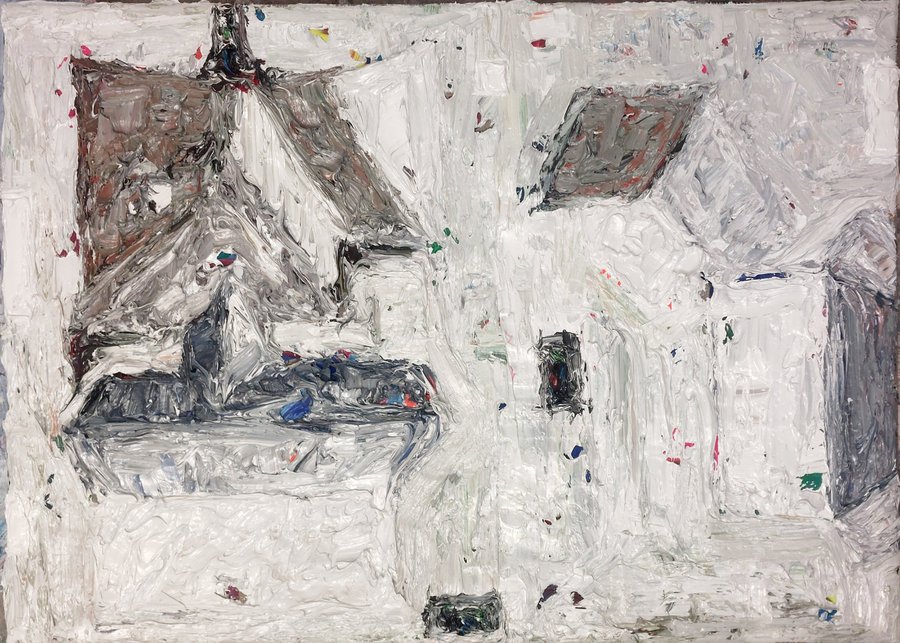
- Berlin-based artist Clemens Krauss is renowned for his pastose paintings, in which he explores the relationship between the individual and the larger collective. With his new series Sediments, he turns his attention for the first time to the world of objects, the tangible and physical presence. Replacing the human figure, Krauss now presents buildings, surfaces, and everyday objects as vessels of temporality, history, and memory. In doing so, he shifts the focus from interpersonal relationships to the corporeality of things, while simultaneously articulating a distance from an anthropocentric perspective. The artist's characteristic thick, impasto application of paint remains central to the work. Layer by layer, Krauss deposits oil paint onto the canvas, creating relief-like surfaces that evoke geological sediments. Like natural processes of accumulation, time, movement, and material condense into complex, stratified structures. This principle of layering also reflects a fundamental aspect of his artistic thinking: the psychoanalytic uncovering of hidden strata. Meaning does not emerge immediately but gradually develops through the accumulation of material and visual layers. Light and shadow activate these sculptural surfaces, opening shifting perceptual spaces between image and object, surface and depth. Beneath the upper layers of paint, vivid flashes of color repeatedly emerge like traces of memory, revealing earlier states and making the temporal dimension of the painting process visible. Psychoanalysis provides a conceptual framework in which body, material, and history are understood as inseparable. Drawing on Sigmund Freud's famous assertion that "the ego is first and foremost a bodily ego... ultimately derived from bodily sensations, chiefly those springing from the surface of the body," corporeality becomes the foundation of psychic organization. In this sense, Krauss regards psychoanalysis as one of the few disciplines capable of bringing together matter, self-perception, memory, and subjectivity. The new works originate in observations of urban environments. Architecture appears not simply as built form but as a sedimented repository of cultural, historical, and material processes. Materials such as stone, clay, concrete, and water possess their own temporality and material memory. In Krauss's paintings they acquire an autonomous corporeality—understood as a sedimented relationship between material, time, and environment. The works thus unfold a productive tension between construction and erosion, geometric order and painterly gesture. Sediments does not represent a rupture but a logical continuation of Krauss's artistic practice, in which the boundaries between organic and inorganic matter, psychic and material history, as well as between image and object, increasingly dissolve.
Clemens Krauss
Until 31 Oct 2026
Galerie Crone
Gallery / art space
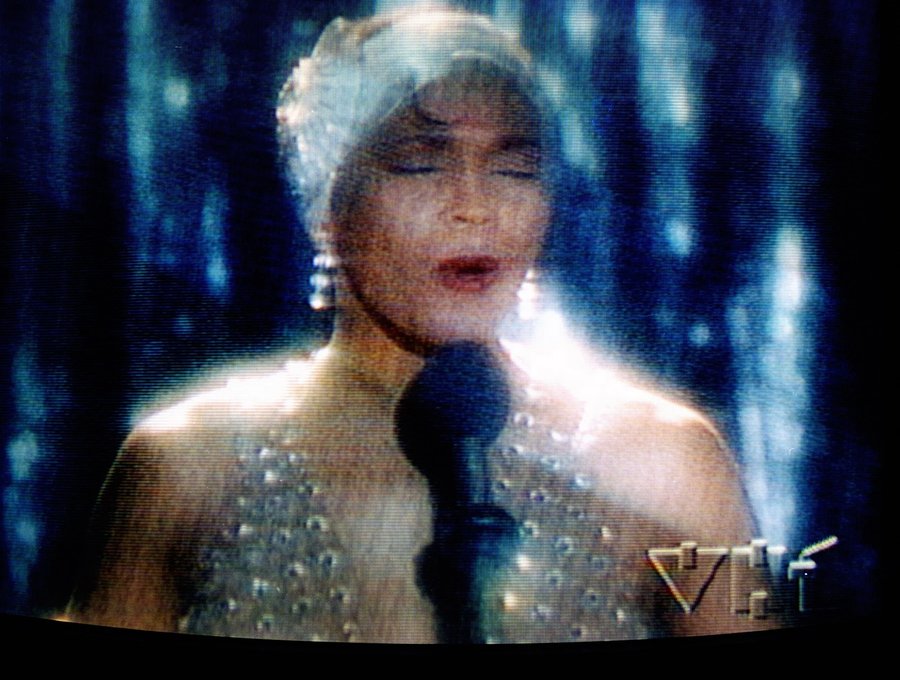
- September heralds the approaching end of summer. Those who went on holiday are now returning to work or school. Those who stayed have to get used to the higher velocity of daily life. In this first month of the new season, we cling to memories of lazy, hot afternoons, recall memorable experiences and summer loves, while already preparing for new challenges and embracing the upcoming change. In the group exhibition “September,” GNYP Gallery presents works by six gallery artists that loosely address the subject of transformation, each in their own way. Kaifan Wang’s work Dead Rooster III from his series Bedtime Stories recalls the artist’s early childhood in China, when his grandmother would tell him stories during their afternoon naps. In these highly atmospheric paintings, memories become fantasies, myths become hallucinations—the work captures the state of becoming. In the lesser-known photographs made by Wojciech Fangor in the 1980s and 1990s, the artist displays his fascination with a medium that, according to him, would completely change our social relationships. Visionary as Fangor proved to be in many fields, he investigated the weird appeal of the medium that
Wojciech Fangor, Christopher Hartmann, Harrison Pearce, Elsa Rouy, Aistė Stancikaitė, Kaifan Wang · 王凯凡 September
Until 31 Oct 2026
GNYP Gallery
Gallery / art space
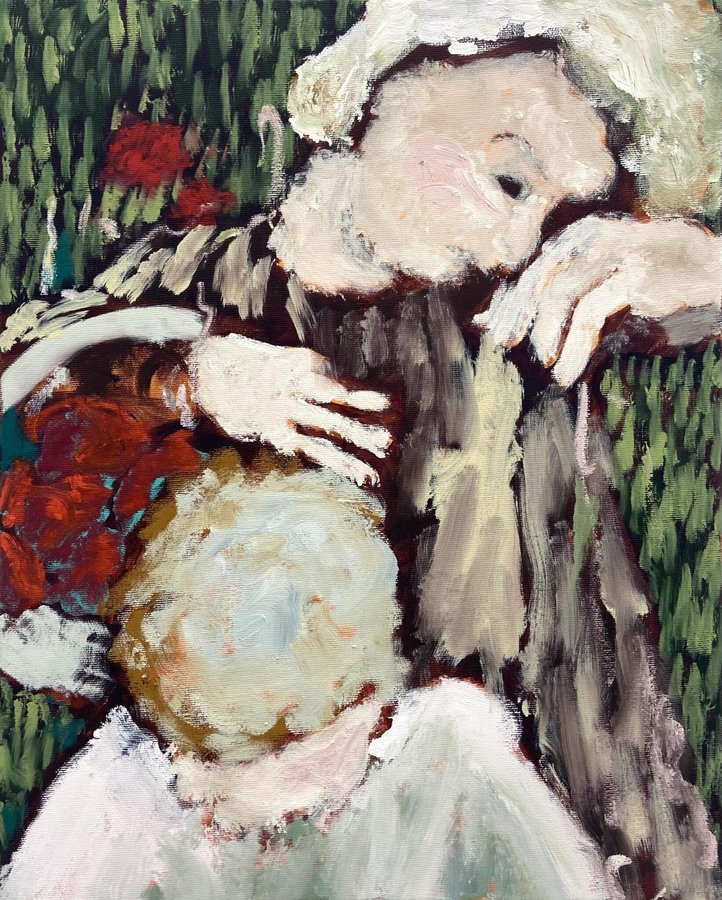
- Haverkampf Leistenschneider freut sich, mit Maxi Thom eine spannende neue Stimme der zeitgenössischen Berliner Malereiszene vorzustellen. Derzeit in der Klasse von Prof. Friederike Feldmann und Prof. Nader Ahriman an der Kunsthochschule Berlin Weißensee, widmet sich Thom in seiner Arbeit den vielschichtigen Nuancen menschlicher Interaktion. Seine dichten, expressiven Kompositionen bewegen sich in den Zwischenräumen von Nähe und Distanz, Intimität und Entfremdung. Beeinflusst von der choreografischen Sprache Pina Bauschs und den intimen Interieurs Édouard Vuillards, übersetzt Thom flüchtige körperliche Ausdrucksformen in bleibende malerische Intensität. Seine Figuren verhandeln ihre Präsenz im Raum durch subtile Gesten und konfrontieren den Betrachter mit emotionalen Zuständen jenseits der Sprache. Thoms Arbeiten markieren eine kraftvolle Weiterentwicklung figürlicher Malerei, die das Verletzliche und das
MAXI THOM | Gallery Cabinet
Until 31 Oct 2026
Haverkampf Galerie
Gallery / art space
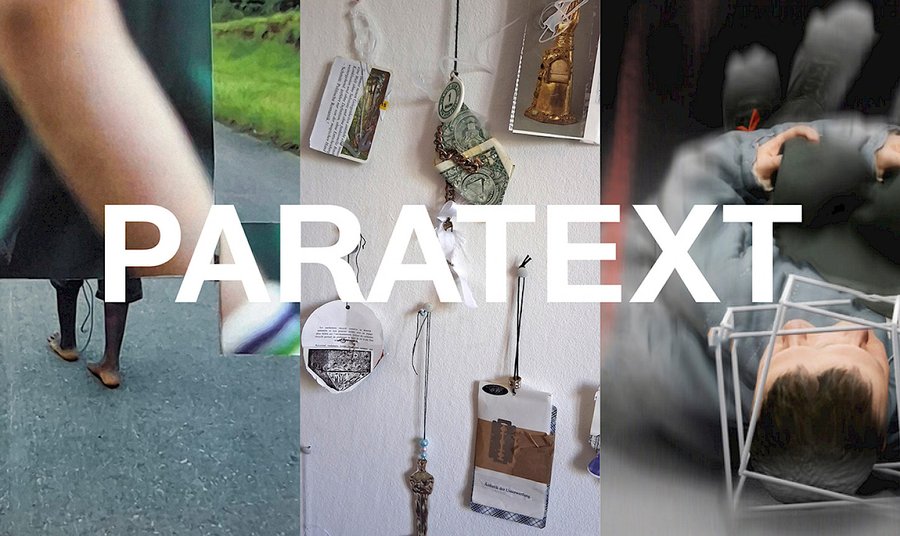
- Sophia Eisenhut (b. 1995, Regensburg, Germany) is an artist and author. She studied art history, language arts and fine arts in Leipzig and Vienna. She lives and works in Berlin. Her artistic practice includes writing and performance as well as multi media installations, drawing, artistic research, and artist books. Heinrich Dunst (b. 1955, Hallein, Austria) lives and works in Vienna. Dunst creates spatial interventions and performances that navigate the gap between what can be seen and what can be said, the untranslatability of one form into another, and the contextual nature of spatial presentations. Solo exhibitions include Halle für Kunst Steiermark, Graz (2023), Secession (2014), Museum für angewandte Kunst, Vienna (1997) among others. Simon Lehner (b. 1996, Wels, Austria) is a Vienna-based artist working in photography and time-based media. A graduate of the University of Applied Arts Vienna, his practice explores identity, memory, and the psychological impact of contemporary image culture. His work has been exhibited internationally at institutions including Kunstmuseum Bonn, Kunsthaus Zürich, Museum Morsbroich and Leopold Museum, and has been recognized by the FOAM Talent Award, the OE1 Talentfund, and numerous international awards and nominations.
Paratext
Until 31 Oct 2026
KOW
Museum / institution
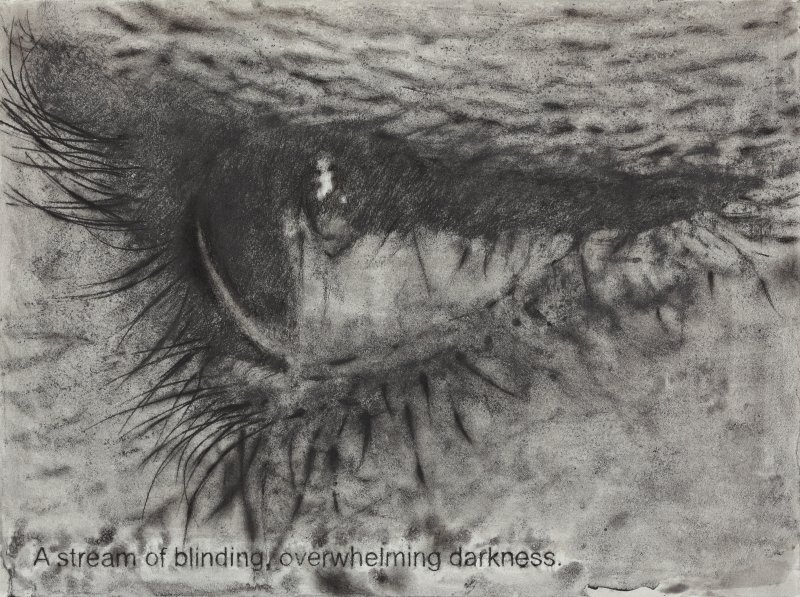
- As part of Berlin Art Week 2026, Persons Projects is proud to present Rhizome, a solo exhibition by Paweł Książek, bringing together the black-and-white drawings of the Narrations series and a selection of his new paintings. The exhibition unfolds as a collection of ideas, images, and associations rather than a single, linear story. Within the works, visual form and language enter into dialogue, creating a space where the visual and the written coexist in tension and resonance. Książek’s mastery of both drawing and painting is evident throughout the exhibition, with his precise control of line, tone, and light giving the works a remarkable intensity and presence. The title Rhizome refers to the philosophical concept developed by Gilles Deleuze and Félix Guattari. Unlike a tree, which grows from a single root and follows a clear hierarchy, a rhizome develops in many directions at once. Any point can connect to another, without a fixed beginning or end. In relation to art, the idea suggests an open structure in which images, thoughts, memories, and references form unexpected connections. Książek’s exhibition follows this principle: each work remains autonomous while becoming part of a wider network of ideas. The black-and-white drawings of the Narrations series bring together image and text, fragments of bodies, faces, mechanical forms, textures,
Rhizome
Until 31 Oct 2026
Persons Projects
Gallery / art space
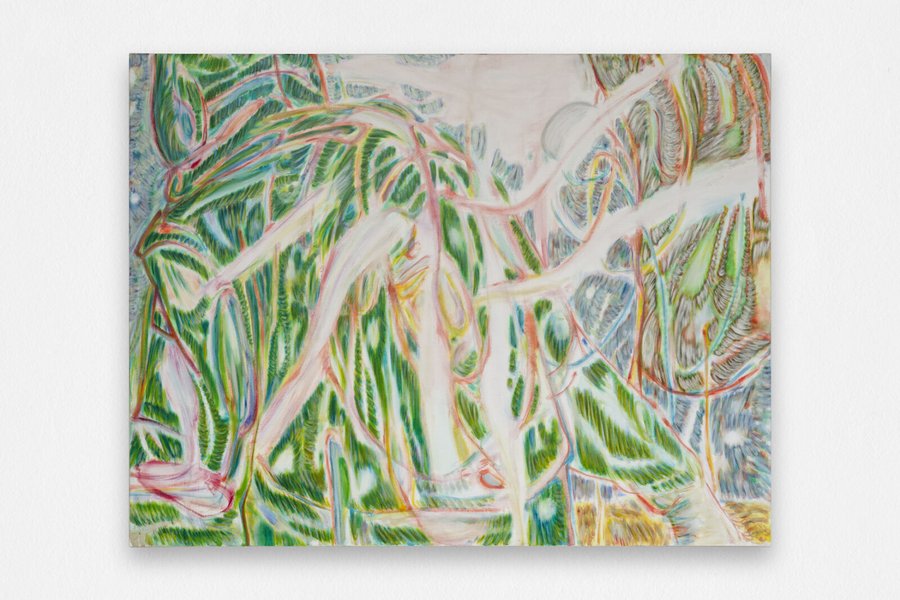
Achraf Touloub Pleiades
Until 31 Oct 2026
Galeria Plan B
Gallery / art space
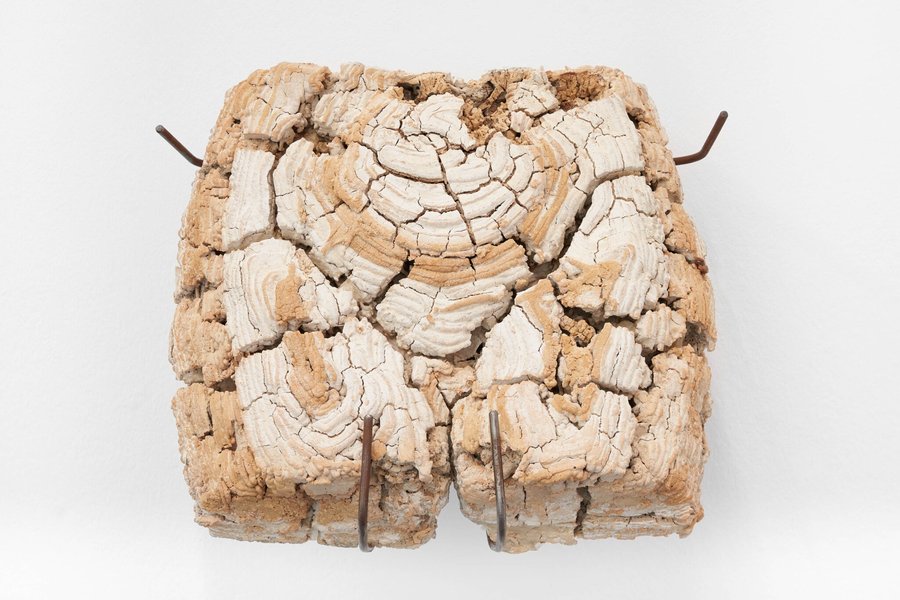
- Western culture has long relied on the notion that the world is made up of fixed, enduring substances. Matter is stable, its contours conveniently discrete, so that it can be measured, tested, and proven. This worked like a spell, one that cast the West’s hegemony over the rest of the world, enabling extraordinary scientific achievement as well as immense ecological destruction.
The Seed Is the Tree Is the House
Until 31 Oct 2026
Galerie Tanja Wagner
Gallery / art space
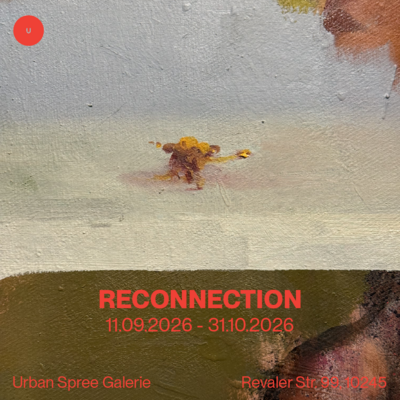
- We start the post-summer program with a group show of 14 local & international artists, part of the works exhibited are from the collection, and most of them are new pieces, fitting our envies for this fall. Pablo Tomek / Howtokillagraffiti / Philip Hedegaard / Johannes Mundinger // Takeru Amano // Czarnobyl // Makoto Inoue // Bisco Smith // Sicoer // Stohead // Barkin Karabas & Izzy Benigno // Snyder // 1UP Crew
Reconnection
Until 31 Oct 2026
Urban Spree
Gallery / art space
- During Berlin Art Week 2026 Dorothée Nilsson Gallery is presenting the solo exhibition “the now and then” with Swedish artist Henrik Strömberg. Working with sculpture, glass, and photography, Strömberg often merges the various media in overarching spatial installations developed to comprise the interaction between sculptural volumes, architectural vocabulary and the use of found objects and collected, reused materials.
HENRIK STRÖMBERG | the now and then
Until 7 Nov 2026
Dorothée Nilsson Gallery
Gallery / art space
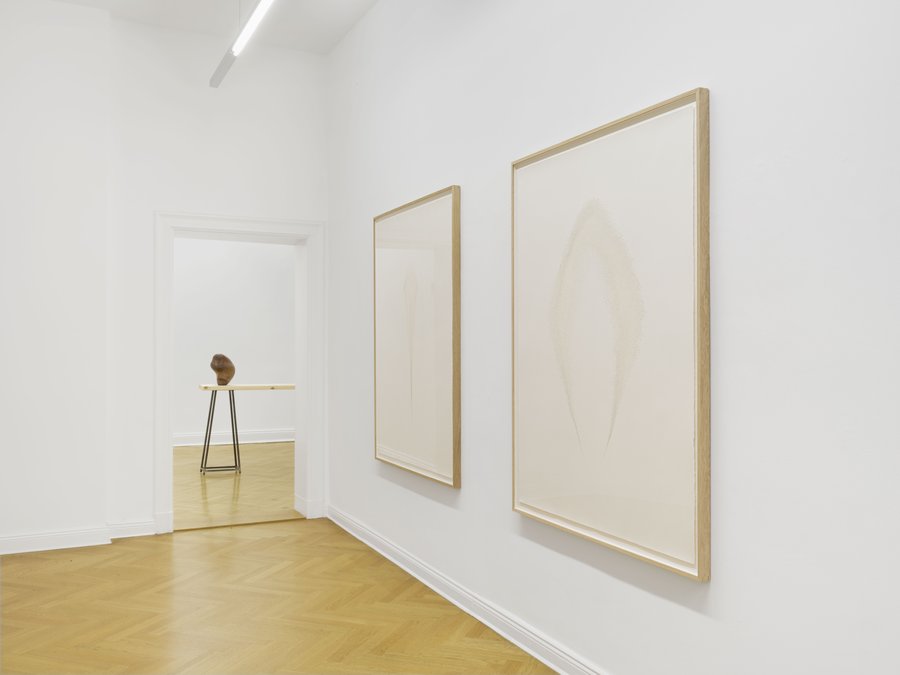
- Wir freuen uns, anlässlich der Berlin Art Week 2026 Claire de Santa Colomas dritte Einzelausstellung in der Galerie Friese zu eröffnen. In der Ausstellung "Urform" zeigt die argentinische Bildhauerin eine sich durch mehrere Räume ziehende Installation ihrer Holzskulpturen. Claire de Santa Colomas (*1983 in Buenos Aires) Praxis kreist um Materialität, Raum und Wahrnehmung. Ausgangspunkt ist das gefundene Stück Holz, das die Künstlerin mit so wenig Eingriffen wie möglich von Hand bearbeitet. Jedes Stück erzählt etwas über seine Herkunft und das Verhältnis des Menschen zu seiner Umgebung. De Santa Colomas Skulpturen erinnern an vom Wasser glatt geschliffene Steine, an Organe oder Eier – archaische "Urformen", so vertraut, als wären sie immer schon dagewesen. Formen, die dem Menschen vorauszugehen scheinen und ihn doch brauchen, um zu erscheinen. Zugleich stehen sie in der Tradition der Klassischen Moderne, insbesondere Brâncușis ikonischer abstrakter Formensprache, an dessen wegbereitende, raumgreifende Setzungen Claire de Santa Coloma auch installativ anknüpft.
Urform Claire de Santa Coloma
Until 7 Nov 2026
Galerie Klaus Gerrit Friese
Gallery / art space
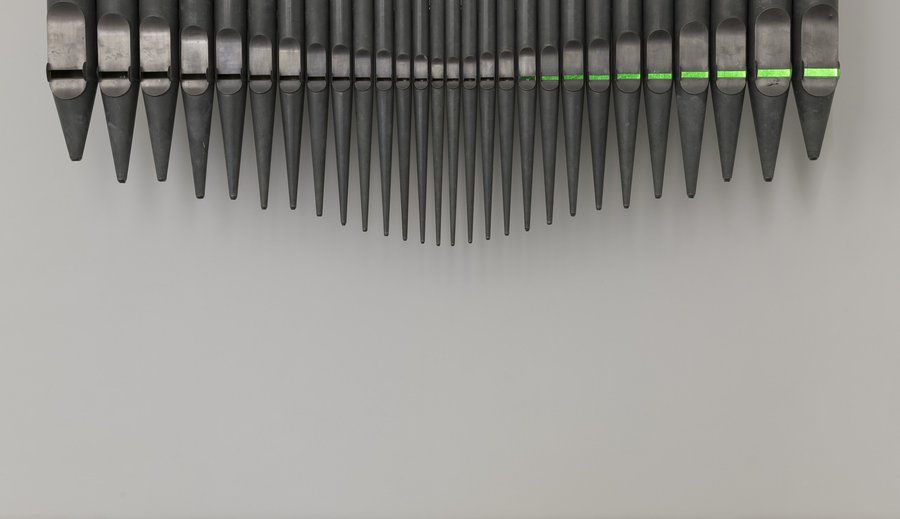
- Galerie Neu is pleased to announce ‘Half-Life of Grace’, the first solo exhibition with the gallery of Berlin-based Canadian artist Jeremy Shaw. The exhibition continues his sculptural investigations into belief and altered states with a new body of work that incorporates scientific propositions, decommissioned spiritual artefacts and materials with toxic properties. In the first room are three wall-mounted sculptures that consist of interconnected Klein bottles. A Klein bottle is a four-dimensional mathematical concept, here represented in three dimensions, that anticipates the shape of a single-sided, non-orientable surface that folds in on itself without end. The sculptures are made from flame-worked borosilicate glass. Inside the chamber of each Klein bottle is the residue of vaporized freebase dimethyltriptamine (DMT); a psychoactive compound that can produce intense psychedelic experiences in humans. In the second room is a wall sculpture that presents a set of 28 facade pipes retrieved from a recently decommissioned Christian church organ built in 1959. The pipes are made of a zinc-based metal alloy and bear traces of age and use in their forms and across their patinated surfaces: bends, dents, fingerprints, scratches, discolouration, engravings, repairs. Inside each pipe is a custom fitted sleeve made of hand-blown Uranium glass, which contains radioactive compounds. Uranium glass was commonly used for decorative glassware beginning in the 1830s and reached peak popularity in the early twentieth century, before ceasing to be produced almost entirely after 1942. Hidden from view inside the pipes are ultraviolet (UV) ‘black lights’, wired to programmed electronic circuitry. When illuminated by UV light, the uranium glass fluoresces a neon shade of green, visible through the ‘mouth’ of each organ pipe. Sound is emitted by transducers fixed inside the pipes and activated in tandem with the glowing glass, creating an animated pattern of light and sound. Jeremy Shaw (b. 1977, North Vancouver, Canada) lives and works in Berlin, Germany. He works across a variety of mediums to explore altered states and the cultural and scientific practices that aspire to map transcendental experience. Recent solo exhibitions include: Towards Logarithmic Delay, Secession, Vienna (2025); Phase Shifting Index, Musée d’art contemporain de Montréal, Montreal & The Polygon Gallery, North Vancouver (2023); Liminals, Frye Art Museum, Seattle (2022); Tracer Recordings, Ordet, Milan (2021); Phase Shifting Index, Centre Pompidou, Paris (2020); and Quantification Trilogy, Julia Stoschek Collection, Berlin and Düsseldorf (2020).
Half-Life of Grace
Until 7 Nov 2026
Galerie Neu
Gallery / art space
- This exhibition celebrates the life and work of Katherine Dunham, a pioneering dancer, choreographer, and anthropologist. It explores her groundbreaking contributions to modern dance and her impact on American culture through costumes, films, photographs, and personal artifacts.
Katharina Sieverding : Life–Death
Until 7 Nov 2026
Galerie Thomas Schulte
Gallery / art space
- Zur Ausstellung sind Sie herzlich eingeladen. Ein PDF-Katalog ist auf Anfrage verfügbar.
Walther Schwiete - AUF STREIFE
Until 7 Nov 2026
Rasche Ripken Berlin
Museum / institution
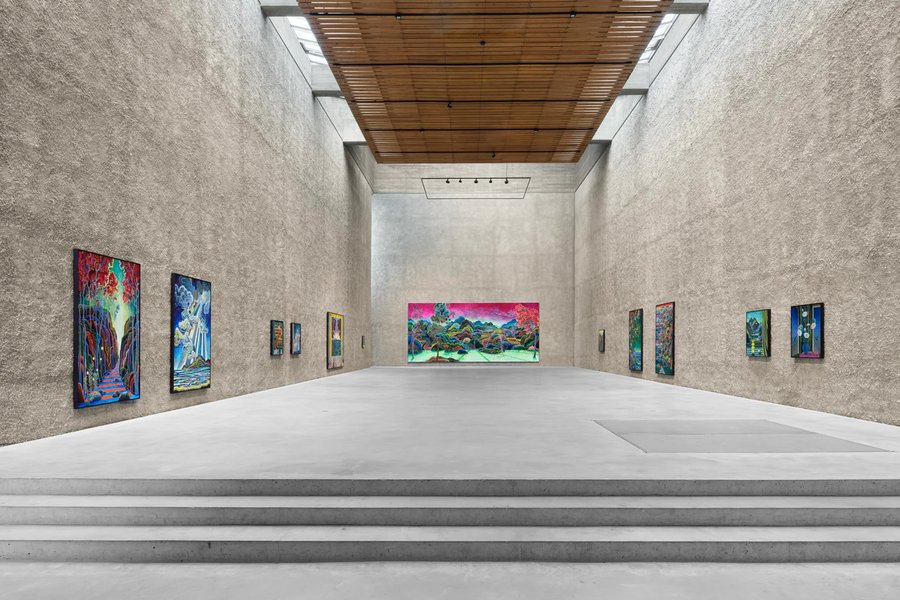
- KÖNIG GALERIE | NAVE ALEXANDRINENSTRASSE 118–121, 10969 BERLIN 9 SEPTEMBER – 8 NOVEMBER 2026 BERLIN ART WEEK OPENING 8 SEPTEMBER 2026 | 6 – 9 PM KÖNIG GALERIE is pleased to present ECHOTROPIA, Christian Achenbach’s third exhibition with the gallery. The exhibition unfolds around GENESIS, a monumental painting created especially for the Nave of St. Agnes. Structured by an extraordinary color palette of bright yellows, saturated oranges, burning reds, deep blues, and rich greens, Achenbach’s paintings open onto timeless landscapes. His wavy, colorful streaks imbue the pictorial plane much as wind and sound drift through the air. He paints places of echoes, where light and shapes reverberate and
Christian Achenbach Echotropia
Until 8 Nov 2026
König Berlin (St. Agnes)
Museum / institution
- Ausgehend von der Beobachtung, dass der "Osten" verstärkt als kulturelle, ästhetische und politische Projektionsfläche dient, thematisiert das mehrteilige Ausstellungs-, Diskurs- und Publikationsprojekt Projektionen auf den Osten die ideologischen Zuschreibungen, die sich an die Begriffe "Ost" und "West" knüpfen. Internationale Künstler*innen, Wissenschaftler*innen und Autor*innen setzen sich mit historischen und gegenwärtigen Konfliktlinien auseinander – von der DDR-Erinnerungspolitik über Antisemitismus und postsozialistische Transformationen bis hin zu aktuellen geopolitischen Spannungen. Im Zentrum steht die Frage, wie die Dichotomie von "Ost" und "West" unsere Gegenwart strukturiert. Begleitend zu zwei Ausstellungen im n.b.k. und im Schinkel Pavillon führen eine Publikation sowie eine Projektwebseite die künstlerischen Positionen, Forschungsperspektiven und Diskursbeiträge zusammen. Ein umfangreiches Diskursprogramm vertieft die inhaltlichen Fragestellungen zusätzlich. Projektionen auf den Osten ist ein Projekt des Neuen Berliner Kunstvereins (n.b.k.) in Kooperation mit dem Schinkel Pavillon, konzipiert von Fabian Bechtle und Leon Kahane. Gefördert durch die Kulturstiftung des Bundes. Gefördert von dem Beauftragten der Bundesregierung für Kultur und Medien.
Projektionen auf den Osten
Until 8 Nov 2026
Neuer Berliner Kunstverein
Museum / institution
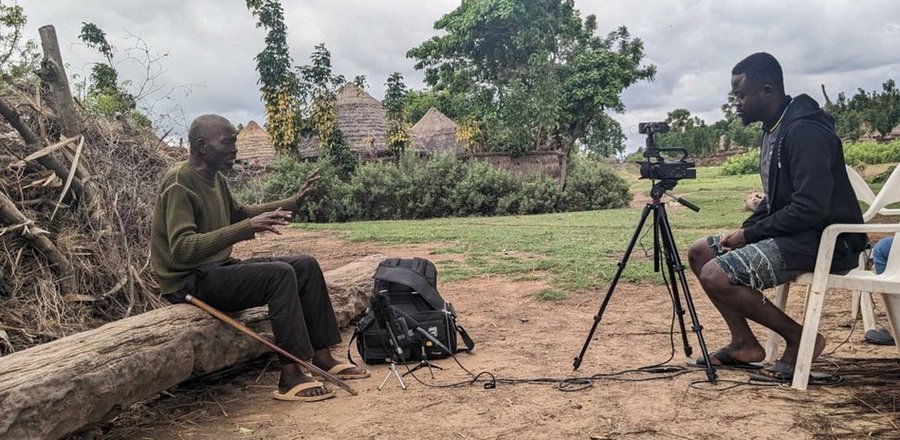
- Die Familie gilt oft als der kleinste, aber wichtigste Baustein der Gesellschaft – überall auf der Welt. Familie und Verwandtschaft bestimmen soziale Beziehungen und Zugehörigkeit durch Geburt, Heirat oder Adoption. Sie prägen soziale Rollen und Erwartungen. Menschen helfen sich gegenseitig und arbeiten zusammen. Sie tragen füreinander Verantwortung und teilen ihre Ressourcen. Verwandtschaftliche Beziehungen beeinflussen, wie größere Gruppen entstehen, Besitz und Traditionen weitergegeben und Aufgaben und Pflichten verteilt werden. In der Familie lernen Kinder erstmals zu kommunizieren, zu sprechen und die Normen und Werte zu verstehen, die das tägliche Leben bestimmen. Innerhalb der Familie werden Sprache und Lebensweisen von einer Generation an die nächste weitergegeben – sei es durch Geschichten, Feste, Ermahnungen und Regeln oder einfache Alltagsgewohnheiten. Auf diese Weise hält die Familie Sprache und Kultur lebendig. Staatliche Maßnahmen und politischer Druck – wie erzwungene Assimilation oder diskriminierende Gesetze – schränken Familienmitglieder ein, ihre Sprache und ihr kulturelles Erbe weiterzugeben. Migration und Vertreibung schwächen die Verbindungen innerhalb und zwischen Familien und Gemeinschaften und beeinträchtigen die Weitergabe von Sprache und Kenntnissen zwischen den Generationen. Die Globalisierung verstärkt diese Dynamiken. Da dominante Weltsprachen im Bildungsbereich, bei der Arbeit und in den Medien immer häufiger werden, verlieren lokale Sprachen und Minderheitensprachen oft an Bedeutung. Gemeinsam bedrohen diese Entwicklungen die kulturelle Identität. Für viele Gemeinschaften ist es schwer, ihre Sprachen und Kulturen in einer zunehmend globalisierten Welt zu bewahren. In den Filmen der Ausstellung werden Sie Menschen aus Indigenen Gemeinschaften begegnen, die ihre Sprache und ihre Kultur dokumentieren, bevor es zu spät ist. In Zusammenarbeit mit dem Endangered Languages Documentation Programme und dem Endangered Languages Archive archivieren sie ihr Material und nutzen es, um Bilderbücher sowie Lern- und Unterrichtsmaterialien für ihre Gemeinschaften zu erstellen. Für diese Ausstellung haben sie ihre Ansichten über die Rolle der Familie und die Bedeutung von Verwandtschaftsbeziehungen festgehalten. Sie beschreiben ihre Lebensweise und die Veränderungen, die sie gegenwärtig in ihren Gemeinschaften erleben.
Verwandt sein Geteilte Sprache, geteiltes Wissen?
Until 9 Nov 2026
Humboldt Forum
Museum / institution
- Die Ausstellung "It’s About Time" von Russell James umfasst mehr als 30 ausgewählte Werke. Eine Vielzahl der fotografischen Arbeiten ist in den Jahren 2025 und 2026 entstanden und wird erstmals weltweit präsentiert. Unter den ausgestellten Werken befinden sich Akte, Porträts und Landschaftsfotografien, die in ihrer Verbindung zueinander die ästhetischen Leitlinien im Schaffen des Künstlers erfahrbar machen. Im Zentrum der Ausstellung steht die thematische und künstlerische Auseinandersetzung mit Persönlichkeiten, die Generationen
It’s About Time
Until 14 Nov 2026

Camera Work
Gallery / art space
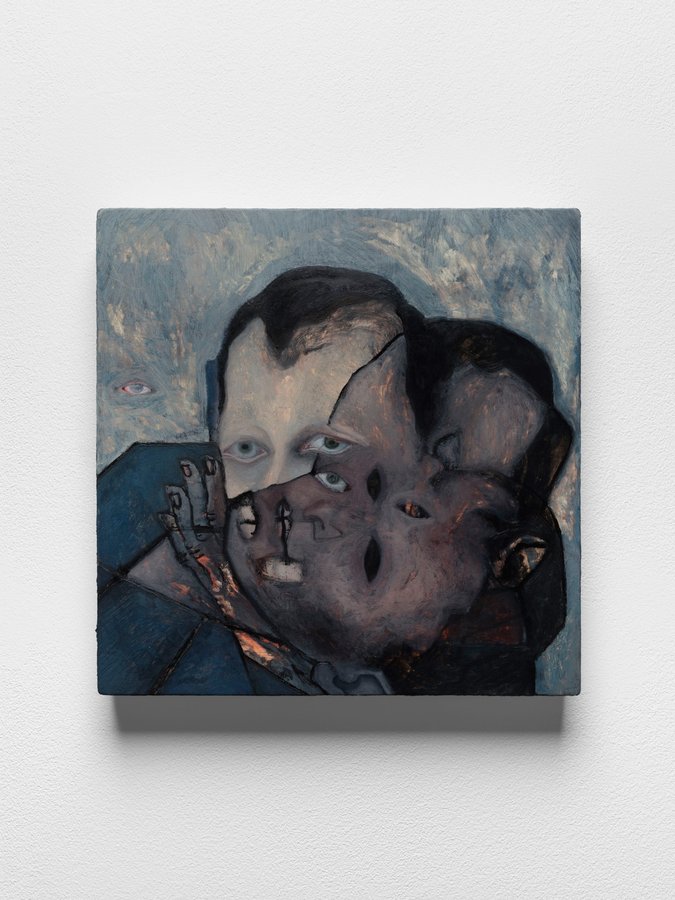
- Nika Kutateladze’s Acacia Bloom loosely tells the story of the myopic focus on fences of a handful of men who remain in a depopulated village amidst an impending—or really ongoing—landslide. Kutateladze spent five years living alongside these holdouts and the largely abandoned, ramshackle houses that populate the staggering beauty of the mountainous landscape. [/PARA_DATE_HINT] Kutateladze was initially compelled to start painting because of his impression that in this depopulated village any sense of exteriority eroded to reveal a base human nature. As such, his paintings begin as portraits of these holdouts, evolving until a deeper or more instinctual form of recognition materializes. Indeed as his own painterly project has developed over the past six years—he studied architecture, then worked primarily in sculpture and installation before starting to paint in 2020—he has continued to probe the possibilities of how to strip back the surface of a face. He approximates such porosity in his portraits as orifices hollow into a ghostly pallor and
Nika Kutateladze: Acacia Bloom
Until 14 Nov 2026
Galerie Molitor
Gallery / art space
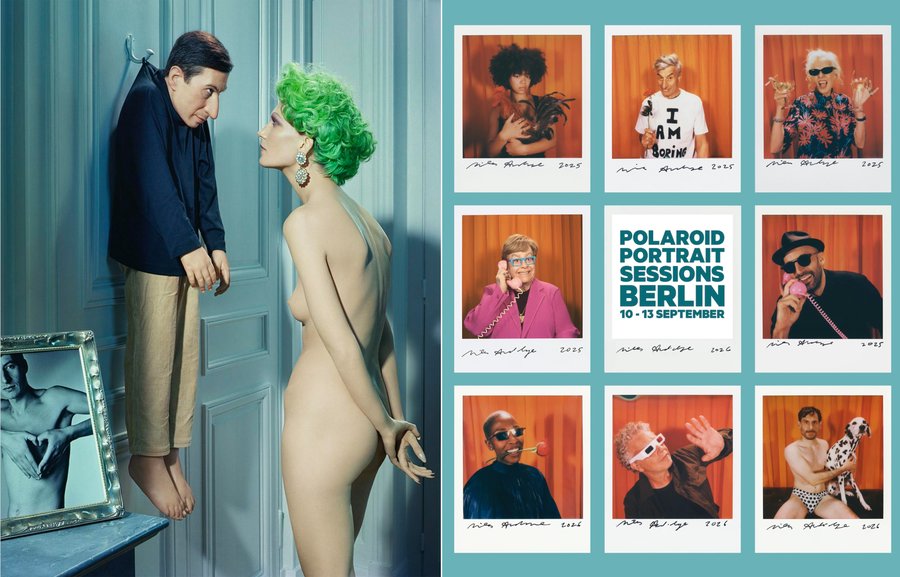
after Cattelan
Until 14 Nov 2026
Michael Fuchs Gallery
Gallery / art space
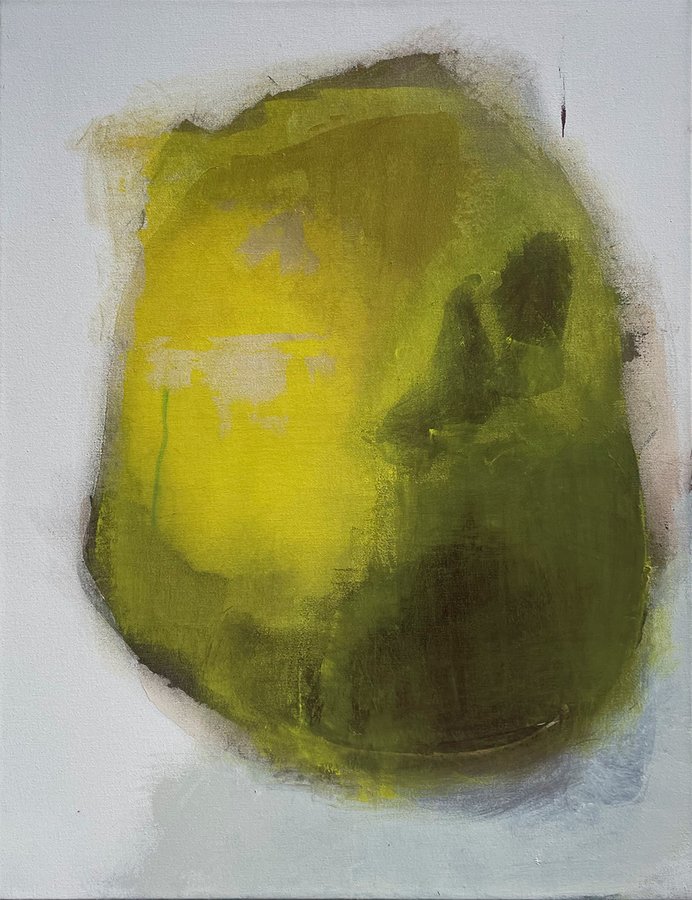
- Lone Haugaard Madsen (born in 1974 in Silkeborg, Denmark) is one of the most relevant female artists of her generation in Scandinavia and beyond. Departing from her studies in humanistic theory of science at Aarhus University and at the Jutland Art Academy in the 1990s, she joined art school at the Vienna Academy of Fine Arts in the early 2000s with a deep skepticism regarding the question of what art can be today, and oriented towards radical institutional critique in the vein of Michael Asher or Gordon Matta-Clark. In her work, which encompasses sculpture, performance, painting and installation, she has been exploring the format she refers to as ‘spaces’ – constellations of found objects and paintings that have been ‘rubbed’ onto found canvases. Skepticism can never be eradicated from the mind of a true artist. Haugaard Madsen is not an artist who is guided by ideas, but rather by a thought process rooted in experience. Gradually, her work is shifting away from the use of various materials in space toward capturing and concentrating the aesthetic presence of these materials and spaces on the canvas using raw painterly techniques. The result is a series of profoundly deep and beautiful paintings—works of art capable of keeping pace with the doubts surrounding contemporary art in a world where contemporary thinking is in decline.
Raum#428-Fumus
Until 14 Nov 2026
Galerie Nagel Draxler
Gallery / art space
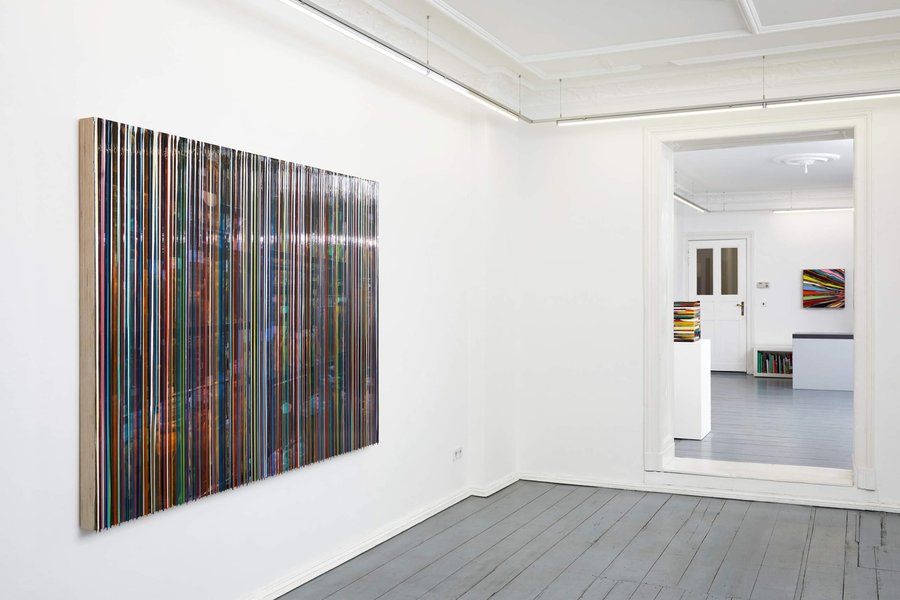
Current: Markus Linnenbrink - Different Levels of Being
Until 14 Nov 2026
Taubert Contemporary
Gallery / art space
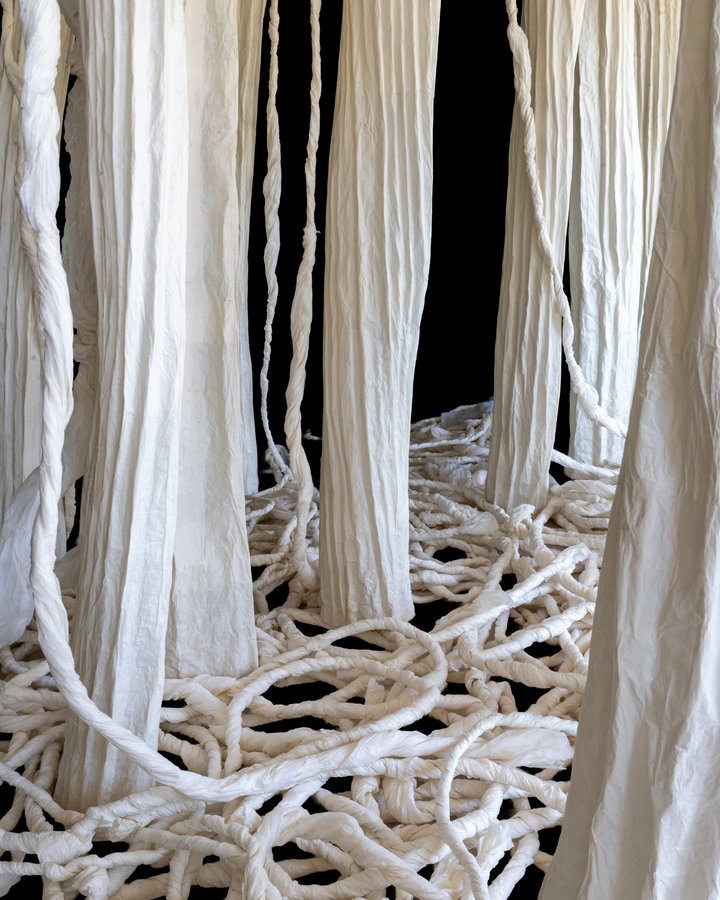
- For this exhibition, the artist has created large-scale installations using paper, wire, and light. Transcending cultural and geographic boundaries, she addresses subjects ranging from historical and mythological references to issues of the present day. Over the course of several decades, her working materials have evolved from heavy terracotta to delicate paper, from stuffed bodies to empty shells. Her new works revolve around various questions touching on how relationships emerge, where they lead, and what is transmitted or altered within them. Such pathways intertwine on the micro- as on the macro-scale, in offshoots and nerve tracts, in thoughts and cultural traditions. They reach out in multiple directions. Semantic ambivalences and shifts open Köker’s work up to diverse interpretations. Materials, forms and significances remain in motion and enter into ever-evolving relationships. Azade Köker borrowed her exhibition title, Stolon, from botany. A stolon is an offshoot of the mother plant that grows, not into the earth, but along the ground. From its nodes grow roots and new stems. The stolon nourishes the young plant until it is mature enough to provide itself with water and light; then dies. Reed corals also build stolon-like webs on the ocean floor, and from these new polyps emerge. Plants like corals remain tied to their place in the earth, yet extend beyond it into their surroundings. For Köker, this suggests associations with notions of sharing, branchings and life in a group. Her exhibition investigates the ambivalence of ties. They support but also grip tight. The word "hold" can mean either of these things. But things that hold are also permeable: a net consists more of holes than of knots or intersections. Self-definition and gender, work and social ties, the entanglements of human life and nature, all belong to the spectrum of themes that have surfaced again and again in Azade Köker’s work for five decades now. In her early terracotta sculptures, we see the figure of the woman as a recurring motif – abstracted in Frau mit Schleier (Woman with Veil, 1978) and with societal-critical features in Akkordarbeiterin (Woman employed for Piece-Work, 1987), where a female worker’s fragmented body merges with machine-like elements. This sculpture turns our attention to the conditions faced by women recruited in Turkey for firms in West Berlin. Köker has worked with paper since the 1990s, and describes it as a skin, permeable and vulnerable. Crumpled and folded, it stores the traces of its making. The body itself is absent; what remains is a transparent, light shell, whose innards must be supplied by the viewer. In the first room of the exhibition stands the installation Schwankende Säulen (Tottering Columns, 2025–26), a forest of thirteen tall paper columns. The paper is wound around the columns like bark, and vertical folds suggest fluting. Transparent threads attach them to the ceiling, and they move with every breath of air. From the top of each column, a long strand of twisted paper falls to the ground and intertwines with the others to form a web. The column, for Azade Köker, is a double image, trunk and figure. For a long time already, she has explored the caryatid, the female figures bearing beams in architecture. Their burden there appears all elegance and posture; the effort of weight-bearing remains invisible. Köker’s columns support no roof. At the place where a capital would normally shoulder its weight, the strand of paper growing out of the column eludes it and, like a stolon, tries to render new life possible on the floor. With this image, nurturing takes its place alongside bearing as a bodily and social work, which, while essential, often goes unnoticed. The burden has not vanished, it has only changed its form. The bearing figure has become one tied in to its neighbors: a form which supports through its relationship to others, while these relationships also tie it down. Works made of wire and light pick up on this web. Köker uses a web of wire, such as is employed in manufacturing coops, fences, and garden elements – a material that contains und separates. The artist shapes it into synapse-like branchings, which recall the points of contact among nerve cells. The wire lends stability to fragile forms, while itself retreating into near invisibility. For strips of light traverse the room and illuminate the darkness. That which is microscopic in the body fills the space; at the same time, the structure recalls a web of offshoots, which spread out, branch off, and create new relationships. In Im Netz des Ich (In the Web of the Self, 2025–26) hangs a large ball of paper in a net of intertwined strips of paper. The ball bears a red inscription spelling "ICH" (I or ego or self). The net holds it, and holds it tight. Without the net, it would fall. Our language knows both nets – the safety net that catches and saves from harm, as well as the trap net that captures and won’t let go. Society’s net can be both. "Caught" and "Captured" here lie right next to one another. The video work Stagnant Motion (2013) shows the feet and legs of a woman from behind, as well as the red seam of her skirt. Her steps venture falteringly forward, then back and to the side, without fixing on a direction. The title names both the stagnancy and the motion, and the work leaves open the question of which prevails in the moment. Stolons, too, move in this way. They do not take off running, they shift. Azade Köker’s small-format collages show frontal figures constructed of patterned paper. Arms and bodies reach out in branches and roots, faces appear in the fabric, threads are loosely sewn on. Titles such as Der Spinnenbaum (The Spider Tree, 2026), Krabbenfrau (Crab Woman, 2026) and Im Flug mit den Vögeln (Flying with the Birds, 2026) associate human beings, animals, and plants. The figures are not contained within clear contours, they bleed into each other. None of the beings exists in and of itself, each one is in a state of evolution connected with others. Azade Köker’s exhibition shows a body of work in motion. Every form is held and tied in – but by what it is often hard to see. The forms do not end on their edges, but reach out, like steps that explore the floor, or offshoots that keep growing.
Stolon
Until 14 Nov 2026
Zilberman Gallery
Gallery / art space
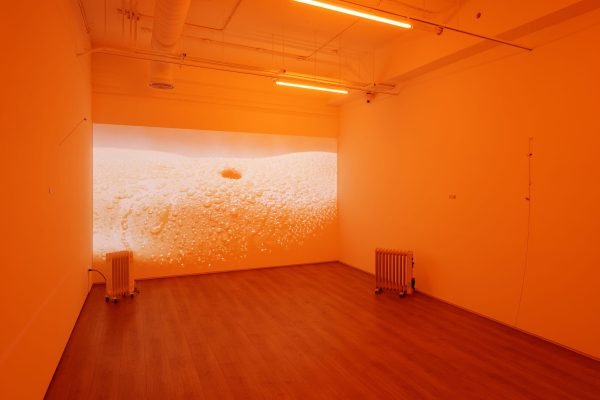
- On entering the exhibition space you are immediately confronted with a sweating belly projected wide onto the wall. Droplets of sweat exude from the pores around the navel. You only notice after a while that your own body is getting warm – and that two heating devices are in operation on this side of the space. Sweating is a metabolic occurrence – a circulation of heat, relaxation and fear – that directly corresponds to the video installation Burning Stones (2022) opposite, in which hands massage body tissue. Esther Yi-Chun Lin’s videos are being juxtaposed for the first time at Künstlerhaus Bethanien. Together they form a sweatbox in which the human body becomes the object of a forensic investigation into identity and the history of Taiwan. They delimit a territory that has been deeply imprinted by geography, memory and history – an effect that can be experienced both symbolically and physically through sweating. How can history be felt? How do landscape, recollection and belonging inscribe themselves into a body? Esther Yi-Chun Lin’s work proceeds from these questions. Body odour as historical analogy: “I think the odour of the body is like a metaphor for history.” The title Burning Stones refers to the etymology of the old word for sulfur, “brimstone”, which derives from the old English ōbryneö (to burn, fire) and ōstŌnö (stone). In Burning Stones: Hot Archives the bodily equivalent of brimstone is sweat. In heat it is broken down by bacteria and sulphurous compounds are released – body odour. Lin equates the sweating body with a sulphur mine. Evaporating sweat fills the air in the space – like the volcanic sulphur springs in the Taiwanese district of Beitou that fill the surroundings with steam. From the sweating belly of a woman worried about her BO, fragments of historical scenes emerge. This is colonial archive material tracked down by Esther Yi-Chun Lin on the internet, where it circulates freely. She has excised portrayals of indigenous Taiwanese communities from these images, calling one of these interventions a “biopsy”. In between there are pictures of the Tatun Volcano Group and measurement data on the sulphur concentration in the air during the pandemic, in which higher numbers mean that organic material is being burnt – including human material. It all gives rise to what, for Esther Yi-Chun Lin, are no longer images but crystals that have gone through a body; exhaled, deformed, with surface deposits. The artistically processed visual material becomes a counter-archive – a recurring practice that the artist continues in this exhibition. On the opposite screen, in Burning Stones (2022), the historical paths of Beitou are transferred to skin by the touch of hands. Esther Yi-Chun Lin invited the performer Ho Zhong-Jun to explore a path through the sulphur mines with her; the result was a performance in the form of a massage. There is no landscape or forest in the video, only massaging hands. But there is a narrative nonetheless: from the body to landscape, map and colony to the transformation of sulphur.
Burning Stones
Until 15 Nov 2026
Künstlerhaus Bethanien
Museum / institution
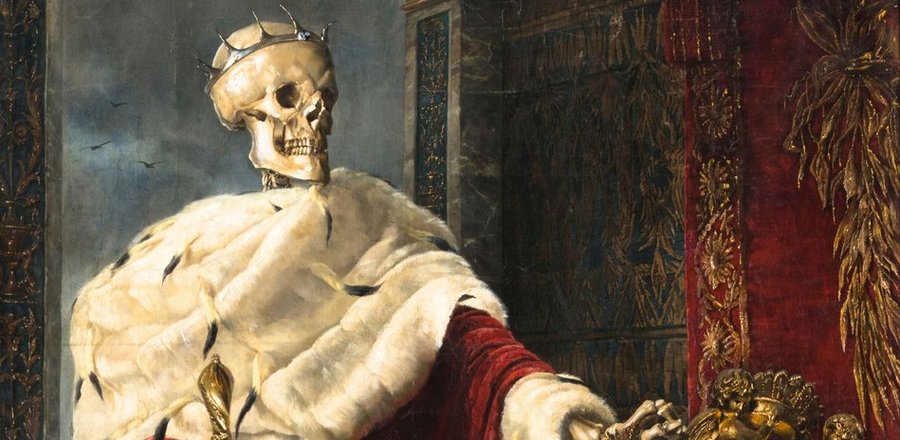
- Die Alte Nationalgalerie widmet sich in der Ausstellung "Skandal! Hermione von Preuschen und der 'Mors Imperator'" der Malerin, Schriftstellerin und Weltreisenden Hermione von Preuschen. Im Mittelpunkt steht ihr 1887 entstandenes Gemälde „Mors Imperator“, dessen Zurückweisung durch die Berliner Akademie der Künste sie schlagartig bekannt machte.
Skandal! Hermione von Preuschen und der Mors Imperator
Until 15 Nov 2026
Alte Nationalgalerie
Museum / institution
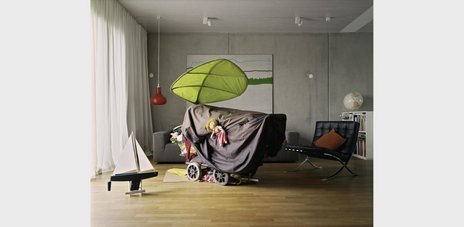
- Nach der großen Ausstellung " Body Performance", die 2019 in der Helmut Newton Foundation zu sehen war, findet nun die daran anknüpfende Ausstellung "Rooms / Stages" statt – mit einer bewussten Verschiebung der Aufmerksamkeit vom performativen Akt auf den Raum selbst. Für Kinofilme werden im Vorfeld eines Drehs sogenannte "location scouts" losgeschickt, um nach konkreten Orten zu suchen, die für bestimmte Szenen geeignet sind. Im fertigen Film liegt das Hauptaugenmerk unserer Wahrnehmung schließlich weniger auf den Bühnenräumen, als vielmehr auf den Schauspieler*innen und der Darstellung ihrer Rollen sowie auf der Komplexität des Filmgeschehens insgesamt. Im Medium Fotografie nehmen wir in den meisten Fällen einen Raum als Bildmotiv ebenfalls kaum wahr, es sei denn, der Raum selbst wird von den Fotograf*innen zum Hauptmotiv erklärt. Die Künstler*innen der aktuellen Gruppenausstellung werden mit jeweils einer Werkgruppe vorgestellt. Sie beziehen den Raum bewusst in ihre inszenierten Porträts ein, lassen die Menschen oder Tänzer*innen über Langzeitaufnahmen auch wieder daraus verschwinden; oder sie thematisieren ganz pur menschenleere Innenräume, etwa das eigene Atelier mit wechselndem, verschobenem Mobiliar oder Museen wie in Versailles oder Dresden, in die wir unweigerlich ein bestimmtes Geschehen imaginieren können. Neben gerahmten Fotografien werden manche Raumkompartimente der Ausstellungsräume durch Wandtapeten mit großformatigen Bildmotiven visuell pointiert. Wir sehen aufwendige räumliche Interventionen, die nur für eine Fotografie entstanden sind, unwirtliche und zugleich perfekt gestaltete U-Bahn-Gänge in Berlin und London sowie Tanz- und Theaterbilder. Helmut Newton, dessen Werk durch die wechselnden Präsentationen in seiner Berliner Stiftung immer wieder neu kontextualisiert wird, hat die verschiedensten Orte in Bühnen verwandelt, wie im zweiten Teil der Gruppenausstellung zu sehen ist. Dazu gehören luxuriöse Hotelzimmer und -lobbys in Paris, Mailand oder New York auf seinen Modefotografien der 1960er, 70er- und 80er-Jahre oder – wie in einer 180-Grad-Wendung – schroffe Außenraum-Situationen in Monte Carlo oder gar seine dortige Garage. Auf diese Weise hat er in den 1990er-Jahren, dem damaligen Zeitgeist entsprechend, die exklusivsten Modeentwürfe hart kontrastiert. Newton arbeitete wie ein Filmregisseur und Set-Designer in Personalunion auf den von ihm geschaffenen Bühnen. In der aktuellen Ausstellung werden die modebasierten Interieurs sowie manche seiner Bühnenfotografien gezeigt, die beispielsweise 1983 in Wuppertal bei Pina Bausch im Auftrag des Magazins "The New Yorker" oder ab Mitte der 1980er-Jahre für die Programmhefte des Balletts von Monte Carlo entstanden sind. All das begegnet uns motivisch in Form riesiger Wandtapeten sowie einer Fülle von Polaroids in den Vitrinen davor.
Rooms / Stages
Until 15 Nov 2026
Museum für Fotografie
Museum / institution
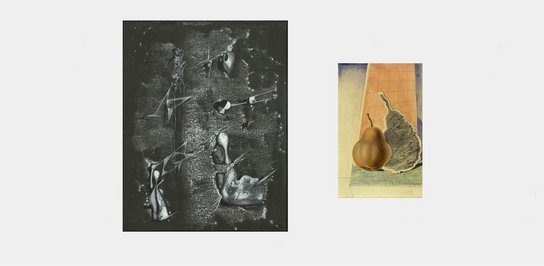
- Das Prinzip der ungewöhnlichen Nachbarschaft spielt eine wichtige Rolle im Surrealismus. "Schön wie das zufällige Zusammentreffen einer Nähmaschine und eines Regenschirms auf einem Seziertisch" hieß es schon bei Lautréamont, den André Breton im Ersten Manifest des Surrealismus zitiert. Denn die überraschende Begegnung von Dingen, die man für gewöhnlich nicht miteinander in Verbindung bringt, lässt etwas Drittes entstehen, ein Rätsel, das unsere Wahrnehmung stimuliert und unser Denken auf überraschende Bahnen zu lenken vermag. Die Gegenüberstellung von Werken des Fotografen Kai Bornhöft und Stillleben des Malers Frank Tornow erzeugt eine ähnliche Wechselwirkung. Wobei im vorliegenden Fall die Rollen vertauscht zu sein scheinen: Wird grundsätzlich eher dem Medium der Fotografie eine abbildhafte Funktion zugesprochen, ist es hier die Malerei von Tornow, die es erlaubt, die dargestellten Dinge auf Anhieb zu benennen. Umgekehrt scheint die für gewöhnlich der Malerei eingeräumte Freiheit der Erfindung in den Fotografien Bornhöfts die Darstellung zu bestimmen: Erst bei näherem Hinschauen lassen sich die Motive der bisweilen durch mehrmaliges Umkopieren entstandenen analogen Fotografien identifizieren. In der Begegnung der Werke der beiden Künstler wird dieses jeweils "andere" des Mediums besonders deutlich. Dabei verbindet sich die exquisite, an Chardin erinnernde Maltechnik mit Bornhöfts Blick für die rätselhaften Dimensionen des scheinbar Nebensächlichen ebenfalls zu etwas "Drittem", das wie hinter einem Schleier verborgen ist. Zugleich (und vielleicht sogar eben dadurch) schärft es die eigene Wahrnehmung, auch bei der Betrachtung anderer Werke. Eine derartig "starke Wechselwirkung" bringt das Schauen und Denken zum Tanzen, wie in der Quantenphysik – oder im Surrealismus.
Wechselwirkung
Until 15 Nov 2026
Sammlung Scharf-Gerstenberg
Museum / institution
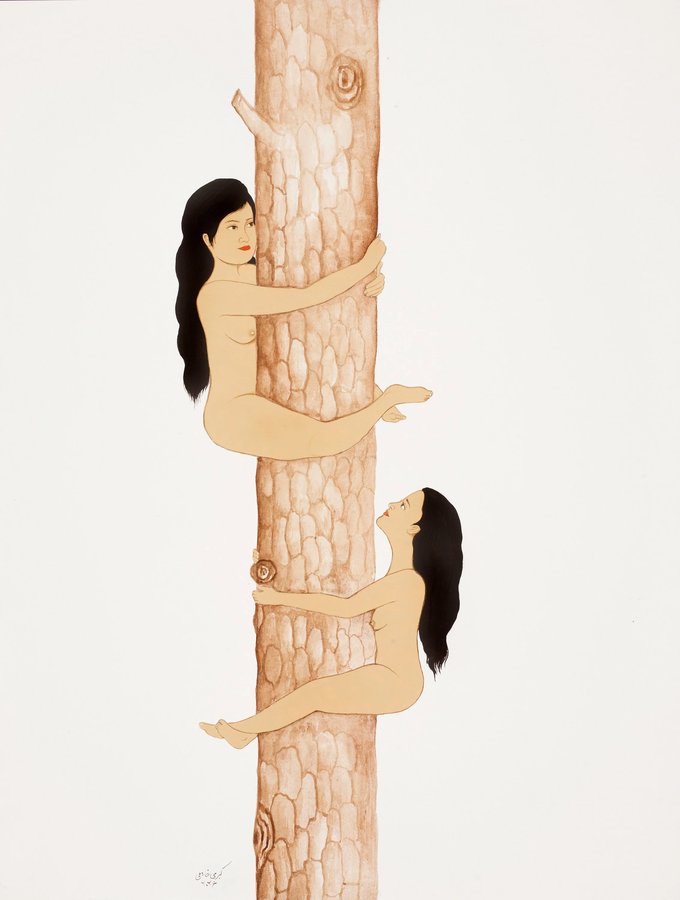
- Zum ersten Mal präsentiert die Galerie Jarmuschek + Partner die Arbeiten der Künstlerin Kubra Khademi in einer Einzelausstellung in Berlin. In der im Zentrum stehenden Serie Women in simple situations sind Frauen in Szenen zu sehen, die vordergründig privat anmuten. Sie liegen mit ausgebreiteten Armen auf einem Teppich, sind beim Tee im Gespräch oder klettern einen Baum hinauf. Glaubt man dem Titel der Serie, so befinden sich Kubra Khademis Frauenfiguren in ganz einfachen Situationen. Auf den zweiten Blick entpuppt sich dieser Titel als vielschichtiger Kommentar, der auf Menschenrechte und gesellschaftliche Utopien ebenso anspielt wie er einen bitter-ironischen Blick auf unsere bestehende Welt offenbart. Die Situationen, in denen sich die präsentierten Figuren befinden, dürften für die meisten Frauen weder alltäglich noch normal sein – denn sie sind fast alle nackt. Die Unbekleideten spucken, menstruieren, ringen mit einer Katze um einen riesigen Phallus oder flechten sich ihre Schambehaarung...
KUBRA KHADEMI
Until 21 Nov 2026
Jarmuschek + Partner
Gallery / art space
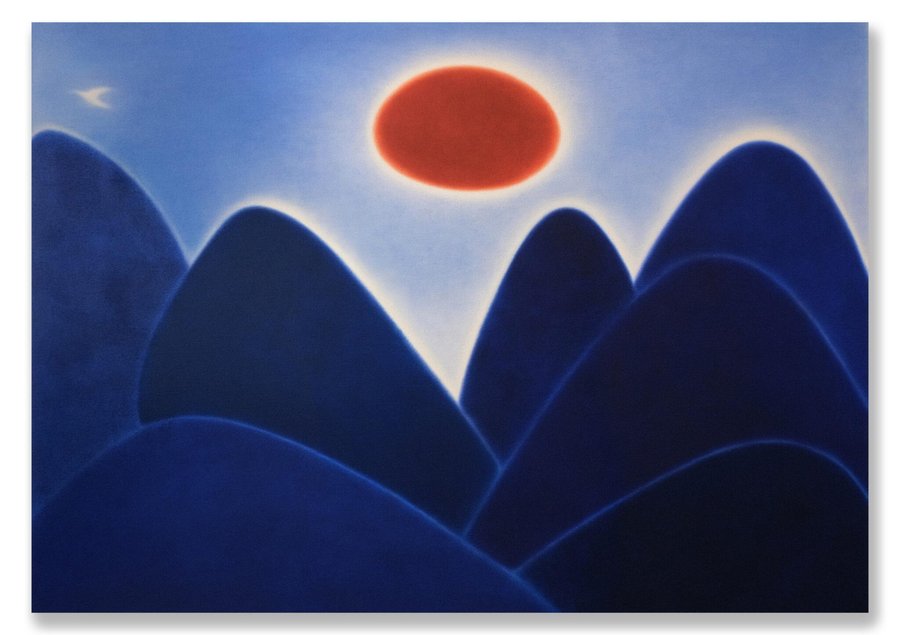
- Dear Sol, your second solo show at FWR Galerie is titled Everybody Knows This Is Nowhere. This is also the title of a painting in the exhibition, a medium-format work defined
Everybody knows this is nowhere
Until 28 Nov 2026
FeldbuschWiesnerRudolph
Museum / institution
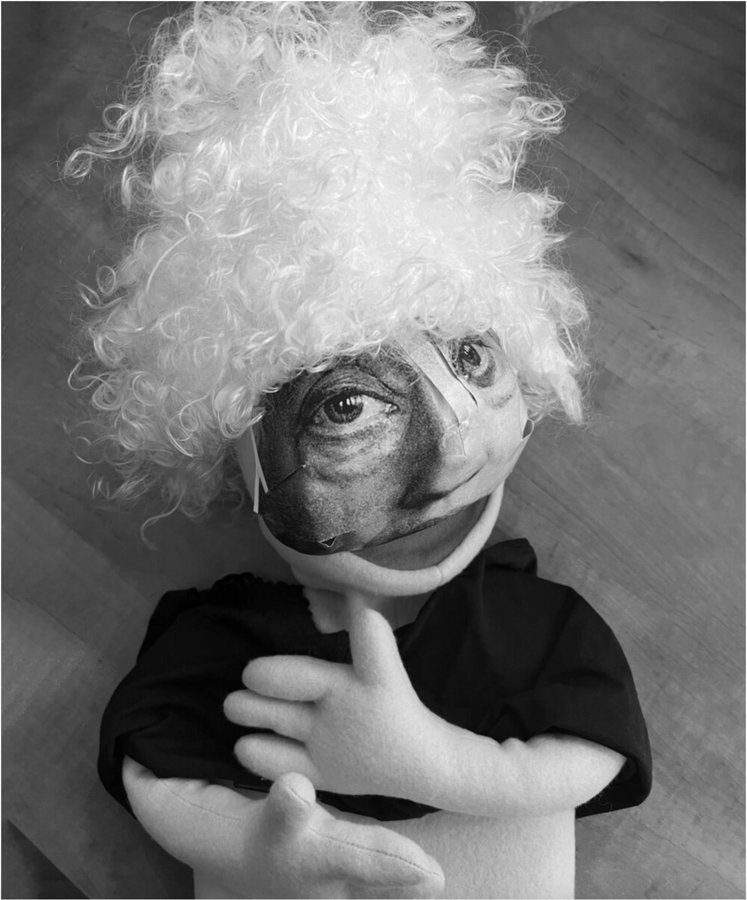
- KVOST präsentiert im Rahmen der Berlin Art Week die polnische Künstlerin Izabella Gustowska (*1948). Gustowska ist die diesjährige Stipendiatin von KVOST und erhält den Claus Michaletz Preis 2026. Die Ausstellung ist Teil der Sektion Featured der Berlin Art Week.
Home’s Shadows
Until 28 Nov 2026
KVOST
Museum / institution
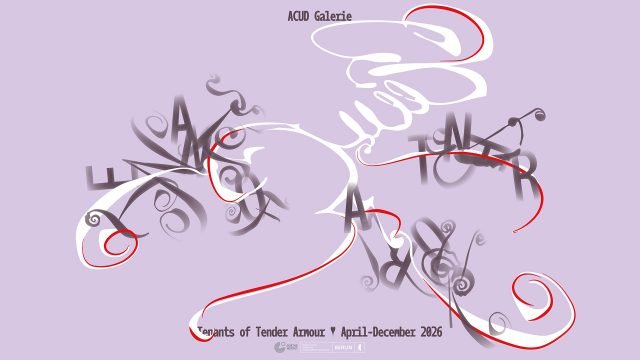
- Tenants of Tender Armour April – December 2026 ACUD Galerie "The notion of the body is tied to the idea of the individual and conceived of as bounded and complete, a productive and ableist entity to be fixed and saved. But where is the place for, and the recognition of bodies that do not correspond to this framework; of bodies that do not have the possibility to access the protective resources deposited there?* Tenants of Tender Armour is a ten-month program (April–December 2026) that unfolds in three exhibition acts and accompanying events. It explores shielding as a material practice and a micropolitical gesture. Shielding manifests itself in the context of war and conflict, where bodies function as literal shields, but also in everyday life: in small movements and gestures that people use to protect themselves from visibility or to cope with structural violence. These embodied tactics translate large socio-political forces into intimate physical codes and movements. Our program takes this ambivalence as its starting point. Shielding is understood as a sonic and relational practice
Current Tenants of Tender Armour - Exhibition series: April – December 2026
Until 6 Dec 2026
ACUD GALLERY
Gallery / art space
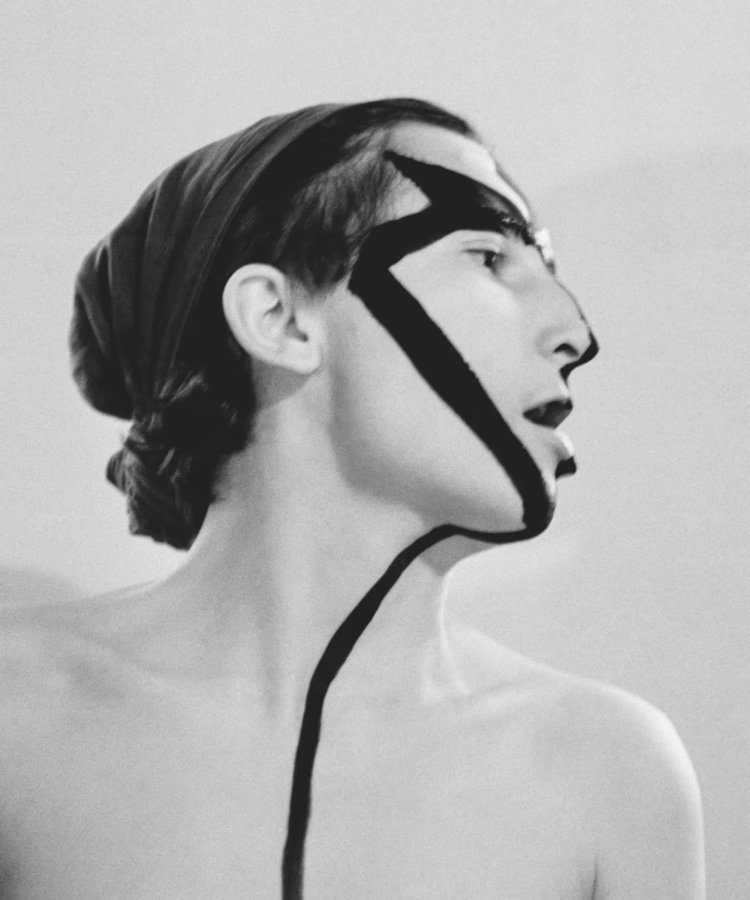
- Gabriele Stötzer, Die Auslöschung eines Blicks – Ich trage meine Wunden heute offen, 1983, Courtesy: Gabriele Stötzer, Foto: Heike Stephan © VG Bild-Kunst, Bonn 2026 Mo, Mi, Do, Fr 12:00–19:00 Sa, So 10:00–19:00 Di geschlossen Seit über fünf Jahrzehnten setzt sich Gabriele Stötzer mit Themen wie Gerechtigkeit, Selbstbestimmung und Geschlecht auseinander. Ihr eigener Körper spielt dabei oft eine zentrale Rolle – nicht als Objekt, sondern als Schauplatz von Widerstand und feministischer Selbstbehauptung. Mit Dabei sein und nicht schweigen zeigt der Gropius Bau ab Juni 2026 die bislang größte institutionelle Einzelausstellung der Künstlerin. Gabriele Stötzers künstlerische Praxis ist untrennbar mit ihrem gesellschaftlichen und politischen Engagement verbunden: Wegen einer Unterschriftenaktion wurde sie 1976 mit dem Vorwurf der „Staatsverleumdung“ in der DDR inhaftiert, woraufhin sie sich dem literarisch-künstlerischen Untergrund anschloss und später die Künstlerinnengruppe Erfurt mitbegründete. Viele ihrer Werke formulieren radikale Gegenentwürfe zu staatlicher Repression und Normierung, indem sie Grenzen unterwandern und Raum für Verletzlichkeit und Sehnsucht öffnen. Die Ausstellung unterstreicht mit rund 150 Arbeiten die Vielfalt ihres experimentellen Schaffens zwischen Malerei, Literatur, Fotografie, Textilkunst, Super-8-Film, Performance und Aktionen im öffentlichen Raum – und versteht sich als Impuls für die überfällige breitere Rezeption dieser wegweisenden Künstlerin.
Beteiligt sein und nicht schweigen
Until 6 Dec 2026
Martin-Gropius-Bau
Museum / institution
- The exhibition "Silberstreif" by artist Daniela Friebel is based on the estate of an East German particle physicist from the early days of a divided Germany. The letters and photographs trace the coming-of-age of a young man who is finding his intellectual and existential footing during a time of historic upheaval. The physical qualities of the documents—creases, handwriting, and perforations—become image carriers, symbols, and metaphors. The personal correspondence gives rise to visual condensations that transcend the biographical and raise fundamental questions about freedom, arbitrariness, and responsibility during that era of political polarization.
Silberstreif: Daniela Friebel
Until 6 Dec 2026
Haus am Kleistpark
Museum / institution
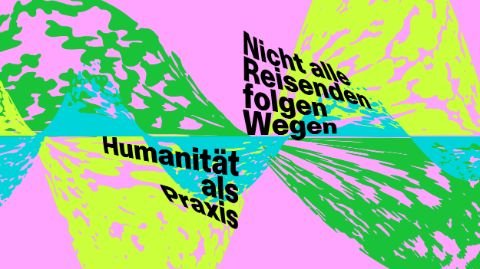
- Mit der Ausstellung Nicht alle Reisenden folgen Wegen – Humanität als Praxis kommt die 36. Bienal de São Paulo nach Berlin ins Haus der Kulturen der Welt (HKW). Zum ersten Mal überhaupt findet damit eine der ältesten und bedeutendsten Kunstbiennalen auch in Deutschland statt. Die speziell für Berlin konzipierte Edition präsentiert eine eigenständige Konstellation künstlerischer Positionen,
Not All Travellers Walk Roads—Of Humanity as Practice – Reader (en)
Until 6 Dec 2026
Haus der Kulturen der Welt
Museum / institution
- Starting from the observation that the “East” increasingly serves as a cultural, aesthetic, and political projection surface, the multipart exhibition, discourse, and publication project Projections onto the East addresses the ideological attributions associated with the terms “East” and “West.” International
Projections Onto the East
Until 20 Dec 2026
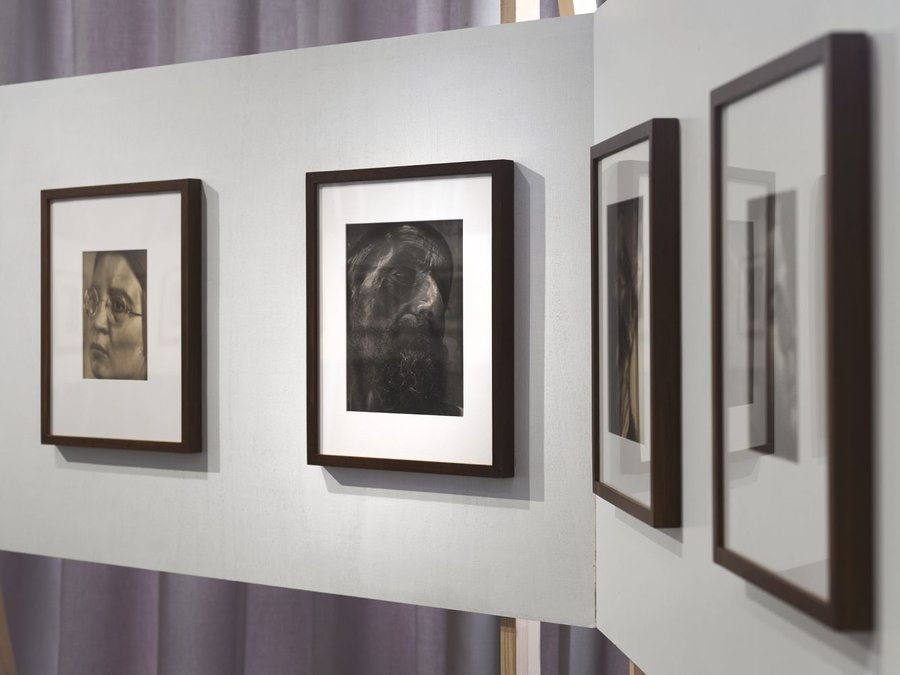
Schinkel Pavillon
Museum / institution
- Im mythologischen Saal des Neuen Museum zeigen das Ägyptische Wörterbuch und das Ägyptische Museum ab Juni eine Ausstellung zum 100. Geburtstag eines für die Ägyptologie bis heute unverzichtbaren Werkzeugs – dem ägyptischen Wörterbuch. 2026 jährt sich zum einhundertsten Mal das Erscheinen des ersten Bandes des ägyptischen Wörterbuchs. Adolf Erman und sein Team begannen im Jahre 1897, im Neuen Museum, mit der Arbeit. Dabei wurden die bekannten ägyptischen Texte abschnittsweise auf Zettel geschrieben und diese vervielfältigt. So entstand in kürzester Zeit eine „Datenbank“ mit mehr als einer Million Zettel. Dieses „Zettelarchiv“ bildet die Grundlage für das Wörterbuch. Es ist alphabetisch geordnet und zeigt uns die einzelnen Worte jeweils im Zusammenhang des jeweiligen Textes. Due to the first World War and the galloping inflation, there was no thought of printing a multi-volume dictionary. Yet the connection of American students to A. Erman mediated in 1924 a financial donation from J.D. Rockefeller Jr., which finally set the stage for printing. A. Erman, together with his students Kurt Sethe and Hermann Grapow, then worked out the print layout of the dictionary, which was written by Wolja Erichsen. The way from the Egyptian texts to the finished dictionary will be illustrated in the small exhibition using objects from the archive of the dictionary.
100 Jahre Wörterbuch der ägyptischen Sprache
Until 31 Dec 2026
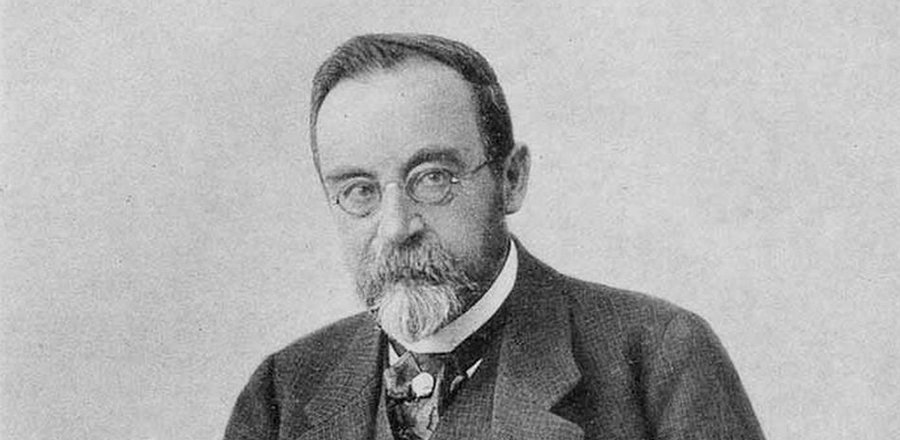
Neues Museum
Museum / institution
- Ausgangspunkt von Shilpa Guptas Einzelausstellung im Hamburger Bahnhof ist das monumentale Werk TRUTH an der Schnittstelle von Sprache, Macht und Kontrolle. Während sich die Besucher*innen durch die überdimensionalen Buchstaben im Ausstellungsraum bewegen, hinterfragt das Kunstwerk Mechanismen, die Wahrheit bewahren oder verschleiern. Die skulpturale Installation zeigt auf, wie gemeinschaftlicher Fortschritt davon abhängt, Wahrheit zu beschützen und zu hinterfragen. Ergänzt um weitere Werke der Künstlerin wird Guptas Ausstellung im Hamburger Bahnhof im Dialog mit der Sammlungspräsentation Joseph Beuys gezeigt. Die parallele Betrachtung verweist auf Ähnlichkeiten im Umgang mit Sprache, Partizipation und soziale Reflexion. Als Teil des Jubiläumsprogramms hebt die Ausstellung den künstlerischen Austausch als zentrales Thema des Hamburger Bahnhofs seit der Museumsgründung hervor.
Shilpa Gupta What Still Holds
Until 3 Jan 2027
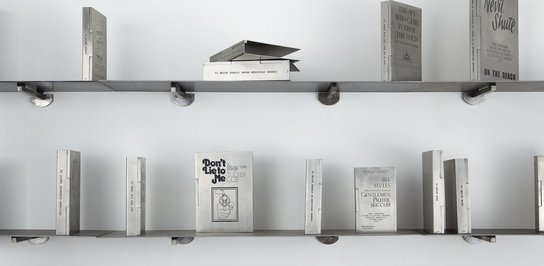
Hamburger Bahnhof – Museum für Gegenwart
Museum / institution
- 16 Jahre lang prägte Angela Merkel als Bundeskanzlerin die deutsche Politik. Nun hat der Maler Jérémie Queyras sie porträtiert. Bis Oktober ist das Gemälde im Bode-Museum für die Öffentlichkeit zugänglich. Im ersten Stock des Bundeskanzleramtes sind alle bisherigen Bundeskanzler mit einem Gemälde verewigt. Bald wird auch Bundeskanzlerin a.D. Angela Merkel in diese Galerie aufgenommen. Für kurze Zeit zu sehen Der französisch-deutsch-kanadische Künstler Jérémie Queyras hat die Politikerin gemalt. Das 2026 vollendete Werk ist für kurze Zeit im Bode-Museum für die Allgemeinheit zugänglich, bevor es seinen künftigen Platz in der Kanzlergalerie des Bundeskanzleramts erhält. Die Präsentation bietet Gelegenheit, das Porträt im besonderen Kontext des Museums zu betrachten und seine künstlerische Gestaltung sowie seinen zeitgeschichtlichen Bezug zu reflektieren.
Das Porträt der Bundeskanzlerin Erstpräsentation des offiziellen Porträts von Bundeskanzlerin a.D. Angela Merkel
Until 3 Jan 2027
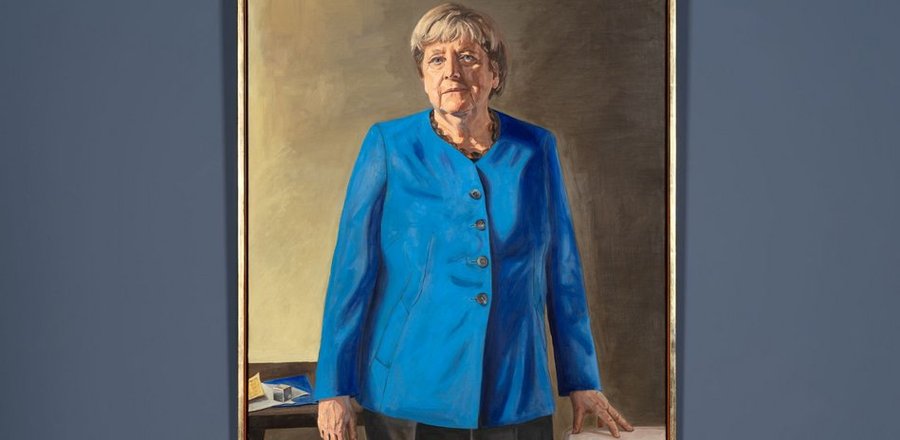
Bode-Museum
Museum / institution
- Themen der Aufklärung Neben Chodowieckis malerischem Hauptwerk aus der Gemäldegalerie und sämtlichen zeichnerischen und druckgraphischen Werken, die in diesem Zusammenhang entstanden sind, zeigt die Ausstellung Rötelzeichnungen Chodowieckis, die ein Berliner Netzwerk der Aufklärung vorstellen, darunter den Schriftsteller und Verleger Friedrich Nicolai und den Religionsphilosophen Moses Mendelssohn. Sie stehen stellvertretend für die vielen Intellektuellen ihrer Zeit, die für eine neue Debatten- und Diskurskultur eintraten und gegen Verschwörungstheorien und Esoterik ankämpften. Chodowiecki befasste sich in seinem umfangreichen druckgraphischen und zeichnerischen Werk, aus dem die Ausstellung eine Auswahl zeigt, mit den Themen der Aufklärung wie Bildung, Familie, Gesellschaftsordnung und trug zur Verbreitung der neuen Diskurse bei.
Daniel Chodowiecki 1726–1801 Berliner Bilder der Aufklärung
Until 10 Jan 2027
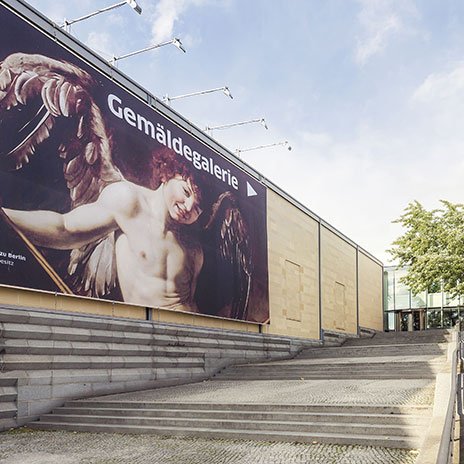
Gemäldegalerie
Museum / institution
- Das Museum für Architekturzeichnung widmet Nizo Yamamoto (1953–2023) die erste umfassende Ausstellung seines künstlerischen Schaffens außerhalb Japans. Yamamoto zählt zu den prägenden Art Directors des japanischen Animationsfilms. Über mehr als vier Jahrzehnte gestaltete er Bildwelten, die das visuelle Gedächtnis des Genres nachhaltig geprägt haben. In Japan genießt Yamamotos Werk seit Langem große Anerkennung. International ist sein Name hingegen noch immer weit weniger bekannt als die Filme, an deren Entstehung er maßgeblich beteiligt war. Durch Arbeiten für Das Schloss im Himmel (1986), Die letzten Glühwürmchen (1988), Prinzessin Mononoke (1997) und Das Mädchen, das durch die Zeit sprang (2006) sind seine Bilder einem weltweiten Publikum vertraut.
Nizo Yamamoto – Meister der Anime-Szenografie
Until 10 Jan 2027
Tchoban Foundation Museum für Architekturzeichnung
Museum / institution
- Sofie Dawo (1926-2010) war eine Ausnahmekünstlerin: Ihre unkonventionelle künstlerische Strategie bestand in der Veredelung des Gewebes durch Zerstörung. Mit dieser radikalen Bearbeitung wurde der Herstellungsprozess geradezu in das Objekt eingeschrieben und das Unvorhersehbare, die "auftauchenden Überraschungen" (Dawo) bewusst einkalkuliert. Dawos textile Experimente sind frei von jeder Funktion oder Anwendung und entziehen sich einer eindeutigen Zuordnung in die Kategorien Kunst oder
Sofie Dawo. Textile Experimente
Until 17 Jan 2027
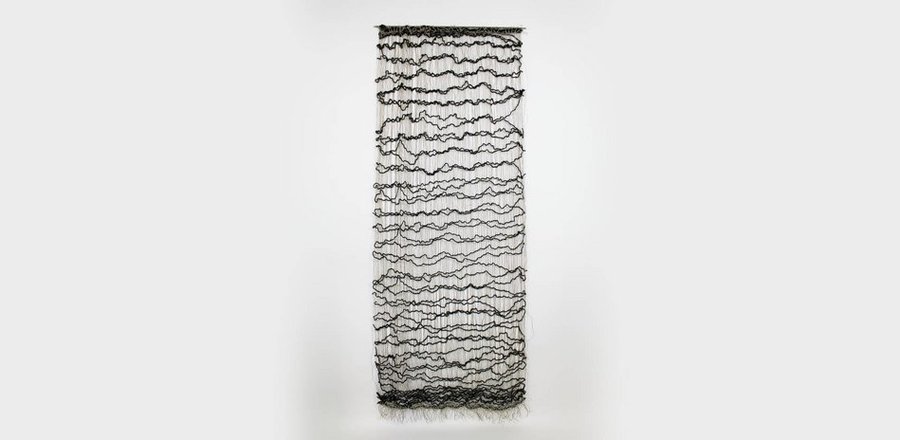
Kunstgewerbemuseum
Museum / institution
- Die Sonderausstellung beleuchtet die fast 30-jährige Zusammenarbeit zwischen dem Maler und Illustrator Max Slevogt und dem Verleger Bruno Cassirer – eine kreative Verbindung, die entscheidend zur Etablierung Slevogts als bedeutendem Vertreter des deutschen Impressionismus beitrug. Cassirers Engagement als Akteur in der Kulturwelt ermöglichte Slevogt künstlerische Freiräume und förderte seine innovativen Ansätze im Bereich des illustrierten Buchs. Besonders ihre gemeinsame Leidenschaft für die Zeichnung eröffnete neue gestalterische
Auf zu neuen Werken! Max Slevogt, Bruno Cassirer und Max Liebermann
Until 18 Jan 2027
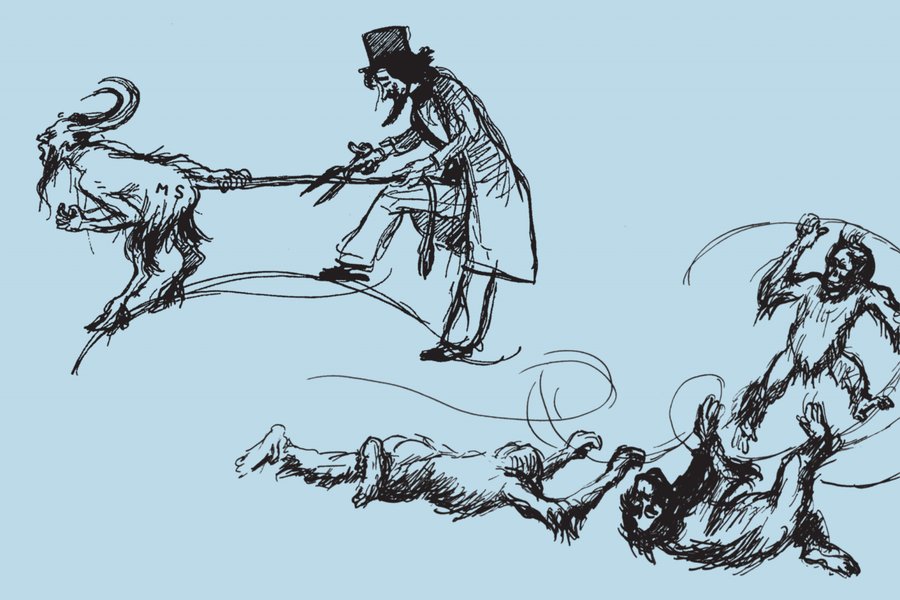
Liebermann-Villa on Lake Wannsee
Museum / institution
- Celebrate with us the opening of our upcoming exhibitions! The Heart of the Matter is the first comprehensive retrospective of US-American artist Carrie Mae Weems in Berlin. Featuring more than one hundred photographs and videos spanning more than four decades, the exhibition offers an in-depth insight into a body of work that combines personal experiences with social and historical issues and focuses on stories, people, and places that are often overlooked in historical narratives. Running parallel to this is the double exhibition featuring the two winners of the After Nature Prize 26: Stelios Kallinikou. Cliffs Among Dreams, and Susanne Kriemann. Im Fieber der Sonne flattern Schmetterlinge im Bauch. The works take viewers to places where the past persists into the present day: to regions under military control, contaminated landscapes, and into the very soil. These artists make palpable those conditions that cannot be apprehended with the senses, exploring how the photographic image might operate when what needs to be shown is invisible to the eye. The program is complemented by the eleventh Artistic Intervention 2026 by the internationally renowned artist Ayşe Erkmen at Café C/O Berlin x Bark Berlin.
Carrie Mae Weems . Stelios Kallinikou . Susanne Kriemann
Until 20 Jan 2027
C/O Berlin
Museum / institution
Kayode Ojo Long Story Short Group Exhibition
Until 31 Jan 2027
Sweetwater
Museum / institution
- Josef Kaiser (1910–1991) counts among the formative architects of the GDR. Between 1950 and 1984, he was predominantly responsible for numerous, mostly representative state buildings. His modern designs on the Berlin Karl-Marx-Allee attracted international attention and were considered an expression of the cultural self-understanding of the GDR. Many of his buildings, including the iconic Kino International, are now listed as historical monuments. The exhibition presents life and work for the first time using drawings, collages, photographs, films, models, and explores political and aesthetic tensions. Contemporary positions by Veronika Kellndorfer, Karsten Konrad, and Tracey Snelling offer new perspectives on his legacy as part of German-German architectural history.
Josef Kaiser, Bauen für die DDR
Until 1 Feb 2027
Berlinische Galerie
Museum / institution
- Thu-Van Tran (* 1979 in Ho-Chi-Minh-Stadt, lebt in Paris) stellt in ihrem Werk Verbindungen zu politischen Verflechtungen von Ländern und zum kolonialen Erbe her, dessen Spuren noch immer an vielen Orten, in Sprache, Körpern und Landschaften sichtbar sind. Im KINDL präsentiert die Künstlerin neueste und teilweise eigens für die Ausstellung entwickelte Arbeiten – darunter Keramik, Malerei und Zeichnung –, die Bezug nehmen zu den ökologischen und traumatischen Folgen von Kolonialismus in Vietnam und Australien sowie deren Resonanzen in Europa. Write As Beasts Scream at Night ruft dabei die Widerstandskräfte der Natur auf, die leise, aber beharrlich gegen die Verletzungen durch den Menschen aufbegehren. Kuratorinnen: Kathrin Becker, Magdalena Mai
Thu-Van Tran / Write As Beasts Scream at Night
Until 14 Feb 2027
KINDL – Zentrum für zeitgenössische Kunst
Museum / institution
- Ayumi Paul, Fischmond am Waldsee , 2026. Courtesy die Künstlerin, Foto: Debora Mittelstaedt
Ayumi Paul Fischmond am Waldsee
Until 23 May 2027
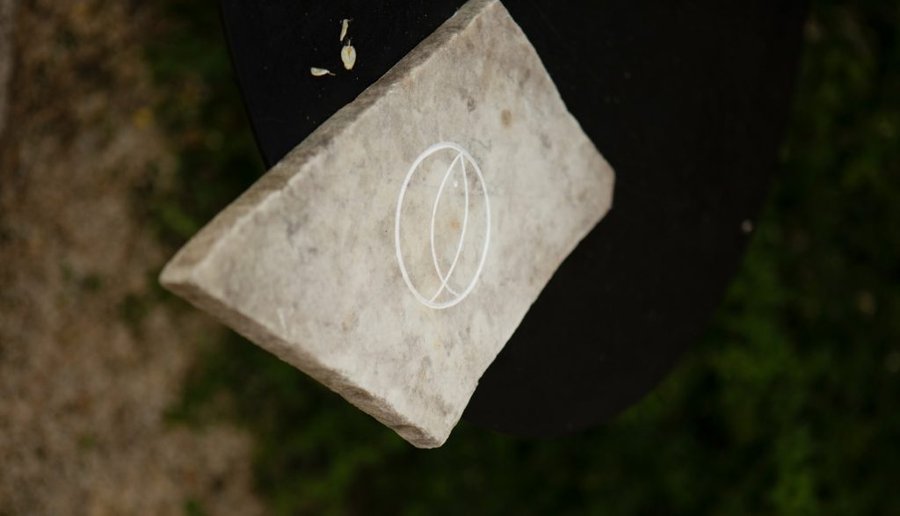
Haus am Waldsee
Museum / institution
- Wir sind gewohnt, Geschichte als Wahrnehmung in der Zeit und lineare Abfolge zu denken. Sie ist aber ebenso an Orte, Räume und Schauplätze gebunden. Geschichte erzählt nicht nur vom Wandel der Zeiten, sondern auch vom Wandel in Räumen. Die Ausstellung "Objekte. Geschichte. Geschichten" nimmt diese Idee zum Ausgangspunkt und befragt ausgewählte Objekte unterschiedlicher Epochen nach ihrer Herkunft und ihren Wanderungen. Damit erschließt sie den Wandel politischer, sozialer sowie kultureller Räume. Im Zentrum steht die historisch gewachsene Sammlung des Museums, das als ein ebenfalls konstantem Wandel unterliegender historischer Erinnerungsort zugleich die jeweils spezifische Sammelpraxis der Vorgängerinstitutionen des Deutschen Historischen Museums spiegelt: die Ruhmeshalle der preußisch-brandenburgischen Armee, das Heeresmuseum des NS-Regimes, das Museum für deutsche Geschichte der DDR und die Zusammenführung mit dem 1987 in West-Berlin gegründeten DHM.
Objekte. Geschichte. Geschichten. Blick in die Sammlung
Until 31 Oct 2027
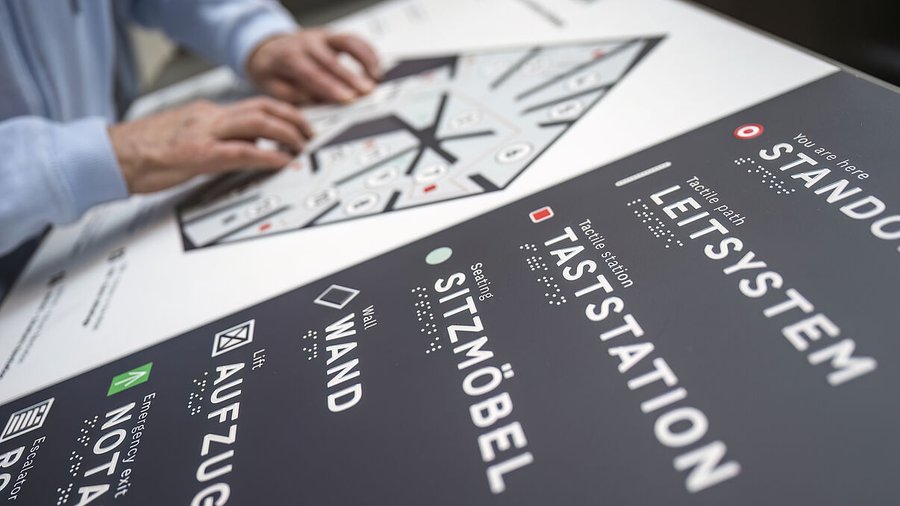
Deutsches Historisches Museum
Museum / institution
- Der Grafikdesigner und Designkurator Jumping He versteht "Paperwork" als ein experimentelles Projekt, das den Wandel visueller Kommunikation im Spannungsfeld von Printmedien, digitalen Informationsformen und neuen Technologien untersucht. He fungiert nicht nur als "kulturelle Brücke" zwischen östlicher und westlicher Kultur, sondern hat in seiner langjährigen Designpraxis seinen eigenen Stil und Designphilosophie entwickelt. Seine Arbeit zeichnet sich durch konzeptionelle Präzision, typografische Sensibilität und einen experimentellen Umgang
Ausstellung Paperwork – Jumping He. Blackbox #18
Until 1 Nov 2026
Bröhan Museum
Museum / institution
- Stay, Remain, Endure. The title of the exhibition sounds like an imperative – directed at the figures in the paintings and videos by Franziska Klotz and Antonia Wright, but also at us as the viewers: don't look away, but stay and endure the moment when a familiar order begins to falter. Titled "Stay," we are presenting new works by Berlin-based painter Franziska Klotz in dialogue with videos by Cuban-American artist
Stay, Remain, Endure
Until 22 Oct 2026
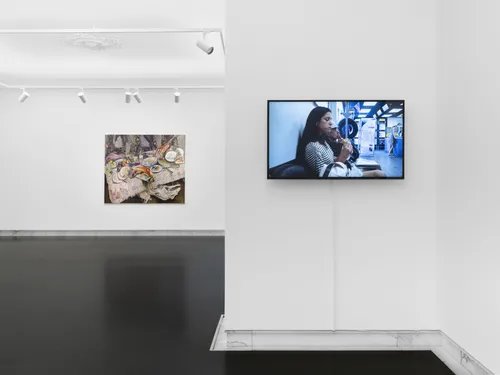
Galerie Kornfeld
Gallery / art space
- Contemporary Fine Arts freut sich, die zweite Einzelausstellung der international renommierten Künstlerin Leiko Ikemura in unserer Berliner Galerie anzukündigen. Unter dem Titel de sensu präsentiert Ikemura neue Gemälde und Skulpturen, die die Beziehung zwischen Wahrnehmung, Körper, Geist und Raum untersuchen. Der lateinische Titel – de sensu, "durch die Sinne" – verweist auf ein zentrales Thema der Ausstellung: die Erfahrung der Welt jenseits des rein Visuellen. Die Suggestion von Berührung, imaginären Klängen und Gerüchen versuchen die Wahrnehmung synästhetisch zu erweitern und laden die Betrachter dazu ein, ihren eigenen Körper als Teil eines größeren räumlichen und sozialen Kontexts zu verstehen. Ausgehend von einem Zustand der Ungewissheit erforscht Ikemura die Möglichkeit, sich in einer von Wandel geprägten Welt neu zu orientieren. Die Schärfung der Sinne erscheint hier als ein Prozess des Suchens und Wiederentdeckens – ein Erwachen des Bewusstseins für die eigene Umgebung. Die räumliche Gestaltung der Ausstellung wird durch drei grüne Figuren geprägt – Green Baby, Green Mom und Dear Spirit. Grüne Wände und Lichtakzente in Gelb und Dunkelblau schaffen eine Atmosphäre, die an den Übergang vom Tag zur Nacht erinnert und den Kreislauf des Werdens und Vergehens heraufbeschwört. Die Figur in mamagirl scheint diesen Schwellenraum als wachsame Präsenz zu begleiten. Mit ihrer neuen Skulptur Milk Lady vertieft Ikemura ihre Auseinandersetzung mit den Themen Fürsorge, Verwandlung und Erneuerung. Die Figur nimmt Energie in sich auf und gibt sie als Nahrung für neues Leben wieder ab. Auf diese Weise suggeriert die Ausstellung einen kreatürlichen Kreislauf ohne Anfang und Ende. Seit den 1980er Jahren beschäftigt sich Leiko Ikemura mit Aspekten des Übergangs, Transkulturalität und dem kollektiven Bewusstsein jenseits von Nationen und Geschlechtern. In ihrer Produktion wechselt die Künstlerin nahtlos zwischen leuchtenden und oft monumentalen Gemälden, introspektiven Zeichnungen und Aquarellen, glasierten Terrakotta-Skulpturen, Glas und Keramik. Ikemuras Figuren, meist weiblich erscheinende Geisterwesen, können als kindlich-trotzig und unabhängig, zugleich jedoch zerbrechlich und ätherisch gelesen werden. Ihnen scheint die Kraft innezuwohnen, in mehreren Welten zu existieren. Mythische Mischwesen zwischen Mensch und Tier bevölkern ihre künstlerische Welt. So vereint beispielsweise das omnipräsente Sujet Usagi Hasenohren mit einem menschlichen weiblichen Körper. Dieses Sujet, von Ikemura erstmals nach der Nuklearkatastrophe von Fukushima und in Reaktion auf diese geschaffen, verkörpert universelles Leiden, Widerstandsfähigkeit und Erneuerung. Ostasiatische Sansuiga- Maltraditionen, alte japanische Meister, der Surrealismus, die Nachkriegsabstraktion und die von ihr mitgeprägte figurative Malerei der 1980er Jahren inspirieren die Künstlerin gleichermaßen und verschmelzen als
de sensu - Leiko Ikemura
Until 24 Oct 2026
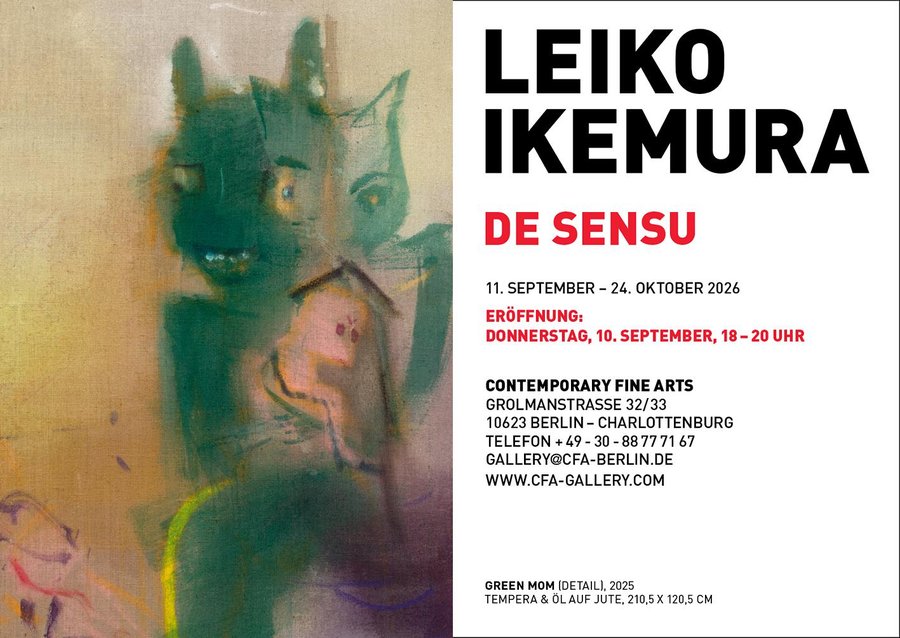
Contemporary Fine Arts
Museum / institution
- ChertLüdde presents Un orlo a giorno per il mio diario (A hemstitch a day for my diary), the second exhibition by Clemen Parrocchetti (Milan, 1923–2016) at the gallery. A rebellious and nonconformist artist, Parrocchetti experienced 1968 as a turning point for creative and political change. It was precisely during those years of intense feminist struggles that the artist used the tools and methods of domestic labor to take a stand on the movement’s most controversial issues, including the subjugation of women, emancipation within the household, recognition of domestic work, abortion rights, divorce, the denunciation of domestic violence, and the defense of sexual
Clemen Parrocchetti Un orlo a giorno per il mio diario (A hemstitch a day for my diary)
Until 31 Oct 2026
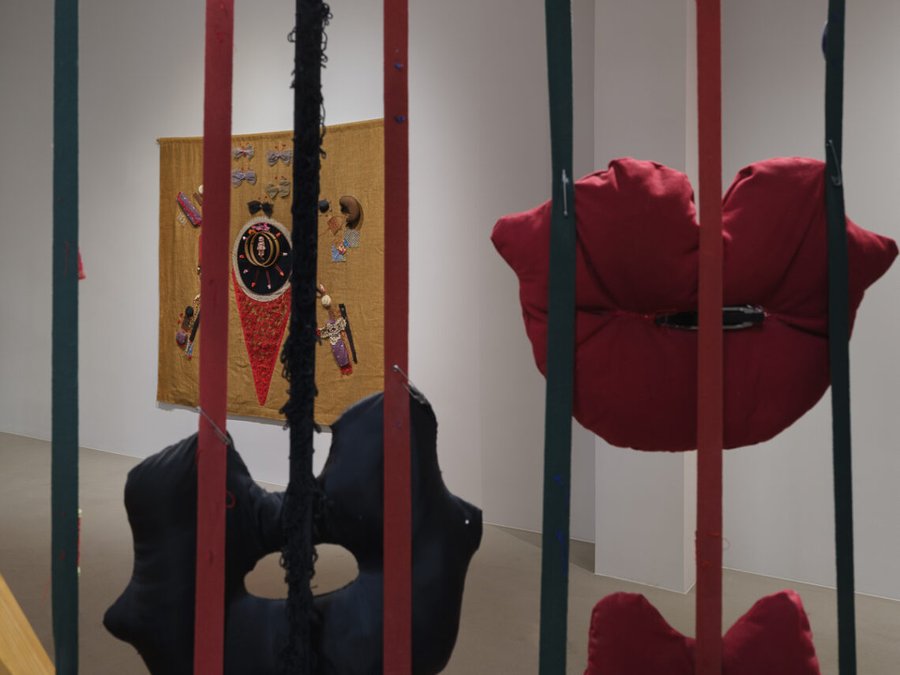
ChertLüdde
Museum / institution
Marc Mulders My Garden is your Garden
Until 31 Oct 2026
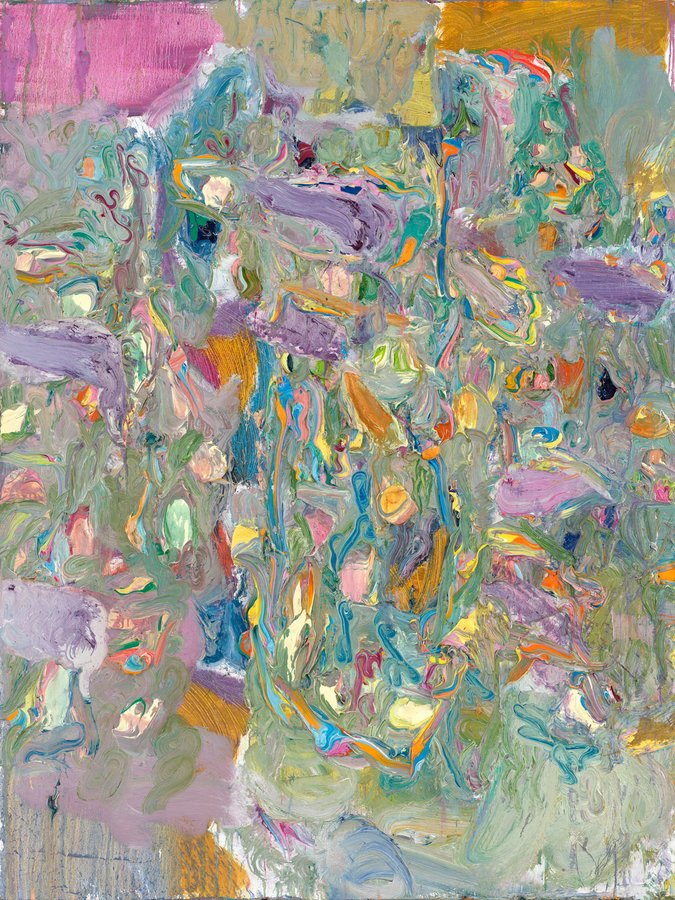
Galerie Born
Gallery / art space
- Jean-Luc Mylayne has devoted his life to philosophical questions about our place on Earth—questions for which birds and their natural habitats serve as both subject and symbol, and through which he probes what it means to be human alongside nature. Made in close collaboration with his life partner, Mylène, each photograph is the result of months of patient work, a sustained investigation into temporality, perception and community. Sprüth Magers is pleased to present Reflection, a solo exhibition of Mylayne’s work, on the occasion of Berlin Art Week. The majority of the images on view were conceived during a residency in Marfa, Texas, where Mylayne was drawn to the intense shades of blue found in the water and sky, and sometimes in the birds themselves. Reflection, the title of this exhibition, speaks to the contemplation that Mylayne’s work invites, centred around the question how human beings might truly coexist with the natural world.
Jean-Luc Mylayne Reflection
Until 24 Oct 2026
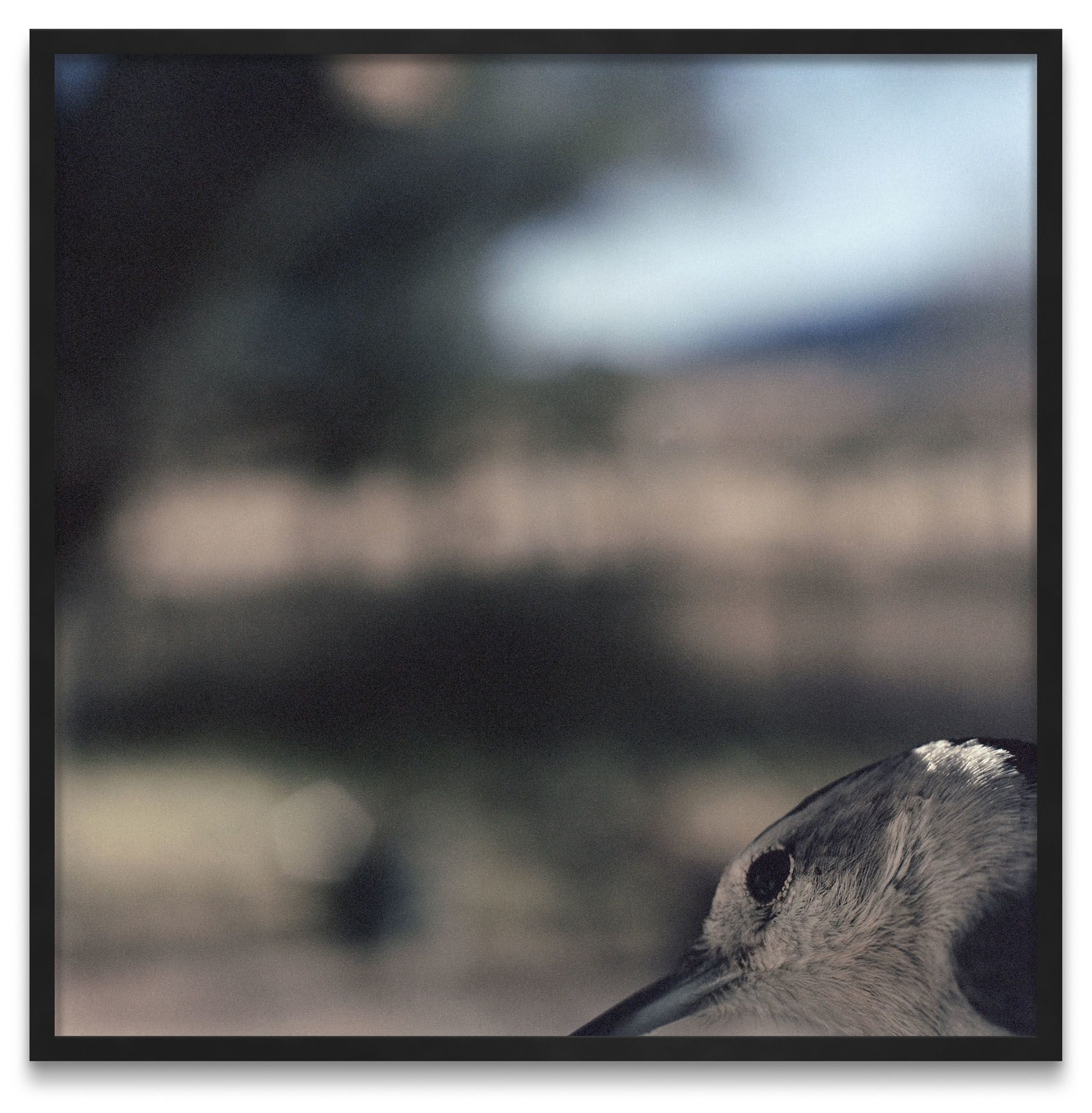
Sprüth Magers
Gallery / art space
- Ein Raum mitten im Wald: Das internationale Architektur-, Design- und Kunstkollektiv ConstructLab gestaltet für den Garten des Brücke-Museums einen besonderen Ort für Naturerfahrung, soziale Begegnung und künstlerische Produktion. Der offene und transparente …
ConstructLab Waldraum
Until 23 Feb 2027
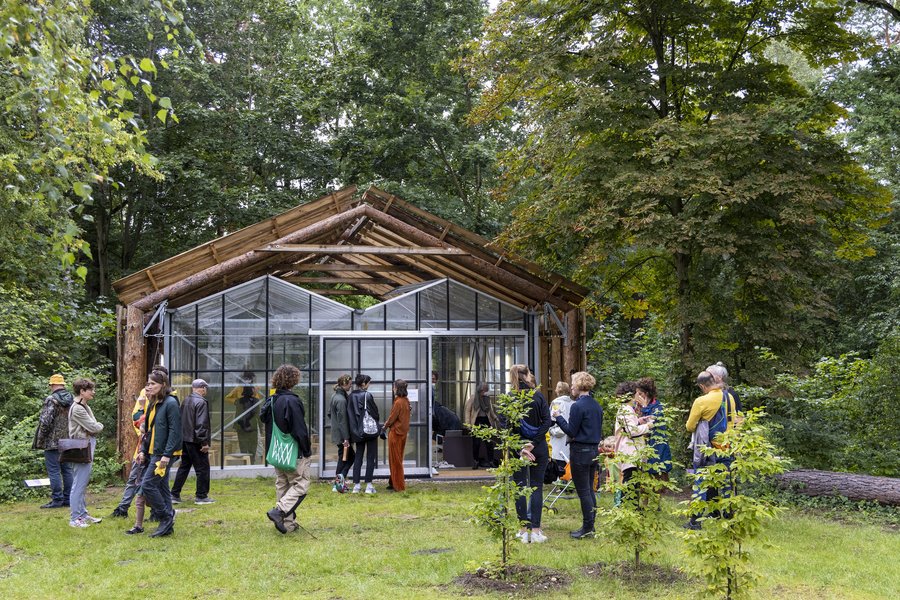
Brücke Museum
Museum / institution
- Die Ausstellung zeigt erstmals die langfristige Leihgabe der Gerhard Richter Kunststiftung an die Neue Nationalgalerie. Über 100 Werke hat der Künstler Gerhard Richter (* 9. Februar 1932 in Dresden) der Neuen Nationalgalerie dauerhaft überlassen. Die Werke spiegeln die große Vielfalt seines künstlerischen Schaffens, von einer handwerklich, mit Pinseln oder Rakeln hergestellten Malerei bis in ganz andere Formen der Gestaltung. Neben Leinwand und Farbe nutzte Gerhard Richter von Anfang an immer auch andere Materialien und Techniken. Er ging beispielsweise von Fotografien aus, die er zum Vorbild für Motive nahm oder selbst wiederum mit Farben übermalte. Besonders Glas stellt ein importantes Element in seiner Kunst dar. In der transparenten Fläche spiegelt sich die Welt wie in einem Fenster. Es ergeben sich je nach Aufstellung, Format oder Einfärbung ganz eigene Bildwelten. Im Zentrum der aktuellen Ausstellung steht die Installation "6 stehende Scheiben" (2002/2011). Die hoch aufragenden Glasscheiben schaffen ein spannungsvolles Spiel zwischen Durchsicht und Spiegelung und fordern uns heraus, unsere eigene Position im Raum neu zu erleben. Das Werk verändert sich ständig durch Licht, Bewegung und Perspektive. Es lädt dazu ein, über das Verhältnis von Sichtbarkeit und Wirklichkeit weiter nachzudenken.
Gerhard Richter. 100 Werke für Berlin
Until 31 Dec 2026
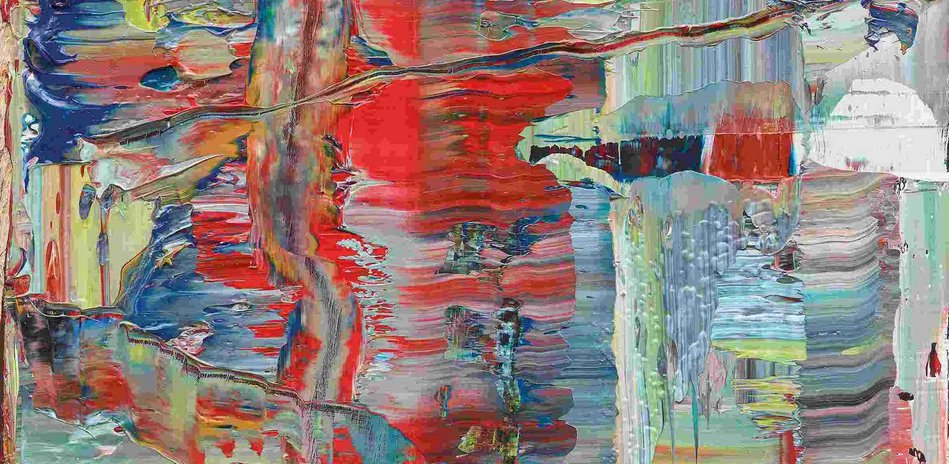
Neue Nationalgalerie
Museum / institution
- carlier | gebauer, Berlin, is pleased to announce New Systems (For Relationships), a solo exhibition by Lúcia Koch, opening on the occasion of Berlin Art Week 2026. Lúcia Koch is a Brazilian artist who lives and works in São Paulo. Over the years, she created various bodies of work that co-exist and form an evolving repertoire that is taken by the artist as a source of possible responses to a given context. In her practice, Koch approaches architecture as a language to be explored. By introducing filters, images, additions or subtle acts of subtraction, she transforms familiar spaces into environments where colour, light and human presence continually reshape the experience of place. Since 2022, Koch has been developing New Systems (For Relationships), a body of work centred on autonomous structures that relate more closely to the bodies of viewers than to singular architectural spaces. The works operate with intersubjectivity by acting as communication devices between people. As visitors move through, around and within them, they become part of an ever-changing network of relationships. Every movement generates new constellations of colour, perception and proximity. Like a mathematical equation with infinite variables, each individual brings a unique reality to the work, making every encounter and every possible outcome endlessly renewed. The pieces are composed by mobile structures with fabric-filters, and the shape of each module combines either curved or straight sections of rails, exercises on topology taking the colours and forms as attributes, as it is in the language of logic-mathematics, the artists mother tongue. The modules can be a symmetric cross formed by four straight lines, or an S shape that reminds us of furniture pieces designed for very formal dating, or two straight lines joining each other to form an acute angle. They can also be combined further into more complex tri-dimensional diagrams like the Infinite, with enclosed areas that can be entered by the viewer. The works thus obscure and divide the room they are placed in, imposing an almost overwhelming presence of colour. Within these Systems there are three different sets of colour gradients and degrees of transparency, addressing to different moods and ways to be or act in the space. Since 2010, Koch has produced immersive interventions with fabricated filters, that consist in colour gradients printed on translucent fabrics and installed in curtain rails. Those undulating surfaces give body to the colour transitions, mediating the interactions of viewers with the space and to one another. People can cross or move around the fabric-filters. In Tumulte (2022), a large-scale intervention at Palais de Iéna in Paris, the artist created a sort of turmoil through a massive installation of layers crossing each other. The fabrics seemed to escape through the windows, giving the impression that they could not be contained by the building. Those pieces outside could be seen as flags, hanging for unknown reasons. Other installations using curtain-filters were also presented at Casa de Vidro (São Paulo, Brazil, 2019) and the Islamic Arts Biennale (Saudi Arabia, 2025). Koch’s latest installation with curtain-filters, Dolapdere Suiti, is currently on show at Arter (Istanbul, Turkey). Lucia Koch will present new interventions at Anatomy of presence, curated by Svenja Frank and Jérôme Sans, at Schauwerk Sindelfingen Foundation, which will open in September 2026. She will also participate in the Biennale de l´image in Vevey.
New Systems (For Relationships)
Until 28 Oct 2026
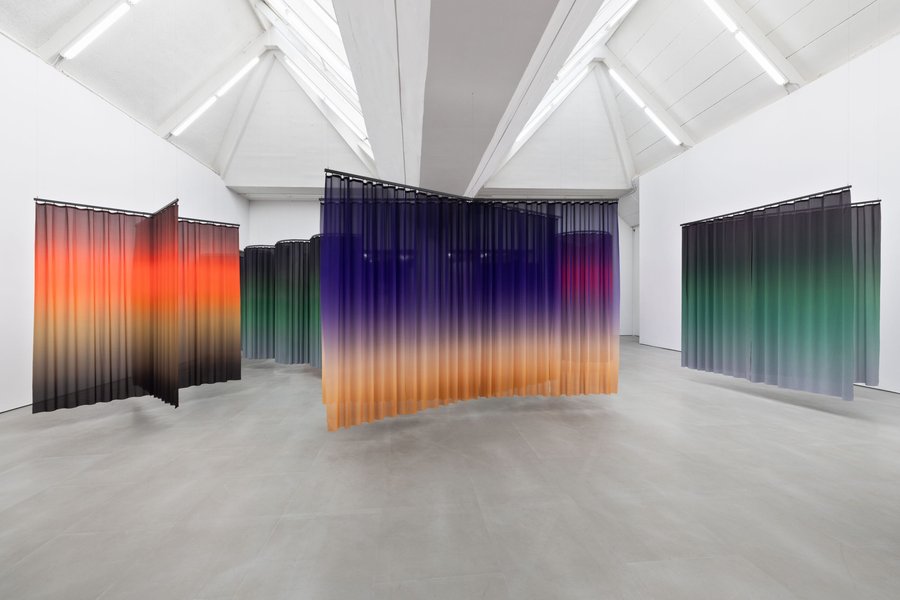
Carlier / Gebauer
Gallery / art space
- Nicht nur Alice folgte dem weißen Kaninchen... Dieses erzählerische Bild ist mittlerweile generationsübergreifend vor allem im popkulturellen Gedächtnis verankert und steht als Metapher für unterschiedliche Wege ins Unbekannte. Rufen wir uns die Bilder in Erinnerung, die beim Lesen des Romans „Alice im Wunderland” von Lewis Carroll entstanden sind, oder die aus den zumeist filmischen Adaptionen, so führen sie uns wieder in fantastische Welten. Beim Lesen greift unser Verstand auf eigene Erfahrungen und Assoziationen zurück, um die beschriebenen Szenen, Handlungen und Figuren wie in einem Film zu visualisieren. Dies erfordert eine aktive kognitive Leistung, die nicht nur die Identifikation mit dem Gelesenen erhöht, sondern auch dafür sorgt, dass Informationen bzw. Geschichten wesentlich länger im Gedächtnis
Follow the White Rabbit. Groupshow
Until 31 Oct 2026
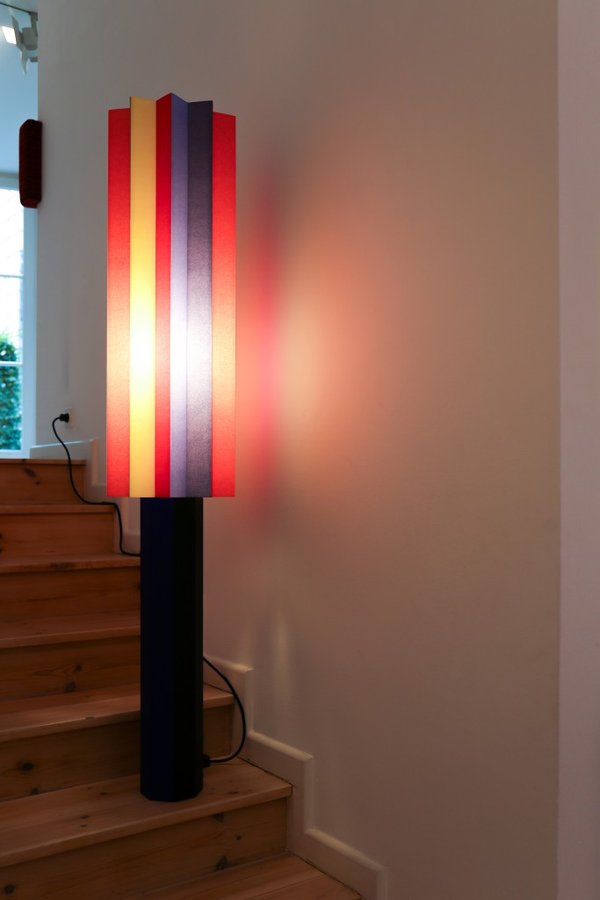
Galerie Georg Nothelfer
Gallery / art space
- The event series [Digital] Present Feminist Futures is dedicated to the feminist exploration of the internet at the interface of technology, art and activism by exploring the entanglements of digital and analogue forms of knowledge production. While at the beginning of the 1990s feminists saw an opportunity to overcome conventional gender roles through new digital discursive spaces in the new information and communication technology, still today the internet is a largely hegemonic, heteronormative and masculine structured and occupied space. In on- and offline lectures, workshops and multimedia performances, we want to create a platform for the production of new ideas of contemporary feminist (digital) culture. At the same time, we want to understand and question current processes and strategies. In doing so, we also seek to explore direct possibilities of action for the near or present feminist, queer and intersectional future. Here, forms of analogues knowledge production will be set in relation to the digital. Which feminist utopias or ideas of the future can already be lived today and are no longer utopian thanks to various digital devices? To what extent has feminist hope for the digital space as an emancipatory space been fulfilled to this day? How can actions look like when decidedly sexist or even misogynous digital spaces open up in which, for example, Incels connect themselves? How can (resistant) strategies and options for action appear to intervene in the digital space with feminist positions? Which apps are needed, for example? And what (analogous) knowledge would be useful here?
[Digital] Present Feminist Futures
Until 31 Dec 2026
![[Digital] Present Feminist Futures at ALPHA NOVA & GALERIE FUTURA, Berlin](https://pub-1070865a23b94011a35efcf0cf91803e.r2.dev/agenda/2026/03/5ef92eae-5c47-402a-a7c8-e33d67970efd.jpg)
ALPHA NOVA & GALERIE FUTURA
Gallery / art space
- The exhibition brings together paintings, collages, and works on paper in the artist’s first solo exhibition in New York and first institutional presentation in the United States. Rather than documenting ruin, Azzam begins with it, recognizing it as an enduring condition of the built environment and transforming the city into landscapes that speak as much to human making as to human unmaking. Central to the exhibition are the artistic lineages informing Azzam’s practice. Like his teacher, Marwan Kassab-Bachi, who repeatedly returned to his own face as a motif until it dissolved into landscape, Azzam revisits the city with similar persistence. Further developed during his years in Germany, this investigation enters into dialogue with the traditions of postwar German painting. The exhibition positions Azzam within a broader contemporary return to the city as a site through which the possibilities of painting continue to be reimagined.
Tammam Azzam: A Horizon Remains
Until 3 Dec 2026
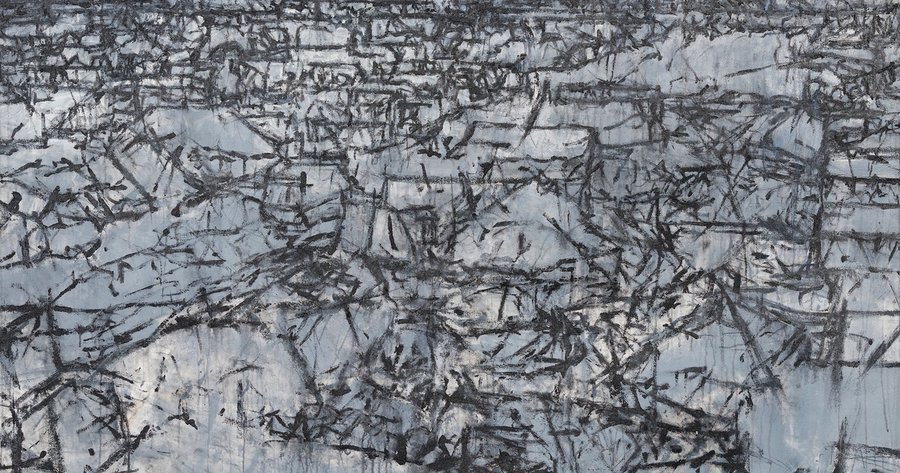
68projects
Museum / institution
Metaxy : Zwischen Zerstörung und Wiederaufbau
Until 6 Dec 2026
Akademie der Künste – Pariser Platz
Museum / institution
- There is something both alluring and ominous about Brigitte Radecki’s latest group of paintings. On each square support, flat, luminous panes of a singular hue—red, green, yellow, blue—appear to float over, slide under, and butt against one another with varying degrees of force. The forms are clearly defined, but their spatial relations are uncertain: will they hold, or shift in the next instant? This sense of potential, of aliveness, is heightened by the optical interactions of carefully calibrated saturations and values. I find myself experiencing something like landscape: the shifting effects of light and atmosphere on perception. There is no “outside” to the forms on the painting, no background to the foreground, and no illusion of separation between image and me. The paint surfaces are almost smooth; if I look at them from just the right angle, with the light raking across the surface, I see the rigour of Radecki’s paint handling as well as the subtle irregularities that come from making with a human hand. I feel close to the paintings, perhaps too close. I instinctively step away. There is a compelling paradox at the heart of Radecki’s approach. She establishes precise conditions for chance and then relinquishes control over what those conditions produce. She haphazardly folds a sheet of construction paper, drops it on the floor, photographs the resulting form, and uploads the digitally transformed image to her computer. She then translates this accidental configuration through an extended process of looking, mixing, adjusting, and painting, layer by layer, in thin washes of pigment. The quick, offhand event that begins the process becomes something slow, drawn out, meditative, and precise: a patiently executed painting whose final appearance could not have been predicted from the process that produced it. Even before reading the titles—Burning 25, Sliding Soil, The Sky is Falling, It Was a Dark and Stormy Night, Greenhouse, and Aftermath—I sensed a portentousness in the works. The titles allude to events: fire, moving earth, a storm, heat trapped in an atmosphere, and what remains after something has happened. They connect me to the world in which I live, and to the uncertainty that increasingly pervades it. In the context of our changing climate, this uncertainty feels particularly charged. The old sublime placed us before the overwhelming power of nature: the mountain, the ocean, the storm. These paintings lead me somewhere else. Their power does not come from grandeur but from uncertainty—from a world in which events unfold through systems too complex to see in their entirety, and whose consequences cannot be fully predicted. We are not simply spectators standing outside these systems; we are implicated in them, even as we struggle to comprehend their effects. Radecki’s paintings ask me to remain in the space between knowing and not knowing, between accident and intention, between beauty and apprehension, between event and aftermath.
Brigitte Radecki : It Was a Dark and Stormy Night
Until 31 Oct 2026
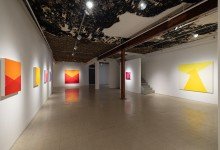
ART MÛR BERLIN
Museum / institution
- The group exhibition "Un Jardin d’Hiver", a carte blanche for curator Sam Steverlynck, takes the unique setting of GNYP Gallery as its point of departure. Housed in a building dating from 1912 on Jan Van Rijswijcklaan in Antwerp, the gallery is distinguished by its high-ceilinged rooms, wooden wainscoting, grand staircase, and elegant stained-glass dome adorned with decorative motifs. The building was constructed in the Neo-Regency style at the end of the Belle Époque, a period of prosperity during which, among other things, Antwerp’s banking sector and port experienced remarkable growth. Affluent citizens commissioned stately residences in a wide variety of eclectic architectural styles, from Neoclassicism to Art Nouveau.
Group Exhibition "Un Jardin d'Hiver" curated by Sam Steverlynck
Until 28 Nov 2026
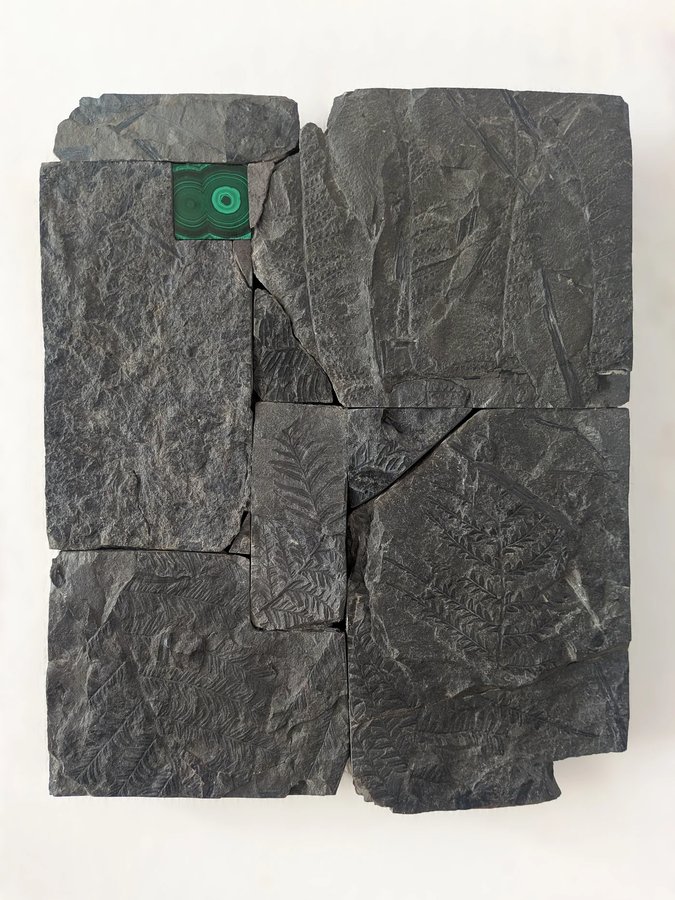
GNYP Gallery
Gallery / art space
Kapwani Kiwanga – Pollen
Until 1 Jan 2027
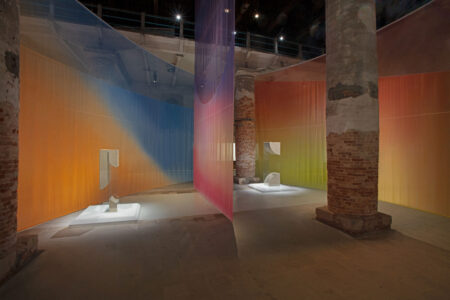
Galerie Tanja Wagner
Gallery / art space
- Im ersten Raum der Galerie zeigt die Leipziger Künstlerin Franziska Holstein 60 mit Acrylfarbe bemalte Papierarbeiten ihrer neuen 90-teiligen Serie "o.T. (90_2026)" – die weiteren 30 Werke dieser Serie werden ab dem 18. September in der Galerie Friese in München ausgestellt. Die Serie enstand Anfang des Jahres anlässlich der Ausstellung "Colour Crush" in der Kunsthalle Nürnberg.
o.T. (1-60/ 90_2026) Franziska Holstein
Until 7 Nov 2026
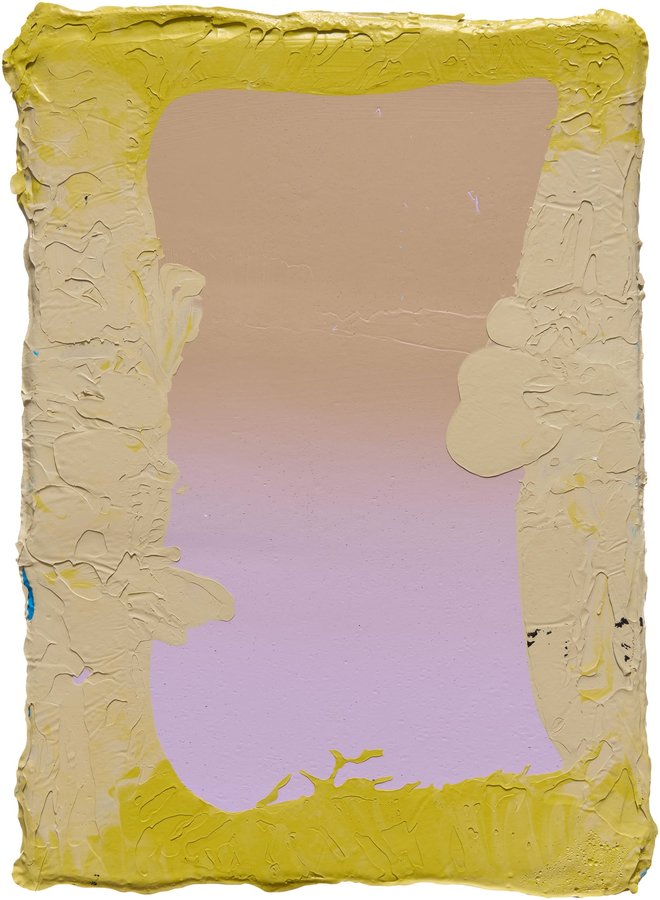
Galerie Klaus Gerrit Friese
Gallery / art space
- The exhibition presents a kind of microcosm, a mirror onto something larger—or other—than itself. And yet, it is also a buildup: of internal references and external influences; of non-linear processes of exchange; of recurrences and the subtle shifts that they bring; of one fluid body flowing into many. Here, stratifications of time, like parallel existences, seem to both stretch open infinitely and condense into spectral traces, as though fossilized in stone.
Kerstin Brätsch : Die Sein: Para Psychics Expanded (Excerpt)
Until 7 Nov 2026
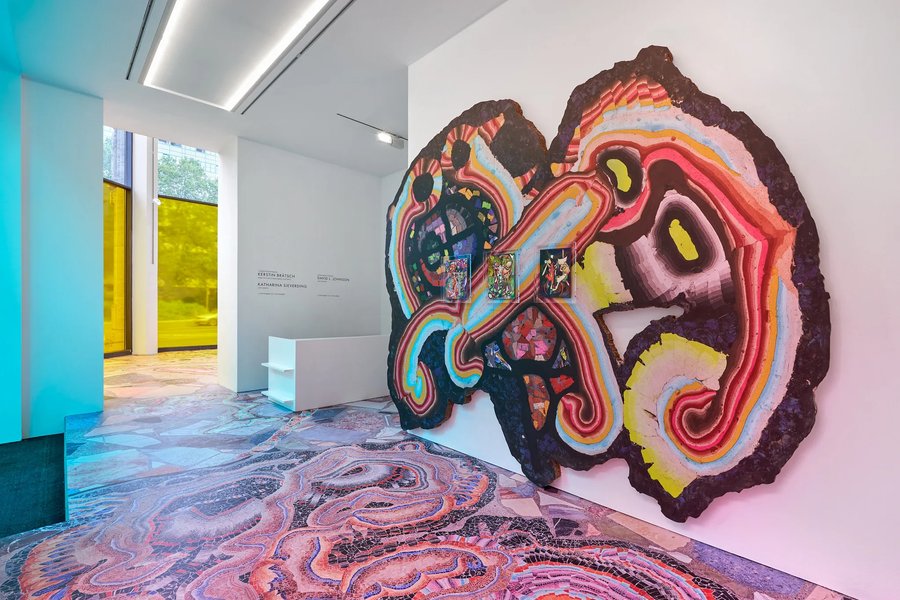
Galerie Thomas Schulte
Gallery / art space
- With this exhibition, Al Qadiri ventures into new territory by turning her attention to ancient Egypt, a subject that has long fascinated her. The works on view were first presented in 2024 at Bozar in Brussels.
Monira Al Qadiri the Archaeology of Beasts
Until 8 Nov 2026
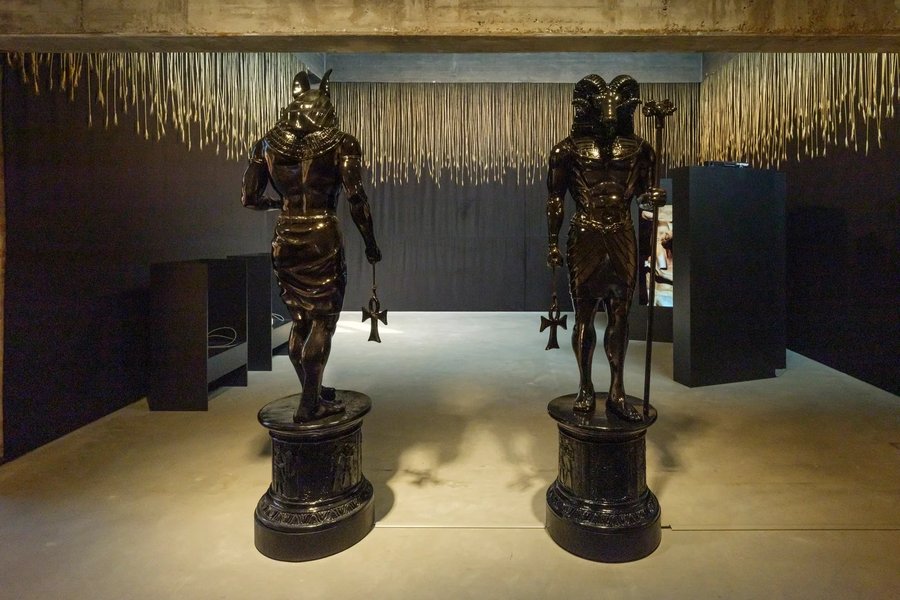
König Berlin (St. Agnes)
Museum / institution
- Der Neue Berliner Kunstverein (n.b.k.) präsentiert die erste Ausstellung des Berliner Regisseurs und Autors Christoph Hochhäusler (*1972 in München). Seine preisgekrönten Arbeiten sind Ausdruck ästhetischer, gesellschaftlicher und politischer Interessen, die sich in einem genuin filmischen Fluchtpunkt vereinigen. Sein neuer Kurzfilm Das Paradies vertreibt uns (2026) ordnet Fotografien aus den 1950er und 1960er Jahren, die Hochhäusler auf einem Berliner Flohmarkt gefunden hat, in eine narrative Struktur ein. Die Ausstellung zeigt darüber hinaus Dokumente und Materialien zu Hochhäuslers frühen und aktuellen Werken – u. a. Storyboards, Setfotos, Filmplakate und Ausgaben der von ihm mitgegründeten Zeitschrift Revolver (seit 1998) – und gibt Einblick in das Oeuvre eines kompromisslosen Cineasten.
Christoph Hochhäusler
Until 8 Nov 2026
Neuer Berliner Kunstverein
Museum / institution
- George Nuku in der Ozeanien-Ausstellung des Ethnologischen Museums im Humboldt Forum © Staatliche Museen zu Berlin, Ethnologisches Museum / Pierre Adenis Upcycling-Workshop mit George Nuku © Staatliche Museen zu Berlin, Ethnologisches Museum / Pierre Adenis Arbeiten, die während des Upcycling-Workshops mit George Nuku entstanden sind, und im Rahmen seiner Ausstellung präsentiert werden © Staatliche Museen zu Berlin, Ethnologisches Museum / Pierre Adenis George Tamihana Nuku ist einer der führenden zeitgenössischen Künstler Neuseelands. Als Bildhauer arbeitet er neben Stein, Knochen, Holz und Muscheln vor allem mit Styropor und Plexiglas. Ab dem 18. Mai 2025 präsentiert das Ethnologische Museum in zwei Räumen des Ausstellungsbereichs „Ozeanien“ im Humboldt Forum drei großformatige Interventionen des Māori-Künstlers. Diese sind während zweier Fellowships entstanden, die George Nuku im März 2024 sowie von März bis Mai 2025 im Rahmen der Initiative „Das Kollaborative Museum“ absolviert hat. Manatunga ist die Māori-Bezeichnung für wertvolle Gegenstände, Erbstücke und Schätze der Ahnen. Das Wort impliziert, dass sie stehen – aufrecht sind. Es wird auch in dem Zusammenhang verwendet, dass diese besonderen Stücke konzentrierte Speicher von Geschichten und Emotionen sind. Drei Installationen im Ozeanien-Bereich des Ethnologischen Museums Die von George Nuku eigens für den Ozeanien-Bereich der Dauerpräsentation des Ethnologischen Museums im Humboldt Forum geschaffenen Interventionen werden in zwei Räumen gezeigt: So findet sich eine großformatige Installation in der großen Bootshalle (Raum 215) mit ihrem Fokus auf den Beziehungen zwischen Mensch und Meer und den Einflüssen durch Klimawandel und Umweltverschmutzung. Zwei weitere Interventionen werden im Raum 219 präsentiert, in dem Exponate aus Polynesien und ihre Beziehungen zu Ahnen und Gottheiten ausgestellt sind. In allen drei Installationen nimmt Nuku die Thematik der Ausstellungsräume auf und stellt eine Verbindung zu den dort gezeigten Objekten aus der Ozeanien-Sammlung des Ethnologischen Museums her. Die zeitgenössischen Kunstwerke erlauben eine Neuperspektivierung der historischen Objekte, wie Nuku erläutert:
Manatunga – künstlerische Interventionen von George Nuku
Until 30 Nov 2026
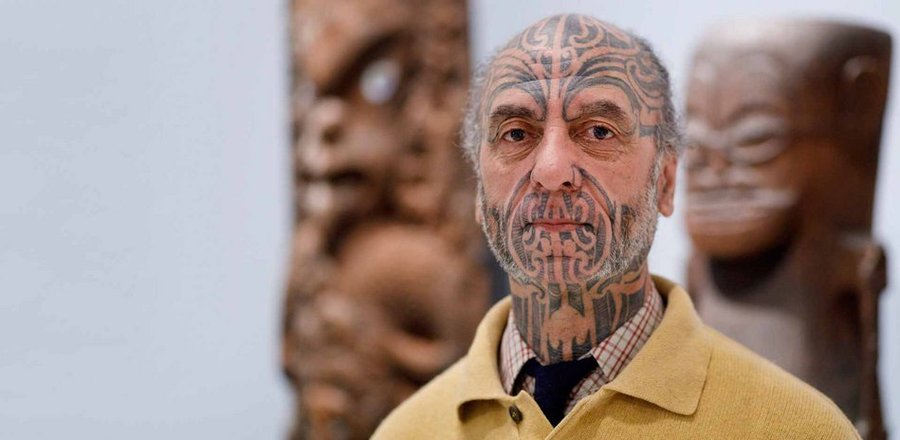
Humboldt Forum
Museum / institution
- This greatly anticipated solo exhibition by Abdulnasser Gharem, one of the most influential contemporary artists in the Gulf region, features three new projects: Aniconism 2026, The Unscored Goal, 2026, and The Image is a Public Menace (Neon), 2026. The term "Aniconism" (Anikonismus) was coined by the 19th-century German classical archaeologist Johannes Adolph Overbeck in 1864. It means the practice or belief of avoiding the visual representation of divine beings, sacred figures, or living creatures in art and worship. Often rooted in religious doctrine, it aims to prevent idolatry by substituting direct imagery with symbols, abstract shapes, calligraphy, or empty space. In 2015, Abdulnasser Gharem found an unusual way to transport a female mannequin sculpture to Riyadh, where the display of such figures was considered inappropriate. The mannequin was taken to a workshop in Dubai, where it was cut into small pieces, which were then reassembled in Riyadh. Gharem then invited his fellow artists to take part in an "art class" in which they re-enacted a famous work by Martin Ferdinand Quadal from 1787 titled "The Nude Drawing Room of the Vienna Academy." A large "tableau vivant" photograph captures this scene. An earlier version of Aniconism was presented at Sharjah Art Museum in a joint exhibition with Austrian artist Heimo Zobernig, *Subversive Forms of Social Sculpture*, 2018, curated by Amira Gad. We are most delighted that Heimo Zoberning has agreed to design the exhibition space for Gharem’s exhibition in Berlin - with one of his signature curtains made of "Video Green Trevira", a material that was used in the film industry to create spatial effects long before the age of AI. After Gharem received the invitation to *The Great Michelangelo Is Dead!*—an exhibition that explores the fascinating tension and the possible correlations and processes of repulsion between the avant-garde and the academy—the artist added several crucial layers to the project. He asked a Vienna based copyist who was trained in the Vienna Academy to paint his photograph of the art class from 2015 in the same technique used by Martin Ferdinand Quadal in 1787. Gharem documented every step in video, in the copyist's studio as well as on site at the Academy, next to the original Quadal painting. In a second large-format painting, we see the scene in which the art class participants are assembling the mannequin. Abdulnasser Gharem’s Aniconism is a brilliant reworking of history painting. With a frontrow seat to profound changes in the role of art in daily life across the region, Gharem brings his artistic vision to bear on a historic moment. By moving a contemporary scene from a Riyadh studio through the visual language of European painting and into the hands of painters in Vienna, he asks how history is pictured, who possesses the authority to represent it, and what changes when an image moves between cultures. The work stands as a pivot point, deeply rooted in the transformations unfolding around him while claiming the scale and ambition of grand history painting. – Nato Thompson (excerpt from the essay Abdulnasser Gharem: Aniconism, 2026)
The Image Is a Public Menace
Until 14 Nov 2026
Galerie Nagel Draxler
Gallery / art space
- HYPOCENTER 1945-2025>, 2025, Screening-Performance, 00:20:08, Photo: Karolina Sobel «How has your historical research been going since 2022, when Russia attacked several targets in Ukraine?», Iden Sungyoung Kim asks me. We had both started to focus on the 1960s, on nuclear testing, Cold War international relations and their brutal consequences, at around the same time. In 2018, our interest seemed to belong to a hazy past. But I recall the perceived historical distance collapsing with the increasing militarization of the present – and it continues to do so. The testing of an extremely powerful hydrogen bomb in 2016 as part of North Korea’s nuclear rearmament caused a contemporary Sputnik shock. This was the starting point for Iden Sungyoung Kim’s artistic research into this thematic complex. «The international press was alarmed», she says in her new work Lunch? I Said LAUNCH (2026). Her South Korean friends and family shrugged their shoulders over reports of these renewed experiments by their «very strange neighbour». An intimate relationship to everyday violence and its linguistic forms pervades Iden Sungyoung Kim’s work. How do people deal with violence beyond human comprehension? What are adequate words or emotions? In Lunch? I Said LAUNCH, the artist examines the tortuous complex of history, politics, the contemporary moment and pop culture humorously, weaving together autobiographical experience and commemorative sequences in the genre of a comedy show. Based on the use in South Korean slang of the word «nuclear» for «very much», «ultra» or «brutal» – as in «Nuclear Spicy Chicken» instant soup – she shows how memory reshapes, expands and takes wild twists and turns in consumerist culture and collective memory. «I ate an egg in Fukushima!», Iden Sungyoung Kim tells me in her studio, fascinated by the simultaneity of normalcy and exception that enabled her to undertake a kind of publicity tour to Fukushima. A carefully curated image for an organized group. Kept out of the picture was Japan’s imperial past and its alliance with National Socialist Germany during the Second World War. This journey was the starting point for the performance Hypocenter 1945–2025 (2025). In this work, a person in a hazmat suit and gas mask distributes liquids. Unruffled movements convey an impression of precision. But this is deceptive. The boundaries between interior and exterior, between maximum control and deliberate loss of control, are blurred. The liquids are drinks, whose layered texture brings to mind the heatwaves of an atomic explosion and whose names – «Manhattan» and «B52» – refer to the US nuclear bomb research project and the long-range bomber also used in the Vietnam War. They are extra strong. Here, Iden Sungyoung Kim subtly stages the delayed visceral effects of toxins. Memory and the possibilities of forgetting go hand in hand. Feelings are sometimes enhanced, sometimes numbed. Traces of the performer’s presence remain in the space: a table with glasses, candles, bottles and the hazmat suit and gas mask. A video is playing in the background. The sea glitters in the red light of the setting sun, with only occasional clouds
Lunch? I Said LAUNCH!
Until 15 Nov 2026
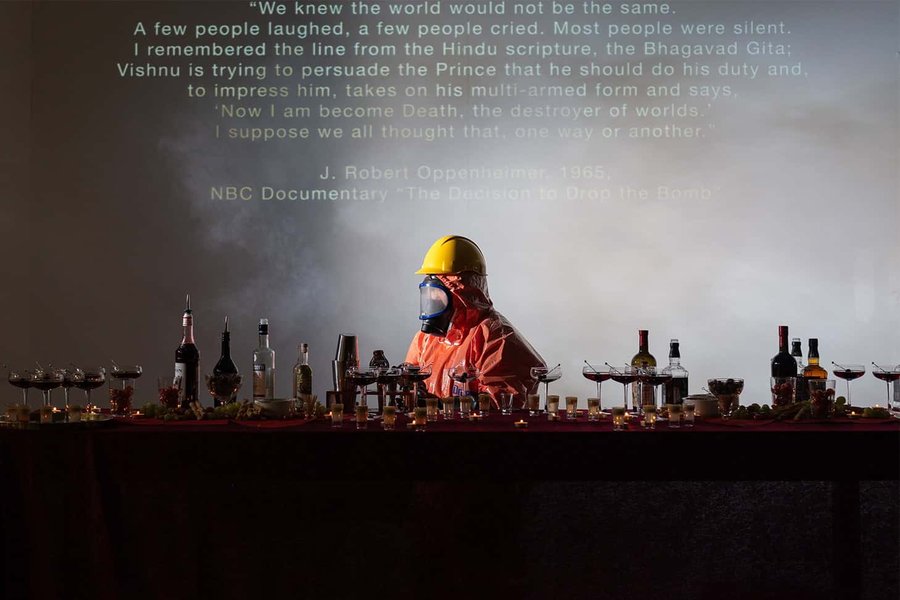
Künstlerhaus Bethanien
Museum / institution
- Zum Auftakt einer neuen Kabinett-Reihe in der Alten Nationalgalerie ist das Nationalmuseum in Warschau zu Gast auf der Museumsinsel. 1876 eröffnete der preußische König feierlich die „National-Galerie“ auf der Museumsinsel. Entgegen der auf dem Giebel befindlichen Aufschrift „Der deutschen Kunst“ war die Sammlung von Beginn an international und wurde zu einer der wichtigsten deutschen Sammlungen französischer Avantgarde ausgebaut. In ihrer neuen Reihe „InterNationalgalerie“ lädt die Alte Nationalgalerie über die nächsten Jahre kontinuierlich Nationalgalerien und -museen aus aller Welt ein, um mit einem Schaufenster im Haus präsent zu sein und sich entlang von besonders aktuellen Themen und Fragen dem internationalen und dem Berliner Publikum vorzustellen. Den Auftakt der Reihe macht das Nationalmuseum in Warschau unter dem Titel „Die Erfindung der Mythen“. Die Präsentation findet im 1. Ausstellungsgeschoss statt.
InterNationalgalerie 1 Nationalmuseum in Warschau
Until 17 Jan 2027
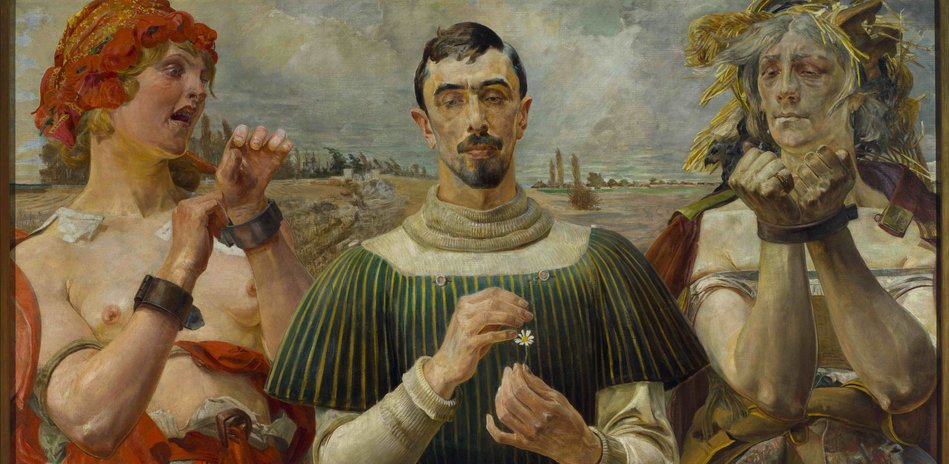
Alte Nationalgalerie
Museum / institution
- Der dritte Teil der Sommerausstellung ist einem Album von Helmut Newton gewidmet, das der Fotograf 1999 für den Sammler Gert Elfering zusammengestellt hat und inzwischen in die Nicola Erni Collection gelangt ist. Die Sammlerin zeigt das Unikat außerhalb ihrer Schweizer Ausstellungsräume nun zum ersten Mal in Berlin. Es handelt sich um 112 kleinformatige Originalabzüge in Schwarz-Weiß und Farbe sowie unterschiedlichen Bildformaten, die von Newton und Elfering ausgewählt, auf einem Trägerkarton geklebt und handschriftlich mit einem Titel oder einer ergänzenden Geschichte zum jeweiligen Bildmotiv versehen wurden. Die montierten Fotografien wurden damals nicht gebunden, sind inzwischen einzeln gerahmt und können nun, Seite an Seite, betrachtet werden. Es handelt sich um ikonische Modefotografien ebenso wie bislang noch nie gezeigte Arbeitsfotos, die am Rande seiner Modeshootings entstanden, um Polaroids und Werbeaufnahmen.
Helmut Newton‘s One-off Album
Until 15 Nov 2026
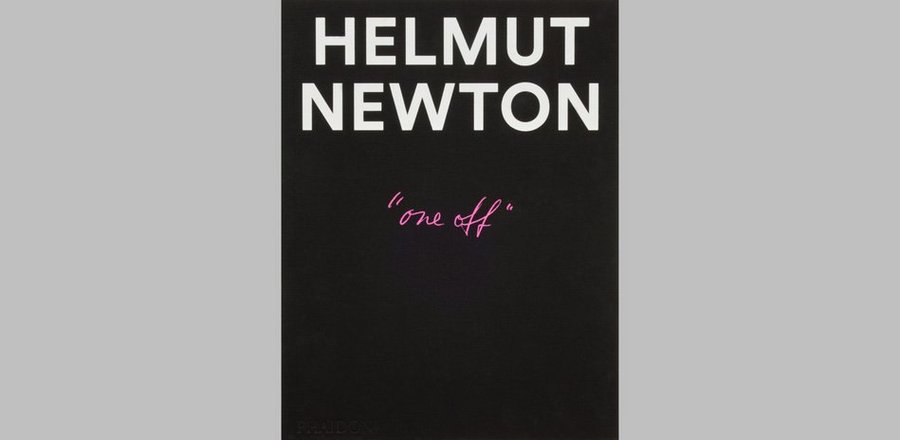
Museum für Fotografie
Museum / institution
- This year’s overarching theme is ‘FRACTURE’. The term refers to breaks and fissures that may manifest themselves in terms of subject matter as well as in materials, execution and technical processes. The fracture appears here as both an experience and an artistic device: as fragmentation, interruption or displacement that alters perception. On display are works from the fields of painting, drawing, sculpture, installation, textiles and video. The nominees for the Haus am Kleistpark Art Prize 2026 are: Paula Doepfner, Lotte Meret Effinger, Andrea Freiberg, Sabine Groß, Cornelia Herfurtner, Dina Khouri, Benjamin Kunath, Kaarina-Sirkku Kurz, Marei Loellmann, Uta Neumann, Lisa Peters, Sophie Constanze Polheim, Wagehe Raufi, Katharina Reinsbach, Maxi Thom and Emma Zimmermann. The jury comprises Franciska Zólyom, director and curator of the Galerie für zeitgenössische Kunst (GfZK) in Leipzig; Wanda Stolle, artist; Daniel Milnes, curator at DAS MINSK, Kunsthaus in Potsdam; Marta Djourina, artist; and Franziska Schmidt, gallery director of the Kommunale Galerien Tempelhof-Schöneberg.
Fracture: The nominees for the 22nd Haus am Kleistpark Art Prize 2026 are exhibiting their work
Until 13 Dec 2026
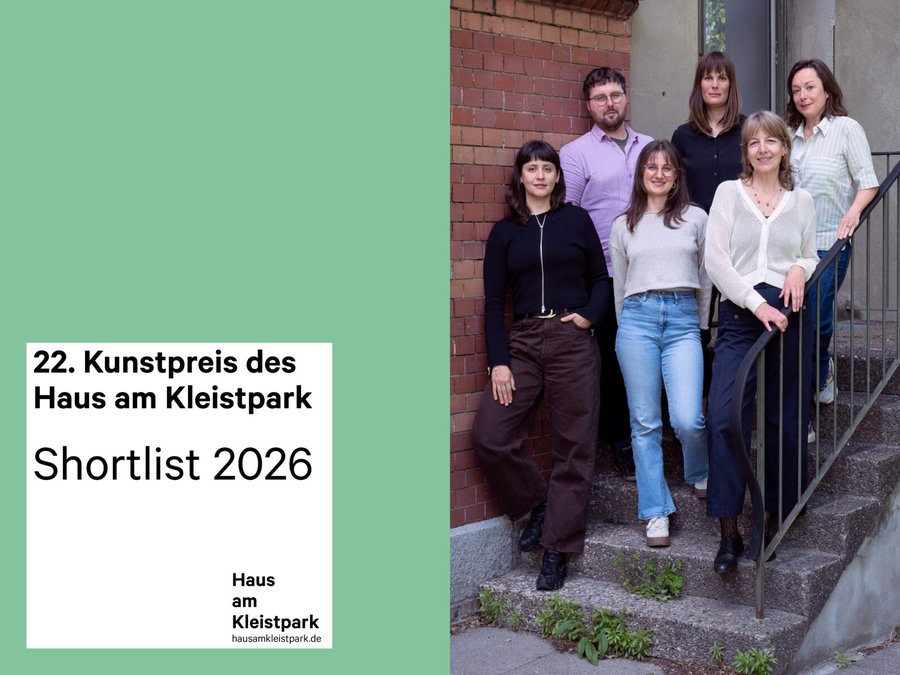
Haus am Kleistpark
Museum / institution
- Die Ausstellung im Neuen Museum widmet sich der Geschichte und der Bedeutung des Tierkreises von Babylonien bis Ägypten und die Griechisch-römische Welt. In mehrere Themenbereiche untergliedert, stellt sie den antiken Tierkreis aus aktueller wissenschaftlicher und gesellschaftlicher Perspektive vor. "Was ist dein Tierkreiszeichen?" Diese Frage wird auch heute, im Zeitalter der Wissenschaft, noch oft gestellt. Der Tierkreis fasziniert die Menschen seit der Antike. Er vereint Mensch und Kosmos, Himmel und Erde, Astronomie und Astrologie, Wissenschaft und Glaube, Tradition und Innovation, Sicherheit und Unsicherheit, Harmonie und Dissonanz. Aber was genau ist der Tierkreis? Ein Orakel, das Zeichen für die Zukunft erzeugt? Ein Spiegel, der Einblicke in die Psyche liefert? Eine Projektionsfläche für unser Streben nach Wissen und Sicherheit? Ein Koordinatensystem, das die Bewegung der Planeten berechenbar macht? Ein sichtbarer Ausdruck der himmlischen Harmonie? Oder all diese Dinge zugleich? Und woher kommt er, wie hat er sich über die Welt verbreitet, wofür wurde er benutzt, und wie wurde er dargestellt? Was ist die zeitgenössische Bedeutung des Tierkreises? In der öffentlichen Wahrnehmung wird der Tierkreis heute vor allem mit Horoskopen in Verbindung gebracht. Die Einführung des Tierkreises war ein Wendepunkt in der Astrologie. Zusammen mit dem Tierkreis entstand in Babylonien die Horoskopie als neue astrologische Praktik, die erstmals nicht nur Königen und Herrschern, sondern auch Privatpersonen aus diversen Schichten der Gesellschaft zugänglich war. Heute ist sie weltweit populär wie nie zuvor, obwohl sie als esoterische Praktik und Pseudowissenschaft eingestuft wird. Sie basiert auf dem Glauben, dass der Stand der Planeten zur Zeit der Geburt Hinweise über das Wesen und das Schicksal eines Menschen enthält. Dieser Glaube entstammt dem zeitlosen menschlichen Bedürfnis nach Sinngebung, Kenntnis über sich selbst und die Zukunft, Sicherheit und Methoden zur Bewältigung von Unsicherheit. Was könnte sinnvoller und attraktiver sein als die Erkenntnis, dass Wesen und Schicksal des Menschen mit dem Kosmos verknüpft sind? Die Aktualität des Tierkreises erstreckt sich auch auf wissenschaftliche und kulturelle Praktiken, die von zentraler Bedeutung für die moderne Gesellschaft sind. Wir sind daran gewöhnt, über Computer und Apps permanenten Zugang zu Daten, Analysen, Berechnungen und Prognosen zu haben. Die Wurzeln von systematischer Beobachtung, Datensammlung, Datenanalyse, Algorithmen, Berechnung und Vorhersagung liegen im Tierkreis und in den astronomischen Rechenverfahren, die im Zusammenhang mit dem Tierkreis in der Antike entwickelt wurden. Außerdem ist die Reise des Tierkreises und der damit verknüpften neuen astronomischen und astrologischen Kenntnisse und Praktiken durch die antike Welt ein Paradebeispiel für Innovation, Globalisierung, interkulturellen Austausch und Multikulturalität - zentrale und aktuell vieldiskutierte Gesellschaftsthemen. Die Ausstellung im Neuen Museum stellt in mehreren Themenbereichen den Tierkreis der alten Welt aus aktueller wissenschaftlicher und gesellschaftlicher Perspektive vor. Anhand von Artefakten aus Berliner Museen, darunter solchen, die noch nie ausgestellt wurden, führt sie die Besucher auf eine multikulturelle Reise durch Raum und Zeit, von Babylonien nach Ägypten, Griechenland und Rom (ca. 400 v. Chr. - 400 n. Chr.) und erklärt den Tierkreis vor dem Hintergrund seiner heutigen Bedeutung. Kuratorisches Team Die Ausstellung entstand in einer Kooperation zwischen dem Ägyptische Museum und Papyrussammlung, dem Vorderasiatischen Museum und dem Forschungsprojekt "ZODIAC - Ancient Astral Science in Transformation" (European Research Council / Freie Universität Berlin). Publikation Zur Ausstellung wird ein reich bebilderter Katalog erhältlich sein.
Schicksal in den Sternen Die Anfänge des Tierkreises
Until 10 Jan 2027
Neues Museum
Museum / institution
- Lina Lapelytės Performance „ We Make Years Out of Hours” wandelt die historische Halle des Hamburger Bahnhof – Nationalgalerie der Gegenwart für die zweite CHANEL Commission in einen Ort des gemeinsamen Handelns und Singens. Die Ausstellung übertritt Grenzen zwischen Skulptur und Performance, Individuum und Kollektiv: 400.000 Holzwürfel breiten sich auf dem Boden aus, türmen sich zu Stapeln, verbinden sich zu architektonischen und dann zu hügelartigen Strukturen. Die Klötze wandern durch die Hände von Performer*innen und Besucher*innen und so wandelt sich die hölzerne Landschaft stetig. „ We Make Years Out of Hours” ist ein lebendiges Monument für Zeit, Fürsorge und Koexistenz. Das partizipative Format betont mit der aktiven Einbeziehung des Publikums das Verständnis des offenen Museums zum 30. Jubiläum des Hamburger Bahnhof. Lina Lapelytė verwandelt die Historische Halle im Hamburger Bahnhof – Nationalgalerie der Gegenwart in eine sich stetig verändernde Landschaft aus 400.000 Holzwürfeln. Performer*innen und Besuchende errichten zeitweilige Strukturen begleitet von Klang. Stimmen füllen den Raum mit Liedern. Die gesungenen Texte basieren auf Gedichten von 15 internationalen Autor*innen aus dem frühen 20. Jahrhundert bis in die Gegenwart. Darunter der Dichter Khalil Gibran (1883 – 1931), die Schriftstellerin und Malerin Etel Adnan (1925 – 2021), die Dichterin und Filmregisseurin Forugh Farrochzad (1935 – 1967), die Dichterin Layla Sarahat Rushani (1952/4 – 2004), der Dichter Mahmud Darwisch (1941 – 2008), der Lyriker Ocean Vuong (geb. 1988), der Dichter Ilya Kaminski (geboren 1977) oder die Poetin und Autorin Arundhathi Subramaniam (geboren 1973). Kurze Zeilen über Gemeinschaft, Entstehung, Liebe, Verlust und Hoffnung bilden das Libretto des Werks. Wie der Ausstellungsraum selbst wird auch das Werk zu einem Ort ständiger Veränderung. Die 10 x 10 x 10 cm großen Klötze aus Fichten- und Kiefernholz wandern durch die Hände von Performer*innen und Besucher*innen. Strukturen entstehen und verschwinden wieder. Für jede neue Form muss eine andere weichen. Das Werk stellt Fragen nach dem, was bleibt und was vergeht. Es fragt auch, wer entscheidet, was gebaut wird, was weichen muss und wessen Leben die Last dieser Veränderungen trägt. Der Titel „We Make Years Out of Hours” (deutsch: wir machen Jahre aus Stunden) beschreibt die Bedeutung des Teils für das Ganze, aus Stunden werden Jahre, aus Einzelnen wird eine Gemeinschaft. Die in der Installation und der Performance verwendeten 400.000 Holzwürfel werden 2027 im Rahmen von Lina Lapelytės Projekt für die Neuen Auftraggeber Teil eines öffentlichen Kunstwerks in Eisenhüttenstadt.
CHANEL Commission: Lina Lapelytė. We Make Years Out of Hours
Until 10 Jan 2027
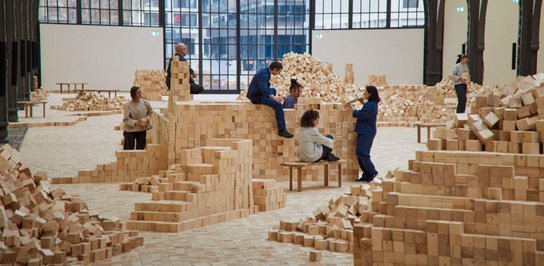
Hamburger Bahnhof – Museum für Gegenwart
Museum / institution
- Erstmalig steht das Bode-Museum selbst im Mittelpunkt einer Ausstellung. Rund eine viertel Million Besucher*innen begrüßt das Bode-Museum jährlich, seine Fassade gehört zu den Wahrzeichen von Berlin. Seine Geschichte und die hier ausgestellten Sammlungen sind oftmals weniger bekannt. Dabei stehen die Vergangenheit und Gegenwart des Hauses in unmittelbarem Zusammenhang mit der Geschichte Berlins: Wie Berlin hat auch das Bode-Museum die beiden Weltkriege, den Nationalsozialismus und die deutsche Teilung überstanden und stellt sich auch den aktuellen Herausforderungen der Corona-Pandemie.
Klartext: Zur Geschichte des Bode-Museums
Until 31 Dec 9999
Bode-Museum
Museum / institution
- in Zukunft leben? Und wie werden sie essen und trinken, welche alltäglichen Rituale der Tischkultur könnten sich im Jahr 2101 entwickeln? Mit diesen Fragen haben sich Studierende der Universität der Künste (UdK) im Rahmen des Seminars "2101 – FUTURE CERAMICS | Tischkultur der Zukunft" unter der Leitung von Prof. Julia Läufer intensiv beschäftigt. Zwölf Arbeiten sind nun im Berliner Kunstgewerbemuseum (KGM) zu sehen. Anhand spekulativer Szenarien entwarfen die Studierenden experimentelles Geschirr, das mögliche zukünftige Formen des Zusammenlebens widerspiegelt. Neben klassischen Designprozessen nutzten die Studierenden auch KI-gestützte Werkzeuge, um ihre Zukunftsvisionen zu visualisieren und zu erzählen. Keramik, insbesondere Porzellan, diente dabei als zentrales Material, das wegen seiner Langlebigkeit, Nachhaltigkeit und kulturellen Bedeutung ausgewählt wurde.
2101 – Future Ceramics Tischkultur der Zukunft
Until 28 Feb 2027
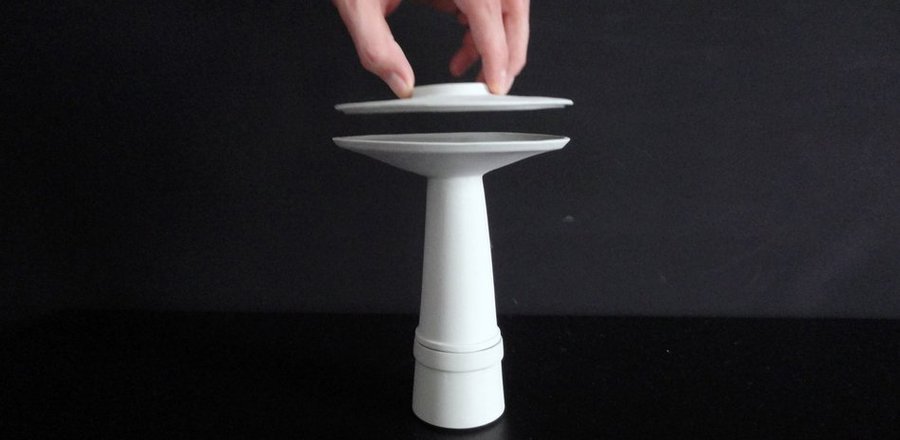
Kunstgewerbemuseum
Museum / institution
Megan Plunkett Terminal Piece
Until 7 Feb 2027
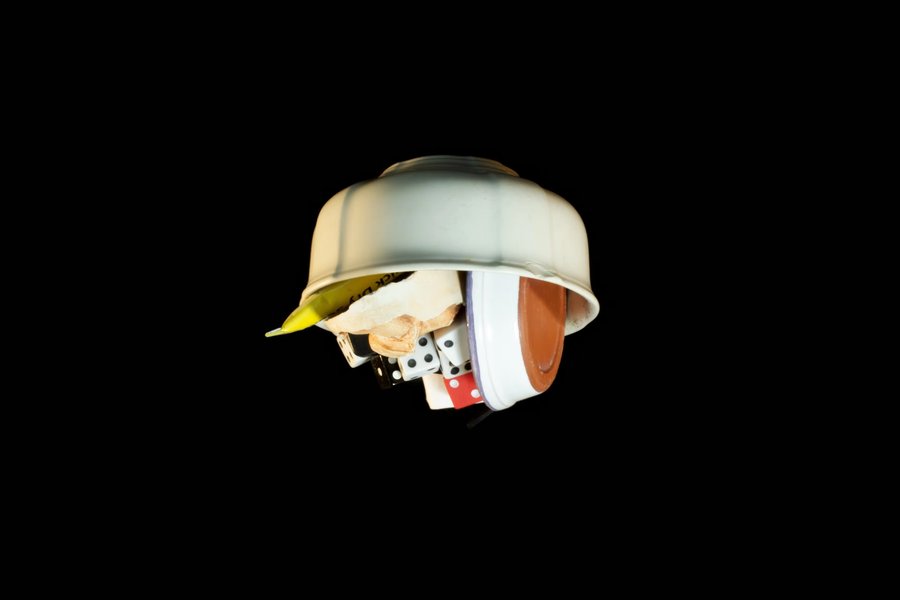
Sweetwater
Museum / institution
- The Berlinische Galerie presents, as part of the GASAG Art Prize 2026, the first institutional solo exhibition of Jeewi Lee in Berlin. In her series of images, sculptures, site-specific installations and interventions, the artist uses simple, seemingly valueless materials into which traces of time and transience have been inscribed as memory. These traces form the starting point for her artistic research, which combines scientific material investigations with aspects of Taoist philosophy and individual mythology to create poetic, meditative image worlds. Under the title 'Residual Memories', the prize-winner dedicates herself to sand as a material that appears everyday and is at the same time of global significance.
Jeewi Lee, Inner Monologue Popenguine
Until 5 Apr 2027
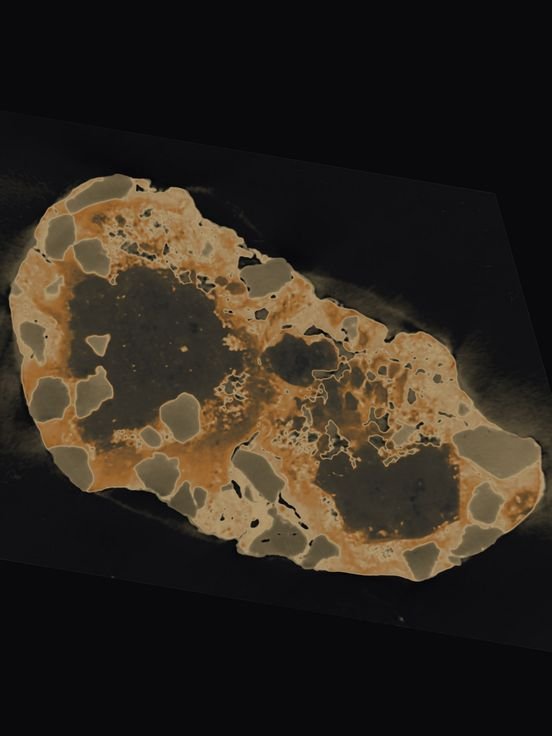
Berlinische Galerie
Museum / institution
- Thu-Van Tran (* 1979 in Ho-Chi-Minh-Stadt, lebt in Paris) stellt in ihrem Werk Verbindungen zu politischen Verflechtungen von Ländern und zum kolonialen Erbe her, dessen Spuren noch immer an vielen Orten, in Sprache, Körpern und Landschaften sichtbar sind. Im KINDL präsentiert die Künstlerin neueste und teilweise eigens für die Ausstellung entwickelte Arbeiten – darunter Keramik, Malerei und Zeichnung –, die Bezug nehmen zu den ökologischen und traumatischen Folgen von Kolonialismus in Vietnam und Australien sowie deren Resonanzen in Europa. Write As Beasts Scream at Night ruft dabei die Widerstandskräfte der Natur auf, die leise, aber beharrlich gegen die Verletzungen durch den Menschen aufbegehren. Kuratorinnen: Kathrin Becker, Magdalena Mai
Thu-Van Tran / Le Génie qui redresse le ciel
Until 14 Feb 2027
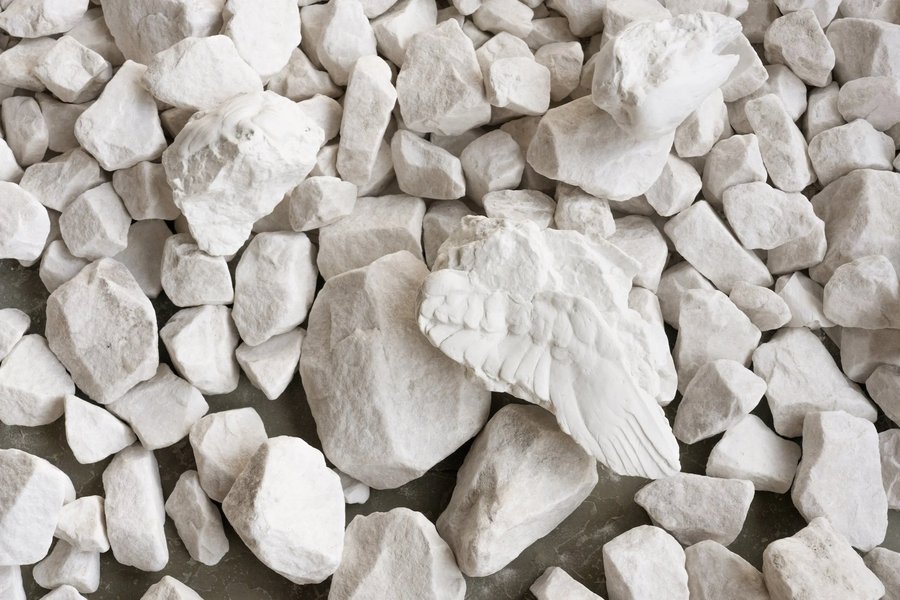
KINDL – Zentrum für zeitgenössische Kunst
Museum / institution
- Honored by Newsweek as one of the ‘150 Women Who Shake the World,’ internationally acclaimed artist and activist Panmela Castro presents her first-ever solo painting exhibition in Berlin for Berlin Art Week 2026. With Portraits of Belonging, 69Salon by Kornfeld showcases a series of large-scale paintings centered on questions of identity, belonging, and human encounter.
Panmela Castro – Portraits of Belonging
Until 22 Oct 2026
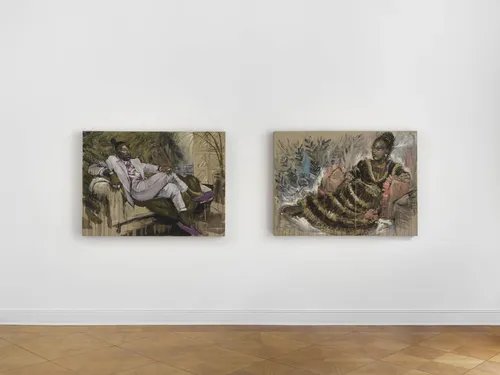
Galerie Kornfeld
Gallery / art space
- Salvo (1947–2015) began his career in the 1960s with early experiments involving photomontage, text and engraved marble. His conceptual practice was reconceived in 1973, when he turned decisively to painting as its unlikely vehicle. In his singular body of work, Salvo returns again and again to the same archetypal locations—Mediterranean landscapes, Classical ruins, factory districts, snowy mountainscapes and villages—each holding a universal familiarity. Through this gesture of repetition and refinement, the specific geographies of these recurring motifs dissolve, pushed to a point of “maximum tension” until they break free. What remains are pretexts for experiments in color, form and light. On the occasion of Berlin Art Week 2026, Sprüth Magers is pleased to present La città, an exhibition of paintings that dwell in the city. The presentation in the Berlin gallery’s Window space celebrates Salvo’s fascination with the urban as motif—and, within it, the nocturnal as the condition that enables the interplay between architectonic form and his articulation of light, refracted into ever-deeper registers of color.
Salvo La città
Until 24 Oct 2026
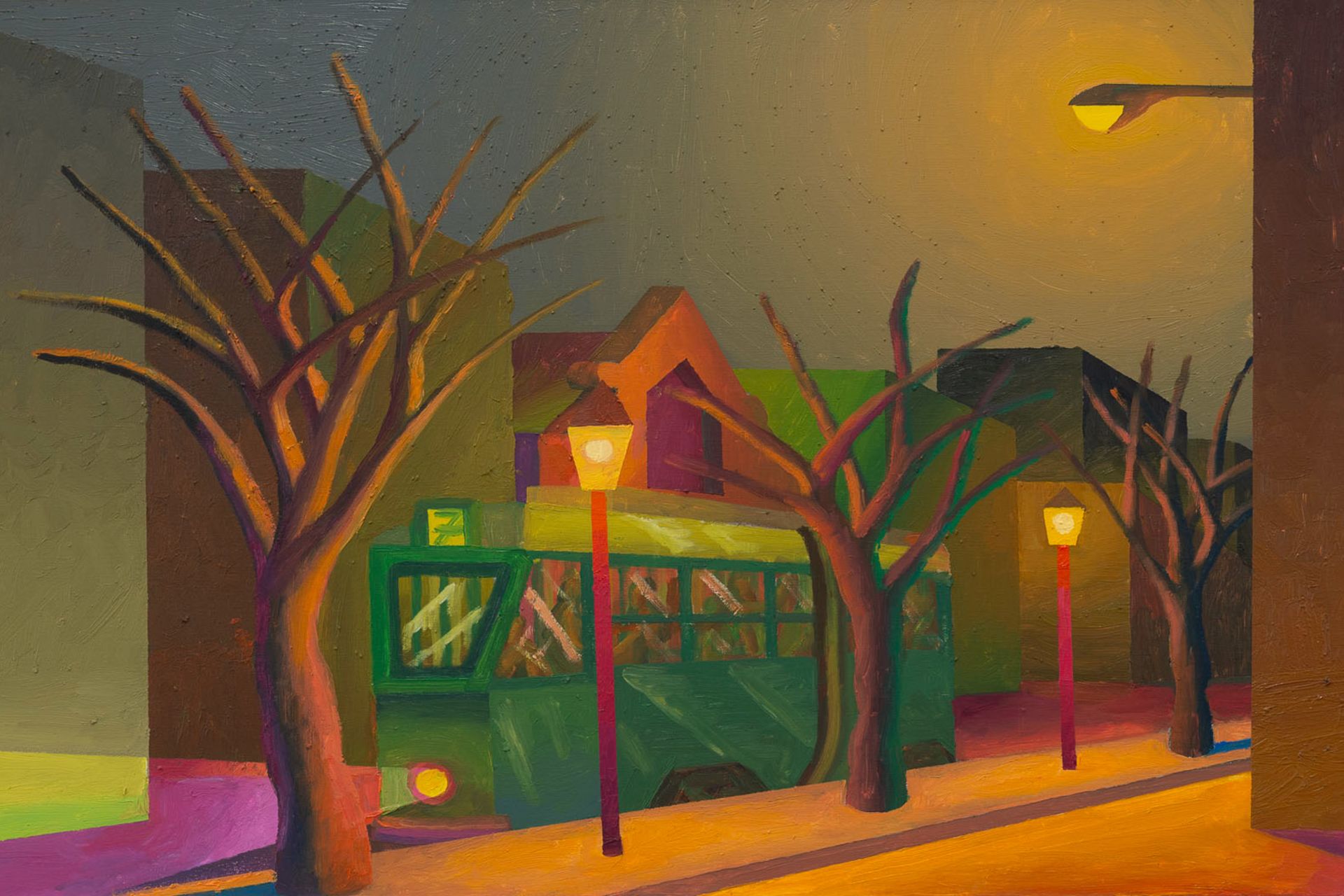
Sprüth Magers
Gallery / art space
- Mit "Ruin und Rausch" nimmt die Neue Nationalgalerie ausgewählte Werke aus ihrer Sammlung der Klassischen Moderne in den Blick, die das Berlin der 1910er- und 1920er-Jahre thematisieren. Diese Jahrzehnte – geprägt von Erstem Weltkrieg und Weimarer Republik – oszillierten beständig zwischen Gegensätzen: Exzess und Armut, Emanzipation und Extremismus gingen in der rasant wachsenden, kosmopolitischen Metropole Hand in Hand. Mit rund 45 Werken unterschiedlicher Stilrichtungen macht die Ausstellung die Ambivalenz von Glanz und Elend, Aufstieg und Abgrund im damaligen Berlin erlebbar. Zu Beginn des 20. Jahrhunderts entwickelte sich Berlin im Zuge der Industrialisierung nicht nur zu einem ökonomischen, sondern vor allem zu einem politischen und kulturellen Zentrum. Neben den zahlreichen Neuerungen in den Bereichen Bau und Verkehr vollzogen sich gesellschaftliche Umwälzungen wie die Demokratisierung oder die Frauenemanzipation. Doch die Traumata des Ersten Weltkriegs und der erstarkende Nationalsozialismus überschatteten die sogenannten "Goldenen Zwanziger". Die bereits von zeitgenössischen Stimmen als "Babylon" mystifizierte Metropole befand sich auf vielen Ebenen in Aufruhr: Kommerzielle Fülle und Exzess standen in Kontrast zu wachsender Armut und Arbeitslosigkeit. Die Ausstellung macht in drei Sektionen das von Gegensätzen geprägte Berliner Großstadtleben zwischen 1910 und 1930 nachvollziehbar. Nachdem Eingangs die Dynamik der wachsenden Metropole mit Blick auf Architektur, Verkehr und das ausschweifende Nachtleben in den Blick genommen werden, widmet sich die zweite Sektion den sozialen Abgründen, die das Leben der Arbeiter*innenklasse prägten. Im letzten Kapitel der Ausstellung steht die urbane Frau im Zentrum, wobei sowohl Freiheitsdrang, Selbstbestimmung und queeres Leben als auch Prostitution reflektiert werden. Die Vielstimmigkeit der Zwischenkriegszeit in Berlin wird in der Ausstellung anhand von Werken unterschiedlicher Stilrichtungen, wie Expressionismus, Dadaismus und Neue Sachlichkeit, aufgefächert. Zu sehen sind wichtige Hauptwerke der Nationalgalerie-Sammlung wie Ernst Ludwig Kirchners "Potsdamer Platz" (1914), George Grosz` "Grauer Tag" (1921) und Lotte Lasersteins "Abend über Potsdam" (1930). Bereichert wird der sammlungseigene Schwerpunkt auf Gemälde und Skulptur durch Grafiken und Objekte aus den Nachbarhäusern am Berliner Kulturforum, dem Kupferstichkabinett, der Kunstbibliothek und dem Kunstgewerbemuseum. Als herausragendes Schlüsselwerk der 1920er-Jahre ergänzt eine Leihgabe aus der Sammlung Landesbank Baden-Württemberg im Kunstmuseum Stuttgart die Ausstellung: Otto Dix` "Bildnis der Tänzerin Anita Berber" (1925).
Ruin und Rausch
Until 3 Jan 2027
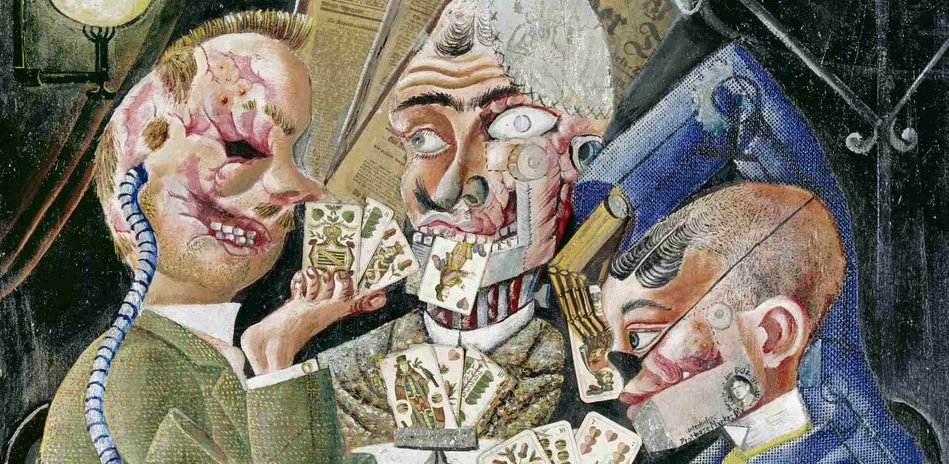
Neue Nationalgalerie
Museum / institution
- carlier | gebauer, Berlin, is pleased to announce the group exhibition, Animal Mirror, featuring works by Jelena Bulajić, Diego Delas, Cecilia Edefalk, Asta Gröting, Thibault Hiss, Aki Inomata, Julia Kowalska, Lin May Saeed, Pakui Hardware, Paolo Salvador, Sequoia Scavullo, Erik Schmidt, Thomas Schütte, David Zink Yi, Paloma Varga Weisz. Few relationships are as old, as contradictory, and as unresolved as the one between humans and animals. We share our bed with them and our plate. We worship them and we slaughter them. We search their eyes for an answer they cannot give us, and precisely because of that, we project so much into them. In contemporary art, this field of tension is gaining significance because it allows something to be negotiated that reaches far beyond zoology: our self-understanding as a species, our ethics, our fears, our longings. The exhibition brings together fifteen artistic positions that approach this relationship from very different directions. Here, the animal appears as companion and confidant as much as source of food and sacrificial creature, two roles that in our culture often lie only a few steps apart, yet are rarely thought together. It appears as cuddly toy and as symbol, charged with meanings drawn from mythology, religion, and folklore, and at the same time as a trigger for immediate, barely controllable emotions: affection, disgust, compassion, and fear. At the same time, the exhibition considers the animal as part of a larger ecological and evolutionary fabric: as a fellow inhabitant of a shared planet, as a participant in a biological heritage to which we are more closely related than everyday understanding often allows. And finally, the most radical question arises: what if the animal is not merely subject matter but the author itself? What if animal behaviour, movement, and intelligence themselves become artistic material? Aki Inomata literally lets animals co-create, putting human authorship itself up for debate. Lin May Saeed has devoted her sculptural work for years to questions of empathy and liberation in our relationship to animals. Pakui Hardware address bodies, biotechnology, and the permeability between the organic and the artificial. They explicitly refer to prehistoric organisms whose DNA structures lend new meaning to the fountain of youth today. Asta Gröting and Thomas Schütte place the animal within a matrix of social reflection, while Paloma Varga Weisz draws and sculpts anthropomorphic and hybrid figures. Julia Kowalska depicts figures in ambiguous emotional states and reciprocal relationships, shaped by emotional dependency and contradictory forms of affection. She often begins from an introspective perspective: her paintings extract the physical from the subconscious, creating delicate, dreamlike visual worlds. Intimacy, corporeality, and an enigmatic, ephemeral perception are central to her work. Diego Delas and Paolo Salvador develop their own, often dreamlike and shifted pictorial worlds in painting, in which tactile and emotional experiences flow into one another. Thibault Hiss and David Zink Yi extend the field through material approaches that render the animal tangible as transformed matter or as a presence in space. Cecilia Edefalk works in her paintings with minimal yet meaningful shifts. Content, context, and emphasis raise questions about painting and representation, as well as about the “screen” through which we perceive reality. Erik Schmidt’s work revolves around (queer) identity, social role models, consumption, and social structures. He immerses himself as an intense observer in the rituals and behavioural patterns of social groups. His work Day Gray offers a view of a veiled urban landscape occupied by pigeons. At the very beginning of the exhibition, Jelena Bulajić uses photorealism to create the illusion of an idealised “wildlife.” In doing so, she establishes the
Animal Mirror
Until 14 Nov 2026
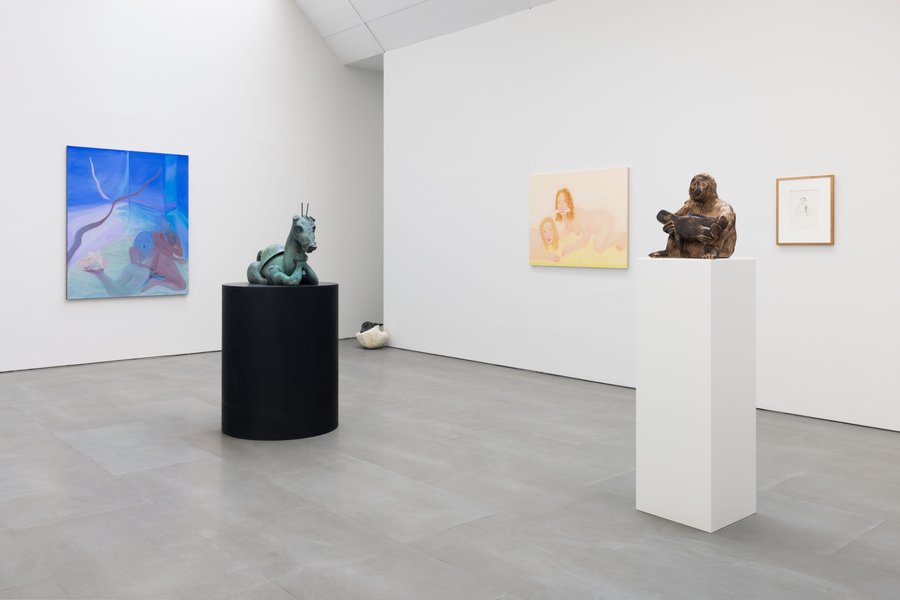
Carlier / Gebauer
Gallery / art space
- Shades of Saturation // A Prismatic Antarctica Text by Isabelle Gapp Ice crystals form, freeze, melt, and dissolve; open water courses past the floe edge; icebergs drift along the horizon, their hazy underbellies buried deep in the waves; and new snowflakes are caught up in the frenzy of a blizzard. Water moves and transforms; its materiality cannot be fixed in place. For Jessica Houston, the material realities of Antarctica’s waters saturate the film, photographic prints and monochromatic paintings that make up Water, Water Everywhere. By focusing on the permeability of water, Houston destabilises long-held notions of Antarctica as a place that is pristine, fixed and available to imperial visions of conquest and extraction. Throughout Water, Water Everywhere, colour saturates the senses. Melody Jue and Rafico Ruiz write of “saturation,” where multiple phenomena and senses occur and confound simultaneously. Houston’s Antarctica is similarly saturated: ice crystals melt on a macro lense, casting prisms of light. A prismatic Antarctica. Snowflakes are in themselves prisms, crystal facets that grow and melt together. As if viewed through a microscope, the fractal lines of the snowflake are further captured in isolated paintings; blue, yellow, white, crimson pink and red. Colour is at once symbolic and material. A glowing, sun-like yellow rises over a digital photograph of a cluster of icebergs; this same colour is almost necrotic when transposed over footage of historic whaling. Elsewhere, a crimson red, made of microplastics, submerges mythical creatures; this is “Coleridge’s ominous crimson sea,” as Houston describes. Water, pollution and plastic seep into one another. Pigments made from plastic and liquid waste—PFAS, polystyrene, carbon, Styrofoam, microplastics—are also presented in Victorian-style glass apothecary jars. Now contained, these same colours stain fabric stretched around oversize, geometric wooden frames. These colours are seductive, but their material origins are not innocent. Colour and materiality collapse distances between places and times, connecting the apparently pristine waters of Antarctica to the human-made pollutants that circulate through them. Elsewhere, fissures, cracks and lines mark the icy surface like scratches on a glass plate. As snowflakes take shape in a series of gelatin silver prints, they not only hark back to earlier nineteenth-century photographic practices, but they also return us to the material processes of image-making itself. Imperfections in the image make the snowflakes appear almost microscopic; other microorganisms dance across this frozen realm. The materiality of the print carries with it the memory of water, through the liquid, chemical emulsion central to its process. Throughout, Houston embraces imperfection. Where lines and blemishes mark the gelatin silver print of an albatross, in a digital print the soaring albatross is juxtaposed by the diagonal of the slanted horizon. A crooked view over an open sea. These distortions or “glitches,” as Houston describes them, alter our perception of the frozen continent. Rather than simply reproducing the visual conventions through which Antarctica has historically been made knowable, Houston unsettles them. We have largely constructed a singular narrative of the polar worlds, one of vast, never-ending whiteness, where “aesthetic awe and moral transcendence” are projected onto the landscape. Houston’s Antarctica is instead imperfect, saturated and materially entangled: its ice becomes water, its colours become pollutants, and its images refuse to remain fixed.
Jessica Houston : Water, Water, Everywhere | Nor Any Drop to Drink
Until 31 Oct 2026
ART MÛR BERLIN
Museum / institution
- On the occasion of the exhibition’s closing, Šejla Kamerić will be joined by Boris Buden and Hana Ćurak on October 18th for a conversation on the topic of RETROSPECTING as a radical practice. RETROSPECTING is Šejla Kamerić ’s seventh solo exhibition at Galerie Tanja Wagner. Works produced over a span of two decades present resources the artist mobilized from the past to give radical shape to a future she requests, anticipates, and imagines. Kamerić revisits her iconic piece, EU/Others, first exhibited in 2000 at Manifesta 3. A new, reinterpreted version, EU/Others – Spin (2022), stands alongside archive works such as Frei (2004) and We were chilling by the pool when the war started (2006). Considering the positionality of her artistic interventions and herself, and subjecting both to non-linear temporal interrogation, the artist presents the urgency of addressing repeating political conditions. “It is 2022, and we find ourselves in a time of historical loops – with old and new wars reverberating, border regimes producing ‘new’ newcomers, and capital governing the mobility of people and ideas. In RETROSPECTING, Šejla Kamerić reinstates these topics through old and new work, while also reflecting on the vexed relationship between art and the market, which demands constant and new production. The pushback against this anxious demand is the asking of old questions, now heavier with urgency; asking them anew, in their resounding demand.” – states Milica Trakilović, thereby signaling Kamerić’s poignant tracing of a radically different future. Kamerić’s work Letters from the Frontiers (2022) particularly encapsulates this endeavor and serves as a conclusion of her own otherness and “a revision of the very architecture of power, knowledge, being, gender, and perception” (Tlostanova, 2019). In concurrence with RETROSPECTING, Kamerić’s Bosnian Girl makes an appearance at The Artothek at the Neue Berliner Kunstverein during their Berlin Art Week exhibition, where visitors will be encouraged to take a poster home with them. In describing the “essential quality” of Kamerić’s Bosnian Girl, Boris Buden (2021) states that it “takes its political meaning beyond the scope of the so-called struggle for recognition that has become the paradigm of post-modern politics; a politics in which various cultural identities feature as both the main agencies and stakes of political mobilization, while cultural differences provide the fault lines along which today’s major political conflicts unfold.” The works presented in RETROSPECTING reinvigorate this position, reflecting the multitude of media the artist uses in her practice. With a particular focus on images and text, RETROSPECTING is simultaneously a living archive and an immediate political warning powerfully placed in a particular historical moment. This is also reflected upon in Kamerić’s artworks that are currently on view at the TATE Modern, as part of their permanent collection, and at Manifesta 14. Šejla Kamerić (Sarajevo, 1976) lives and works in Berlin, Istria and Sarajevo. She studied at the Academy of Arts in Sarajevo. She deals with themes that emerge from non-linear historical
Šejla Kamerić - Artist Talk with Šejla Kamerić, Boris Buden and Hana Ćurak
Until 17 Jan 2027
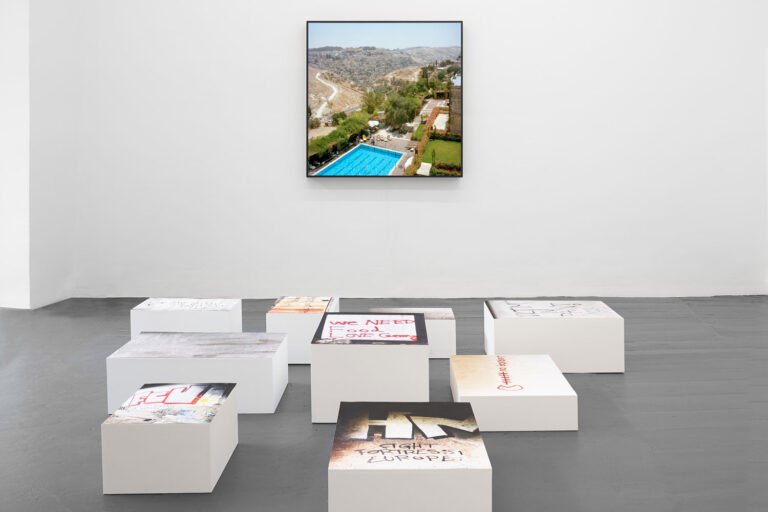
Galerie Tanja Wagner
Gallery / art space
David L. Johnson : Nachtruhe
Until 7 Nov 2026
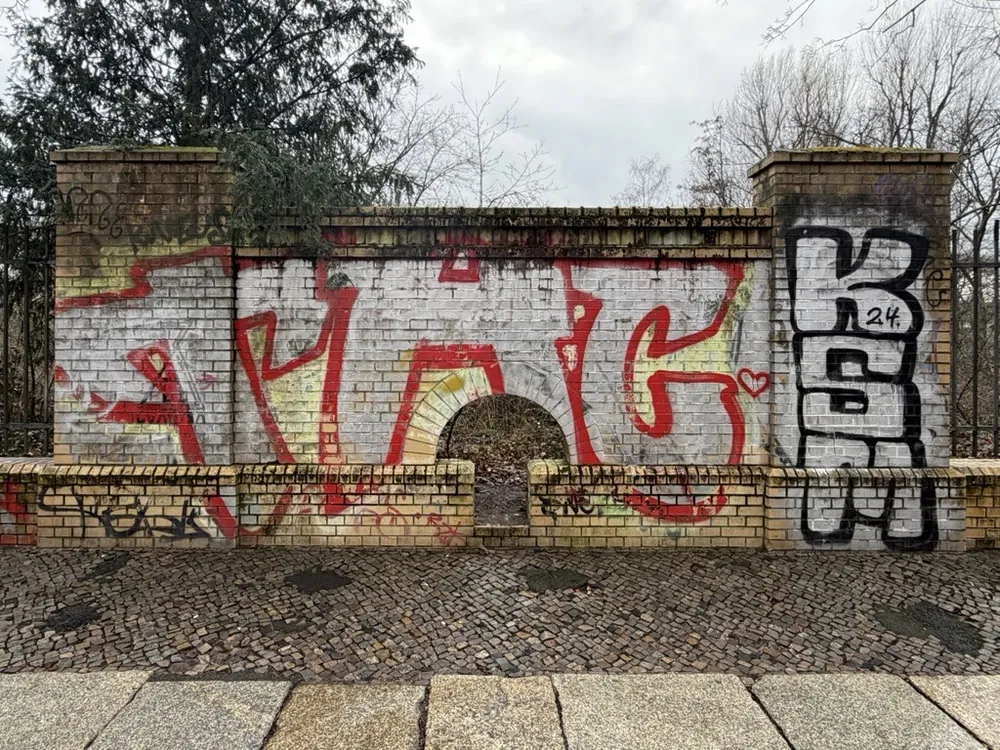
Galerie Thomas Schulte
Gallery / art space
- KÖNIG GALERIE is pleased to present THE LAST ONES AWAKE, a solo exhibition by French artist Rebecca Brodskis in the Vault of St. Agnes. For THE LAST ONES AWAKE, Brodskis turns her attention to those who became her chosen family in Berlin. The portraits that make up the exhibition depict close friends whose presence shaped the years she spent in the city, tracing a community bound less by circumstance than by shared vulnerability, ambition, and care.
Rebecca Brodskis the Last Ones Awake
Until 8 Nov 2026
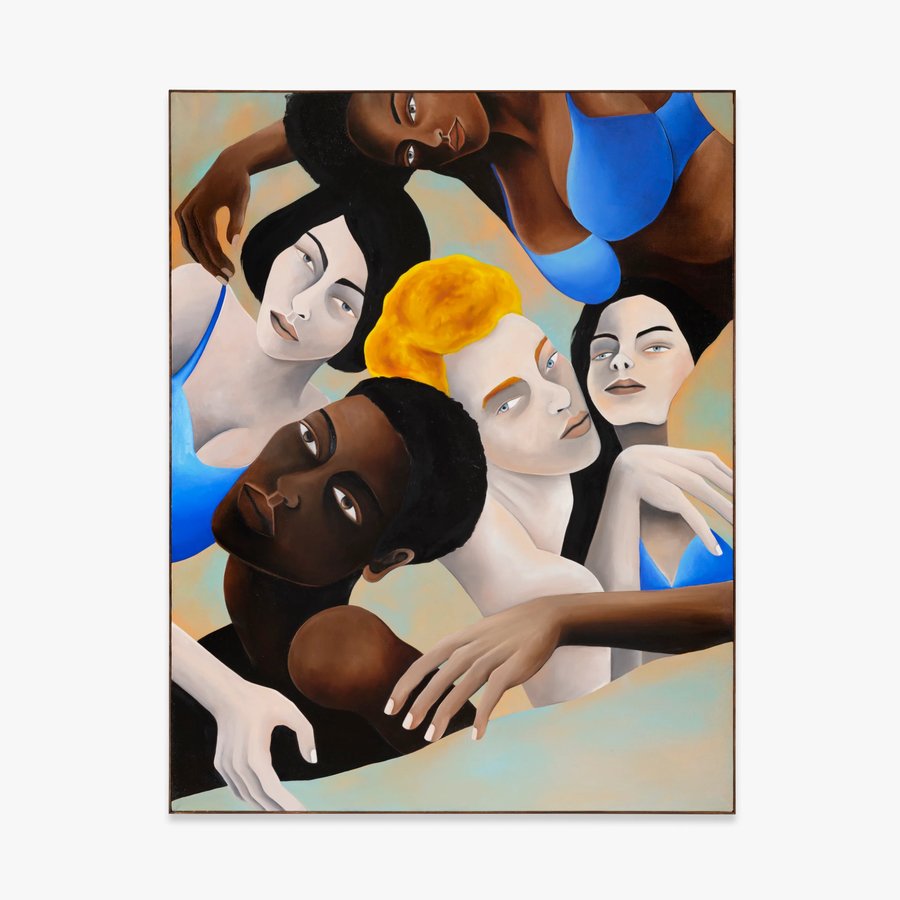
König Berlin (St. Agnes)
Museum / institution
- Seit über 40 Jahren rütteln die Guerrilla Girls am Gewissen der Kunstwelt. Mit bissigem Humor und provokanten Slogans in visuell auffälligen Plakatkampagnen verdeutlichen sie Ungleichheiten in Bezug auf Gender und race im internationalen Kunstbetrieb und darüber hinaus.
Guerrilla Girls
Until 29 Aug 2027
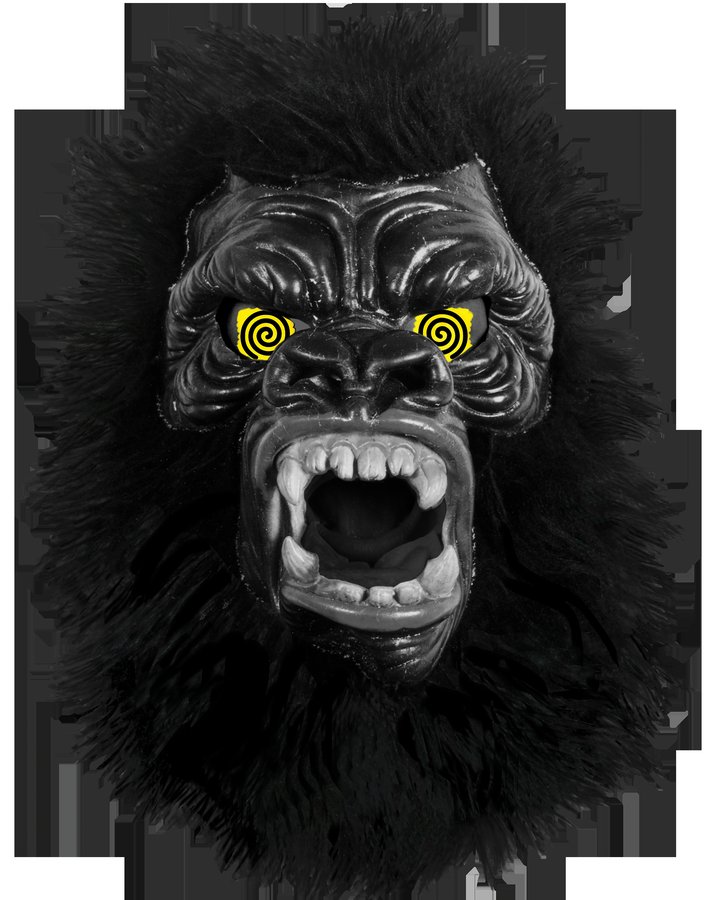
Neuer Berliner Kunstverein
Museum / institution
- 1926 wurde die Gesellschaft für Ostasiatische Kunst (GOK) als erster Museumsfreundeskreis der 1906 gegründeten Ostasiatischen Kunstsammlung ins Leben gerufen. Die Ostasiatische Kunstsammlung ist eine Vorläuferin des Museums für Asiatische Kunst der Staatlichen Museen zu Berlin. Das Museum würdigt mit dieser Präsentation aus der eigenen Sammlung und vor allem mit Dauerleihgaben aus der Sammlung der 1990 in Anlehnung an diesen ersten Museumsfreundeskreis gegründeten Deutschen Gesellschaft für Ostasiatische Kunst (DGOK) e. V. 100 Jahre zivilgesellschaftliches Engagement und Mäzenatentum für die Kunst Ostasiens in Berlin.
Freunde der Kunst Ostasiens Zur Gründung der Gesellschaft für Ostasiatische Kunst vor 100 Jahren
Until 7 Dec 2026
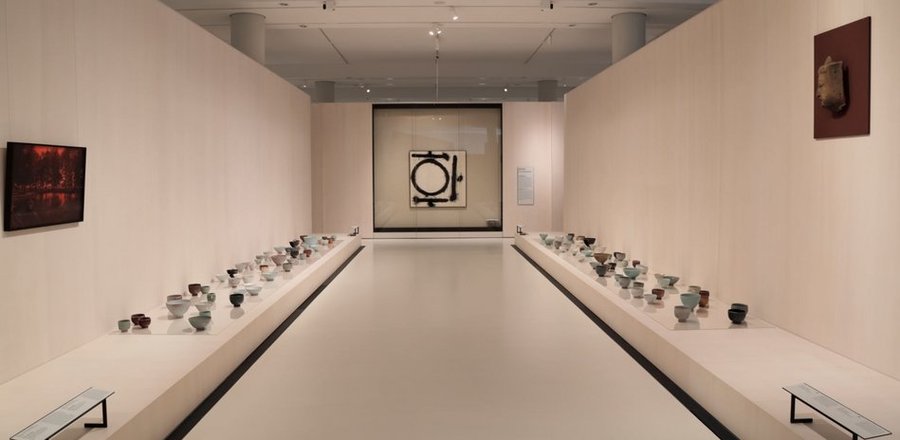
Humboldt Forum
Museum / institution
- What is the place of the body and the human in today’s virtual landscapes? How do image-making and image-altering tools affect and transform the value of bodies and human experience? These are the questions that run through Francisco González-Rosas’s installation. Entering the room to the right, we encounter a large graphic print-out on the wall reminiscent of a diagram or a map...
Averaged Profile Hallucination
Until 15 Nov 2026
Künstlerhaus Bethanien
Museum / institution
- Nach über 20 Jahren erfolgreicher Vermittlung in der Dauerausstellung "Helmut Newton’s Private Property" im Erdgeschoss des Museums für Fotografie erweitert die Helmut Newton Foundation das Ausstellungskonzept und verändert die bisherige Präsentation radikal. Die Grundidee, in diesem Raum über das Leben von Helmut Newton und seiner Frau June zu informieren, bleibt bestehen. Der Zwischenschritt der Transformation der bisherigen Dauerausstellung bietet ein filmisches "Intermezzo" mit Helmut Newton in einem überwältigenden Filmraum. Im Erdgeschoss projizieren acht Videobeamer einen Film auf vier Leinwände. Der Film basiert in Teilen auf dem Filmporträt, das vor drei Jahren für eine große Newton-Ausstellung in A Coruña entstand, produziert von Profirst International in Zusammenarbeit mit dem Martin Salvador Studio für die dortige MOP Foundation. Ergänzt wird es durch bislang ungezeigtes Filmmaterial. Hierfür wurden unterschiedliche Quellen herangezogen, unter anderem Material von June Newton, das vor Kurzem im hauseigenen Archiv aufgearbeitet und digitalisiert wurde. Erstmals sehen die Besucher*innen damit nun auch in Berlin Interviews mit einem Dutzend Zeitzeugen, unter anderem mit Philippe Garner, Carla Sozzani, Jenny Capitain, Violetta Sanchez oder Matthias Harder und können das Werk Newtons gänzlich neu erfahren. Der Film ist zu einem Endlos-Loop zusammengeschnitten und bietet den interessierten Besucher*innen ein überraschendes und inhaltlich verdichtetes Erlebnis. Im hinteren Teil des Ausstellungsraums im Erdgeschoss des Museums hängen weiterhin knapp 100 Ausstellungsplakate von Newton, allerdings in einem veränderten Setting und ergänzt durch mehrere Plakate unterschiedlicher Alice Springs-Einzelausstellungen. In der 16 Meter langen Vitrine unter den Postern wurden die Vintage-Magazine mit Newtons publiziertem Werk für die neue temporäre Präsentation "Intermezzo" durch andere Mode- und Lifestylemagazine ersetzt und mit Zeitschriften-Editorials von Alice Springs kombiniert, darunter Magazine wie Jardin des Modes, Elle, Vogue, Vanity Fair, Egoïste, Stern, The New Yorker, Photo oder Paris Match. Das langsame Abschreiten der Wandvitrine offenbart einen intensiven Einblick in die Entwicklung der Modefotografie und des sich wandelnden Frauenbilds in der westlichen Welt von den späten 1950er-Jahren bis zum Beginn des 21. Jahrhunderts, inklusive der revolutionären gesellschaftlichen Umbrüche in den 1960er- und 1970er-Jahren und ihren visuellen Auswirkungen – bis in die Mode hinein, die bekanntlich den Zeitgeist widerspiegelt. Spotlight: Behind the Frame In den Korridoren von "Intermezzo", werden große Texttafeln mit illustrierten Biografien zum Leben und Werk von Helmut und June Newton sowie gerahmte Porträtfotografien der beiden präsentiert. Und gegenüber der riesigen Posterwand beginnt eine neue kuratorische Idee, die später unter dem Motto "Spotlight: Behind the Frame" in unregelmäßigen Intervallen wiederholt wird: Eine jeweils ikonische Fotografie aus dem Werk von Helmut Newton oder Alice Springs wird in den Fokus gerückt, indem ihre Entstehungsgeschichte und -bedingungen detailliert erläutert werden.
Intermezzo. Revisiting Helmut Newton
Until 31 Dec 2027
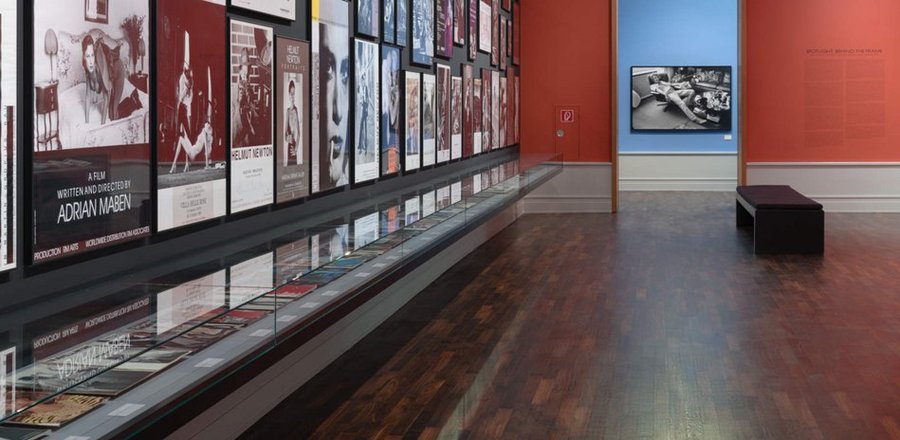
Museum für Fotografie
Museum / institution
- Die Treppenhalle des Neuen Museums bietet mit dieser Sonderpräsentation einen Dialog über Zeit, Sterblichkeit und die Verbindung von Vergangenheit und Gegenwart. Zeitgenössische Kunst trifft auf historischen Raum, nimmt Bezug auf antike Vorbilder und gibt eine moderne Adaption der klassischen Rezeption des Mythos der Dioskuren, die auf ewig zwischen Tod und Leben wandeln. Ausgangspunkt: Der Mythos Die beiden ungleichen Zwillinge Kastor und Polydeukes – Söhne der schönen Königstochter Leda – wurden in einer Nacht von unterschiedlichen Vätern gezeugt, Kastor von Ledas Gemahl, dem spartanischen König Tyndareos, Polydeukes hingegen vom Gott Zeus, der Leda in Gestalt eines Schwanes erschienen war. Während Kastor als Sohn zweier Menschen sterblich ist, verleiht Polydeukes´ göttlicher Vater ihm Unsterblichkeit. Die als Dioskuren bezeichneten Zwillinge bestehen gemeinsam Heldentaten auf der Suche nach dem Goldenen Vlies und beim Kampf des Herakles gegen die Amazonen. Als der sterbliche Kastor getötet wird, bittet Polydeukes seinen Vater Zeus, ihm die Unsterblichkeit zu nehmen, damit er mit seinem Bruder gemeinsam in den Hades gehen kann. Zeus, gerührt von der über den Tod hinausgehenden Liebe der Zwillinge, stellt Polydeukes vor die Wahl, ewig jung zu bleiben, oder gemeinsam mit seinem Bruder einen Tag im Hades und einen auf dem Olymp zu verbringen, dabei aber zu altern und letztendlich auch zu sterben. Polydeukes wählt die Sterblichkeit und fortan wechseln beide täglich zwischen Tod und Leben. Interpretation: Das Bild "Der geschenkte Tag", das raumfüllende malerische Werk des deutsch-britischen Künstlers Michael Müller greift das Kernstück des Mythos, die das Sterben überwindende Verbundenheit der Zwillinge auf. Der Künstler hält die immer wiederkehrenden 24 Stunden der die Welt durchwandelnden Brüder in bildgewaltiger Form fest: vom hellen Tag auf dem Olymp steigen beide in die Düsternis des Hades hinab. Das Besondere an diesem Kunstwerk ist, dass der Künstler jeden Abschnitt in der entsprechenden Tages- bzw. Nachtstunde gemalt und damit die sich immer wiederholende Reise selbst intensiv durchlebt hat. Dialog: Die Präsentation Der Ort zur Darstellung dieses raumfüllenden Gemäldes ist sehr bewusst gewählt. Denn die Geschichte der Dioskuren mit ihrer, die Sterblichkeit überwindenden Liebe zueinander hat nicht nur in antiker Zeit die Künstler zu Bildwerken angeregt. Auch der Klassizismus des 19. Jahrhunderts konnte sich dem Reiz dieses Themas nicht entziehen. So standen einst monumentale Figuren der ihre Rosse bändigenden Zwillinge in der Treppenhalle des Neuen Museums. Es waren Abgüsse der Originale von der Piazza die Monte Cavallo vor dem Quirinspalast in Rom. Wie große Teile der Treppenhalle wurden auch diese Skulpturen im Zweiten Weltkrieg zerstört. Achtzig Jahre später lässt eine moderne Adaption diesen Teil der Geschichte des Gebäudes wieder erstehen. Kuratorisches Team In Zusammenarbeit mit dem Künstler Michael Müller und in Kooperation mit dem Ägyptischen Museum und Papyrussammlung und der Alien Athena Foundation for Art wurde die Ausstellung von Philipp Bollmann konzipiert und kuratiert. Begleitprogramm Ergänzend zu dem Kunstwerk präsentieren die Papyrussammlung, das Münzkabinett und die Antikensammlung Exponate zum Mythos der Dioskuren und dessen antiker Rezeption. Kuratoren- und Künstlerführungen, Lesungen und Diskussionsrunden, Konzerte und Performances werden die Ausstellung begleiten, die sich im Rahmen des 200. Jubiläums der Museumsinsel Berlin präsentiert. Eine Sonderausstellung des Ägyptischen Museums und Papyrussammlung – Staatliche Museen zu Berlin
Dioskuren – Der geschenkte Tag
Until 14 Mar 2027
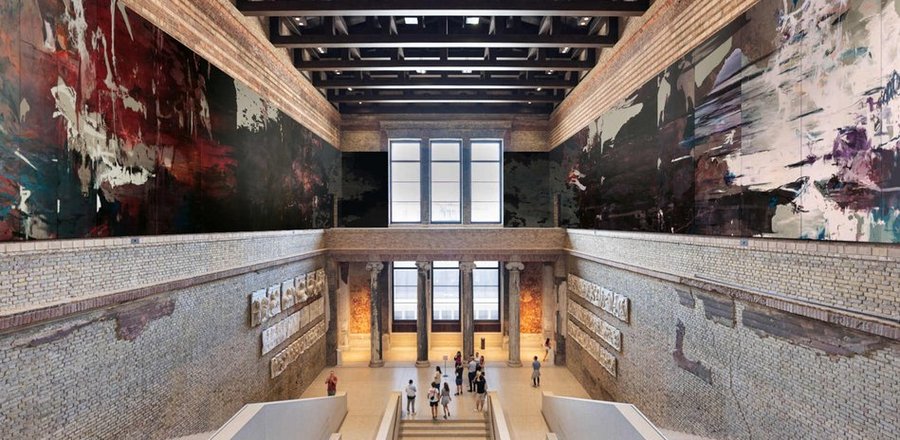
Neues Museum
Museum / institution
- [ materialistin ] zeigt Skulpturen und raumspezifische Installationen im Hamburger Bahnhof – Nationalgalerie der Gegenwart, die sich mit gesellschafts- und kulturpolitischen Fragestellungen auseinandersetzen. Die Gruppenausstellung der acht in Leipzig arbeitenden Bildhauer*innen Laura Eckert, Enne Haehnle, Elisabeth Howey, Lucy König, Agnes Lammert, Wibke Rahn, Theresa Rothe und Sophie Uchman hebt neue Formen kollektiver Praxis und Solidarität hervor. Sie ist ein Signal, das im Jubiläumsjahr weit über den Hamburger Bahnhof hinausweist. Die [ materialistin ] ist eine Gruppe Leipziger Künstlerinnen, deren Arbeits- und Handlungsschwerpunkt im erweiterten Feld der Skulptur liegt. Die Künstlerinnen arbeiten mit Stahl, Stein, Gips und Beton, pflanzlichen Fasern und nachwachsenden Rohstoffen, Wachs und Ton. Sie produzieren skulpturale Objekte sowie raumspezifische Installationen. Die Gruppe positioniert sich zu feministischen sowie gesellschafts- und kulturpolitischen Fragestellungen: Sie agiert solidarisch und ist nicht hierarchisch organisiert. Den körperlichen, ökonomischen und logistischen Herausforderungen im Feld der Bildhauerei setzen die Mitglieder das Teilen von Erfahrungswissen, Werkzeugen, Kontakten und Netzwerken entgegen. Die altersübergreifende Struktur stellt eine Besonderheit im Kunstfeld dar.
[ materialistin ] Matter of Care, Care of Matter
Until 14 Mar 2027
![[ materialistin ] Matter of Care, Care of Matter at Hamburger Bahnhof – Museum für Gegenwart, Berlin](https://pub-1070865a23b94011a35efcf0cf91803e.r2.dev/agenda/2026/09/66d19ae8-6877-4050-acb3-ebc7208e3f8a.jpg)
Hamburger Bahnhof – Museum für Gegenwart
Museum / institution
- Im Rahmen der Programminitiative "We the People" der Stiftung Preußischer Kulturbesitz zum 250. Unabhängigkeitstag der USA zeigt das Münzkabinett eine Sammlungsintervention. Das Münzkabinett erinnert mit zwei Sondervitrinen an den Jahrestag der US-amerikanischen Unabhängigkeit: Ausgewählte Münzen und Medaillen beleuchten die wechselvolle Geschichte der USA zwischen Aufbruch, Einwanderung und inneren Konflikten. Auch die Frage, woher der Dollar seinen Namen hat, wird beantwortet. Zudem ist eine amerikanische Medaillenikone der Revolutionszeit mit dem Bildnis von George Washington zu sehen.
Sammlungsintervention im Münzkabinett zum 250. Unabhängigkeitstag der USA
Until 31 Dec 9999
Bode-Museum
Museum / institution
- together verhandelt die männlich dominierte Erzählung der Menschheitsgeschichte und hinterfragt die Idee des zivilisatorischen Fortschritts von der Sesshaftwerdung über den Erwerb von Eigentum bis zu dessen Verteidigung. Mein Land, mein Besitz, meine Grenze: In gewohnt ironisch-humorvoller Weise offenbaren NEOZOON mit diesem Film die bitteren Abgründe des Zusammenlebens und fragt zugleich nach alternativen Zukunftsvisionen. "Together we could help each other." Wären wir dann glücklicher? Kuratorin: Magdalena Mai together verhandelt die männlich dominierte Erzählung der Menschheitsgeschichte und hinterfragt die Idee des zivilisatorischen Fortschritts von der Sesshaftwerdung über den Erwerb von Eigentum bis zu dessen Verteidigung. Mein Land, mein Besitz, meine Grenze: In gewohnt ironisch-humorvoller Weise offenbaren NEOZOON mit diesem Film die bitteren Abgründe des Zusammenlebens und fragt zugleich nach alternativen Zukunftsvisionen. "Together we could help each other." Wären wir dann glücklicher? Kuratorin: Magdalena Mai Diskursprogramm Diskursprogramm Diskursprogramm
NEOZOON together
Until 21 Feb 2027
KINDL – Zentrum für zeitgenössische Kunst
Museum / institution
- Mit "NIGHT" präsentiert die Neue Nationalgalerie die erste große Einzelausstellung des italienischen Künstlers Maurizio Cattelan in Deutschland. Die Ausstellung findet im Rahmen des Preis der Nationalgalerie 2026 statt, für den Maurizio Cattelan von einer internationalen Jury ausgewählt wurde. Sie vereint wichtige historische Werke Cattelans und neue Arbeiten in dem ikonischen Mies-van-der-Rohe-Gebäude. Die Ausstellung vereint Schlüsselwerke wie "Him" (2001), "Novecento" (1997), "La Rivoluzione Siamo Noi" (2000) und das von Günter Grass’ "Die Blechtrommel" inspirierte "Untitled" (2003) mit neuen Arbeiten. Gemeinsam verhandeln sie zentrale Motive in Cattelans Schaffen: die fragile Grenze zwischen Unschuld und Gewalt, die Konstruktion von Identität sowie die fortwährende Präsenz historischer Erinnerung. Im Mittelpunkt der Ausstellung steht eine eigens für die Neue Nationalgalerie entwickelte ortsspezifische Installation. Mit dieser neuen Auftragsarbeit greift Cattelan behutsam in die räumliche Ordnung des Hauses ein, verändert so die
Maurizio Cattelan. NIGHT Preis der Nationalgalerie 2026
Until 7 Mar 2027
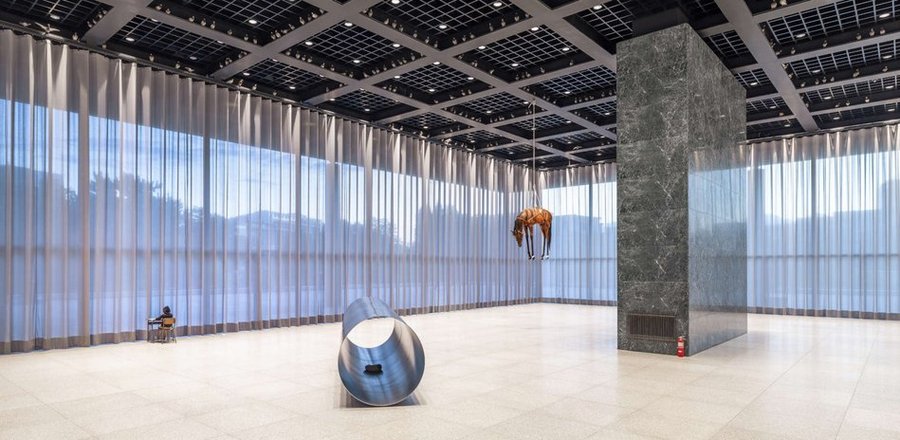
Neue Nationalgalerie
Museum / institution
- Beziehungen zum Thema "Familie" verdeutlichen zwei ausgestellte Seidenmalereien: Zum einen die Darstellung der stillenden Göttin Hariti, die als Beschützerin der Kinder verehrt wird. Zum anderen eine außergewöhnlich seltene und frisch restaurierte Seidenmalerei, die weibliche manichäische Geistliche (Electae) zeigt, die ihre Familien verließen, um sich ganz der Religion zu widmen.
Familie und Religion
Until 31 Dec 2026
Humboldt Forum
Museum / institution
- Reed Still’s exhibition excavates the maintenance labour that structures basic human existence, turning it into a comedy of class relations in which those without property are trapped within an infinite cycle of temporary arrangements. In a passageway on the ground floor, a professionally framed document is displayed on the wall. The Sublet, as it is titled, shows a fixed-term sublease agreement...
Comedy
Until 15 Nov 2026
Künstlerhaus Bethanien
Museum / institution
- Völkerwanderungszeitlicher Goldschmuck vom Schwarzen Meer, silberne Gewandspangen und prächtige Gürtel aus Gräbern des frühen Mittelalters in Frankreich, Italien, Spanien und Deutschland – Teile der Sammlung des Johannes von Diergardt werden nach über 80 Jahren wieder in Berlin zu sehen sein, wo sie bis 1934 ausgestellt waren. Sie gewähren glänzende Einblicke in die europäische Geschichte, besonders in die Ereignisse zwischen Antike und Mittelalter. Nach dem Tod des Sammlers und Mäzens gelangten sie in das Römisch-Germanische Museum Köln. Umbauarbeiten im Kölner Museum bieten nun eine gute Gelegenheit, die Schätze nach langer Zeit wieder der Berliner Öffentlichkeit zu präsentieren. Eine Sonderausstellung des Museums für Vor- und Frühgeschichte der Staatlichen Museen zu Berlin in Kooperation mit dem Römisch-Germanischen Museum der Stadt Köln
Die Krone von Kertsch Schätze aus Europas Frühzeit
Until 22 Sept 2027
Neues Museum
Museum / institution
- Die Ausstellung ist die erste große Retrospektive des Komponisten und Künstlers Ryuichi Sakamoto in Europa. Ryuichi Sakamoto gilt als Pionier der elektronischen und experimentellen Musik, der die Grenzen zwischen Klang, Film, Performance und bildender Kunst immer wieder neu definierte. Seit den 2000er-Jahren entwickelte Sakamoto dreidimensionale Klangräume, oft in Zusammenarbeit mit internationalen Künstler*innen wie Shiro Takatani und Carsten Nicolai oder dem Filmemacher Apichatpong Weerasethakul. "Ryuichi Sakamoto | seeing sound, hearing time" zeigt sieben Werke in fünf großformatigen Installationen und eröffnet zur Berlin Art Week. Die Ausstellung rückt die Schnittstelle von Klang und Kunst ins Zentrum, die seit seiner Gründung vor 30 Jahren ein Markenzeichen des Hamburger Bahnhof ist.
Ryuichi Sakamoto: seeing sound, hearing time
Until 20 Jun 2027
Hamburger Bahnhof – Museum für Gegenwart
Museum / institution
- Kira Freije, forward forward dividing shadows (Detail), 2022, Courtesy: Die Künstlerin und The Approach, London, Foto: Michal Brzezinski / @lelenthal Die britische Künstlerin Kira Freije (* 1985 in London, lebt in London, nominiert für den diesjährigen Turner Prize) versammelt in Between Sunlight eine Gruppe skulpturaler Arbeiten. Ihre Figuren strahlen tiefe Verbundenheit aus und scheinen zugleich in ihre eigenen Gedanken versunken. Stoffe und gefundene Materialien verleihen der Szenerie eine materielle Vielschichtigkeit, während die bewusst offengehaltenen narrativen Zusammenhänge Räume für eigene Erfahrungen und Vorstellungen eröffnen. Kuratorin: Laura Smith
Kira Freije / Between Sunlight
Until 21 Feb 2027
KINDL – Zentrum für zeitgenössische Kunst
Museum / institution
- Die Kunst der zweiten Hälfte des 20. Jahrhunderts ist durch eine Vielfalt an Materialien, Medien und Methoden bestimmt. Gleichzeitig stand kaum eine Ära so unter dem Zeichen von Teilung und Zerrissenheit aber auch Erneuerung: "Zerreißprobe. Kunst zwischen Politik und Gesellschaft" heißt diese Sammlungspräsentation der Neuen Nationalgalerie zur Kunst nach 1945 bis zur Jahrtausendwende. Holocaust und Krieg, Aufbruch und Emanzipation, Kalter Krieg und Mauerfall führten zu Spannungen innerhalb der Gesellschaft sowie zu fundamentalen Neuausrichtungen in der bildenden Kunst. Titelgebend ist die radikale Performance des Wiener Aktionisten Günter Brus von 1970, in der er sich bis an seine körperlichen Grenzen dem Zug von Stahlseilen aussetzte. 14 Kapitel greifen zentrale künstlerische wie gesellschaftliche Themen des 20. Jahrhunderts auf, etwa die Frage nach Realismus und Abstraktion, Politik und Gesellschaft, Alltag und Pop, Feminismus, Identität oder Natur und Ökologie. Die Ausstellung zeigt Gemälde, Objekte, Fotografien und Videoarbeiten aus der Bundesrepublik und der DDR, Westeuropa und den USA sowie künstlerische Entwicklungen aus den ehemaligen sozialistischen Staaten. Zu sehen sind Werke des Informel, der US-amerikanischen Farbfeldmalerei, des Realismus der 1970er-Jahre, der Pop- und Minimal Art ebenso wie der Konzeptkunst von Künstler*innen wie Marina Abramović, Joseph Beuys, Francis Bacon, Lee Bontecou, Rebecca Horn, Valie Export, Wolfgang Mattheuer, Louise Nevelson, Bridget Riley, Pippilotti Rist oder Andy Warhol. Ergänzt wird die Präsentation schlaglichtartig um Werke von Künstlerinnen wie Kiki Kogelnik oder Ewa Partum, die bisher nicht in der Sammlung der Nationalgalerie vertreten sind.
Zerreißprobe. Kunst zwischen Politik und Gesellschaft Sammlung der Nationalgalerie 1945 – 2000
Until 4 Apr 2027
Neue Nationalgalerie
Museum / institution
- Was sehen wir in Museen? In Vitrinen und hinter Absperrungen erscheinen die Dinge vor allem statisch. Mirae kh Rhee beschäftigt sich damit, wie die Objekte an ihren heutigen Platz gelangten. Die Künstlerin hinterfragt, wer warum was sammelt(e) und welche Botschaften über Sammlungen unterschiedlichster Art vermittelt werden. Nicht zuletzt durch die Mobilität von Menschen haben Sammlungsobjekte ebenso wie jene, die sie kreierten, bemerkten, bewahrten und weitertrugen, eine bewegte Geschichte hinter sich! Mirae kh Rhee ist eine interdisziplinär und forschungsbasiert arbeitende Künstlerin, die in Deutschland, Kalifornien und Süd-Korea tätig ist. Von ihrer eigenen diasporischen Identität ausgehend, untersucht sie in ihrer künstlerischen Arbeit Themen wie Sammelpraktiken und -geschichten, erzwungene Migration oder kulturelle Aneignung und erzählt autoethnografische Geschichten. Die aktuelle Präsentation ist Teil eines Langzeitprojekts, das das Konzept der Kuriositätenkabinette aus der Perspektive eines transnationalen Feminismus und mit dekolonisierenden Ansätzen betrachtet. Darin beleuchtet Mirae kh Rhee etablierte Sammlungserzählungen und blickt kritisch auf Sammelpraktiken zwischen Europa und Asien. Sie analysiert elitäre Sammlungskonzepte, die der Demonstration von Macht und der Konstruktion von Identität dienen. Ausstellungsbesuchende sind eingeladen, sich mit ihrer eigenen Praxis des Sammelns auseinanderzusetzen.
Mirae kh Rhee / Weiterreichen
Until 15 Feb 2027
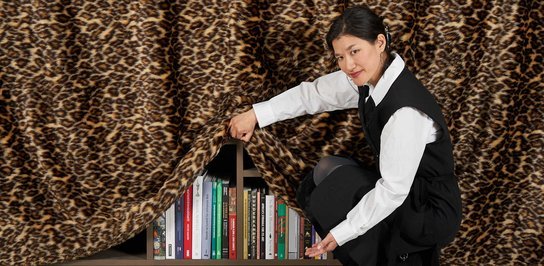
Humboldt Forum
Museum / institution
- Moisture Melts. Heat Dissolves In classical Cantonese cuisine, lo foh tong (“old-fire soup”) – a long-simmered soup found across southern China and Southeast Asia – offers a sensory way into the tropicality of the Asian South. Inside the pot, slow, rolling convection gently breaks down gelatin, fat, aromatic oils and alkaloids from meat, bones, dried tangerine peel, angelica root, and other herbs and seafood, folding layers of texture and flavour into a silky, faintly sticky broth. In miniature, this bubbling pot echoes the trade routes and atmospheric circulations that bind South, Southeast and East Asia together. Summoned by the temperature difference between the Asian landmass and the surrounding Indian Ocean, South China Sea and Pacific, the seasonal monsoon carries wind, rain and heat across the region, melting and blending flavours, cultures, beliefs and bodily experience into a sultry, soupy mix we call the tropics. In the spirit of lo foh tong and of this tropical interpenetration of bodies and landscapes, creation and catastrophe, Kent Chan imagines a techno-animist future at the next stage of the climate crisis – one in which disorientation and confusion abound, heat and coolness coexist, control and chaos overlap, with data clouds and AI systems possessed by celestial gods that are, oddly, still sustained by terrestrial elements like minerals and water. In the fictional global tropics of his video Weather Casting, traversing Yogyakarta, Chiang Rai, Yunnan, Shanghai, Beijing, the Changbai Mountains, North Hamgyong Province and Seoul through a series of fictional weather reports, Kent Chan introduces a weather-casting system that manufactures regionally desirable meteorological conditions, reminiscent of “the good old days” and free of climatic hardship. These geoengineering systems are named after political cult figures and regional deities, including Dewi Sri, Longmu, Sungke Enduri, Phaya Naga and Aoma. They argue over territory, negotiate their scope of responsibility, recall past glories, and are bewildered by their own roles as gods and tools. Casting, here, is a deliberate act of shaping. It resonates with the logic of modernity, that is, to manage, control and intervene. But as heatwaves born in the tropics travel outward across the globe, a different strategy may already be in the air – one that is more heated, humid, humorous and humble. After all, the tropics is a place where categorization loses its grip. Here, gods are not divided by geographic or political boundary but form an amorphous whole. Like the flavours dissolving into one broth, the Naga of the Mekong and the Dragon King of the Pearl River are variations on a single ancestral form, carried and reshaped along the same routes as monsoon rain and monsoon trade.
Weather Forecast
Until 15 Nov 2026
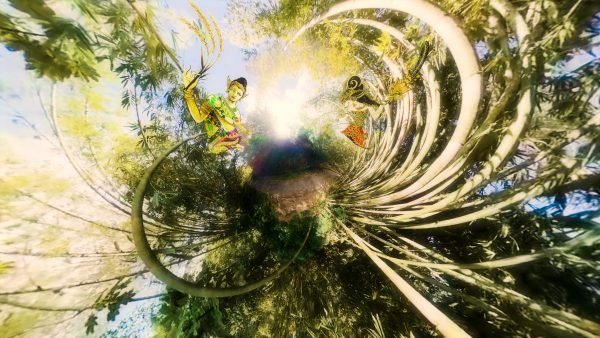
Künstlerhaus Bethanien
Museum / institution
Joseph Beuys Werke aus der Sammlung der Nationalgalerie
Until 31 Dec 9999
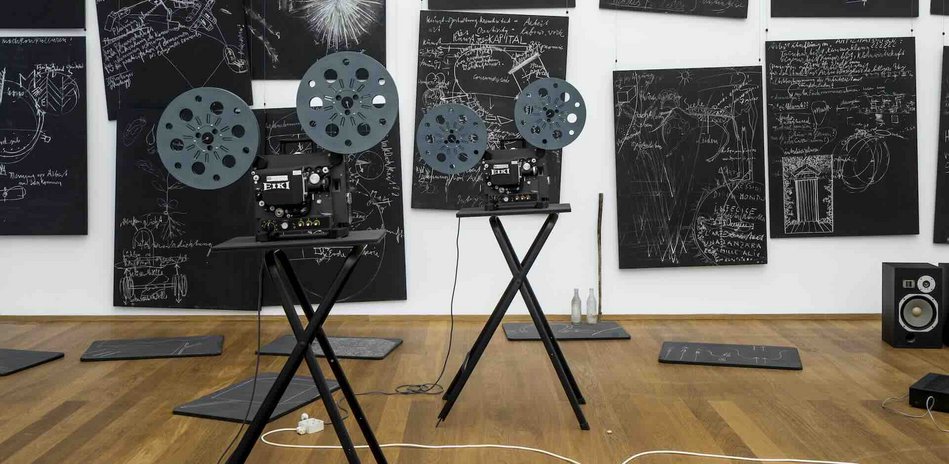
Hamburger Bahnhof – Museum für Gegenwart
Museum / institution
- Der Konzeptkünstler Mischa Kuball (* 1959 in Düsseldorf, lebt ebenda) nutzt das Medium Licht, um architektonische Räume sowie politische Diskurse zu erforschen. In seinen Projekten reflektiert er soziokulturelle Strukturen und schafft Interventionen, die architekturgeschichtliche Kontexte betonen oder neu interpretieren. Für das eindrucksvolle Kesselhaus entwickelt er eine ortsspezifische Arbeit, die Gegenwart und Geschichte miteinander verknüpft. Kuratorin: Kathrin Becker
Mischa Kuball boiler house
Until 30 May 2027
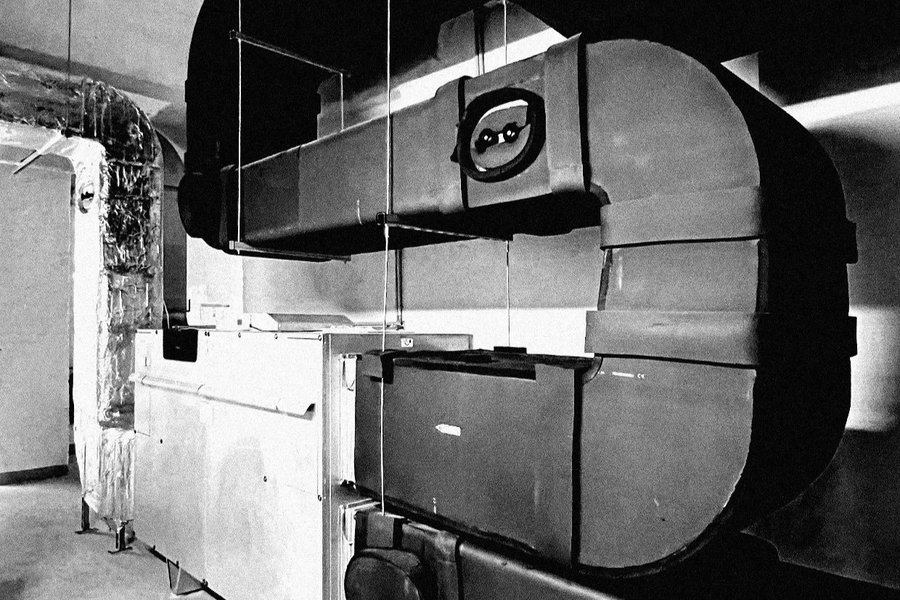
KINDL – Zentrum für zeitgenössische Kunst
Museum / institution
- Die Neue Nationalgalerie widmet Christoph Schlingensief (1960–2010), dem äußerst einflussreichen deutschen Künstler, Autor, Filmemacher, Theater- und Opernregisseur und Professor der Bildenden Kunst in ihrer aktuellen Sammlungspräsentation "Zerreißprobe. Kunst zwischen Politik und Gesellschaft. Sammlung der Nationalgalerie 1945 – 2000" einen eigenen Raum. Im Zentrum steht das Werk "Deutschland versenken" aus dem Jahr 1999, das Teil seines Projekts "Deutschlandsuche ’99" darstellt. Die Neue Nationalgalerie freut sich besonders, dass dieses Werk dank der großzügigen Schenkung von Aino Laberenz, die den Nachlass von Christoph Schlingensief verwaltet, nun dauerhaft Teil ihrer Sammlung wird.
Christoph Schlingensief. Deutschlandsuche ’99
Until 25 Apr 2027
Neue Nationalgalerie
Museum / institution
- Restaurierung ist eine essenzielle, aber oft unsichtbare Arbeit im Museum. Sie ist geprägt von komplexen Entscheidungsprozessen. Was und wie wird restauriert? Was darf wie ausgestellt werden? Welche Perspektiven bringen die internationalen Partner*innen ein? Anhand von fünf Exponaten gibt die Ausstellung Einblicke in Fragestellungen und Arbeitsweisen der Restaurierung. Hörtexte von Schüler*innen des Carl-Friedrich-von-Siemens-Gymnasiums in Berlin-Spandau eröffnen auf kreative Weise zusätzliche Blickwinkel auf die Exponate.
Restaurierung im Dialog Blick hinter die Kulissen
Until 8 Mar 2027
Humboldt Forum
Museum / institution
- In her solo exhibition The Flag Bearers, Rachel Monosov draws inspiration from the Surrealist imagery of Edgar Ende (1901–1965). The exhibition takes its title from Edgar Ende’s Die Fahnenträger (1931), one of three paintings which the artist then brings into the present, extracting their symbolic content through sculptural installations and performance. Rachel Monosov looks to Surrealism as a response to the aftermath of the First World War, a movement that abandoned logic and linear views of reality. By turning to dreams and the subconscious, the Surrealist movement offered both a refuge and a means of confronting loss, trauma and human fragility. Through this lens, the artist reflects on the cyclical nature of history while tapping into today’s collective psyche, ultimately exposing the emotional undertones of rising nationalism and the tension between bodies and ideology. The historical distance between the two artists is consequently central to the work. Edgar Ende lived through a period in which national symbols were transformed into instruments of mass mobilisation. He experienced destruction as a byproduct of nationalism, while Rachel Monosov is working within a contemporary context of escalating conflict where questions of geopolitical power and territorial aggression have again become urgent. The sculptural installations create an uncanny sensation. Two unusually long benches seem to stretch between here and elsewhere. Strands of long hair lie on their surface like traces of an erased human presence. Prosthetic bird legs have replaced parts of their original structure. Nearby, a jacket hangs from a metal rack, as if waiting to be worn; it is embroidered with a target motif across the back. On the other side of the room stands a metal sphere. Around it, a series of flags. White. Not tied to any particular nation. Their scale is disproportionate to that of the sphere On the wall, a series of poetic scores written by the artist serves as the common thread; these were intended as choreographic instructions for the performers. Rachell Bo Clark, Cami Brogaard and Victor Dumont activate the sculptural installations through a performative work that acts as the soul of the exhibition. Opening the door to a “mirror within the mirror” universe, they lead visitors into a dreamlike reality where symbolism, exaggeration, the tension between objects and bodies, and free associations compose a metaphor of the collective unconscious through a surrealist perception of space. There is no hierarchy, no beginning or end. Spaces and stories collapse into each other, they are misleading. Everything exists simultaneously, and can only be interpreted through one’s own points of reference and lived experiences. In The Flag Bearers the artist approaches the present as a historical condition that leaves its traces not only on nations and bodies, but also upon the unconscious. Beneath our individual experiences lies a shared terrain of haunting imagery, repressed guilt, and the uneasy question of what could have been done, or what might still be done, otherwise.
Rachel Monosov: The Flag Bearers
Until 15 Nov 2026
Künstlerhaus Bethanien
Museum / institution
- Berlin ist ein Ort ständiger Bewegung und Aushandlung, an dem sich künstlerische, politische und migrantische Wege begegnen. Anlässlich seines 30-jährigen Jubiläums präsentiert der Hamburger Bahnhof – Nationalgalerie der Gegenwart eine neue Sammlungspräsentation zur Berliner Kunstszene im globalen Dialog von 1989 bis heute. Über 70 Werke von mehr als 50 Künstler*innen, darunter Gemälde, Zeichnungen, Skulpturen, Fotografien und Videoinstallationen, spiegeln Berlins Mythos von Hedonismus und Subkultur im internationalen Kontext. Berlin ist mit der historischen Teilung der Stadt, konkurrierenden Erzählungen und der Komplexität unterschiedlicher Zugehörigkeiten verbunden. Kunst, die in Berlin entsteht, ist gleichzeitig Spiegelbild des politischen Weltgeschehens. Hier lebende und arbeitende internationale Künstler*innen machen Berlin zum Mikrokosmos globaler politischer Bewegungen und Krisen. Diesem Wechselspiel der Kunst mit der Stadt widmet sich die neue Sammlungspräsentation mit Werken von Cemile Sahin, Katharina Grosse, Mona Hatoum, Rirkrit Tiravanija, Katharina Sieverding, Thomas Struth, Danh Vo und vielen mehr. Für die neue Sammlungspräsentation setzt der Hamburger Bahnhof den langjährigen Austausch mit der Kunstsammlung des Bundes fort. Die Sammlungspräsentation wird zusätzlich durch eine Reihe von Neuerwerbungen ergänzt. Bekannte Hauptwerke von Robert Rauschenberg oder Isa Genzken sind mit selten und zum Teil noch nie gezeigten Werken zu sehen.
Tausendmal Berlin Die Sammlung Hamburger Bahnhof – Nationalgalerie der Gegenwart
Until 31 Dec 9999
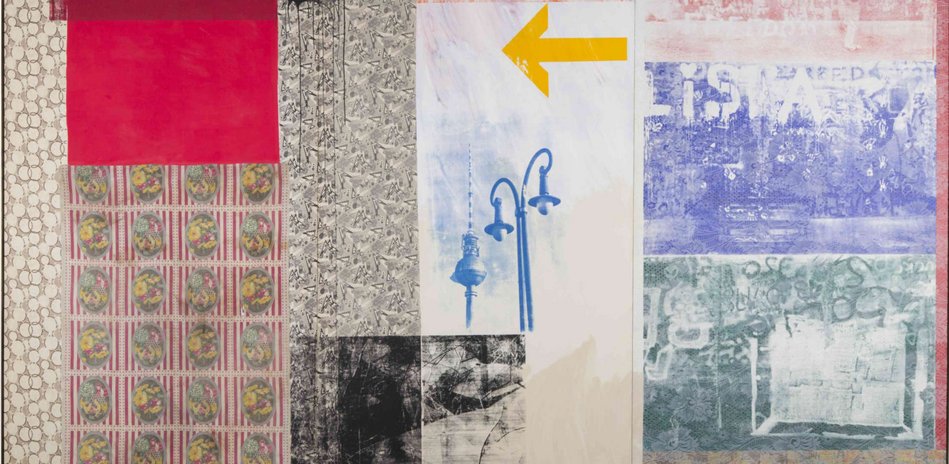
Hamburger Bahnhof – Museum für Gegenwart
Museum / institution
- Anlässlich des 120-jährigen Bestehens der Ostasiatischen Kunstsammlung, die im Lauf ihrer Geschichte viele turbulente Zeiten überstanden hat, präsentiert diese Ausstellung die Gestalt des Fischers: Er verkörpert unter anderem die Idee der Flucht aus dem Leben eines Staatsdieners in einer von Konflikten und zwischen-dynastischen Kriegen zerrissenen Welt. Als höchst symbolträchtiges Motiv der chinesischen Malerei bleibt der Fischer namenlos, symbolisiert Widerstandsfähigkeit und wird meist in einer idyllischen Landschaft dargestellt. Obwohl diese Landschaften friedvoll wirken, stehen sie zugleich für den Rückzug aus einem turbulenten, stressigen und gefährlichen Umfeld. Während ein leeres Boot mit losem Tau für manche Freiheit und Unabhängigkeit verkörpert, kann es für andere auch eine Erinnerung an die Flucht von einem Ort sein, den sie einst ihr Zuhause nannten.
Auf ruhigen Flüssen der turbulenten Welt entfliehen
Until 29 Mar 2027
Humboldt Forum
Museum / institution
- Netta Weiser (geboren 1991 in Israel) arbeitet an der Schnittstelle von Klanginstallation, Performance und experimentellem Radio. Der Hörraum im Humboldt Forum präsentiert ihre erste Klangausstellung in Berlin. In ihrer interdisziplinären Praxis entwickelt Weiser choreografische Zugänge zu Klang und erforscht, wie Radioübertragungen verdrängte Geschichten hörbar machen und kollektives Hören temporäre Gemeinschaften entstehen lässt. In "fuga" verweben sich Archivklänge aus dem Ägypten der 1930er-Jahre, queere Geschichten und diasporische Erinnerungen zu einer choreografischen Hörerfahrung.
fuga Klangausstellung von Netta Weiser
Until 31 Mar 2027
Humboldt Forum
Museum / institution
- Bereits vor 2.000 Jahren ließen die Kaiser Chinas Porträts loyaler Beamter und Generäle anfertigen. Diese Präsentation zeigt Darstellungen verdienstvoller Offiziere, die der Qianlong-Kaiser (R. 1736–1795) für ihre Ausstellung in der Ruhmeshalle Ziguangge in Auftrag gegeben hatte, um seine Macht und Legitimität zu demonstrieren. Im 20. Jahrhundert wurden sie gleich zwei Mal zu Kriegsbeute.
Die Ziguangge: Halle des Purpurglanzes
Until 27 Sept 2027
Humboldt Forum
Museum / institution
Coming soon in Berlin
- Cesar Klein (1876–1954) war ein moderner Universalkünstler, der die Grenzen zwischen freier und angewandter Kunst mit beeindruckender Vielseitigkeit überschritt. Sein Schaffen umfasste nicht nur Malerei und Grafik, sondern auch Innenarchitektur sowie die Gestaltung von Mosaiken, Glasfenstern, Möbeln und Porzellan. Darüber hinaus prägte er als Bühnenbildner und Filmausstatter das kulturelle Leben im Berlin der Weimarer Republik maßgeblich. Cesar Klein zählt zweifellos zu den bedeutendsten Vertretern der Berliner Moderne, sowohl in der
Ausstellung Cesar Klein. Bild Raum Bühne
15 Oct 2026 – 29 Mar 2027
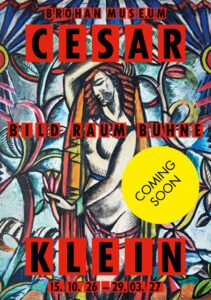
Bröhan Museum
Museum / institution
- Das DHM plant für Oktober 2026 eine Ausstellung zum Vergleich zentraler Aspekte kolonialer und nationalsozialistischer Gewalt im 20. Jahrhundert. Die Ausstellung wird im Untergeschoss des Pei-Baus gezeigt... [rest of the description]
Umstrittene Verwandtschaft. Koloniale und nationalsozialistische Gewalt
16 Oct 2026 – 11 Apr 2027
Deutsches Historisches Museum
Museum / institution
- Das Haus am Waldsee präsentiert die erste umfassende institutionelle Einzelausstellung des Künstlers Peter Wächtler in Berlin. Wächtler (*1979 in Hannover, lebt und arbeitet in Schleswig-Holstein) entwickelt seine Arbeiten jenseits fester Werkbegriffe oder Einordnungen. Er schreibt, filmt, zeichnet, malt, baut Skulpturen und Filmsets um vertraute Genres und Erzählweisen in eine fragile Balance von Nostalgie, Tragik und absurdem Humor zu überführen. In zwei Jahrzehnten hat Wächtler eine eigene Formensprache entwickelt, die die vermeintliche Behaglichkeit des Vergangenen nutzt, um gegenwärtige Widersprüche zwischen Selbstbestimmung und Selbstaufgabe miteinander zu verschränken. Versehen mit dem lakonischen Titel Ständig vereint die Ausstellung bestehende und neue Arbeiten, allen voran einen gleichnamigen neuen Film.
Peter Wächtler
16 Oct 2026 – 17 Jan 2027
Haus am Waldsee
Museum / institution
- Das dritte und letzte Kapitel der im Rahmen des 80. Jubiläums des Haus am Waldsee entwickelten Ausstellungsreihe Seit… zeigt neue, aus der Auseinandersetzung mit dem Ort und seiner Geschichte entwickelte Werke der Künstlerin Sophie Kovel (geboren 1996 in Los Angeles, lebt und arbeitet in Paris). Die Ausstellung entfaltet sich entlang der von Nina Akhvlediani entworfenen Display-Architektur im Café, der ehemaligen Garage des Hauses. Dabei wendet sich Kovel dem nahegelegenen Studio Babelsberg zu, um dessen Geschichte avantgardistischer, faschistischer und sozialistischer ideologischer Bildproduktion ebenso zu untersuchen, wie die Wirkmächtigkeit und Verbreitung von Medienbildern in der Gegenwart.
Sophie Kovel - Gigantomania
16 Oct 2026 – 17 Jan 2027
Haus am Waldsee
Museum / institution
- Alex Müller (b. 1969) combines painting, drawing, sculpture, and site-specific installations into complex, often cyclical narratives. Her work is deeply influenced by autobiographical references, collective German history, and the phenomenon of time. By transforming everyday objects and organic materials into poetic, cryptic arrangements, she traces the paths and fractures of human life.
“Gestern ist Heute”
16 Oct 2026 – 28 Nov 2026
Haverkampf Galerie
Gallery / art space
- Working across film, photography, and sculpture, Egyptian artist Rafik Greiss (b. 1997, IE) considers time not as a linear movement from past to present but as something composed of fragments – moments that accumulate, dissolve, and may unexpectedly resurface as sensation or afterimage. Spanning digital and analog processes, his practice moves between the distant and the proximal at once, reflecting more broadly on transformation, memory, and the shifting states of images and objects. At the center of The City and the City, Greiss’s first institutional solo exhibition, is the artist's newly commissioned film of the same title. Conceived as a cinematic essay, the work follows enigmatic figures inhabiting vast desert landscapes, watching and waiting for something that seems yet to happen. Time stretches around the possibility of an event that may never occur, and seemingly empty scenery becomes charged with anticipation. The expectancy of the characters becomes a kind of labor – repeated, prolonged, and without resolution – while vigilance turns into a way of inhabiting territory. The film’s soundtrack, composed by musician 7038634357, carries the film’s atmosphere beyond the screen and into the exhibition space. Also presented is a series of black-and-white photographs by Greiss, depicting artifacts, objects, and emptied places detached from their original contexts – fragments of sites and events that cannot quite be recovered. Withholding geographical and historical markers, Greiss shifts attention from interpretation toward experience, leaving room for us to shape how the images might be understood. In his oeuvre, memory hovers at the edge of consciousness, shaped by what is seen and half-remembered, suspended between personal recollection and collective history.
Rafik GreissThe City and the City
17 Oct 2026 – 10 Jan 2027
KW Berlin
Museum / institution
- Skulpturen · Objekte · Bilder · 23. Oktober – 29. November 2026 · Eröffnung Freitag, 23. Oktober 2026, 19–22 Uhr Karsten Konrad, geboren 1962 in Würzburg, studierte Kunst an der Johannes Gutenberg-Universität Mainz sowie Freie Plastik am Royal College of Art in London und an der Universität der Künste in Berlin bei David Evison und Marina Abramović. Seine Werke hat er weltweit präsentiert und ausgestellt. Er ist Professor für Bildhauerei an der Universität der Künste Berlin und lebt und arbeitet in Berlin.
Karsten Konrad
23 Oct 2026 – 29 Nov 2026
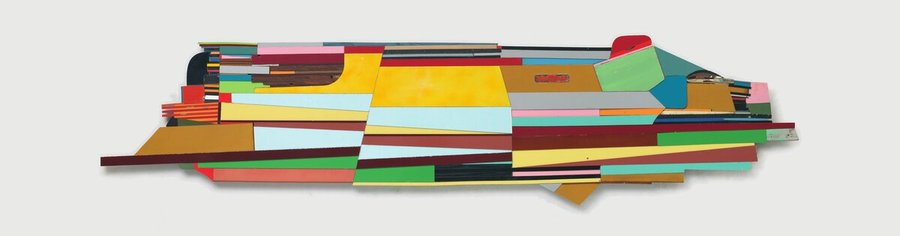
Galerie Tammen & Partner
Gallery / art space
- Ein Fußball liegt auf dunklem Grund. Seine Oberfläche ist aufgerissen, Teile der äußeren Hülle fehlen, das Material wirkt spröde, abgeschabt, verbraucht. Der Ball ist so stark beschädigt, dass mit ihm nicht mehr gespielt werden kann. Und doch ist er sofort als das zu erkennen, was er ist. Kaum ein Gegenstand bündelt weltweit so viele persönliche und kollektive Erinnerungen wie der Fußball. Über Länder, Generationen und soziale Lebenswelten hinweg schafft er gemeinsame Erfahrungen, die weit über den Sport hinausreichen. Er gehört zum Alltag ebenso wie zum gesellschaftlichen Ritual, verbindet persönliche Biografien mit kollektiven Ereignissen und hat sich als Bild tief in unser kulturelles Gedächtnis eingeschrieben. In Tina Winkhaus’ Fußball von 2026 ruht der Ball. Die Bewegung ist vorüber, der Gebrauch bleibt sichtbar. Gemeinschaft und Spiel treffen auf Vergänglichkeit und die Spuren dessen, was stattgefunden hat. Mit den Worten "gelebt, geliebt" benennt Winkhaus die Beziehung vieler Menschen zum Fußball. Von diesem Bild aus öffnet sich die gedankliche Sphäre von HM4T 4 EVR. Schon der Titel trägt eine Spannung in sich. Die verkürzte, codierte Schreibweise trifft auf einen Begriff, der Dauer verspricht: Heimat forever. Zugleich entsteht Heimat aus Dingen, Menschen, Landschaften, Gewohnheiten und Erfahrungen, die sich verändern. Für Winkhaus ist Heimat eng mit kultureller Erfahrung verbunden. Geboren 1966 in Essen, studierte sie Fotografie in München, lebte mehrere Jahre in New York und London und seit 1999 in Berlin. Herkunft und der durch Ortswechsel entstandene Abstand stehen in ihrer Biografie nebeneinander. In HM4T 4 EVR nähert sie sich dem Thema über vertraute, teilweise stereotype Bilder und Gegenstände: Fußball, Wald, Jagd, Rehe, Schrebergärten und Tauben. Sie selbst bezeichnet diese Motive als "deutsche Attribute". Ihre Vertrautheit macht sie zu Sinnbildern und Klischees, zugleich tragen sie individuelle Erfahrungen und gesellschaftlich geteilte Vorstellungen in sich. Gerade diese Überlagerungen interessieren Winkhaus. Denn was vertraut erscheint, besitzt keine unveränderliche Bedeutung. Darin berührt HM4T 4 EVR eine Frage, die in der gegenwärtigen politisch polarisierten Situation besondere Dringlichkeit erhält. Wie lässt sich über Heimat, Herkunft und kulturelle Verbundenheit sprechen, ohne unmittelbar einer politischen Position zugeordnet zu werden? Winkhaus beschäftigt die Erfahrung, dass der Begriff Heimat zunehmend von politischen Kräften beansprucht und mit ausgrenzenden Vorstellungen verbunden wird. Die Ausstellung setzt dem einen offeneren Erfahrungsraum entgegen. Heimat kann Erinnerung, Sprache, Kultur und Landschaft umfassen, ebenso Veränderung, Widerspruch und historische Verantwortung. Der Wald führt diese Überlegungen in einen kulturellen Bildraum, der seit Jahrhunderten mit Vorstellungen von Herkunft und Identität verbunden ist. Er gehört seit Jahren zu Winkhaus’ Repertoire und besitzt zugleich eine besondere Stellung in der deutschen Kulturgeschichte. Romantik und Märchen, Natursehnsucht und Kindheit haben sich in ihm ebenso eingeschrieben wie Fremdheit, Prüfung und Gefahr. In The Boy with the Apple Banquet von 2014 bewegt sich ein Junge in einem weißen Umhang durch einen Wald. Rote Äpfel liegen hinter ihm auf dem Boden und bilden eine Spur. Die Szene erinnert an Hänsel und Gretel, doch an die Stelle der Brotkrumen treten Äpfel. Damit öffnet sich eine weitere Ebene. Der Apfel besitzt eine lange Kultur- und Bildgeschichte, die von Erkenntnis und Verlockung bis zu Märchen und alltäglicher Naturerfahrung reicht. Winkhaus lässt diese Assoziationen nebeneinander bestehen. Das Bild erinnert an bekannte Erzählungen, ohne sich auf eine von ihnen festlegen zu lassen. Auch Tiere durchziehen ihr Werk. In Red Deer von 2026 begegnen sich Vorstellungen von Natur und Jagd, Verletzlichkeit und Stärke. Der Hirsch trägt eine lange Geschichte kultureller Zuschreibungen mit sich: Naturbild und Jagdmotiv, Würde und Trophäe, romantische Vorstellung und populäres Bild. Winkhaus interessiert, welche dieser Vorstellungen wir noch immer mitsehen, wenn wir einem scheinbar vertrauten Motiv begegnen. Besonders deutlich wird die Veränderlichkeit solcher Zuschreibungen an der Taube. Einst wertvolles Zucht- und Statustier, Brieftaube, religiöses Symbol und Sinnbild des Friedens, gehört sie heute zum selbstverständlichen Alltag der Städte und vielerorts zu den am stärksten abgewerteten urbanen Tieren. Das Geschöpf hat sich kaum verändert; seine kulturelle Bewertung sehr wohl. An der Taube wird sichtbar, wie sehr Wahrnehmung von gesellschaftlichen Bedingungen geprägt wird. Was einmal kostbar war, kann gewöhnlich werden. Bewunderung kann in Geringschätzung umschlagen. Der Gegenstand bleibt und der Blick verändert sich. Ähnliche Spannungen tragen die anderen Motive von HM4T 4 EVR. Der Schrebergarten verbindet Vorstellungen von Rückzug, Ordnung und privater Idylle mit einer spezifischen Alltags- und Freizeitkultur. Der Wald ist Landschaft und kultureller Bildraum. Der Fußball bleibt Spielgerät und wird zugleich zum gemeinschaftlichen Ritual und globalen Phänomen. Gerade weil diese Dinge so selbstverständlich erscheinen, kann Winkhaus sie mit kleinen Verschiebungen wieder sichtbar machen. Dieses Prinzip findet eine Entsprechung in ihrer Arbeitsweise. Winkhaus’ digitale Arbeiten entstehen aus einem umfangreichen, selbst produzierten Bildmaterial. Für ihre Bildwelten fertigt sie unzählige Fotografien an. Figuren, Tiere, Pflanzen, Gegenstände, Räume und kleinste Details werden einzeln abgelichtet, freigestellt und digital zu einem Werk zusammengesetzt. Eine Szene, die geschlossen erscheint, besteht aus Fragmenten, die zu unterschiedlichen Zeiten und an unterschiedlichen Orten aufgenommen wurden. Aus diesem Material entwickelt Winkhaus eine eigenständige Bildwirklichkeit. Sie ordnet die einzelnen Elemente neu, bestimmt ihre Beziehungen zueinander und gestaltet räumliche Verhältnisse, Licht und Atmosphäre innerhalb der Komposition. Die fertigen Arbeiten sind Digital Art. Begriffe wie Constructed Reality und Photographic Painting beschreiben die Verbindung von fotografischem Ausgangsmaterial und digitaler Bildkonstruktion. Winkhaus selbst verwendet dafür auch den Begriff Analog AI. Der Begriff Analog AI gewinnt in einer Gegenwart besondere Schärfe, in der generative künstliche Intelligenz innerhalb weniger Augenblicke Bilder hervorbringen kann, die nie fotografiert wurden. Auch Winkhaus konstruiert Szenen, die in dieser Form nie existiert haben. Jedes Detail geht dabei auf eine konkrete Aufnahme und eine künstlerische Entscheidung zurück. Erfahrung, Intuition, Erinnerung und ein über Jahre aufgebautes persönliches Bildarchiv prägen diese Arbeiten. Gerade an diesem Punkt greifen Verfahren und Thema von HM4T 4 EVR ineinander. Denn auch Erinnerung setzt sich aus Fragmenten zusammen. Einzelne Situationen bleiben präzise, andere verlieren ihre Konturen. Eigene Erfahrungen verbinden sich mit Erzählungen, überlieferten Bildern und Vorstellungen, die wir aus Kunst, Film, Literatur oder Alltag übernommen haben. Was wir erinnern, wird aus der Gegenwart heraus immer wieder neu zusammengesetzt. Auch Heimat lässt sich als eine solche Schichtung verstehen. Sie entsteht aus realen Orten und Menschen, aus Sprache, Gewohnheiten und persönlichen Erfahrungen, zugleich aus Bildern und kulturellen Erzählungen. Ein Fußball kann darin ebenso Bedeutung gewinnen wie ein Wald, ein Garten oder ein Tier. Die einzelnen Elemente besitzen unterschiedliche Gewichte, verändern sich im Laufe eines Lebens und können dennoch gemeinsam ein Gefühl von Zugehörigkeit hervorbringen. In dieser Hinsicht korrespondiert die Konstruktion von Winkhaus’ Bildwelten mit dem Gegenstand ihrer Ausstellung. Aus vielen einzelnen Fragmenten entsteht eine Wirklichkeit, die vorher in dieser Form nicht existierte und uns dennoch vertraut erscheinen kann. Heimat wird dabei weniger als feststehendes Bild sichtbar denn als etwas, das sich fortwährend aus Erfahrung, Erinnerung und kultureller Überlieferung zusammensetzt. Am Ende führt dieser Gedanke zurück zum Fußball. Seine Oberfläche ist beschädigt, seine ursprüngliche Funktion verloren. Trotzdem bleibt seine Form erkennbar. Was mit ihm geschehen ist, lässt sich nicht rückgängig machen und gehört nun zu seinem Erscheinungsbild. Vielleicht liegt gerade darin eine der präzisesten Vorstellungen von Heimat, die HM4T 4 EVR entwickelt: Ihre Bedeutung hängt nicht von Unversehrtheit oder Stillstand ab. Sie kann Geschichte und Veränderung in sich tragen und dennoch Verbundenheit erzeugen. Gelebt, geliebt.
Tina Winkhaus / HM4T 4 EVR
23 Oct 2026 – 6 Feb 2027
Janinebeangallery
Gallery / art space
- Dana Schutz
The Department
7 Nov 2026 – 19 Dec 2026
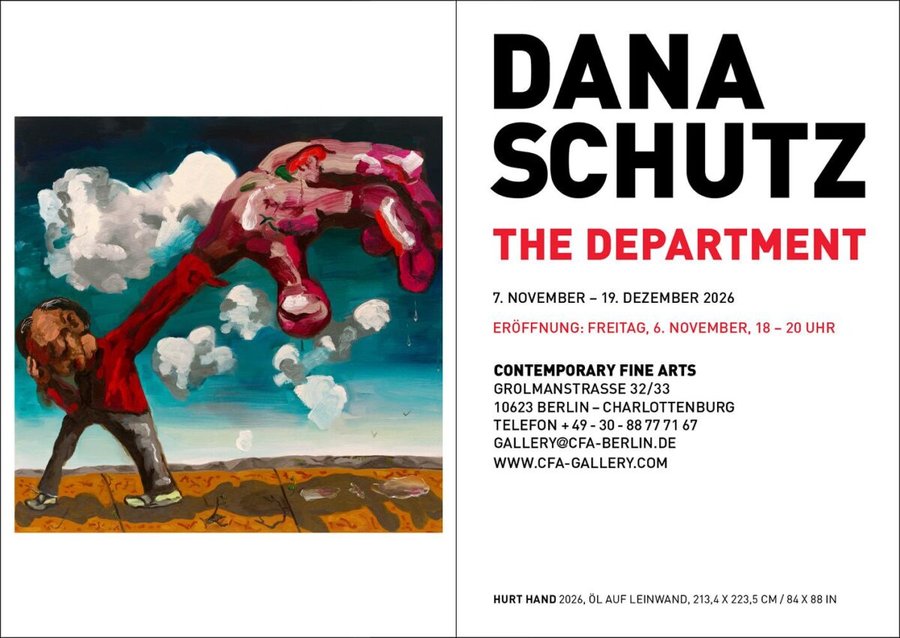
Contemporary Fine Arts
Museum / institution
- German artist Verena Bachl works across sculpture and installation. Her practice draws on industrial elements, material processes, and light to examine how functional objects persist beyond the systems they once served. These works occupy a space between infrastructure, geology, and artefact, where material transformation gives rise to new spatial and perceptual relationships. Titled Graceful Degradation, the exhibition follows gradual processes of change in which systems no longer perform as intended yet continue to retain traces of their former logic. Rather than focusing on rupture or collapse, the works dwell within transitional states, where stability remains provisional and transformation unfolds as an ongoing material condition. Systems rarely collapse in dramatic gestures; more often, they change state gradually, almost imperceptibly, as one condition gives way to another while traces of the former persist. The exhibition unfolds within metastable intervals, moments of internal recalibration where stability is provisional and structural tensions remain alive beneath the surface. The works traverse perceptual phenomena and emergent material constellations, tracing states in which transformation is not represented but structurally embedded in the behaviour of charged matter, indifferent to human presence. Light becomes surface, reflection becomes structure, signals begin to thin. Materials hover at thresholds, held in temporary alignment, suggesting that what appears coherent may already be shifting from within. Rather than narrating rupture or catastrophe, the exhibition follows change as a continuous reconfiguration—a process unfolding under ongoing conditions, in which elements displace, drift, and reform themselves without fully abandoning what came before. Across the space, perceptual fields, tipping arrangements, and metastable formations coexist as overlapping phases within a larger dynamic. They do not follow a linear progression but remain suspended in transition, while one configuration recedes and another quietly begins to take shape, in rhythms beyond control.
Verena Bachl: Graceful Degradation
13 Nov 2026 – 18 Dec 2026
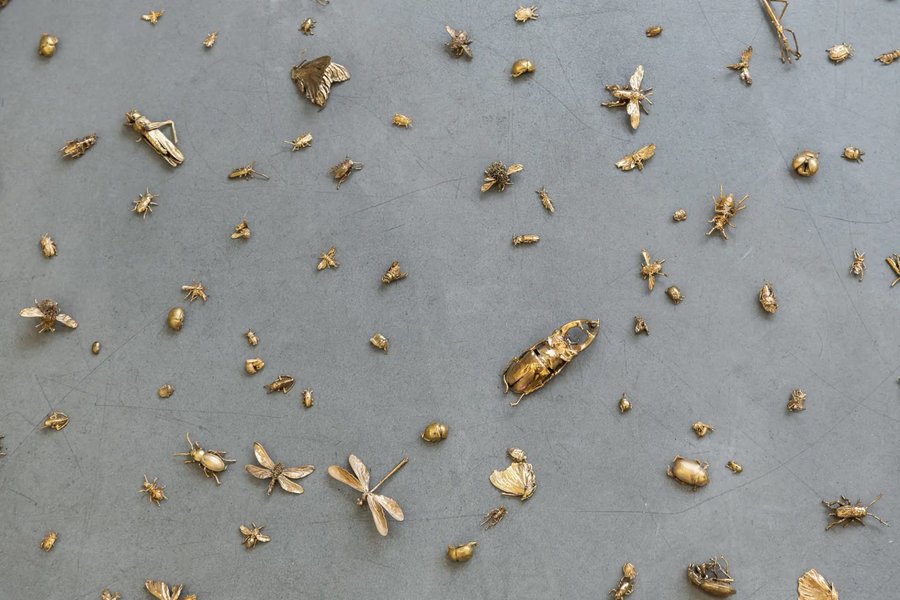
BBA Gallery
Gallery / art space
- Welsh artist Rhys Himsworth works across painting, print, sculpture, and digital fabrication, developing a material practice rooted in the transformation of electronic waste. His work examines the relationship between geological extraction and technological production, tracing how minerals embedded in the earth are reconfigured into the devices that structure everyday life. Titled Menhir, a term referring to standing monolithic stones erected across Neolithic landscapes, the exhibition draws on objects that persist beyond the conditions of their making. Found across cultures, these structures remain as markers of ritual and belief, yet their meanings often remain unclear. Himsworth approaches the exhibition through this ambiguity, positioning the works between the scientific and the symbolic. The exhibition will consist primarily of CNC-milled panels alongside a small number of sculptural forms. Shredded electronic waste, such as circuit boards, LCD screens and hard drives, are combined with resin to form dense composite blocks, which are then carved using three-, five-, and six-axis CNC processes. Machining operates here as a form of excavation, cutting into the material to reveal its internal structure. The panel works position themselves in relation to painting, initially resembling Modernist monochrome abstraction, whilst the sculptural works recall the earthworks of Land Art. Their surfaces are carved from source imagery derived from metamorphic stones such as marble and slate, translating patterns of veining into tool-paths that erode the surface. As the material is cut away, stratified layers of embedded waste are exposed. The process draws on geological weathering, where variations in density determine how a surface is worn over time, here reconstructed through digital means. Fragments of electronic waste become analogous to sediment, compressing extended chains of extraction, manufacture, and disposal into a single material surface. The works reference geological diagrams—cross-sections, strata, and topographical mapping—while functioning as constructed objects in their own right. Across the exhibition, the repeated transformation of material introduces a ritual dimension, in which technological debris is returned to a form that recalls its geological origin. In this context, the works can be understood as speculative monoliths, objects that operate as both records of contemporary production and as remnants of a future archaeology.
Rhys Himsworth: Menhir
13 Nov 2026 – 18 Dec 2026
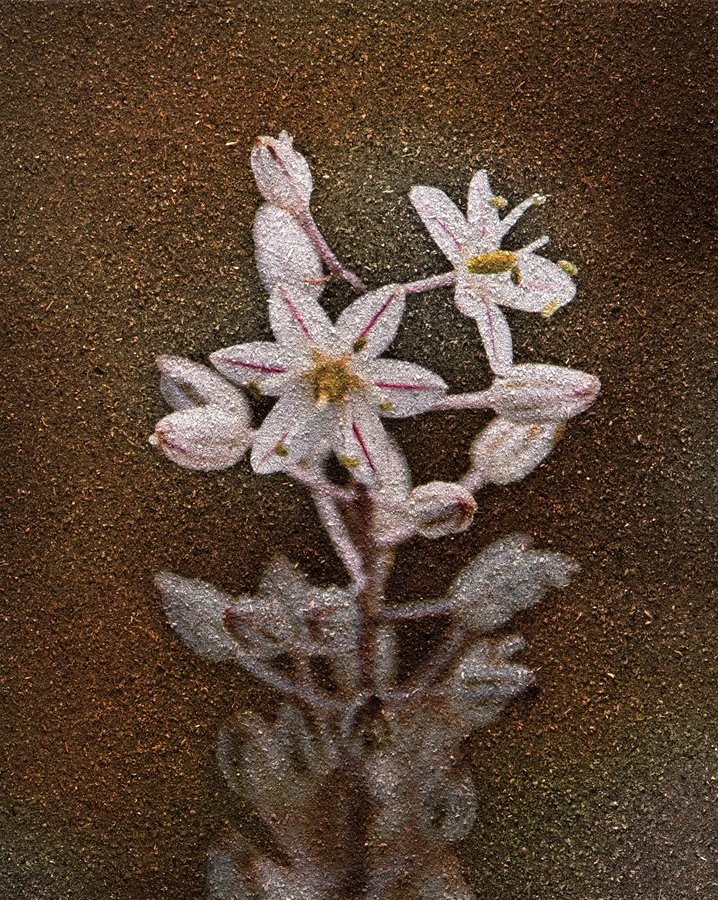
BBA Gallery
Gallery / art space
ULAY Ulay: Aesthetics Without Ethics Are Cosmetics
13 Nov 2026 – 15 Jan 2027
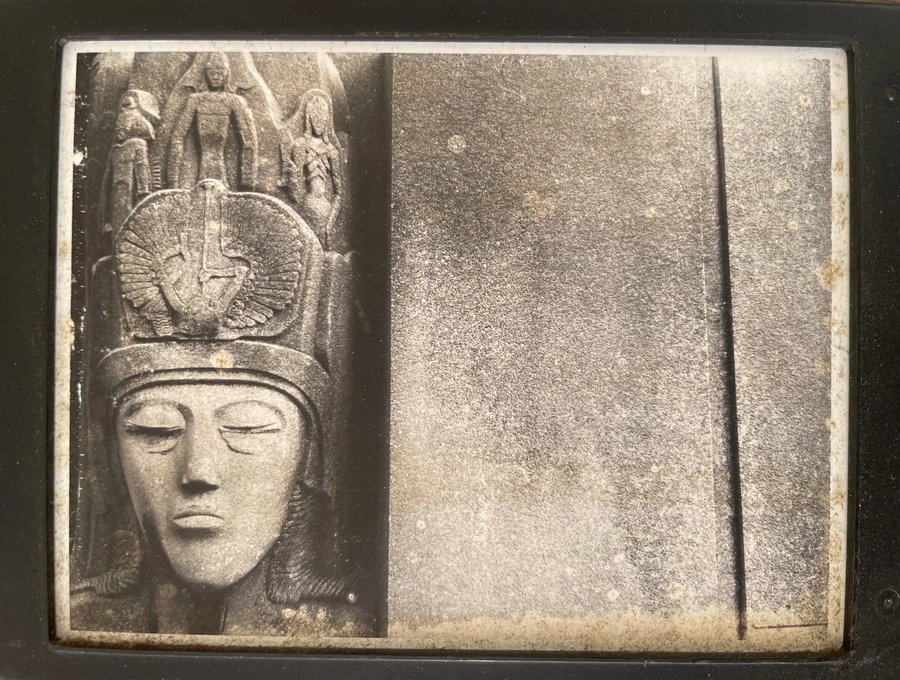
GNYP Gallery
Gallery / art space
Kapwani Kiwanga, Carry Me / Carry On
20 Nov 2026 – 22 Jan 2027
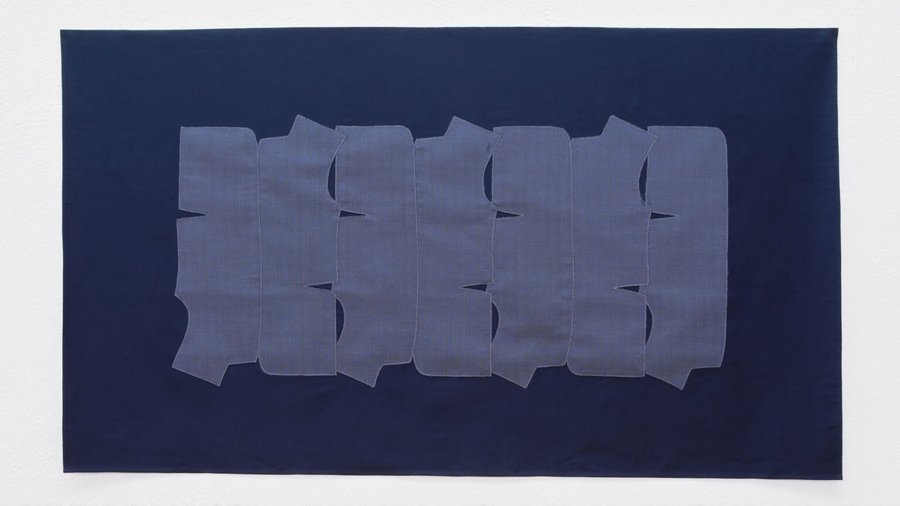
Galerie Tanja Wagner
Gallery / art space
Paul Fägerskiöld
21 Nov 2026 – 9 Jan 2027
Galerie Nordenhake
Gallery / art space
- Die Künstlerinnen und Künstler der Galerie · 4. Dezember 2026 – Ende Januar 2027 · Eröffnung Freitag, 4. Dezember 2026, 19–22 Uhr
All Together Now
4 Dec 2026 – 31 Jan 2027
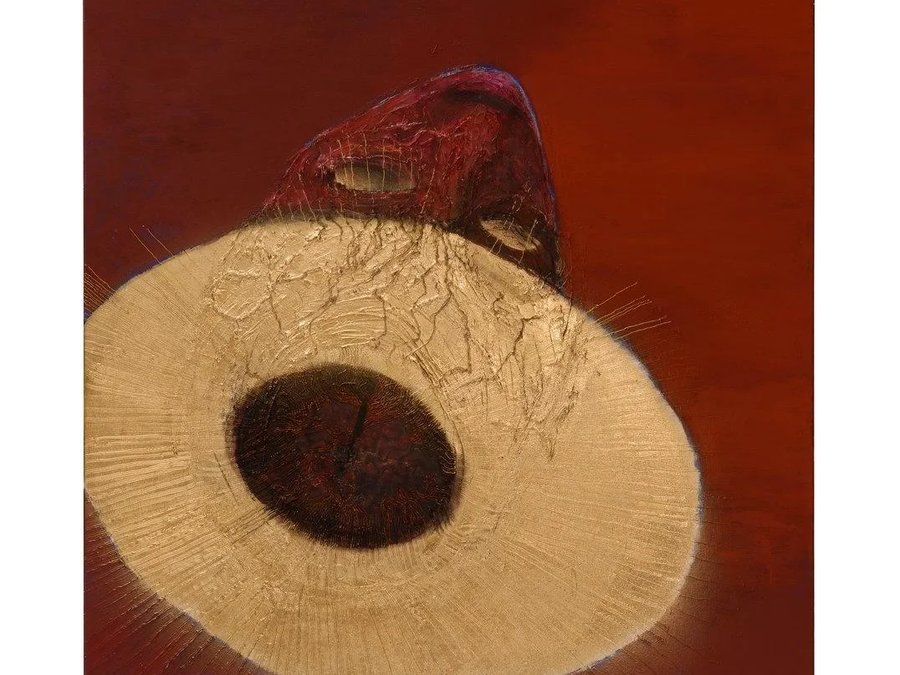
Galerie Tammen & Partner
Gallery / art space
Elsa Rouy A Heart of lightness
4 Dec 2026 – 12 Feb 2027
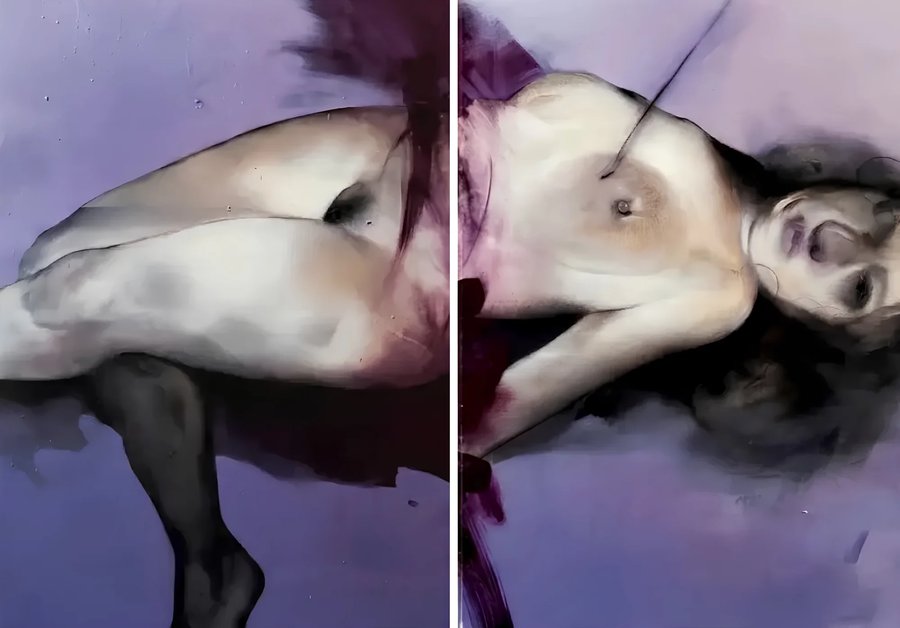
GNYP Gallery
Gallery / art space
- The BPA// Exhibition 2026 at KW presents works by artists from the BPA// Berlin program for artists that were created during their two-year participation in the program. BPA// is an independent mentoring program that has fostered intergenerational exchange between emerging and established Berlin-based artists since 2016. Through studio visits, public events, and exhibition formats, the program creates opportunities for artistic encounters across media and generations. BPA// was founded by artists Angela Bulloch, Simon Denny, and Willem de Rooij. KW and the BPA// Berlin program for artists have been partners since 2020. Since then, the annual exhibition has marked the culmination of each joint program cycle, offering insight into the artistic development of the participating artists.
BPA// Exhibition 2026
5 Dec 2026 – 10 Jan 2027
KW Berlin
Museum / institution
- Am 7. April 2028 wird im Pei Bau des Deutschen Historischen Museums auf 560 Quadratmetern die Ausstellung "Porträts der deutschen Geschichte" (Arbeitstitel) eröffnen. Im Zentrum der Ausstellung stehen herausragende Porträts historischer Persönlichkeiten und vor allem Werke, die einen hohen Eigenwert besitzen und von emblematischer Wirkungskraft sind. Die ausgestellten Porträts werden dabei möglichst vielfältig sein, sowohl was die Dargestellten wie auch die Formate anbetrifft. Fürsten, Staatsmänner und -frauen, entscheidende Personen aus Industrie, Wirtschaft, Wissenschaft, Sport, Kultur usw. werden vertreten sein, aber auch unbekannte Menschen, wenn von ihnen packende Porträts überliefert sind. Aus der Begegnung mit den Porträts sollen sich Türen in die Geschichte öffnen. Dabei soll die Vielfalt der in Deutschland heute und in der Vergangenheit lebenden und wirkenden Menschen zum Ausdruck kommen: Personen der verschiedenen politischen Spektren von rechts bis links, Opfer, Täter, Vertriebene und Flüchtlinge, Bauern, Studierte, Einwanderer, Migranten, Protestanten, Juden und Katholiken, Homosexuelle usw. Die Porträts in den reichen Sammlungen des DHM
Porträts der deutschen Geschichte
7 Apr 2028 – 14 Jan 2029
Deutsches Historisches Museum
Museum / institution
Past Exhibitions
Recent past exhibitions
- Aufsehenerregende Mode von einer der wichtigsten Wegbereiterinnen der Haute Couture im 20. Jahrhundert sowie davon inspirierte Outfits nach studentischen Entwürfen – das Kunstgewerbemuseum (KGM) präsentiert erstmals im deutschsprachigen Raum das faszinierende Werk der französischen Modedesignerin Madame Grès (1903–1993). Im Mittelpunkt steht die 25 Modelle umfassende Grès-Kollektion des KGM und damit eine der
Many Shades of Grès Mode wird Kunst
Ended 11 Oct 2026
Kunstgewerbemuseum
- Glenn Ligon: Double America Glenn Ligon (geboren 1960) Double America, 2012 Neonröhren and Farbe 91 x 305 cm Das Werk "Double America" (2012) besteht aus zwei Zeilen: in der oberen Zeile ist jeder Buchstabe des Wortes "AMERICA" zur Wand hingedreht. Die zweite Reihe hingegen zeigt ein exaktes Spiegelbild des korrekt geschriebenen Wortes. Der Künstler beschreibt den entstehenden Effekt wie folgt: "Das Wort ‚AMERICA‘ scheint einen Schatten zu haben, obwohl dieser Schatten das Wort, das ihn wirft, nicht genau widerspiegelt." Glenn Ligon hinterfragt in vielen seiner Werke allzu einheitliche
Glenn Ligon: Double America
Ended 11 Oct 2026
Neue Nationalgalerie
Vickie Vainionpää Spectral
Ended 10 Oct 2026
Future Gallery
- (* 1986) in eine direkte visuelle und thematische Beziehung zu Werken von Biala (Janice Biala, 1903—2000) und Tal R (* 1967) gesetzt werden. Beide stellen für Levinthal wesentliche Bezugspunkte und Inspirationsquellen dar. Die Ausstellung verbindet nicht nur eine historische Position des 20. Jahrhunderts mit aktueller Figuration zu einem transnationalen Diskurs über Malerei, sondern schafft auch einen intimen Dialog über die Darstellbarkeit von Vulnerabilität und das Vergehen von Zeit in der modernen Malerei. Die Lyrikerin Anne Carson beschrieb einst einen irritierenden Traum, in dem sie ihr vertrautes Wohnzimmer nachts "im Schlaf überrascht" und von der "Schlafseite her betreten" hat, was es trotz gewohnter Ordnung vollkommen anders erscheinen ließ. In den Gemälden von Aubrey Levinthal, Biala und Tal R schwingt ein ähnliches Gefühl mit, bei dem das Geheimnis direkt hinter der Alltäglichkeit der Dinge liegt. Die Werke balancieren auf der feinen Trennlinie zwischen dem absolut Vertrauten und dem Fremden und erzeugen eine Spannung zwischen intimer Nähe und rätselhafter Distanz, dargestellt durch geschlossene Augen und blickdicht übermalte Spiegel. Thematisch dreht sich
“From the Sleep Side”
Ended 10 Oct 2026
Haverkampf Galerie
- Ronald de Bloeme breaks the dictatorship of perpetual images. From corporate branding to political glitches—the artist’s new works deconstruct the visual infrastructure of our present and reclaim autonomous vision.
re:kommunikation
Ended 10 Oct 2026
Laura Mars Gallery
- Marinda Vandenheede creates sculptural objects, works on paper, and paintings that employ natural, used, and discarded materials. "I tend to work with weathered, natural materials that testify to the beauty of decay." Such materials lend a sensitivity and sense of wonder to her works, contrasting her use of minimalist geometric forms and compositions. Vandenheede's works on paper contain a rough-edged, imperfect geometry that overlays used paper and other repurposed surfaces – abstract, yet very much part of this world. Her sculptural works border on the surreal as they reform recognizable worn and aging objects into curious arrangements that follow an internal logic. Vandenheede's practice embraces imperfection, atrophy, and stillness. It is a rejection of perfection, disconnectedness, and consumerism. Layers of time and narrative potential are embedded in her materials. She invites viewers to take a moment to be still and to take a deeper look. Marinda Vandenheede lives in Waregem, Belgium, where she also studied fine art. Her practice is influenced by the truism that, as humans, we are inseparable from nature, while her early training in graphic design is visible in her sense of composition. Her works have been exhibited and collected internationally, including Australia, Belgium, France, Germany, Spain, the UK, Ukraine, and New Zealand.
Traces of a System
Ended 10 Oct 2026
Ronewa Art Projects
Luisa Rabbia Containing the Container
Ended 10 Oct 2026
Tanya Leighton
- Gregor Hildebrandt Park by POCO, Gregor Hildebrandt presents a new body of work that builds upon his engagement with the material traces of cultural memory. The exhibition takes the garden as both a point of departure and a conceptual framework: a space of growth, transformation, accumulation, and renewal. When one thinks...
Gregor Hildebrandt Park by POCO
Ended 9 Oct 2026
Wentrup
- Das deutsche Wort Unkraut hat eine abwertende Konnotation – es bezeichnet Pflanzen, die als unerwünscht gelten und normalerweise entfernt werden. Doch viele dieser sogenannten "Beikräuter" sind ökologisch wertvoll, ernähren Insekten, stärken den Boden und sind für den Menschen essbar oder sogar medizinisch wirksam. Unkraut erinnert uns daran, dass das, was außerhalb der konventionellen Ordnung liegt, oft Teil einer reichen und komplexen inneren Ökologie ist. Unkraut tritt in der Ausstellung nicht nur als Studienobjekt oder Metapher auf, sondern auch als aktives Prinzip. Durch diverse, in ihrer Struktur oder Aussage widerspenstige künstlerische Positionen, wird die Frage aufgeworfen, wann etwas, eine Handlung oder ein Zustand "unkrautartig", ist. Was bedeutet es, "Unkraut" zu sein – zu verunsichern, zu durchdringen, zu überschreiten – innerhalb der Kunst, Institutionen, Sprache und des Alltagslebens? Unkraut zeigt, dass Störung nicht nur destruktiv, sondern auch generativ ist – sie löst starre Grenzen auf und eröffnet Raum für alternative Formen von Identität, Bedeutung und Praxis.
Louder, Taller, Uglier, Weirder
Ended 7 Oct 2026
Galerie im Körnerpark
Navid Nuur in Manifesta 16 Ruhr St. Gertrud, Essen
Ended 4 Oct 2026
Galeria Plan B
John Doe / Recent Paintings
Ended 4 Oct 2026
Museum für Fotografie
- Herausragende Fotografinnen gibt es seit der Erfindung der Fotografie im frühen 19. Jahrhundert. Viele von ihnen waren Pionierinnen auf diesem Gebiet. Sie experimentierten mit fotografischen und gestalterischen Techniken und loteten die Grenzen des neuen Mediums aus. So auch die Fotografinnen des Bauhauses. Sie beobachteten ihre Umgebung durch die Kameralinse und hielten dabei zahlreiche Motive in zum Teil neuen und ungewohnten Perspektiven fest. Das Spektrum ihres künstlerischen Schaffens reicht dabei von der gegenständlichen Porträt- und Architekturfotografie bis hin zur abstrakten experimentellen Fotografie. Die Ausstellung zeigt circa 300 Fotografien aus dem Sammlungsbestand des Bauhaus-Archiv / Museum für Gestaltung, Berlin. Die Motive sind heute vielen bekannt, ihre Urheberinnen jedoch nur wenigen. Mit der Ausstellung würdigt das Bauhaus-Archiv die Bedeutung dieser Künstlerinnen und ihr fotografisches Werk nun erstmals umfassend. Ergänzt werden die Fotografien der Bauhäuslerinnen mit Werken von Künstlerinnen des Institute of Design in Chicago (New Bauhaus), der Nachfolgeinstitution des Bauhauses in den USA. Auch im 21. Jahrhundert setzen sich Künstlerinnen auf vielfältige Weise mit der Fotografie auseinander. Wie die Bauhaus-Fotografinnen versuchen auch sie, ihre Gegenwart im fotografischen Bild festzuhalten und hinterfragen dabei die konventionellen Formen des Mediums. Für die Ausstellung hat das Bauhaus-Archiv die drei zeitgenössischen Künstlerinnen Kalinka Gieseler, Caroline Kynast und Sinta Werner eingeladen, mit ihren Arbeiten in einen Dialog mit den historischen Positionen zu treten.
Neue Frau, Neues Sehen Die Bauhaus-Fotografinnen
Ended 4 Oct 2026
Museum für Fotografie
- Zinnobjekte sind als integraler Bestandteil der europäischen Kulturgeschichte im Kunstgewerbe weitverbreitet und dennoch weitgehend in Vergessenheit geraten. Das Berliner Kunstgewerbemuseum zeigt in seiner Dependance in Schloss Köpenick eine Sonderausstellung, die das Zinn in seiner Verwendung vom Mittelalter bis in den Jugendstil verfolgt. Anhand von ca. 100 Kunstwerken wird dabei nicht nur die Entwicklung vom Sakralobjekt zum Gebrauchsgegenstand verdeutlicht, sondern auch die komplizierte Nutzung des Materials in der Möbelkunst
Zinn vom Mittelalter bis zum Jugendstil
Ended 4 Oct 2026
Kunstgewerbemuseum
- Skulpturen begegnen uns heute häufiger im Bild als im Original. Fotografien prägen unseren Blick auf plastische Kunst und bestimmen, wie wir sie wahrnehmen, erinnern und verstehen. Die Ausstellung Fotografie erzählt Skulptur macht diese Perspektivverschiebung sichtbar: Sie bringt Skulpturen und ihre fotografischen Abbilder in einen direkten Dialog und lädt dazu ein, das Sehen selbst neu zu entdecken. Über sechzig Fotografien vom Ende des 19. Jahrhunderts bis zur Gegenwart treten dabei in Beziehung zu sieben ausgewählten Skulpturen vom 11. bis zum 17. Jahrhundert. In neun thematischen Kapiteln entfaltet sich eine Geschichte des Sehens, die zeigt, wie Skulpturen durch fotografische Mittel wie Lichtführung, Bildausschnitt und Perspektive inszeniert und interpretiert werden. Die Ausstellung verbindet die Skulpturensammlung des Bode-Museums mit dem bislang wenig bekannten Fotoarchiv des Hauses. Ein umfangreich bebilderter Begleitband mit Beiträgen von Dr. Franziska Lampe (Photothek, Zentralinstitut für Kunstgeschichte, München), Prof. Dr. Kathrin Müller (Institut für Kunst- und Bildgeschichte, Humboldt-Universität zu Berlin) und weiteren Beitragenden vertieft die Fragestellungen aus unterschiedlichen wissenschaftlichen Perspektiven.
Fotografie erzählt Skulptur
Ended 4 Oct 2026
Bode-Museum
- The more than 40 works comprising the exhibition were curated by the Galerie CAMERA WORK. The exhibition, with historical distance, traces how photokünstlers experienced the events of '9/11' and what photographic focus they set. One area of the exhibition thematizes the World Trade Center as a motif in the history of photography. In the exhibition are represented renowned photographers, including Thomas Hoepker, Patrick Demarchelier, Steve McCurry, Elliott Erwitt.
Never Forget: September 11, 2001
Ended 2 Oct 2026
Camera Work
- Mit Materie unter Materie präsentiert Jarmuschek + Partner die neuesten Arbeiten von Malwine Stauss. Die Wesen, die die Künstlerin in ihren Aquarellen und als glasierte Keramiken schafft, sind Engel, Menschen, Schnecken, Muscheln, Pflanzen oder Fantasiefiguren. Manche von ihnen kommen scheinbar aus einer geheimnisvoll gemeinsamen Welt, in der es viel Wasser und Strand gibt. Lebewesen ebenso wie Materialien und Dinge erhalten in Malwine Stauss Bildern ihren eigenen Raum, sind nicht nur Staffage, sondern wirksam und sichtbar wichtig im großen Ganzen. Sie lassen ein Einfühlen in Zustände, Emotionen und Bewegungen zu. Eine Frau rennt und kämpft, ringt innig mit einem gelben Engel. Als stünde einen Moment lang die Zeit still und würde nur Energie fließen, schaut sie ihm in die Augen und wird in einem nächsten Bild selbst von ihm gesehen. Am Strand lässt sie sich nackt in den Sand fallen und versinkt darin. Sie geht schwimmen und lässt sich in die Tiefe gleiten, verschwindet komplett, scheint sich aufzulösen und sich mit dem Wasser zu verbinden. Alle Akteure haben bei Malwine Stauss eine eigene Persönlichkeit, bringen eine kleine oder große Erzählung mit. Und das ist kein Zufall: Sie sind Teil einer Geschichte, deren Narrativ nicht klar vor uns liegt; vielleicht noch nicht. In ihrer Abstraktion, Fragilität und Zartheit vermag jede der Figuren und Bildwelten noch mehr: Sie ziehen in den Bann und animieren mit Freundlichkeit und Nahbarkeit dazu, sich in sie hineinzuversetzen und ebenfalls ein bisschen mit der eigenen Umgebung zu verschmelzen; sich daran zu erinnern, wie ein Wald riecht, wie sich Sand an den Füßen anfühlt oder Wasser überall um den Körper. Sich auf die Gedanken einzulassen, dass man selbst “nur” ein Bestandteil ist – eben Materie unter Materie – mag furchteinflößend erscheinen oder als Form der Vernetzung mit der Welt wunderbar und verlockend wirken. Angeregt durch Lektüre von Texten Ursula K. Le Guins, Robin Wall-Kimmerers und Bruno Latours, weckt Malwine Stauss bei den Betrachtenden ihrer Werke die Empathie und das Bedürfnis, als Mensch bewusst in den Austausch und die Verbindung mit der Welt zu treten. Sie forciert dabei subtil einen Prozess der Transzendenz: das Überwinden der Konzentration auf das Selbst, um schließlich zu einem intensiveren Zustand des Menschseins zurückzugelangen - als Teil von allem und in Wechselwirkung mit allem. Mit viel Experimentierfreude und Freiheit in der Nutzung ihrer Werkstoffe zeichnet Malwine Stauss leicht zugängliche und zugleich substanzielle Utopien, die nicht ab- oder ausgrenzen, nicht religös oder dogmatisch sind, sondern einfach menschlich im besten Sinne.
Malwine Stauss - Erdlinge
Ended 2 Oct 2026
Jarmuschek + Partner
- anorak lädt in Berlin ansässige Künstler:innen, Kurator:innen und Forschende aus den Feldern zeitbasierte Medien, Literatur, Übersetzung, Publishing und Kulinarik dazu ein, kollaborative Projektvorschläge für eine dreimonatige Residency (Zeitraum: 1. Juli – 30. September 2026) im anorak Studio in Berlin-Tempelhof einzureichen. In Berlin ansässige Künstler:innen und Kulturarbeiter:innen können sich mit einer:m Kollaborationspartner:in bewerben, über einen Zeitraum von drei Monaten im gemeinschaftlich genutzten anorak Studio zu arbeiten. Kollaborationen mit internationalen sowie in Berlin ansässigen Partner:innen, neue und bereits bestehende Kollaborationen sind willkommen, ebenso wie Bewerbungen von Kollektiven, die mit einer Person außerhalb ihrer bestehenden Gruppe zusammenarbeiten möchten. Die Residency eignet sich für Projekte, die von einer offenen Studioumgebung und einer dreimonatigen Arbeitsphase vor Ort profitieren. Wir sind besonders an experimentellen Ansätzen interessiert, die sich zwischen unterschiedlichen Gemeinschaften, künstlerischen Praktiken und Wissensformen entfalten und vorgegebene Grenzen wie Genre, Disziplin, Kanon, Autor:innenschaft, Kohärenz und Zensur hinterfragen und verschieben.
anorak Studio Residency – Open Call 2026
Ended 30 Sept 2026
ANORAK
- Drawing on the long tradition of anarchist zines and mutual aid publishing, they will develop a print archive distilling the core wisdom from their year-long political education series, The Unity of Our Struggle, The Diversity of Our Tactics (2024–2025). Curated by Brick by Brick Collective, the series connected an intergenerational and transregional lens on people’s mass struggles, engaging audiences of over 600 people. The panels took place at various venues in Berlin and brought together twelve guests from over ten geographies, focusing on building power, understanding historical legacies, refining tactics, and meeting the global political moment. Through the residency, they will consolidate 7 hours of audio recording, dozens of illustrations, and audience feedback into a printed zine that translates these political conversations into an accessible, internationalist archive.
anorak Studio Residency // Brick by Brick Collective x One Dish
Ended 30 Sept 2026
ANORAK
- During their Studio Residency at anorak Nicolas Helm-Grovas and Anna R. Winder will work on the translation, research and editorial preparation of a collection of texts by the Spanish video and performance artist María Ruido. The book, titled Sex and the Factory, will be published by b_books in Berlin in 2027. Sex and the Factory gathers theoretical essays, scripts and interviews from 1999 to 2025. The texts focus especially on the relations between labour, gender and the image, and the changing forms of all three under capitalism. In them, Ruido develops investigations into the imaginaries of labour in postfordist capitalism, the mechanisms that construct memory and their relations to different historical narratives, and decolonial imaginaries and their emancipatory possibilities.
anorak Studio Residency // Nicolas Helm-Grovas, Anna R. Winder x María Ruido
Ended 30 Sept 2026
ANORAK
- Some of the oldest poems in the Anglo and Norse languages are riddles. They take an ordinary object – an onion, a crucifix, a key – and describe it in a new way, making it unfamiliar. The pleasure of these puzzles is not in being baffled but in being interested…the familiar objects come to life when you find a new way to see them. (In the poems, they often speak in the first person.) A new relation makes the subject reappear. Patricia Treib’s paintings are not riddles. There is no solution hidden in their mobile inky forms. The collection of works on view at Galerie Nordenhake, Stockholm, (August-September 2026) brings to mind that old art form because of the particular method through which Treib addresses her subjects. All the paintings she makes have an anchor in the real world – she begins with a picture, object, or found arrangement – and she looks at it seriously, over an extended period of time. She returns repeatedly to repaint it, discovering different visions of it with each new picture. The anchors themselves are often small or apparently incidental views, because these are the subjects she gravitates towards. An icon depicts St George–but on his shoulder there are small patches of cloth, a helmet, bevelled leather and metal. An ancient, pleated marble sculpture stands on a tall concrete museum plinth–but below it, a little girl looks in the other direction, her soft toy tucked under one arm, her fist clenched. Two models pose on a vintage Simplicity pattern packet–but under their long draped sleeves, skewed elbows and arms mirror one another. There are also personal memories–of a grandmother sewing from patterns; a father repairing clocks in his small Midwestern shop during Treib's own early childhood. In the paintings, bright, lively forms reprise the shapes of these origins, even as they come to a point at which they barely contain them. ‘Saturated’, a word often used to describe Treib’s deep bright rinsed paints, holds a sense of fullness, of completion, together with a sense of over-fullness, almost drowning. The originary materials are powerfully evocative precisely because they are receded in memory or background – as a whispered aside is more intimate than a speech, or the hint of a body, glimpsed through clothing, is sexier than nakedness. Treib’s paintings extend towards that flooding presence. This is an exploratory process (she describes ‘burrowing into’ a source material or image) but also contemplative: a practice of devoting time. She creates small paintings and then larger. Sometimes pictures emerge in sequences; sometimes a work will stitch back over several previous versions of itself to draw directly from an earlier source. The larger works are made on studio floor. During long sessions, she paints forms one by one on canvas or paper, each form emerging in relationship to another, and another, in an unbroken flow. Her movements in the studio on that day remain traceable on her canvases, in swept brush-marks and fingertip squiggles. When you look at her work you can follow those movements. She takes her time over the points at which the forms meet. She works at the boundaries so that bodies and spaces overlap, edge under, or merge into one another. Elsewhere, the distinction is crisp. This creates a mobile, weaving experience of the field, wherein points of conflict are also moments of connection and everything is always coming out of its depths. A red capital swallows the blue that enfolds it, like a dress, hanging on the clothesline, twisted into baffling bodymorphic shapes by the wind. Subject and medium animate one another, like the body in the dress that is made of thin air. Her paintings hover on the point of revelation – as though the clouds of colour are parting to expose a pale form that reveals itself to be…a pale cloud, hovering over bodies of colour.
Patricia Treib »Simultaneous Armor«
Ended 30 Sept 2026
Galerie Nordenhake