Modern & Contemporary Art Exhibitions in Budapest
Discover contemporary and modern art exhibitions in Budapest. Our exhibition guide helps you explore museums, galleries, and artist-run spaces showcasing modern and contemporary art. Whether you're an art enthusiast or a curious visitor, stay informed about what's happening in the art scene in Budapest.
Browse by venue
On now in Budapest
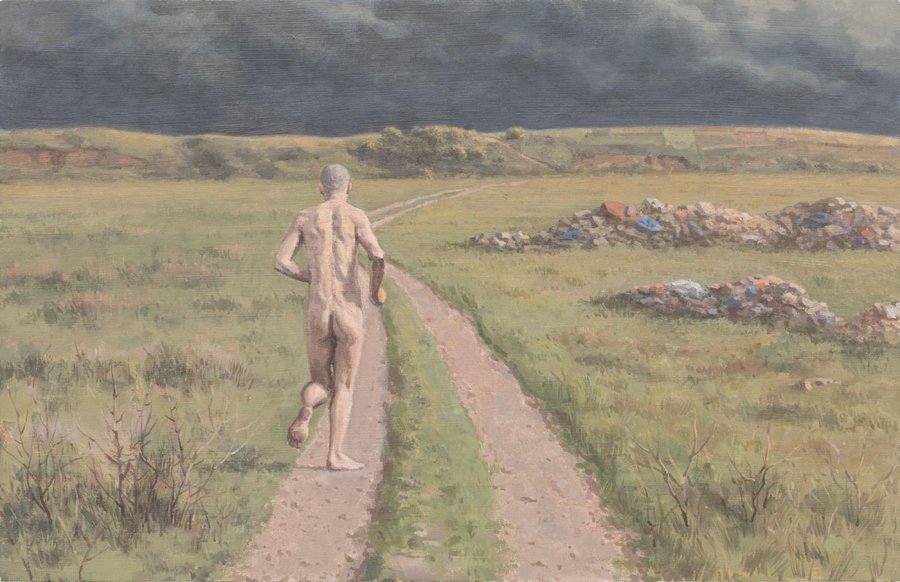
- Az acb Galéria rendezi meg az elismert középgenerációs román festő, Şerban Savu (1978) első magyar önálló kiállítását. A művész magyarországi bemutatkozásán életművének legújabb fejezetét tárja a közönség elé, amelyet azt követően hozott létre, hogy 2024-ben Romániát képviselte a Velencei Biennálén. Az új festmények továbbra is a tájkép műfajára épülnek, ám Savu korábbi, urbánus peremvidékeket ábrázoló poszt-szocialista vedutáival szemben az új képek már a vad, vagy elvadult természetre összpontosítanak és gyakran feltűnik rajtuk a remete rejtélyes alakja. Savu eszképista fantáziáinak főszereplője menekül a civilizáció elől és egy olyan vadonba érkezik meg, ami maga is a szétesés jeleit mutatja. A román művész festményei a kultúra, a természet és a történelem értelmezései között kalandoznak, miközben Savu minden eddiginél igyekszik közelebb kerülni a valóshoz, a valóságához.
Şerban Savu: emberek, istenek, állatok
Until 30 Oct 2026
ACB GALLERY
Gallery / art space
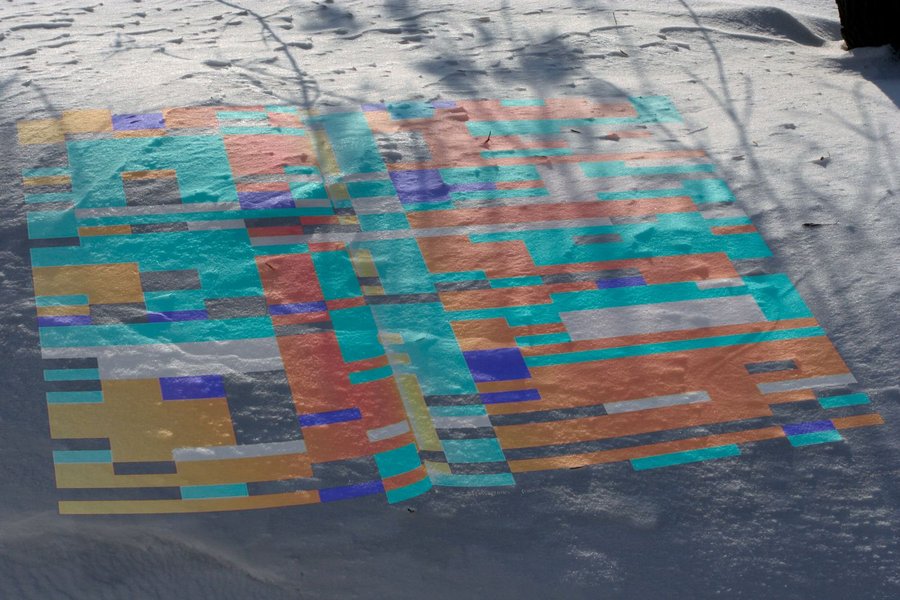
- A tudomány és a művészet közötti átjárás nem új keletű. A reneszánsztól a modernitáson át a kortárs művészetig számos alkotó fordult a természettudományos gondolkodás, a matematika és a technológia felé, nem egyszerűen témaként, hanem a képalkotás és a világértelmezés lehetséges modelljeként. Várnai Gyula munkássága is ebbe a hagyományba illeszkedik, miközben sajátos helyet foglal el benne, érdeklődésének középpontjában nem a tudományos tételek illusztrációja, hanem azok vizuális és perceptuális hatása áll. Várnai a matematikai és fizikai egyenleteket olyan képi struktúrákként kezeli, amelyek egyszerre hordozzák a tudományos gondolkodás rendjét és annak bizonytalanságait. A képlet a tudományban egyértelmű funkcióval bír azaz leír, számol, modellez, a művészet terében azonban megváltozik a státusza. A jelölés rendszere, a karakterek ritmusa, az egyenletek felépítése és a mögöttük feltételezett tudás önálló vizuális tapasztalattá válik. A modern fizika különösen alkalmas erre a nézőpontváltásra. A relativitáselmélet, a kvantumfizika és a kortárs kozmológia olyan világmodelleket hoztak létre, amelyek radikálisan átformálták a valóságról alkotott elképzeléseinket, miközben saját határaikat is kijelölték. A kozmológia standard modellje olyan entitásokkal számol, amelyek létezésére közvetett bizonyítékaink vannak, természetükről azonban keveset tudunk. A sötét anyag és a sötét energia elnevezései egyszerre jelölnek tudományos problémát és egy megismerési határt, valamit, amelynek hatását érzékeljük, miközben maga nem válik közvetlenül láthatóvá. Innen nézve a vizualizáció kérdése megkerülhetetlen. Mit jelent képet alkotni valamiről, amit nem látunk? Milyen kapcsolat van egy jelenség, annak tudományos modellje és a modell vizuális reprezentációja között? Várnai munkái ezt a láncolatot nem lezárják, hanem elbizonytalanítják. A képletek egyszerre tűnnek konkrét tudományos állításoknak és absztrakt képeknek. A kiállítás nem a tudomány és a művészet közötti határ eltörlésére törekszik. Éppen a két terület eltérő működését teszi láthatóvá. A tudomány a világot modellezi; a művészet ezekre a modellekre is képes rákérdezni. Várnai számára a képlet ezért egyszerre lehet tudományos eszköz és képzőművészeti anyag. Nem a számmisztika érdekli, hanem az a hatás, amelyet a számok, a képletek és a hozzájuk kapcsolódó rendszerek akkor is kiváltanak, amikor már nem tudományos állításként, hanem képként állnak előttünk.
Várnai Gyula: A számok illata
Until 30 Oct 2026
ACB GALLERY
Gallery / art space
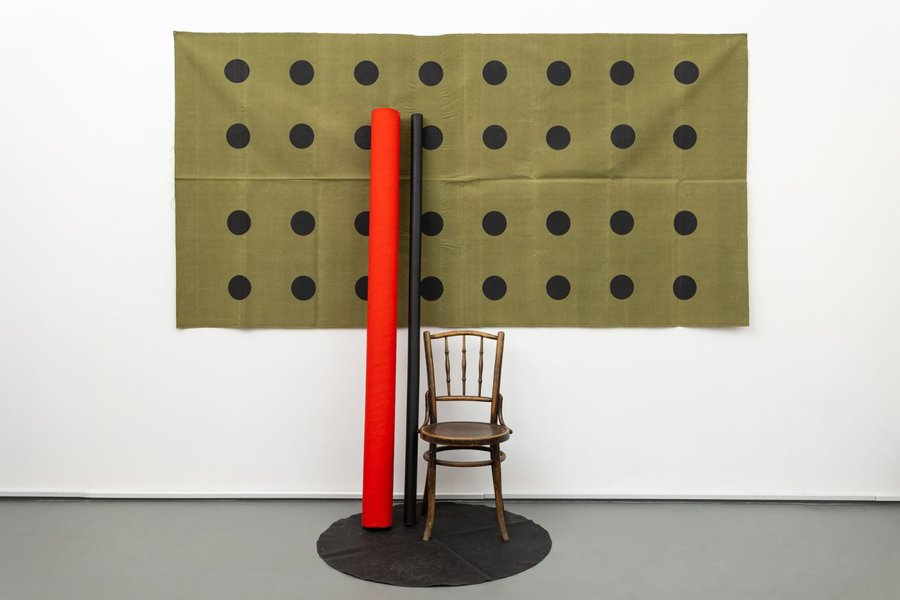
- Hopp-Halász Károly (1946–2016) 1980-as és 1990-es évekbeli munkásságát új szempontból bemutató kiállítássorozat harmadik, a művész halálának tizedik évfordulója előtt két hónappal nyíló része a Monolit struktúrák sorozatra, illetve az ehhez kapcsolódó alkotói időszakra koncentrál. Az ennek jegyében készült alkotásokat – táblaképek, papírképek, szabadvásznak – a művész a tőle megszokott módon modulokból szerkesztette: összefüggő monokróm felületekből állnak, amelyeket neo-geo műveiből ismert motívumkincs és jellegzetes posztgeometrikus formavilág – mindenekelőtt a pöttyös felületek – egészítenek ki. E kompozíciók gondolatiságát a rá jellemző, minden irányban folytatható, nyitott szerkesztési elv jegyében installációk formájában is továbbgondolta.
Hopp-Halász Károly: Monolit struktúrák
Until 30 Oct 2026
ACB GALLERY
Gallery / art space
Past Exhibitions
Recent past exhibitions
- In folk belief, the red boot appears as a means of taming a forest creature known as the ‘wild maiden’, which can be interpreted as a symbol of coercion into the patriarchal order. The work subverts and reclaims this symbol: the boot becomes the embodiment of Virginia Woolf’s ‘a room of one’s own’, taking on monumental proportions and providing a space for the experience of a wild, autonomous inner world. In this way, the process of taming is turned inwards; rather than subduing our inner wildness, it reinforces self-discovery, liberation and reclaiming.
Habitus
Ended 14 Oct 2026
PUCCS CONTEMPORARY ART
- The installation Father’s Three Hands will be unveiled on September 4, 2026, at the exhibition space PUCCS Contemporary in Budapest. The installation Father’s Three Hands revolves around themes of trust, power dynamics, and manipulation, as well as societal imbalances and darker sides. Additionally, the work explores impermanence in both material and organic contexts. The visual expression of the piece draws from human anatomy, with the artist's specific inspiration stemming from educational anatomical charts of hands. The artwork consists of three free-hanging surfaces sewn together from textiles and shaped like three hands. Measuring 250 cm each, the three pieces are suspended from the ceiling by metal chains. Father’s Three Hands is crafted from coarse and fine linen, silk, and tulle. The nearly transparent silk and tulle stand in sharp contrast to the rough linen. The textiles have been treated using a graphic technique where patinated copper creates a turquoise print on the fabric. Furthermore, the linen has been colored using metal water and imprint from chains, leaving the material with deep brown shades. The combination of the textile's texture and the metal's patina creates a visual effect that evokes the decay of the body, exposing flesh and bone through the process of decomposition. The title Father’s Three Hands refers to the Holy Trinity: the Father, the Son, and the Holy Spirit. In this installation, however, the hands take on a different meaning. They do not point toward harmony, but toward a world marked by unrest and inequality. Two of the hands form a pair, while the third stands apart, suggesting something uncontrollable and disruptive. The focus shifts from the divine to the primal and fragile aspects of human nature—the sides we cannot always control, such as violence, betrayal, hidden intentions, and paralysis. In her practice, Ditte Marie Frost takes her point of departure in the subconscious and the obscured aspects of our world, where everything is in constant flux. Frost works across the mediums of installation, sculpture, and painting, using materials such as oxidized copper, steel, brass, iron, oil paint, and textiles. In her works, Frost combines sculptural elements made from various metals and textiles. The textiles are bleached and patinated by oxidized metals through a specialized technique. Frost is drawn to the utilization of chemical processes, as they leave an expression in the works that balances between the uncontrollable and the predictable. The patination and corrosion processes used in Frost’s works reflect one of the overarching themes in her practice: impermanence and transformation. Frost’s motifs draw from insects, weapons, and human and animal bodies. By combining bodily figurations with oxidized metals, she creates a space that oscillates between destruction and creation. For her motifs, Frost finds inspiration in alchemy, religion, and film—particularly genres such as horror, sci-fi, and body horror. In her artistic practice, Frost is furthermore inspired by Julia Kristeva's and Carl Jung's ideas on consciousness.
Father's Three Hands
Ended 14 Oct 2026
PUCCS CONTEMPORARY ART
- Évfordulót ünnepel az INDA szeptember 10-én nyíló kiállítása. Éppen húsz éve, 2006 szeptemberében indult útjára a galéria. A mostani kiállítás témája ennek jegyében az emlékezés. A most velünk dolgozó művészektől és az általunk képviselt, sajnos már elhunytaktól válogattunk olyan munkákat, amelyek valamilyen formában az emlékek, emlékezet, emlékezés témájához köthetők. A tárlaton Kim CORBISIER, CZENE Márta, CSÁKY Marianne, CSONTÓ Lajos, CSORBA-SIMON István, Alexandra DEMENTIEVA, KARÁCSONYI László, KAZINCZY János Antal, KOVÁCH Gergő, George LEGRADY, LIKSAY Csenge Gyopár, LOVAS Ilona, MARTIN Henrik, METZING Eszter, NAGY Barbara, NEOGRÁDY-KISS Barnabás, RAVASZ András, SCHWÉGER Zsófia, SZABÓ Ádám, SZABÓ Eszter, SZÁSZ Lilla, SZEMZŐ Zsófia, SZENTELEKI Gábor, SZŐKE Gáspár, URAY-SZÉPFALVI Ágnes és ZELLEI Boglárka Éva művei lesznek láthatók. Szeretettel várunk mindenkit születésnapi csoportos kiállításunk megnyitójára, egy kis ünnepi hangulatú borozásra és zenei aláfestéssel fűszerezett laza, kötetlen beszélgetésekre a kiállító művészek társaságában!
INDA 20 – születésnapi csoportos kiállitás
Ended 9 Oct 2026
INDA GALLERY
- Attila Bagi, Imre Bukta, Róza El-Hassan, Péter Gallov, Timo Herbst, Gideon Horváth, Anna Hulačová, Áron Konrád, Péter Koppányi, Botond Keresztesi, Áron Lőrincz, Hortensia Mi Kafchin, Jonathan Monk, Ciprian Mureșan, Luca Pataki, Rade Petrasevic, Gábor Pintér, Judit Reigl, Maruša Sagadin, Kata Tranker, Dorottya Vékony, János Brückner, Julie Béna
On Paper
Ended 2 Oct 2026
LONGTERMHANDSTAND
Lebegő világ
Ended 1 Oct 2026
VÁRFOK GALLERY
- The scent and beauty of flowers make many of us enthusiastic, and we often express our feelings with flowers, both in everyday life and when celebrating or at a final farewell. But our relationship with plants is broader and more complex. In fact, in many ways, plants define our lives. They can provide food, medicine, fuel, materials for making things, or even substances used in rituals and spiritual practices. Being around them can bring comfort and even help our mental healing. It's hard to imagine existing without them. But in this relationship, humans are still mostly the dominant side. To get our food or fulfill our desires, we make plans and then carry them out: creating gardens, doing agricultural activities, planting forests or cutting down trees, and even working with aquatic plants. Humans have been tending to, protecting, and propagating plants since time immemorial, collecting and sowing seeds, pollinating them or feeding them from pests, whether their goals are practical or ritual. According to anthropologist Debbora Battaglia, we create "entire worlds that turn around plants, sites in which people and their attendant techniques, technologies, and magic get caught in the spiralling whorl of plant beings and doings." The garden is one of these places, the garden that, by becoming a cultural form, also points to social positions, and even hints at our ideas and ideals about the whole world. But gardens can also serve scientific purposes. Botanical gardens make it possible to learn about species by using methods of classification and providing lab conditions and they can help to get information not just on how to use exotic or newly discovered plants, but they can also play a role in their survival. Vertical gardens not only protect from the heat, but also provide space and food for insects. No matter where plants live, they involve entire ecologies of other living beings in their life rhythms, including birds, fungi, and micro
Subsistence IV
Ended 30 Sept 2026
KNOLL GALLERY | BUDAPEST
- The scent and beauty of flowers make many of us enthusiastic, and we often express our feelings with flowers, both in everyday life and when celebrating or at a final farewell. But our relationship with plants is broader and more complex. In fact, in many ways, plants define our lives. They can provide food, medicine, fuel, materials for making things, or even substances used in rituals and spiritual practices. Being around them can bring comfort and even help our mental healing. It's hard to imagine existing without them.
The scent and beauty of flowers
Ended 30 Sept 2026
KNOLL GALLERY | BUDAPEST
Vidék-Város Viszonyok
Ended 27 Sept 2026
TRAFÓ GALLERY
Sonia Navarro: Woven Memory
Ended 11 Sept 2026
ANI MOLNÁR GALLERY