Modern & Contemporary Art Exhibitions in Prague
Discover contemporary and modern art exhibitions in Prague. Our exhibition guide helps you explore museums, galleries, and artist-run spaces showcasing modern and contemporary art. Whether you're an art enthusiast or a curious visitor, stay informed about what's happening in the art scene in Prague.
Browse by venue
On now in Prague
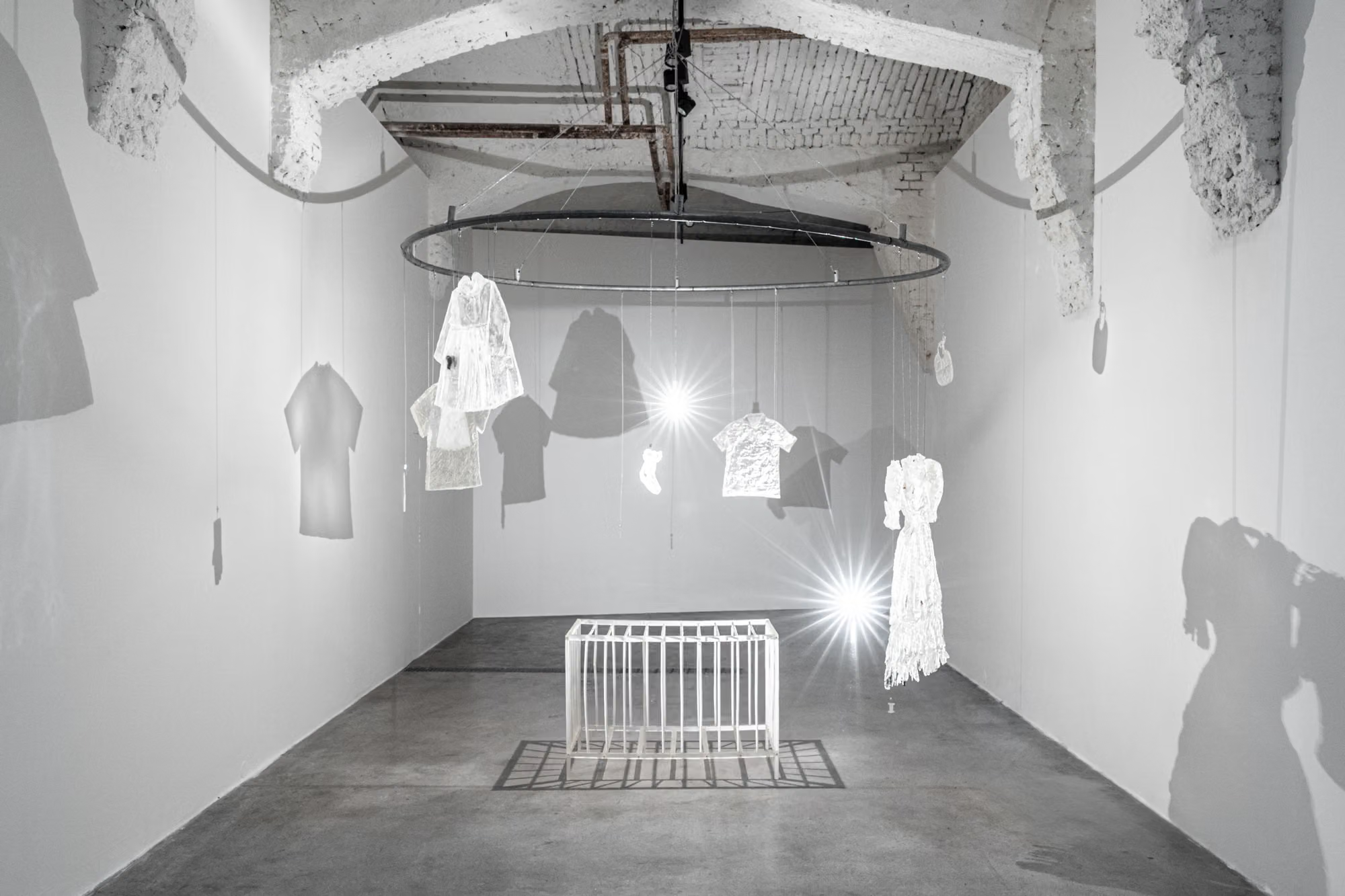
- The exhibition is the joint result of artists who build their work on mutuality, listening, and creative collaboration. Their collective work draws from personal memories and explores how our identity, environment, and relationship to the past transform over time. Translucent casts of everyday objects, clothing, and items serve as reminders of memories that fade while remaining present. The artists bend, layer, and interconnect these objects, altering their form and meaning. That which we know from the past thus reappears before us—slightly different, with distance, and with a new significance.
You can’t return, you are here
Until 18 Oct 2026
KARPUCHINA GALLERY
Gallery / art space
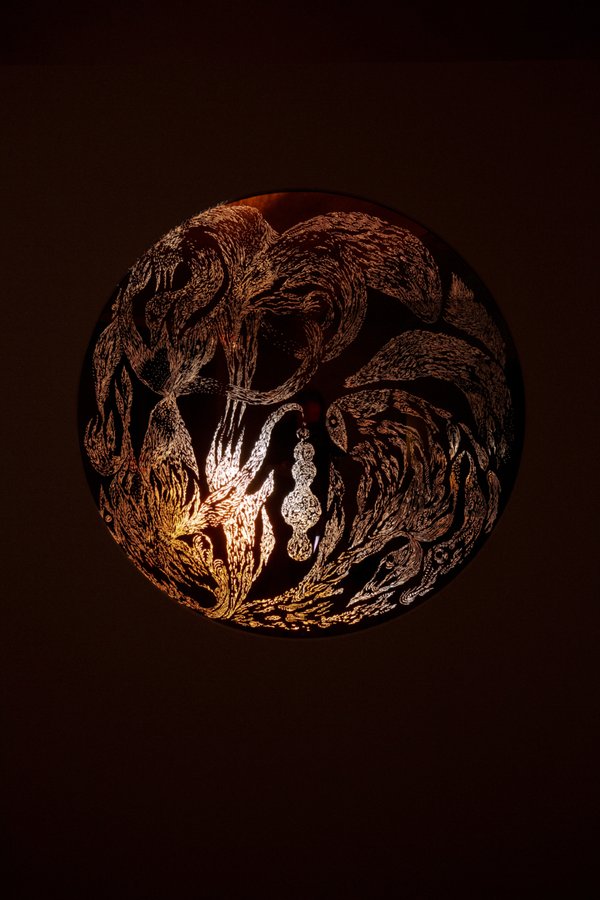
- The Labyrinth project explores precisely these issues. It confronts visitors with their attitudes, transforming them into critically thinking observers. The exhibition addresses key social issues. Among the central themes are fear of the unknown and uncertainty, generalisation and dehumanisation, responsibility of the individual in modern society and the power of words and their impact on human dignity. The path out of the labyrinth does not lie in simple answers, but in the willingness to listen, to question one’s own certainties and to take responsibility for how we understand the world and other people. The exhibition features works by several prominent figures on the contemporary Czech art scene: Vojtěch Hrubant’s relief Evolution explores the human journey through the labyrinth of one’s own decisions and the question of conformity. Veronika Homolová created the illustration Map of Fear for the exhibition, which confronts visitors with their fears and phobias. The Spring is an installation by Tereza Bartůňková who works with darkness, mirrors and the viewer’s encounter with themselves. Dominik Styk’s works Growth Protocol and Naked Roots reflect on the influence of the environment on human development and the threats of dehumanisation. In her Machine for Restoring Empathy, Eva Koťátková created a space of care, inclusion and mutual support. Eva Palčič’s object Recollection of a Procession addresses issues of communication, tradition and interpersonal connections in a secularised society. Matouš Lipus is the creator of the sculpture Atlas which symbolises the burden of responsibility and the weight of human decisions. Klára Samcová will present textile works addressing menstruation, gender roles and societal expectations associated with the female experience. The exhibition concludes with a video by Hedvika Hlaváčková, who reflects on the absurdity of stubbornly clinging to gender stereotypes and, through various perspectives, challenges the rigid categories of masculinity and femininity.
Labyrinth: Wandering Within
Until 29 Oct 2026
PRAGUE CITY GALLERY | GHMP BÍLKOVA VILA
Gallery / art space
- Gallery as a Living Room Vernisáž: 22.9. 18:00 22. 9. - 30. 10. 2026 Michael Biberstein, Václav Boštík, Pavel Büchler, Jakub Čuška, Emil Filla, Matyáš Chochola, Krištof Kintera, Kateřina Komm, Martin Matoušek, Annette Messager, Jaromír Novotný, Ioana Nemeş, David Shrigley, Dominik Styk, Andy Warhol, Clare Woods Scott Burton, Paolo Deganello, Charles & Ray Eames, Jindřich Halabala, Jasper Morisson, Napako, Philippe Starck, Bořek Šípek, Eva & Andor Weininger We would like to invite you to the opening of a new format of the gallery on Tuesday, September 22, at 6 p.m.: after thirty years of various activities, the white cube is becoming a living room and vice versa. Instead of solo exhibitions, the newly reconfigured space will now feature a mix of works by artists with whom the gallery currently collaborates, as well as those whose work has been associated with it in the past, along with selected pieces from the secondary market. New paintings by Jakub Čuška and Martin Matoušek will be complemented with (post)modernist, functionalist, and Art Deco furniture: armchairs by Jindřich Halabala, a Bauhaus table (Eva & Andor Weininger), a sofa designed by Philippe Starck or Paolo Deganello, an original iconic “lounge chair” by Charles & Ray Eames, a Napako lamp, a writing desk designed by Scott Burton, and also chairs by Jasper Morrison and a vase by Bořek Šípek.
Exhibition A
Until 30 Oct 2026

JIRI SVESTKA GALLERY
Gallery / art space
- Výstava zkoumá gravitaci nejen jako fyzikální sílu, ale také jako princip utvářející naše vztahy, orientaci a způsoby vnímání světa. Co nás přitahuje, co nás drží při zemi a co nám umožňuje se od daných struktur odpoutat? Výstava otevírá prostor pro reflexi tělesných, afektivních i společenských forem tíže a představivosti levitace jako možnosti proměny zavedených perspektiv. Je výstupem programu As We Grow, propojujícího
Burden of Gravity – From Waking to Space
Until 31 Oct 2026
SVĚTOVA 1
Gallery / art space
A Whole Different Animal
Until 14 Nov 2026

HUNT KASTNER
Gallery / art space
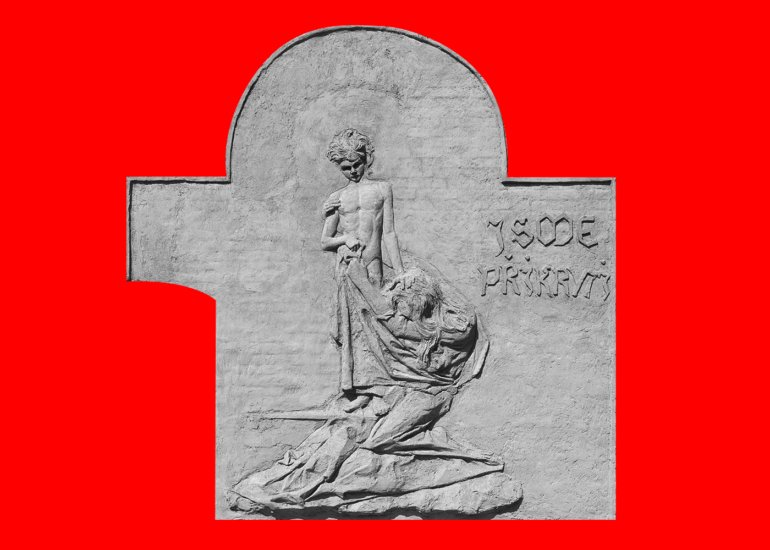
- The exhibition at the František Bílek’s House in Chýnov presents mainly the artist’s works with Hussite themes and reliefs from the second half of his creative period. Other exhibits commemorate the sculptor’s friendship with important Czech poets Julius Zeyer and Otokar Březina and his cooperation with Chýnov potters. Furniture designed by Bílek completes the atmosphere of the residential interiors.
František Bílek in Chýnov long-term exhibition
Until 1 Nov 2026
PRAGUE CITY GALLERY | GHMP BÍLKOVA VILA
Gallery / art space
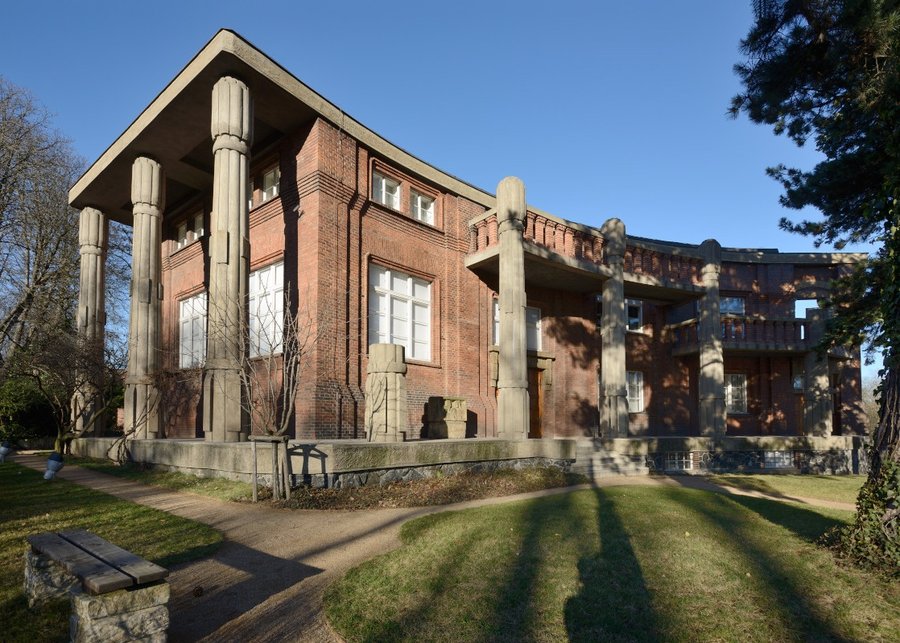
- According to Bílek (1872–1941), his Prague villa was supposed to express “life as a field full of ripe ears, providing everyday nourishment for the brothers. Many ears tied into sheaves – columns. Some of the columns unfinished, as they do not bear anything”. The segmented layout of the building can be perceived as the imprint of a scythe harvesting grain. Also striking is the shape of the columns, reminiscent of the architecture of ancient Egypt. The naked bricks and unpolished stones draw the edifice closer to nature and to man’s labor. Dominating the irregular interiors is the artist’s studio, with its high ceilings, forming the house’s natural working and spiritual center. Since 1963, the Villa Bílek located in the Hradčany district is managed by the Prague City Gallery. In addition to its original furniture, the newly opened permanent exhibition situated in the villa presents a selection of Bílek’s works from his most important creative period. In June 2022, on the 150 th anniversary of František Bílek’s birth, the Villa Bílek reopened to the public. The aim of the new permanent exhibition was to remove disruptive and non-original elements and to offer a more sensitive approach to the interiors. These now appear more homely, and the artist’s works are installed there with more consideration to their spiritual essence. Compared to the sculptor’s house in Chýnov, where mostly later works and works with Hussite themes can be seen, the exhibition in the Prague villa presents mainly early works charged with intense mysticism. Exalted monumental sculptures and figurative compositions characterized by organic forms, pronounced verticalizing silhouettes and pathetic gestures are exhibited in what used to be the artist’s spacious studio. It is dominated by the darkly stained sculptures Astonishment (1907), Moses (1904) and by the colossal design for Prague’s Jan Hus monument (1901). Most impressive are Bílek’s works made of wood – a material that suited his nature the most. Also remarkable are the artist’s graphic and ceramic creations complementing the sculptures placed in the villa’s dining room, Bílek’s study and other rooms, featuring some of the artist’s early works, monument designs and portraits, organized thematically. The largest room on the house’s first floor is dedicated to the striking model of Bílek’s Žižka Monument (1912–1925).
Long-term exhibition in Villa Bílek
Until 31 Dec 2026
PRAGUE CITY GALLERY | GHMP BÍLKOVA VILA
Gallery / art space
- František Bílek built his studio villa in the Prague Hradčany District between 1910 and 1911 according to his own plans and design. Bílek was mainly a sculptor and graphic artist, but his religious approach to art gradually steered him towards the need to create complex environments in which his works would find multi-layered function and roles, thus fulfilling Bílek’s vision of spiritualizing human life. His architecture was mainly idea-motivated. According to Bílek (1872–1941), his Prague villa was supposed to express “life as a field full of ripe ears, providing everyday nourishment for the brothers. Many ears tied into sheaves – columns. Some of the columns unfinished, as they do not bear anything”. The segmented layout of the building can be perceived as the imprint of a scythe harvesting grain. Also striking is the shape of the columns, reminiscent of the architecture of ancient Egypt. The naked bricks and unpolished stones draw the edifice closer to nature and to man’s labor. Dominating the irregular interiors is the artist’s studio, with its high ceilings, forming the house’s natural working and spiritual center. Since 1963, the Villa Bílek located in the Hradčany district is managed by the Prague City Gallery. In addition to its original furniture, the newly opened permanent exhibition situated in the villa presents a selection of Bílek’s works from his most important creative period. Exalted monumental sculptures and figurative compositions characterized by organic forms, pronounced verticalizing silhouettes and pathetic gestures are exhibited in what used to be the artist’s spacious studio. It is dominated by the darkly stained sculptures Astonishment (1907), Moses (1904) and by the colossal design for Prague’s Jan Hus monument (1901). Most impressive are Bílek’s works made of wood – a material that suited his nature the most. Also remarkable are the artist’s graphic and ceramic creations complementing the sculptures placed in the villa’s dining room, Bílek’s study and other rooms, featuring some of the artist’s early works, monument designs and portraits, organized thematically. The largest room on the house’s first floor is dedicated to the striking model of Bílek’s Žižka Monument (1912–1925).
Villa Bílek Long-term exhibition
Until 31 Dec 2026
PRAGUE CITY GALLERY | GHMP BÍLKOVA VILA
Gallery / art space
Coming soon in Prague
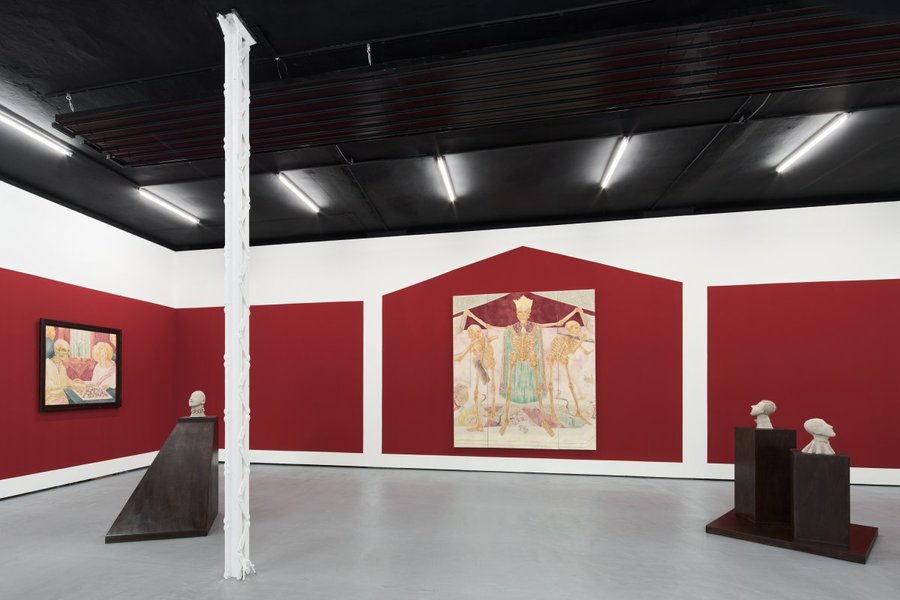
- A macabre exhibition by Øleg&Kaśka exploring the dynamics of human life through their paintings, autor-adjusted sketches, and papier-mâché busts. The exhibition is held in a warmly lit, deep red hall, reminiscent of an old banquet room.
Øleg&Kaśka The Food of Life
20 Nov 2026 – 31 Jan 2027
POLANSKY GALLERY
Gallery / art space
Past Exhibitions
Recent past exhibitions
- The Headless Horseman was founded in 1996 and joined the ranks of newly formed groups such as Pondělí, Koza Nostra, Jednotka, Luxsus and Podebal. Its members were united by a deep interest in neo-avant-garde art, classical literature, science fiction and DIY, which at the time stood in contrast to the one-dimensional language of advertising and mainstream pop culture. The name referred to their shared scepticism towards leadership and programmatic unity. In their day-to-day decision-making, a single "leader" was replaced by negotiation and artistic intuition. The exhibition offers visitors the opportunity to step into an environment that evokes the atmosphere of the last great pre-internet generation. It is permeated by themes of fascination with television as a window onto the West, psychedelia, comic strips, experiments with altered states of consciousness and the everyday life of post-revolutionary Czech households. With a few exceptions, The Headless Horseman did not directly reflect in their work the contradictions that the 1990s still evoke today; rather, they explored them through the very forms of perception and transformations of the structure of everyday life. The catalogue is published by GHMP in collaboration with AVU. Drawing on archival materials, photographs, interviews and other documentation, the book covers the group’s activities from 1996 to 2004 and offers one of the most comprehensive overviews of this chapter in Czech contemporary art.
Headless Rider
Ended 11 Oct 2026
PRAGUE CITY GALLERY | GHMP BÍLKOVA VILA
- ADAM HOLÝ AFTERGLOW Adamova síla spočívá v odzbrojující dualitě intimní smyslnosti a výrazové expresivity. Ať už se jedná o studiové fotografie, nebo snapshoty pohotově střelené za jízdy z auta, pokaždé Adam vybral snímek, který provokuje nebo pobuřuje syrovostí a zároveň chlácholí intimně příjemným pocitem déjà vu – tohle už jsem přeci někde zažil. Bezprostřednost a smyslovost jsou schopnosti a způsoby jednání, které ve skrytu duše obdivujeme, ale navenek je krotíme téměř jako prohřešky. Zažil jsem tuhle situaci s Adamem, když jsem mu pomáhal organizovat focení portrétů dětí s Downovým syndromem. Jeden kluk tam s tou nejupřímnější radostí, něhou a vášnivostí necudně pročesával dlouhé vlasy své sestře – „tohle my neumíme, to je paráda, to je ono!“ reagoval Adam a fotografoval. Ten den měl ohromnou radost za toho kluka. Výstava deset let od Adamovy smrti nese název Afterglow, dozvuky záře. Název navazuje na linii předchozích Adamových pojmenování projektů s referencemi k fyzikálním, meteorologickým a kosmickým jevům jako publikace The Overview Effect (2014) nebo například výstavy Outer Core (2013) a String Theory (2009). Afterglow jako dramatická rudá večerní záře po erupci vzdálené sopky inspirovala například Edvarda Muncha v obraze Výkřik, pro výstavu jsme ji vybrali také díky poslední kapitole Adamovy tvorby, specificky zářícím krajinám. Ty jsou představeny ve spodní části galerie ve formě autorského videopásma připraveného pro tuto výstavu umělcem Romanem Štětinou. Panoramata krajin s výrazným nepravidelným rámováním odkazujícím k technice montáže představují posun v Adamově tvorbě. Jako by vyběhl z ateliéru, maskéren a podií módních přehlídek plných masek a kulis a venku skládal rozpadlý svět… ne, ne, je to jinak… ten svět drží pohromadě, ale naše percepce, interpretace a rámování světa je rozpadlé, rozpixelované a zčásti zakryté torzy aparátů, které jsme najali do svých služeb, aby nám svět přiblížily a zjednodušily. Montáže krajin pozorovaných průzorem střílny zhrouceného bunkru jako symbolu úkrytu před vlastním strachem nejsou formální hra, ale extrémně rafinovaná psychosociální reflexe života současné společnosti. Autoři výstavy přistupují k Adamově dílu s obdivem a úžasem, bez záměru ho třídit do úhledných škatulek. Akcentují spíše strmé cesty vzhůru – Adam chtěl vždy na vrchol, ať už byl ten který cíl neprozkoumaný a zrádný, a tím se odlišoval od mnoha konformnějších fotografů stejného žánru, a někdy šel až na hranu propasti – emociálně se vydal víc, než racionálně uhlídal. Někdy je neprávem stereotypně nahlížený jako reprezentant maskulinního predátorského světa – fotografoval přece nahotinky. Je ale zřejmé, že právě ve své spontaneitě zobrazoval Adam ženy jako objekt přirozené touhy, obdivu a respektu, jako silné a mnohdy silnější bytosti, než byl v dané situaci on sám. Na titulní fotografii výstavy, portrétu umělkyně Renaty, vidíme silnou autorskou stylizaci, autorka se líčila sama. Fotografie v podání Adama přes všechny atributy pódiového nasvícení a cudnosti je evidentně mnohem více věcným hledáním identity a společenské role umělkyně ve světě zahlceném obrazy, barvami a září reflektorů než estetickým žánrovým snímkem. Adam Holý (1974–2016) byl uznávaný český fotograf pohybující se mezi módní, reklamní, portrétní a autorskou tvorbou, známý pro snímky spojující intimní smyslnost s výrazovou expresivitou a syrovostí. Spolupracoval s nejvýznamnějšími módními časopisy, je autorem fotografií pro filmové plakáty, například Želary, Pelíšky a další. Ve své práci propojoval studiové portréty se bezprostředními snapshoty a v posledních letech tvorby se posouval směrem ke krajině a společenské reflexi. Zemřel před deseti lety; jeho archiv spravuje bratr David Holý. Afterglow pořádá Polansky Gallery ve spolupráci s Fotograf Contemporary. Videopásmo z fotomontáží krajin připravil pro výstavu umělec Roman Štětina, snímky pocházejí z archivu Davida Holého. Kurátorem výstavy je David Korecký, ředitel Nadace pro současné umění Praha.
Adam Holý – Afterglow at Fotograf Zone
Ended 24 Sept 2026
POLANSKY GALLERY
- In the space of the contemporary city, fragments of emotions, symbols, and everyday rituals intertwine into a layered landscape of anxiety and a quiet longing for authenticity. Natálie Pejchová’s series of paintings, Stay in Touch, grows out of the fear of being accepted by a society that feels increasingly distant, as well as the dread of expressing one's own opinion, the loss of individuality, or the latently present totalitarianism hidden within the mechanisms of everyday life. Reality in her paintings gradually transforms into an artificial space for the individual navigating between the need for connection and a sense of isolation, between spontaneity and learned behavioral patterns. The entire series is permeated by a post-apocalyptic confusion of emotions, situations, and sensory overload, as well as numbness, dualism, and materialism. This is not meant as a critique of these phenomena, but rather as a reminder of the Platonic worlds in which we move today. False idols and their radicalization appear here, alongside the need for purification and faith understood as an emotional human need for someone seeking connection, meaning, and the possibility of sharing something that remains difficult to name. The artist’s approach is based on intuition, sensuality, and trust in the creative process itself, which is as important to her as the final work. Painting here is not just an image, but a physical trace of the process and an intuitive record of internal states. Natálie Pejchová works with the layering of signs, structures, and recurring motifs that create an ornamental rhythm reminiscent of the fragmented visual language of the present. She combines oil, wax, textile fragments, embroidery, and her own decorative elements, which she inserts into the canvas as a natural part of the narrative. Organic textiles clash with artificial materials, matte surfaces with glossy ones, and expressive gestures with decorativeness. The paintings thus oscillate between magic and mechanism, intimacy, the need for spiritual reflection, and visual chaos. Thematically, her work moves between questions of faith, consumerism, collective identity, and spiritual emptiness. She is fascinated by everyday rituals, repetition, and the small mechanisms that shape the subconscious behavior of individuals. She explores how spiritual desire and cultural symbols are transformed in the environment of the contemporary city, how and where contemporary materialism turns into a new spirituality and human emotions into a commodity. At the same time, the paintings are permeated by irony, absurdity, and a fascination with conspiracy aesthetics that resonate with the paranoia of the present. Stay in Touch captures a society moving between euphoria, panic, fascination, and numbness, between the need for contact and an ever-stronger sense of alienation. In the tension between the material and spiritual worlds, a space is created for uncertainty, intuition, and the search for meaning in a reality constantly shaped by images, media, and social projections.
Stay in Touch by Natálie Pejchová
Ended 9 Aug 2026
KARPUCHINA GALLERY