Modern & Contemporary Art Exhibitions in Rotterdam
Discover contemporary and modern art exhibitions in Rotterdam. Our exhibition guide helps you explore museums, galleries, and artist-run spaces showcasing modern and contemporary art. Whether you're an art enthusiast or a curious visitor, stay informed about what's happening in the art scene in Rotterdam.
Browse by venue
On now in Rotterdam
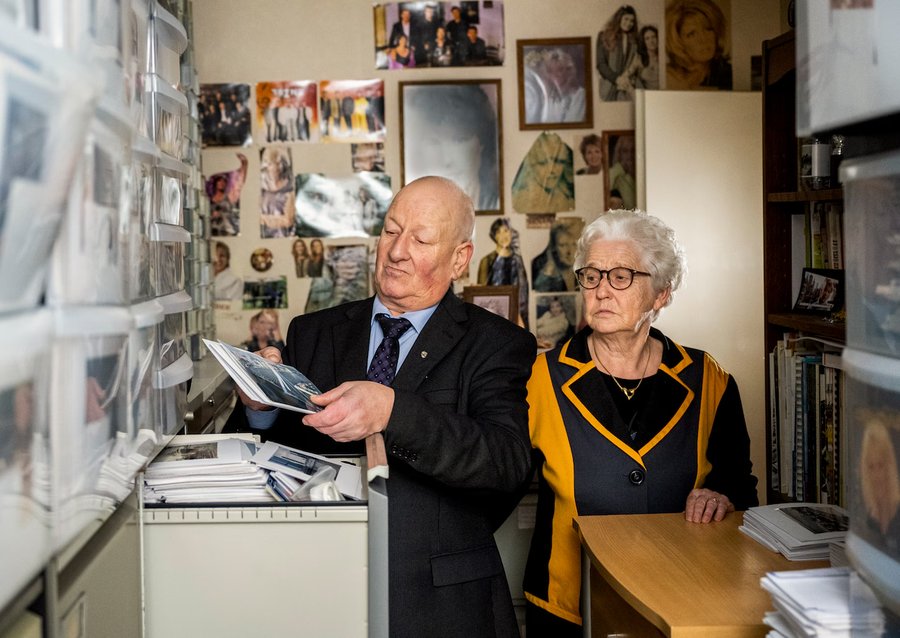
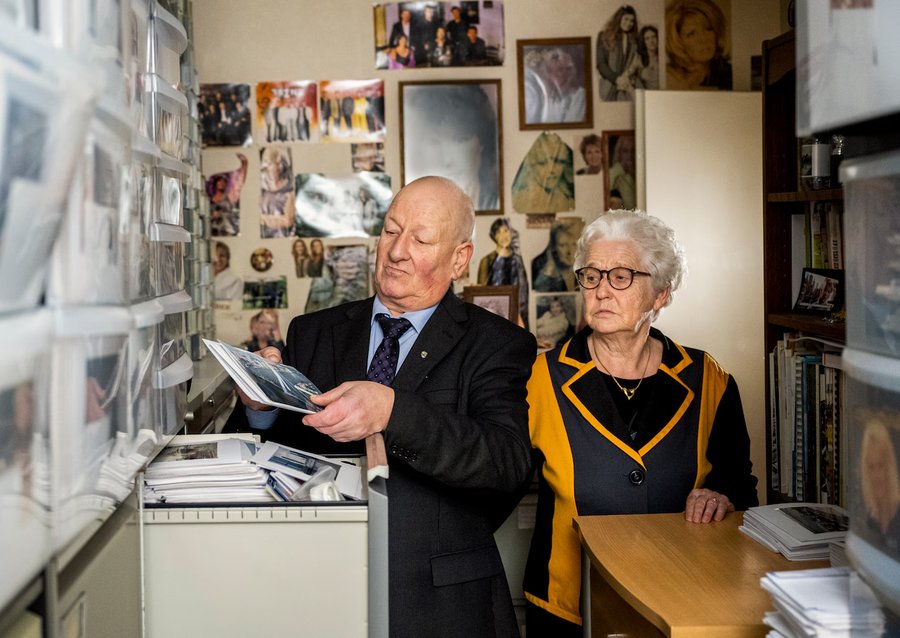
- Guest writer: Yazan Khalili To celebrate Open Monument Day 2026 we are very excited to announce Spangen in Earlier Times, an exhibition by Tinus and Bep de Does. A pair of photographers and a pair in life, their work could be thought of in the important tradition of amateurism or as a hobbyist pursuit, dedicated to a chosen topic or activity not in search of professional prowess but instead driven by a self-directed care and curiosity. When Tinus first started photographing in 1964, it was to document his neighbourhood and the destruction of his childhood home, a process of transferring sentiment to print and an attempt to hold onto personal histories in the face of commercial redevelopment projects. Nearly twenty years later in 1983, Bep met Tinus, ‘the guy with the camera’, on the street as he was taking photos, striking up a conversation that eventually led to their romance. Once together and after Tinus gifted her a camera, Bep joined him on his photographic journeys, inheriting the passion herself as the two traversed the city in search of a scene. Their sixty years of documenting Rotterdam on a daily basis—from major redevelopments like the one the Justus van Effencomplex went through, to countless demolitions and shots of neglected streets—has produced an incredibly extensive and forensic archive of an ever-changing city, one forever at the mercy of gentrification and big capital. Totalling over 700,000 images, their physical archive is stored in bulging filing cabinets in their home office, with no digital counterpart in sight. Over the years, they have drawn on their collection to publish now sold-out and sought-after books on each suburb of Rotterdam and produced many exhibitions of their work. Shot on simple digital point-and-shoot cameras and reproduced with meagre means—endless trips to local drug stores to print out copies for filing and handwritten captions pinned to noticeboards for carrying context—their exhibitions become an illustration of community spirit and a commitment to that which has not always been noticed, primarily recording what might no longer be there the next day alongside creating a kind of family album of a whole city, fingerprints on the lens and all. This is further accentuated by the fact that their archive is supplemented by the donations of others, as Tinus and Bep often ask people to share their personal photos, always travelling together to pick them up in person. For this occasion, they will present their materials on our neighbourhood of Spangen, an area they have frequented many times over, eager to celebrate it in the face of a reputation and history that has left the neighbourhood stigmatised and chronically overlooked by social policy. This exhibition is also a first step towards thinking about the formation of a functioning archive for A Tale of A Tub, one which embraces the informal and interpersonal ethos that underpins Tinus and Bep’s collection. Throughout the exhibition, members of the public can bring images of the Justus van Effencomplex from their personal collections to duplicate on a photocopier, materials that will eventually comprise part of the archive—one which will be as much a record of the institution as it is of the building that started it all. This is also in the spirit of a number of recent projects that have themselves archived the complex through art-making, such as Brianna Leatherbury’s engagement with the contested history of heating through the 104 years of the building’s life; or Katrina Palmer’s fictional interrogation of its heritage, her literary approach, oftentimes born from anecdote, paving the way for alternative ways of doing historical work. Accompanying the exhibition is a bulletin text by Yazan Khalili, which centres the photocopier as an institutional tool to explore the possibilities of inverted resources and communal infrastructures. Spangen in Earlier Times is curated by Lisanne Janssen and Isabelle Sully.
Spangen in Earlier Times
Until 25 Oct 2026
A Tale of a Tub
Gallery / art space
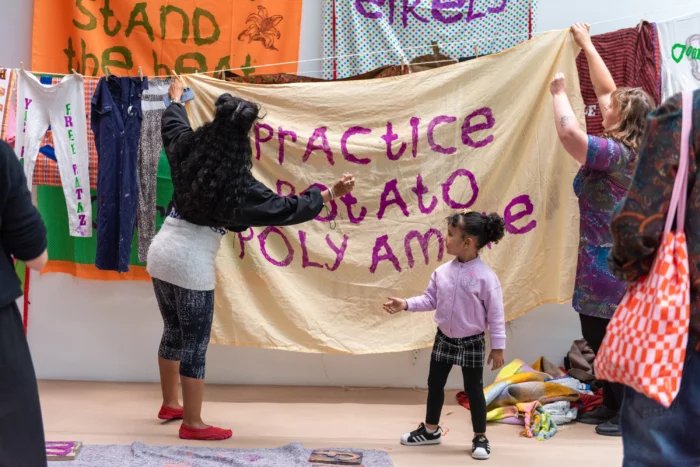
- Maakplek voor piepers, prutsers en (aan)poters Brooderhood, de weggeefwinkel Delen is Helen, Kate Price, Kunstlab+buren, mul-thee-fuhngk-shuh-nl, Placeholder, Pottentuin aan de Cool, ROTS, Sunflower Soup, Wildcard Community 18 juli - 25 oktober 2026 - 12:00 uur Coolhaven 32 Ben je uitgekookt, zit je in de puree, voel je je een klein krieltje tussen de jacked potatoes of lig je al maanden achter in de kast wortel te schieten? Kom op temperatuur bij Peel the Power en ontkiem je kracht. Samen verzinnen we leuzen, bedrukken we spandoeken en bouwen we hernieuwbare hutten, gezellige cocons of prachtige puntzakken. Zo werken we aan een Politieke Partij voor Patatten en andersoortigen. Politiek lijkt vaak ver weg, gestuurd door slimme praatjesmakers met een grote mond, waar gewone piepers niet tegenop kunnen. Toch is iedereen in staat om ruimte in te nemen, te organiseren en ergens voor te staan: praktische politiek, die ontstaat vanuit het maken. De aardappel, geen fruit en ook geen groente, staat voor een politiek van onderop. Samen staan we op tegen de starre stampers, de saaie sorteerders en de schofterige schillers die het leven waar we van houden kapot maken. Kom schillen en chillen, maak ondergrondse verbindingen en ontdek hoeveel kracht er onder de oppervlakte zit. Veertien weken lang, van donderdag tot en met zondag, is er altijd iemand aan het werk en is er altijd plek om aan te haken. Er zijn bijdragen van onder andere Brooderhood, de weggeefwinkel Delen is Helen, Kate Price, Kunstlab+buren, mul-thee-fuhngk-shuh-nl, Placeholder, Pottentuin aan de Cool, ROTS, Sunflower Soup, Wildcard Community
Peel the Power
Until 25 Oct 2026
TENT Rotterdam
Gallery / art space
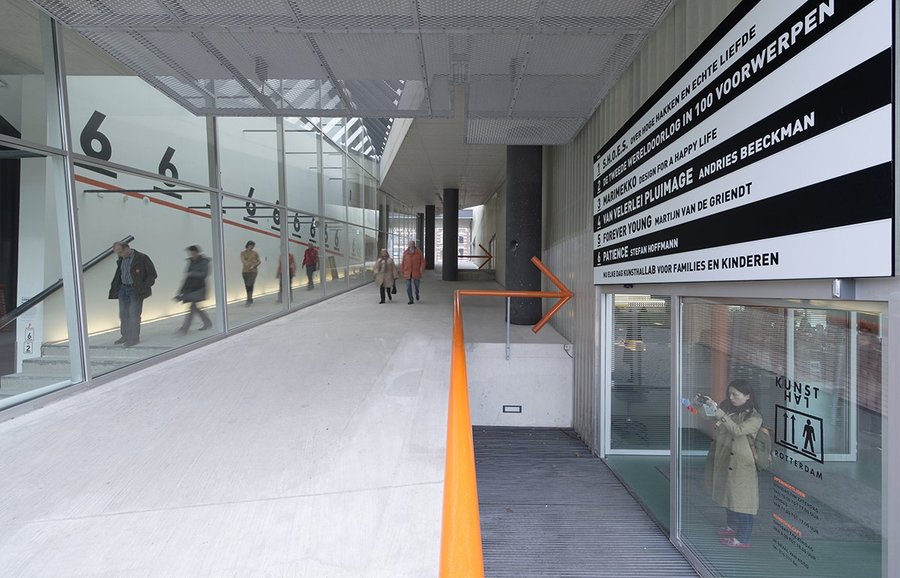
- Continuum consists of a series of marble volumes that are placed on the ramp and connect the interior space to the exterior space, only separated by the glass of the display window. In doing so, Marcelis transforms this 25-metre-long corridor in the Kunsthal building into a space where people can assemble. The Green Manna Marble with its vivid veining gives the installation a lively and layered character. With this work, Marcelis forges a connection between the Kunsthal’s characteristic architecture and the spectator by creating a space for interaction. Kunsthal Inside/Out The programme component Kunsthal Inside/Out presents artistic interventions in the Kunsthal architecture, specifically focusing on the ramp traversing the building. These interventions emphasise the iconic character of the architecture designed by Rem Koolhaas / OMA, with the Kunsthal serving as a gateway to the Museumpark. Kunsthal Inside/Out invites designers to create a site-specific work that can be experienced both inside and outside of the building. Makers are given the opportunity to express and challenge their creativity in an extraordinary way in this unique part of the Kunsthal. The area consists of the 36.5-metre-long HALL 6 — a.k.a. the Kunsthal’s ‘display window’ —, as well as the ramp alongside it, which is a public road running from Westzeedijk to Museumpark. Both Kunsthal visitors and passers-by are thus able to experience these art installations during opening hours. Together, the exterior and interior space make up an exhibition space measuring no less than 440 square metres: 60 square metres on the inside and 380 square metres on the outside. The materials of the building itself – concrete, steel, corrugated iron, and large windows – enhance the interaction between the art installation and the architecture. For the first edition of Kunsthal Inside/Out, the audiovisual artist and composer Boris Acket created the new site-specific work Spaces Between Lines (21 December 2024 up to and including 8 June 2025).
Inside/Out: Sabine Marcelis | Continuum
Until 1 Nov 2026
Kunsthal Rotterdam
Museum / institution
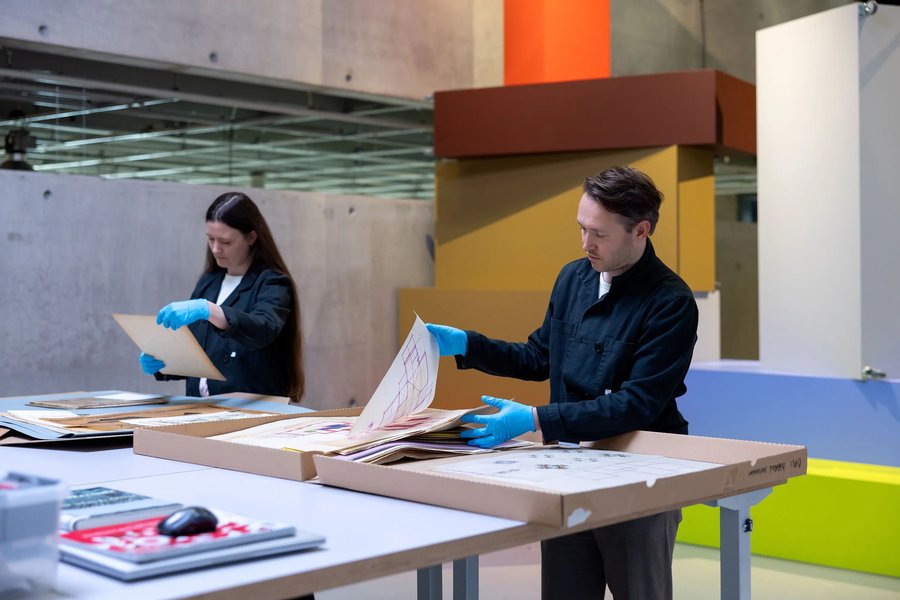
- De tentoonstelling Nieuw binnen #2 presenteert dertien aanwinsten die de afgelopen paar jaar zijn opgenomen in de Rijkscollectie voor Nederlandse Architectuur en Stedenbouw. Zo zijn er stukken te zien uit de archieven van Stichting Architectuur Lokaal, architect Frans Ghijsels, kunsthistoricus Wies van Moorsel, en architecten Aldo en Hannie van Eyck en Herman Hertzberger. Voor Nieuw binnen #2 is een keuze gemaakt uit aanwinsten sinds 2023. In de tentoonstelling zie je de archiefstukken in de 'ruwe' staat waarin ze het instituut zijn binnengekomen: correspondentie in een schoenendoos, tekeningen in hun oorspronkelijke presentatiemappen en digitale bestanden op een harde schijf. Na afloop van de tentoonstelling worden de archieven geïnventariseerd, waar nodig geconserveerd en opnieuw verpakt volgens museale richtlijnen. Daarna zijn ze beschikbaar voor publiek: voor onderzoek, presentaties en bruikleenverkeer.
Nieuw binnen #2
Until 8 Nov 2026
Nieuwe Instituut
Museum / institution
Sejoon Kim & Hyunjee Jung
Until 15 Nov 2026
GALERIE VIVID
Gallery / art space
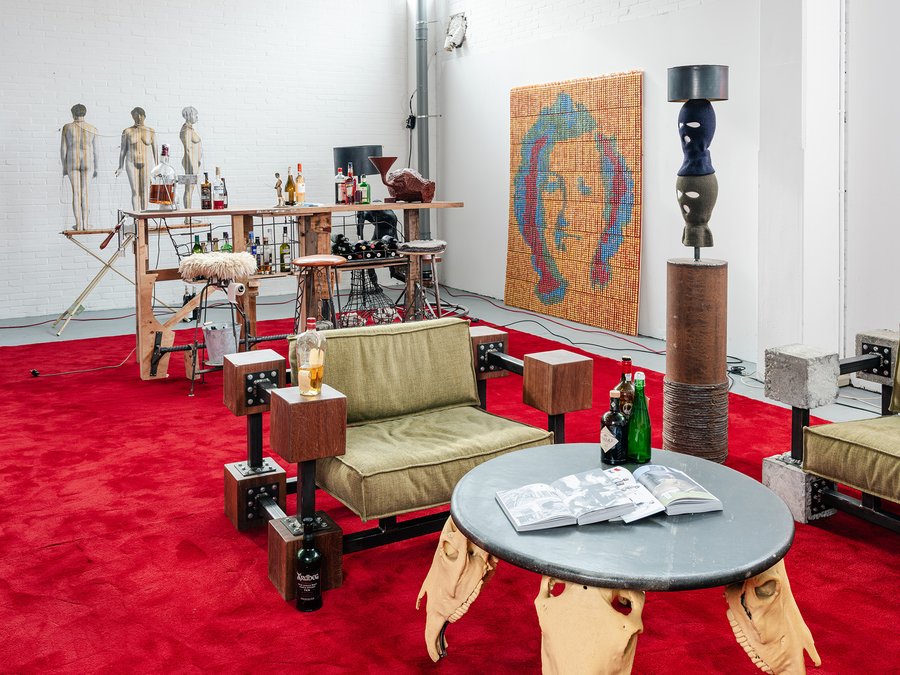
- Armchair Anarchist is open by appointment only. Brutus Base welcomes you into the world of the Armchair Anarchist, an exhibition by Atelier Van Lieshout in which the studio’s art and design are combined with works of other artists from the ProBrutus Collection, like Ossip and Felix Burger. This installation explores the mixed morals of would-be idealists such as the anarchist. “From the comfort of his armchair, the anarchist sits on his high horse, sipping champagne and procrastinating real action”. Though surrounded by an arsenal of weapons, they are left to gather dust. Why does he not take action? Non-hierarchical forms of organization, central to anarchist thought, are recurring themes in AVL’s work. Self-organization plays a key role in the parallel worlds they construct. Armchair Anarchist reflects on the vacuum at the heart of these ideals. Bringing together different generations of Atelier Van Lieshout’s work, the installation unfolds as a living room in their signature style: counterintuitive, paradoxical, and laced with humor. The exhibition is part of the Brutus Base program that focuses on the realization of projects by Atelier Van Lieshout within Brutus, in dialogue with art by like-minded artists from the permanent collection – The ProBrutus Collection.
Armchair Anarchist
Until 13 Dec 2026
BRUTUS
Museum / institution
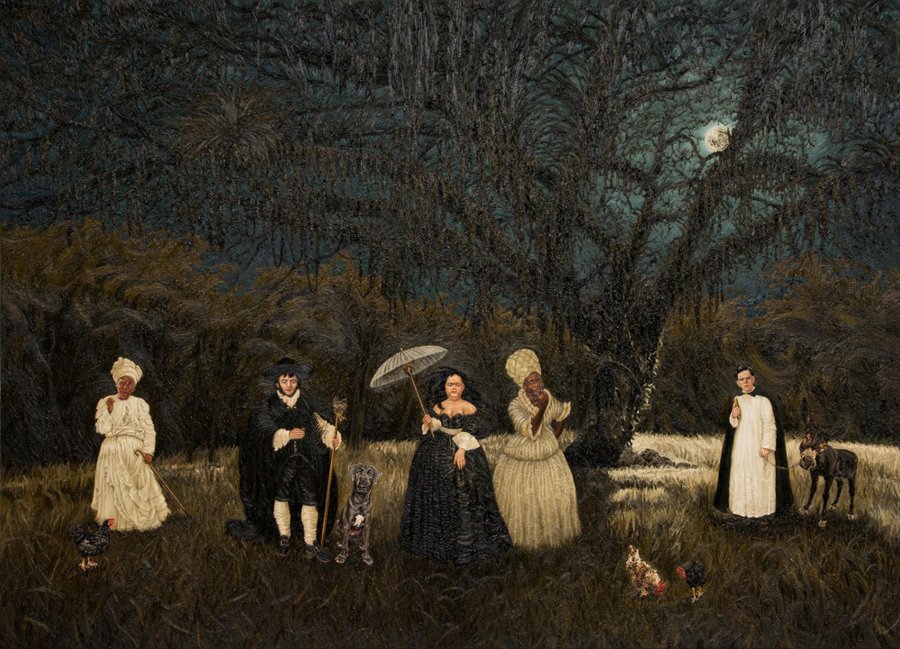
- Nieuwe tentoonstelling: Leef Surrealisme Leef Surrealisme opent op 18 september en neemt bezoekers mee in een wereld waarin dromen, verbeelding en verzet samenkomen. De tentoonstelling verkent surrealisme niet als een puur Europese kunststroming, maar als een wereldwijde manier van denken: een creatieve en activistische houding die in verschillende tijden, continenten en culturen vorm heeft gekregen. Van tientallen kunstenaars zijn werken te zien, onder wie Santiago Rodríguez Olazábal, Roberta Stoddart, Juul Kraijer, Wifredo Lam, Renée Stout, Yves Tanguy, Arie van Geest, Xul Solar en Santiago Yahuarcani. Kunstwerken uit de eigen collectie worden gecombineerd met internationale bruiklenen, topstukken van onder meer Museum Boijmans Van Beuningen en hedendaags werk van Rotterdamse kunstenaars. Met surrealistische kunst uit onder andere Mexico, Australië, Trinidad en Indonesië laat de tentoonstelling zien dat het verlangen naar een betere wereld een universele kracht is.
Leef Surrealisme
Until 29 Aug 2027
Wereldmuseum Rotterdam
Museum / institution
- TINUS and BEP DE DOES September 12 – October 25, 2026 Guest writer: Yazan Khalili
Spangen in Earlier Times
Until 25 Oct 2026
A Tale of a Tub
Gallery / art space
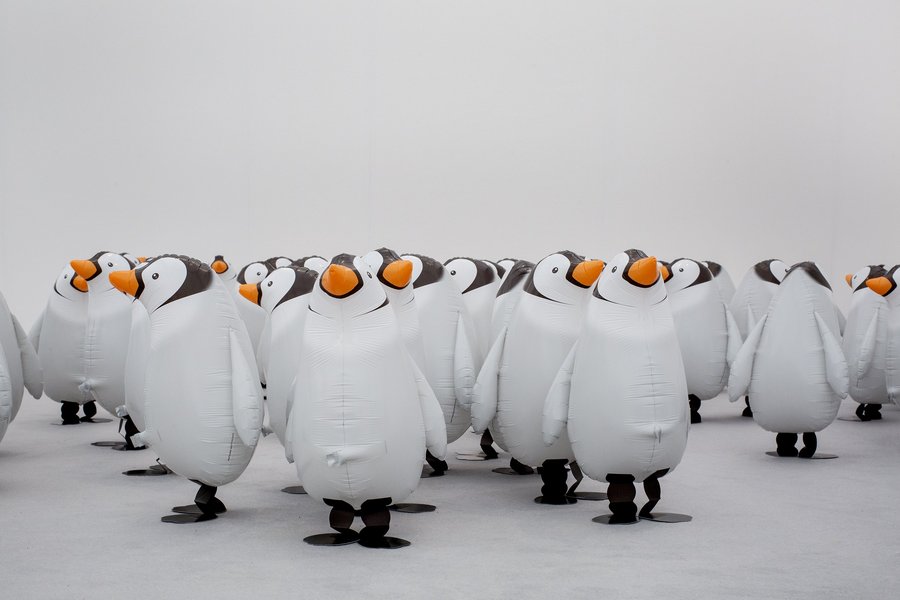
- Als je HAL 5 binnenstapt, sta je meteen midden in een zee van identieke heliumballonnen in de vorm van babypinguïns. De installatie The Birds bestaat uit massaproducten, feestwinkelwaar; precies het soort spullen dat je koopt, gebruikt en weer vergeet. De keuze voor de pinguïn is niet toevallig: als bewoner van de poolgebieden is hij voor Bjerre een van de meest herkenbare symbolen van de gevolgen van klimaatverandering, mede aangedreven door een systeem van eindeloze productie en consumptie. Voor de Kunsthal maakt Bjerre Getting Warmer, een tekst die de hele ruimte omgeeft en waarin de woorden HOT en COLD elkaar afwisselen. Ze verwijzen naar het kinderspel waarbij iemand een verstopt voorwerp zoekt op aanwijzing van ‘warmer’ of ‘kouder’, maar ook naar de logica van trends, politiek en klimaat: wat vandaag hot is, is morgen cold. Ondertussen gedraagt het klimaat zich steeds minder voorspelbaar: niet langer ritmisch koud of warm, maar grillig wisselend. Benedikte Bjerre (1987, Kopenhagen) werkt conceptueel vanuit sociologische en maatschappelijke verschijnselen, met een praktijk die zich richt op sculptuur en installatie. Haar werk beweegt zich op het snijvlak van populaire cultuur, massaconsumptie en het Antropoceen, het tijdperk waarin menselijke activiteit de aarde ingrijpend verandert. Bjerre toonde eerder werk op onder meer Frieze London, bij palace enterprise, Kopenhagen, Stedelijk Museum Amsterdam en het MMK Frankfurt. Van 2019 tot 2023 was zij hoogleraar aan de Jutland Art Academy in Aarhus, Denemarken.
Benedikte Bjerre: Pinguïns
Until 1 Nov 2026
Kunsthal Rotterdam
Museum / institution
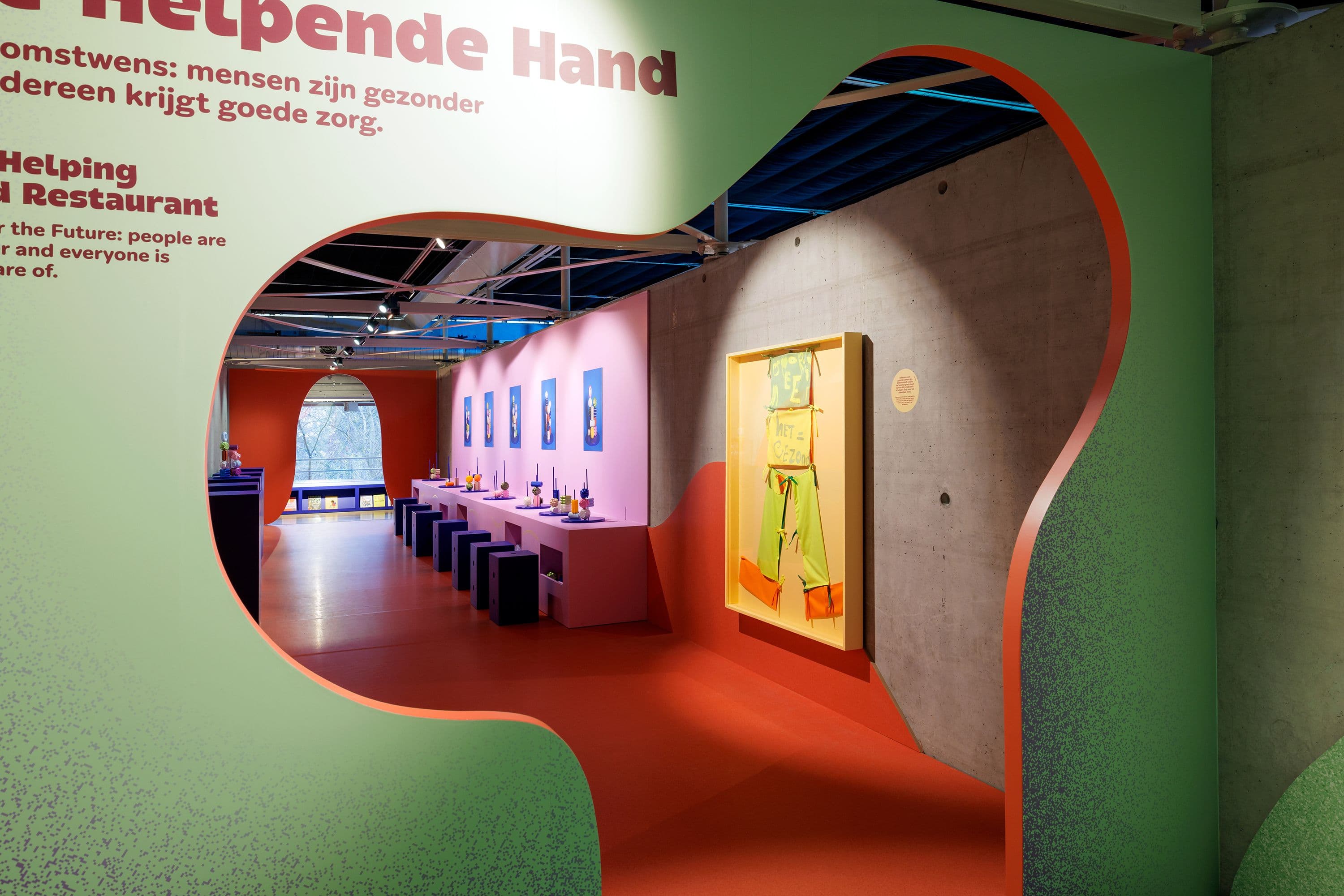
- Oproep aan alle kinderen: kom toekomstmaken in het Nieuwe Instituut! Speciaal voor jullie staat een tentoonstelling klaar waar je heeel veeel zelf kan doen en maken. Over... de toekomst natuurlijk!
Toekomstmakers!
Until 27 Dec 2026
Nieuwe Instituut
Museum / institution
- Voor de tentoonstelling A Chair and You selecteerde de vorig jaar overleden Amerikaanse regisseur, scenograaf en kunstenaar Robert Wilson (1941-2025) meer dan 150 stoelen van 124 ontwerpers uit de collectie van Thierry Barbier-Mueller. Geïnspireerd door de podiumkunsten gebruikte Wilson licht, geluid en scenografie om vier thematische werelden te creëren — variërend van een op Jackson Pollock geïnspireerde ruimte met organische, kleurrijke vormen en wonderlijke materialen, tot een omgeving die rust en orde ademt, met strakke lijnen en zachte tinten die modernistische architectuur oproepen. Deze totaalinstallatie benadrukt de betekenisvolle, bijna theatrale kracht van de objecten en laat de stoelen spreken zonder woorden.
A Chair and You
Until 31 Jan 2027

Kunsthal Rotterdam
Museum / institution
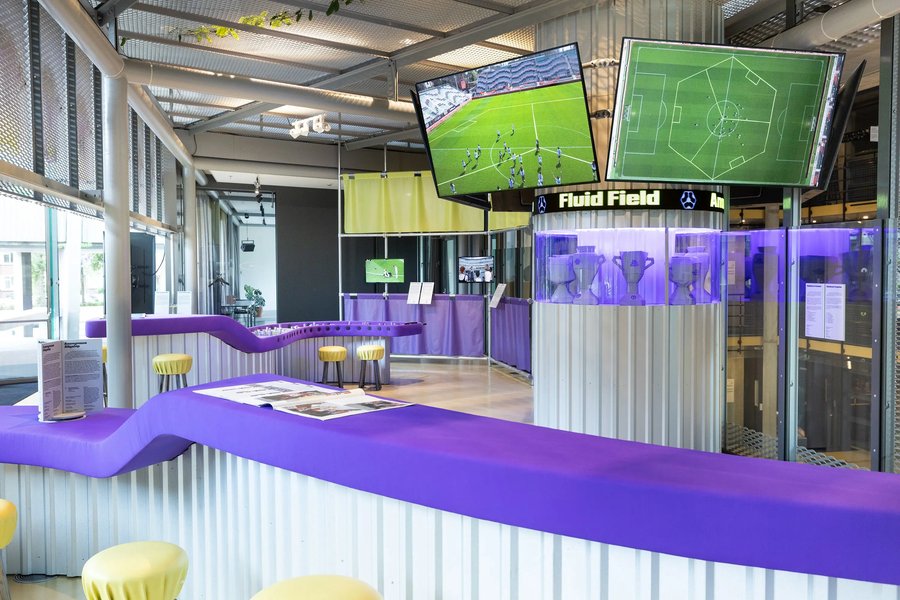
- Alternatieve sportbar SIDELINED verwelkomt je in een alternatieve sportbar, gebouwd op de principes van fluïditeit, verbondenheid, samenzijn en experiment. Ervaar een nieuwe manier van spelen op de Fluid Foosball Table: een herinterpretatie van het geliefde kroegspel, waarbij vastgeroeste binaire structuren plaats maken voor een vloeiend speelveld zonder vaste teams. Er ligt, uiteraard, een sportkrant, met daarin gesprekken met onder meer de eigenaren van Queer Gym Rotterdam en Sportcafé Costa del Sol: twee Rotterdamse plekken die diverse gemeenschappen samenbrengen door middel van sport. Van Luca Soudant hoor je een geluidswerk dat is gebaseerd op opnames van Trans* Pride Berlin 2022, en Alice Wong maakte een stille filmmontage over sport als ruimte van politiek verzet en transformatie. In de goedgevulde prijzenkast vind je trofeeën die aansluiten bij de teamsporten van Fontana: prijzen uitgereikt op basis van samenwerking, improvisatie en zorgzaamheid. De vraag is niet of je het spel wint, maar hoe je het verkiest te spelen. De scenografie en de grafische vormgeving zijn verzorgd door Koos Breen en Jeannette Slütter.
SIDELINED. Ruimte voor anders samenzijn
Until 31 Jan 2027
Nieuwe Instituut
Museum / institution
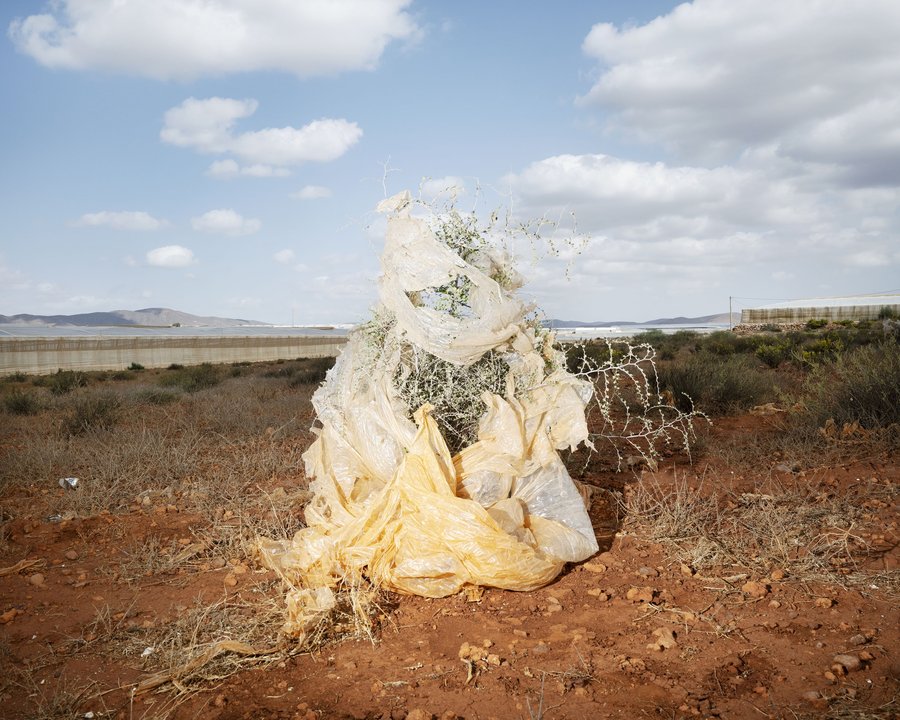
- Plastic Sea, Perfect Storm laat zien hoe dagelijks zo’n 150 duizend mensen zes dagen per week onder slechte omstandigheden werken. Omdat het kwik in de kassen overdag geregeld boven de vijftig graden komt, werken de migranten vaak ’s nachts. De groenten en het fruit dat zij verbouwen, is in supermarkten in heel Europa te vinden, waaronder Nederland. Het bijproduct, jaarlijks zo’n 6 miljard kilo plastic, komt in grote schaal op illegale dumpplaatsen terecht – in Zuid-Spanje alleen al zijn 400 van zulke plekken te vinden.
Plastic Sea: Perfect Storm
Until 7 Mar 2027
Kunsthal Rotterdam
Museum / institution
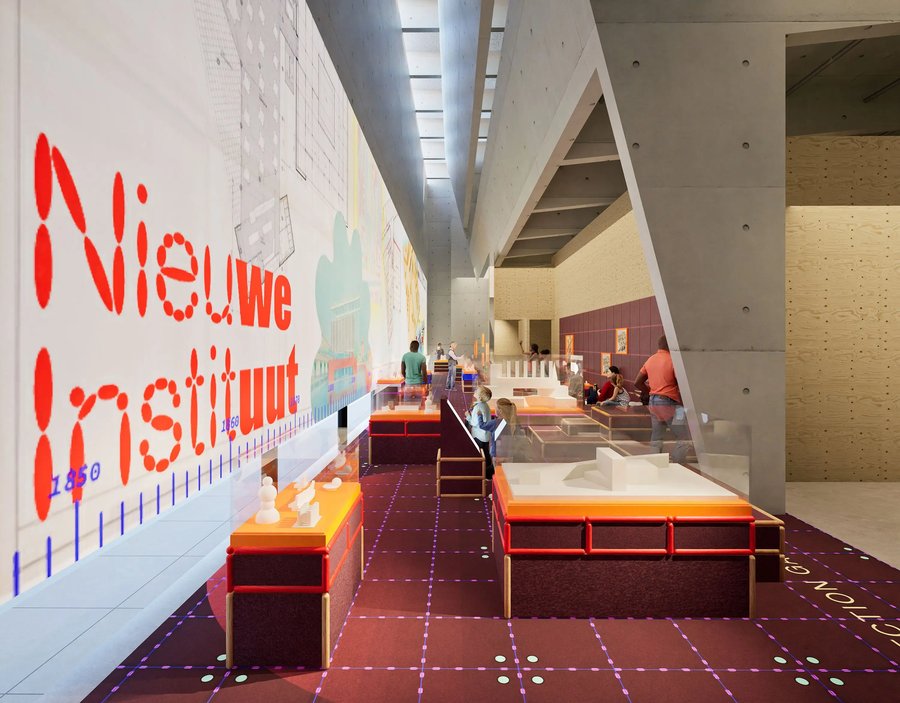
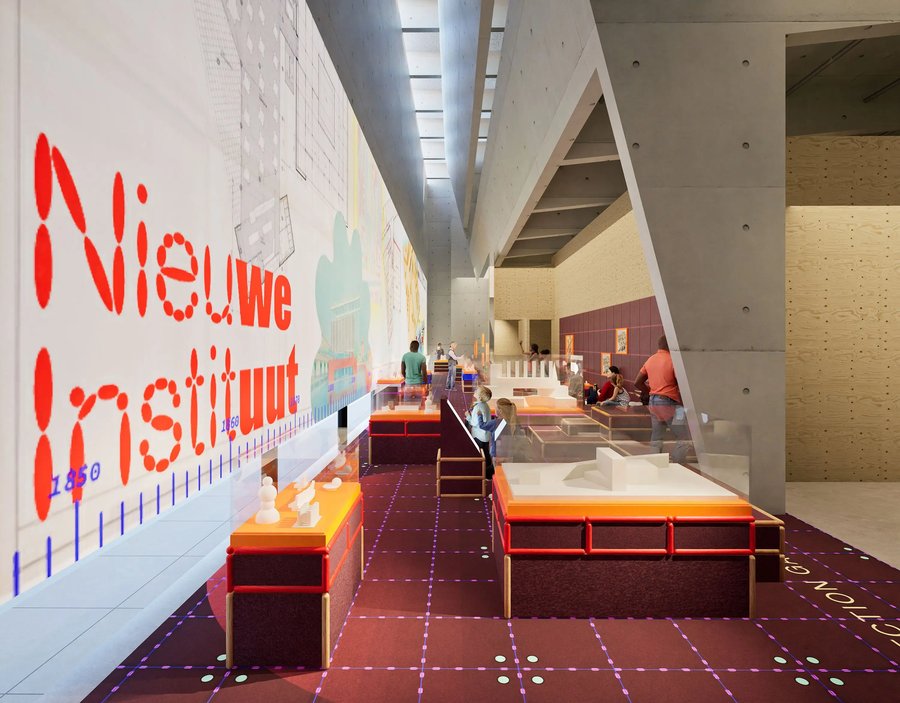
- In de Collection Gallery word je omgeven door meer dan 150 jaar ontwerpgeschiedenis. Je betreedt een interactieve, hybride installatie met wandvullende projecties en spiegelpanelen. Fysieke objecten, zoals maquettes en tekeningen, vormen het vertrekpunt van een digitale ontdekkingsreis in de architectuurcollectie van het Nieuwe Instituut.
Nu te zien
Until 27 May 2029
Nieuwe Instituut
Museum / institution
- Impressie van de Collection Gallery. Ruimtelijk ontwerp en interactie-ontwerp door Space Popular met Mariana Lobão en Jaco Schilp. In de Collection Gallery word je omgeven door meer dan 150 jaar ontwerpgeschiedenis. Je betreedt een interactieve, hybride installatie met wandvullende projecties en spiegelpanelen. Fysieke objecten, zoals maquettes en tekeningen, vormen het vertrekpunt van een digitale ontdekkingsreis in de architectuurcollectie van het Nieuwe Instituut. De collectie die het Nieuwe Instituut beheert bevat ruim 700 archieven uit de periode 1850 tot nu, met zo'n 4 miljoen objecten en 5 terabyte aan digitale bestanden. Samen documenteren ze de geschiedenis van de Nederlandse architectuur en stedenbouw. De Collection Gallery nodigt je uit om al bladerend de rijkdom en meerstemmigheid van de collectie te verkennen en, soms letterlijk, in te zoomen op verhalen die erin besloten liggen. Alles is ontworpen Alles in onze omgeving is ontworpen, alles was ooit een ontwerpvraag. In de Collection Gallery zie je dat architecten, ontwerpers, maar ook opdrachtgevers en bewoners (denk aan de kraakbeweging, inspraak in de buurt), ons leven op elke schaal vormgeven, van landschappen en steden tot de plekken waar we elkaar ontmoeten, de huizen waarin we wonen en de voorwerpen die we dagelijks gebruiken. De verschillende ontwerpdisciplines staan daarbij niet op zichzelf. Architectuur, landschapsontwerp en vormgeving zijn innig met elkaar verweven. En juist in de kruisbestuivingen zie je de innovaties van de afgelopen 150 jaar naar voren komen. Routes en verhalen De verhalen in de presentatie zijn ook nu actueel, over bijvoorbeeld architectuur en democratie, woningnood, koloniale architectuur, tuinsteden, ontwerpen met de computer en de rol van vrouwelijke architecten. Je kunt je door thema's en hoofdstukken heen laten leiden en verdieping zoeken in terzijdes, maar je kunt ook je eigen weg kiezen. Zo vind je bij elk bezoek weer iets nieuws, door andere wegen in te slaan en nieuwe verhaallijnen te ontdekken. In de loop van de komende drie jaar zullen er objecten gewisseld worden en verhalen toegevoegd, aansluitend op de actualiteit.
Collection Gallery
Until 27 May 2029
Nieuwe Instituut
Museum / institution
Coming soon in Rotterdam
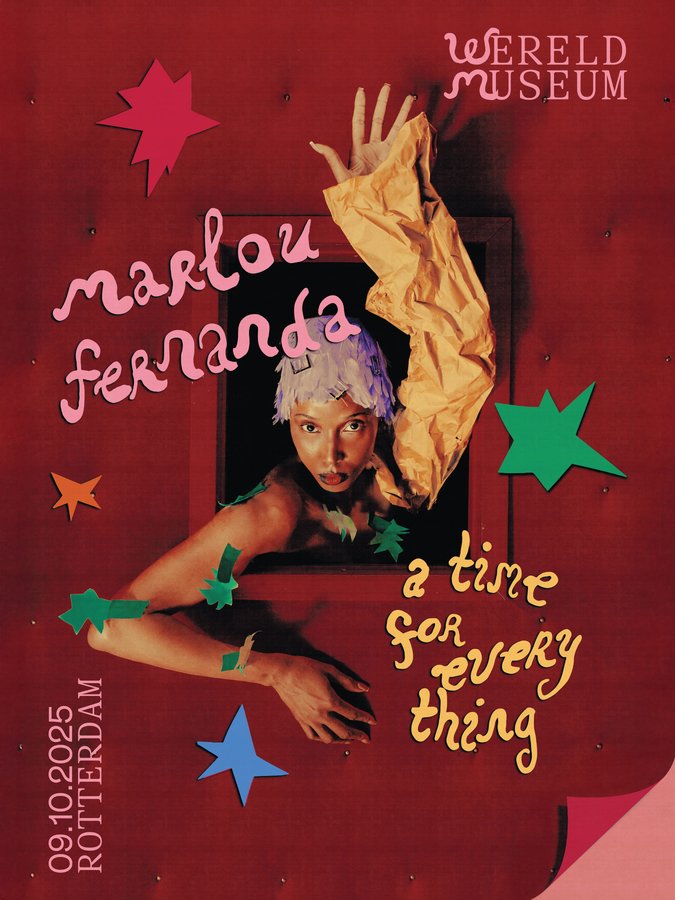
- Nu te zien [PARA] [TITLE CLASS='field field--name-title field--type-string field--label-hidden' TEXT='Marlou Fernanda: A Time for Everything'] [PARA] Nieuwe tentoonstelling Marlou Fernanda [PARA] Op 10 oktober opent de tentoonstelling Marlou Fernanda: A Time for Everything in Wereldmuseum Rotterdam. Met deze multidisciplinaire overzichtstentoonstelling blikt de Rotterdamse Marlou Fernanda (1996) terug op tien jaar zelfstandig kunstenaarschap en nodigt ze bezoekers uit in haar kleurrijke, persoonlijke en soms confronterende wereld, waar zelfexpressie en het recht op ruimte centraal staan. [PARA] Deze tentoonstelling is te zien t/m 3 mei 2026.
Marlou Fernanda: A Time for Everything
22 Oct 2026 – 23 Feb 2027
Wereldmuseum Rotterdam
Museum / institution
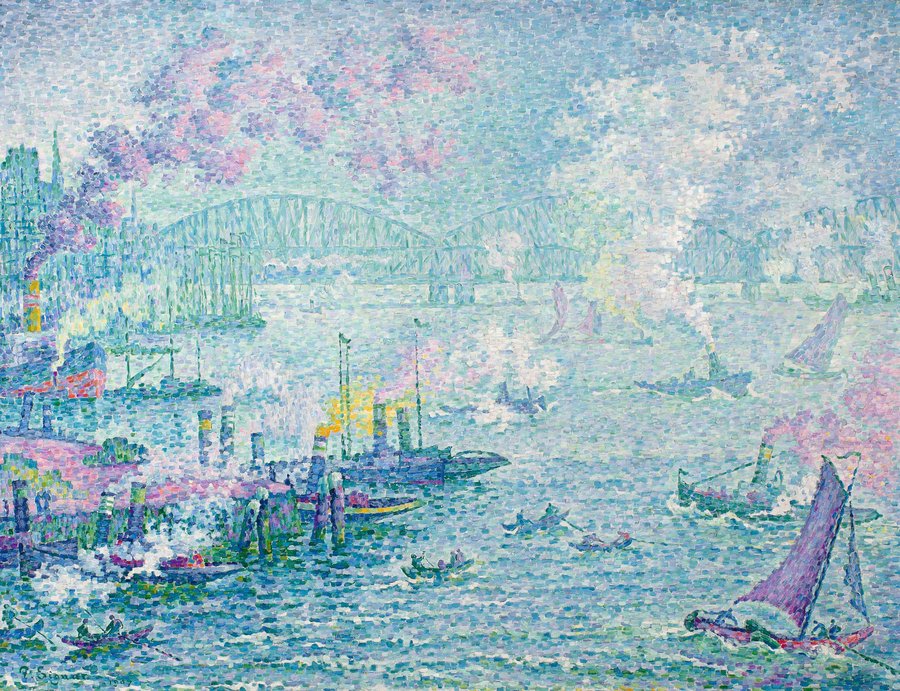
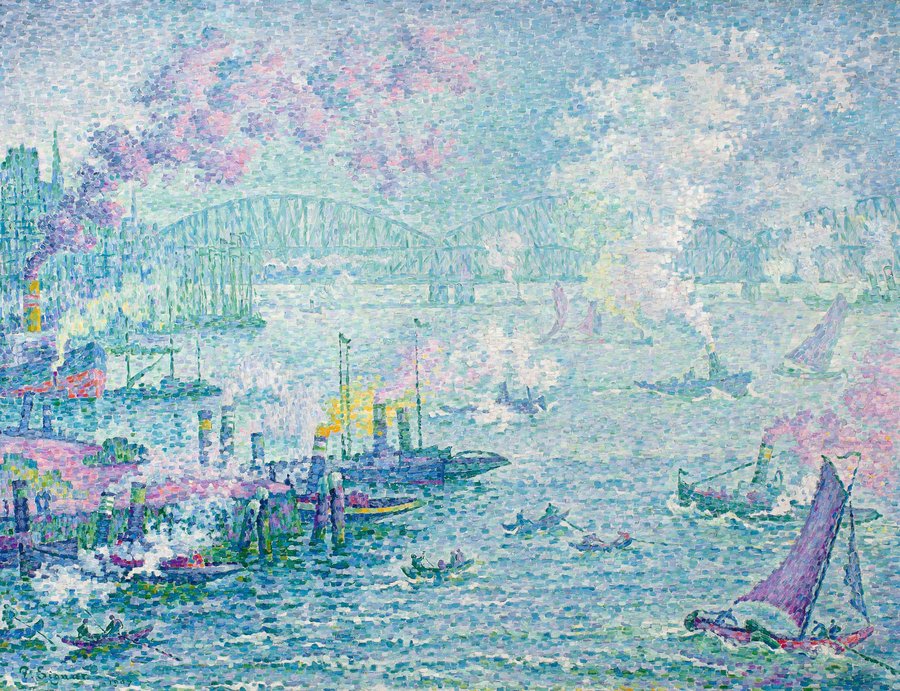
- In the exhibition, you follow Signac’s development through lively harbour scenes, colourful landscapes and carefully composed portraits. One of the highlights is the sun-drenched Le Port au soleil couchant, Opus 236 (1892). Also on view is Le port de Rotterdam (1907), created during his stay in the Netherlands. But Signac. Symphony of Colour s shows more than the work of one artist. As a writer, ambassador, collector and mentor, Signac played a key role within Neo-Impressionism and actively contributed to the international spread of the movement. His influence extended to artists across Europe. The exhibition therefore also features works by Lucie Cousturier, Henri-Edmond Cross, Curt Herrmann, Maximilien Luce, Camille Pissarro, Théo van Rysselberghe, Jeanne Selmersheim-Desgrange, Georges Seurat and Jan Toorop. The exhibition is organised in close collaboration with Museum Barberini in Potsdam, known for its impressive collection of (Neo-)Impressionist paintings.
Symphony of Colours
24 Oct 2026 – 28 Feb 2027
Kunsthal Rotterdam
Museum / institution
- In Symphony of Colours volg je Signacs ontwikkeling via levendige havengezichten, kleurrijke landschappen en zorgvuldig gecomponeerde portretten. Een van de hoogtepunten is het zonovergoten Le Port au soleil couchant, Opus 236 (1892). Ook Le port de Rotterdam (1907), dat hij schilderde naar aanleiding van zijn verblijf in Nederland, is te zien. Vibrerende kleuren In de tentoonstelling ontdek je het magische effect van het pointillisme. Binnen deze stroming baseren kunstenaars zich op strikte wetenschappelijke kleurtheorieën. Schilders mengen de verschillende kleuren verf niet, maar brengen die in stippen en toetsen naast elkaar aan, zodat het oog van de kijker de kleuren optisch mengt. Complementaire kleuren – oranje naast blauw, rood naast groen – versterken elkaar en zorgen voor een helder, vibrerende effect. Signac en Nederland Signac was fan van Nederland. Hij bezocht ons land meerdere keren en maakte vervolgens grote doeken, onder meer van de haven van Rotterdam. Ook was hij duidelijk onder de indruk van de polders, havens en wolkenluchten in onder meer Amsterdam, Volendam en Dordrecht. In de tentoonstelling zie je hoe de Nederlandse schilder Jan Toorop (1858–1928) zich door hem liet beïnvloeden en het het neo-impressionisme in Nederland introduceerde. Schrijver, verzamelaar, ambassadeur Signac. Symphony of Colours laat meer dan één kunstenaarschap zien. Als schrijver, ambassadeur, verzamelaar en mentor speelde Signac een sleutelrol binnen het neo-impressionisme en droeg hij actief bij aan de internationale verspreiding van de stroming. Zijn invloed reikt tot kunstenaars in heel Europa. In de tentoonstelling zie je daarom ook werk van onder anderen Lucie Cousturier, Henri-Edmond Cross, Curt Herrmann, Maximilien Luce, Camille Pissarro, Théo van Rysselberghe en Jeanne Selmersheim-Desgrange. De tentoonstelling komt tot stand in nauwe samenwerking met Museum Barberini in Potsdam, bekend om zijn indrukwekkende collectie (neo-)impressionistische schilderijen.
Signac: Symphony of Colours
24 Oct 2026 – 28 Feb 2027
Kunsthal Rotterdam
Museum / institution
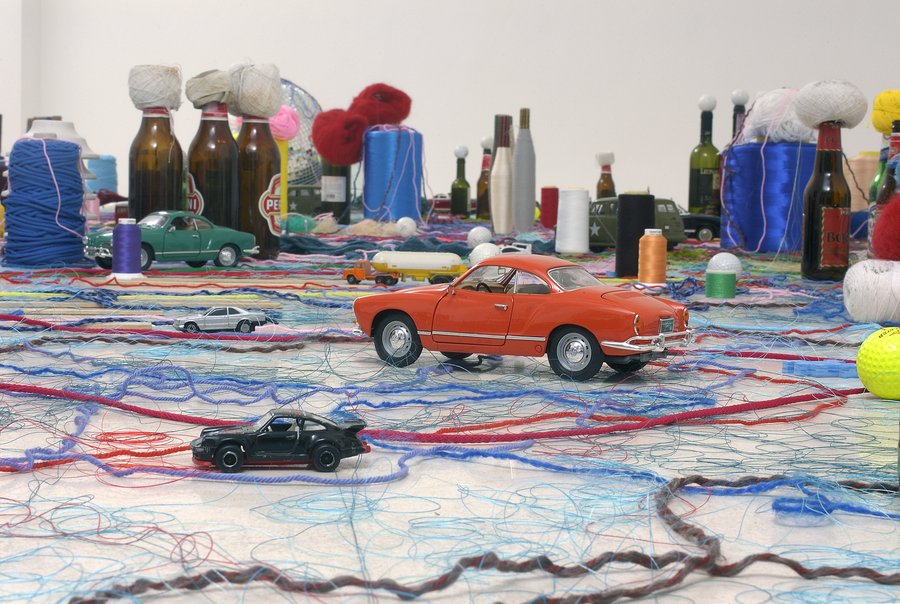
- Emerging in the early years of post-apartheid South Africa, Moshekwa belongs to a generation of artists who worked with the new enthusiasm sweeping through the country at the time and the curiosity toward a world that was opening up after decades of international solidarity through cultural sanctions and boycotts. His work was widely exhibited at international biennials beginning in 1997 with his participation in the Johannesburg Biennale, the Havana Biennial, and the Istanbul Biennial, and followed by biennials in São Paulo (1998 and 2010), Gwangju (2000), and Venice (2003 and 2009). In 1997, Moshekwa moved to the Netherlands to join the Rijksakademie van Beeldende Kunsten residency, where he sought an international artistic community that would challenge and inform his practice, while allowing his work to remain resistant to easy categorization. His meteoric rise was due in part to his fearless handling of materials from his immediate environment. Using what is considered banal and “everyday” to create complex imagery, his work is characterized by wit and irreverence, while his astute awareness of material is reflected in the layers of meaning that emerge through repeated encounters with unconventional materials such as coffee, nail polish, lipstick, staples, yarn, car varnish, newspaper, coal, refuse bags, and tape. Having grown up in Bakenberg in the province of Limpopo, Moshekwa later encountered official South African maps that did not feature his hometown. His recurring interest in mapping reflects apartheid South Africa’s selective cartographies and has informed a conceptual concern with the politics of landlessness, mapping, and borders. These concerns take different forms throughout his oeuvre, from lines woven across paper to installations of spools of thread, bodies of water, childhood memories and observations of a landscape shaped by history. Rather than reaching conclusions, ideas in Moshekwa ’s practice return, repeat, and begin again. Works may start and only be finished years later; chronology and linearity are not employed, things begin again, beginnings are continuous, and instead of conclusions there are pauses and ellipses. Time is nebulous and elastic. Curated by Gabi Ngcobo, director of Kunstinstituut Melly, with curator Kabelo Malatsie, You will find us in the best places offers a pause to reflect on Moshekwa ’s practice across three decades. The exhibition is choreographed to reveal recurring themes, questions, and interests, marking time not linearly, but through their continuous unfolding across Moshekwa’s practice.
You will find us in the best places: a survey exhibition of Moshekwa Langa
24 Oct 2026 – 28 Mar 2027
Kunstinstituut Melly
Museum / institution
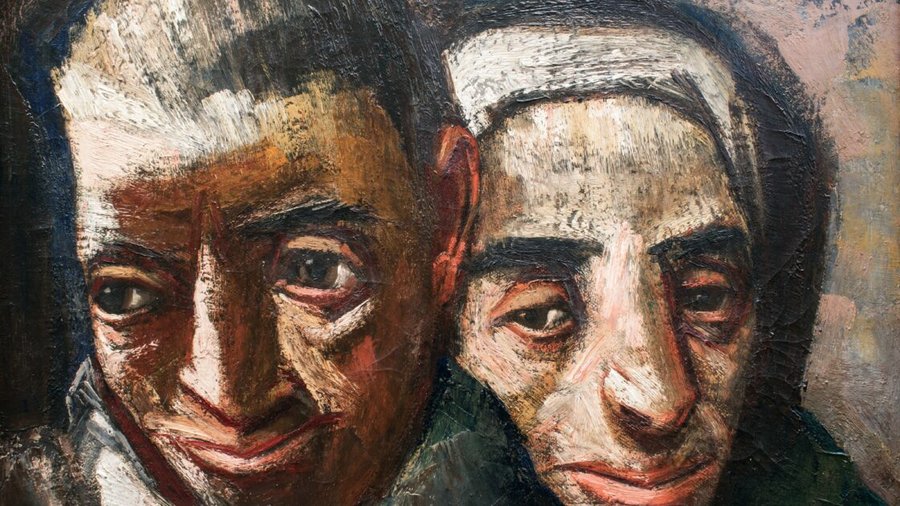
- Kenmerkend voor de kunstenaar – en naamgever van het museum – Henk Chabot is een humanistisch mensbeeld. Een aspect dat tijdens het interbellum waarin Chabot actief was ook terug te vinden is bij een aantal architecten die werkten in een stijl van het zogenaamde ‘Nieuwe bouwen’, zo ook bij de architect van het voormalige woonhuis waarin nu het Chabot Museum gevestigd is. Een belangrijk uitgangspunt voor de architecten van het Nieuwe Bouwen was dat met moderne technieken en materialen zoals gewapend beton, ruimtes gecreëerd konden worden waarin het voor de mensen beter leven zou zijn. In deze tentoonstelling is het werk van Henk Chabot te zien in relatie tot de architectuur van de villa ; een verhaal over de zoektocht naar licht, lucht en ruimte. Een ideaal dat bruut verstoor d werd met het bombardement op Rotterdam: het begin van de Tweede Wereldoorlog in Nederland. In een nieuwe, doorlopende expositie worden een aantal kernwerken getoond uit de collectie van het Chabot Museum. Belangrijke werken van Henk Chabot vertellen het verhaal van het interbellum, samen met tijdgenoten als Ossip Zadkine, Jan Kamman, Emmy Andriesse, en latere geestverwanten als Klaas Gubbels en Anne Wenzel.
Licht, lucht, ruimte en een humanistisch mensbeeld
25 Oct 2026 – 7 Mar 2027
Chabot Museum
Museum / institution
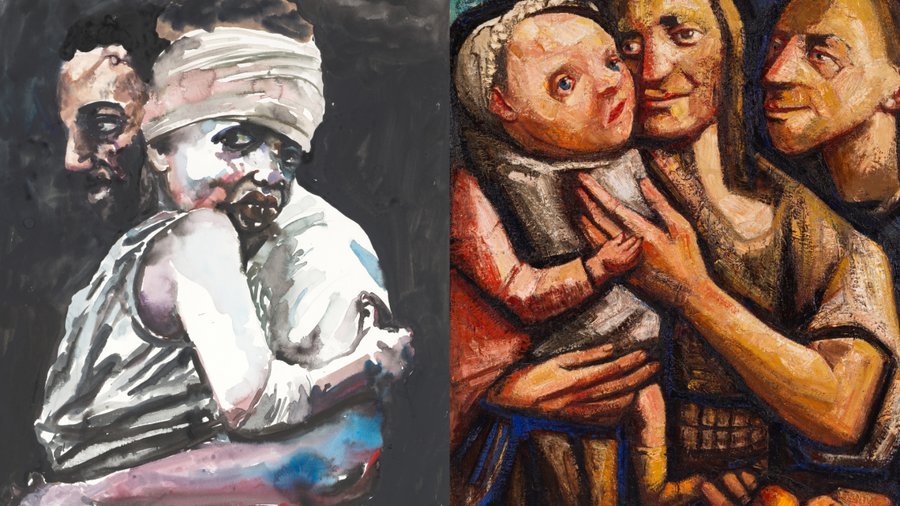
- Van 25 oktober 2026 tot en met 7 maart 2027 presenteert het Chabot Museum Mensen zoals wij. In deze tentoonstelling gaan het werk van Nour-Eddine Jarram (Casablanca, 1956) en Henk Chabot (Sprang-Capelle, 1894–Rotterdam, 1949) voor het eerst met elkaar in dialoog. Ondanks verschillen in tijd, achtergrond en beeldtaal delen beide kunstenaars een grote betrokkenheid bij de kwetsbare medemens. Hun werk raakt aan actuele thema’s als migratie, vrijheid, identiteit en menselijke waardigheid. Hoewel afkomstig uit verschillende historische contexten, vertonen de oeuvres van Jarram en Chabot formeel en inhoudelijk opmerkelijke overeenkomsten. Beide kunstenaars verbeelden de medemens in nood: op de vlucht voor verdrukking en geweld, of anderszins kwetsbaar. Chabot deed dit indringend tijdens de oorlogsjaren 1940–1945, in schilderijen van vluchtelingen, onderduikers en gevangenen. Jarram richt zich vandaag op de actualiteit van migratie, de vluchtelingencrisis en de positie van mensen op zoek naar een veilige leefomgeving. Sinds 2015 gebruikt hij onder meer nieuwsfoto’s en beelden van sociale media als vertrekpunt voor aquarellen waarin de mens op de vlucht en jongeren op zoek naar identiteit centraal staan. Jarrams beeldtaal wordt gevoed door zijn ervaring tussen een islamitische beeldcultuur en de West-Europese schilderkunst. In schilderijen, tekeningen en aquarellen brengt hij deze verschillende tradities en geschiedenissen voortdurend in balans. Waar Chabot tijdens de Tweede Wereldoorlog de ontwrichting van menselijk bestaan verbeeldde, richt Jarram zich op hedendaagse ervaringen van ontheemding en identiteit. De tentoonstelling spiegelt daarmee historische ervaringen van oorlog en ontheemding aan actuele maatschappelijke vraagstukken rond migratie, uitsluiting en polarisatie. Een belangrijke inspiratiebron voor beide kunstenaars vormt de Nederlandse schilderkunst van de zeventiende eeuw. Vooral de invloed van Rembrandt is zichtbaar in hun aandacht voor compositie en clair-obscur, het dramatische spel van licht en donker. Voor Jarram vormt de ontmoeting met Rembrandt een blijvende bron van herkenning en inspiratie; voor Chabot was hij een voorbeeld van menselijkheid en vrijheid. Jarram verwoordt zijn artistieke ontwikkeling als volgt: "Het eerste werk dat ik in het westen in het echt zag was dat van Delacroix en Géricault in het Louvre, en later De Nachtwacht in het Rijksmuseum. Vooral het clair-obscur van Rembrandt heeft mij gefascineerd en dat is nog altijd zichtbaar in mijn werk. Beide werelden moeten zich kunnen manifesteren en elkaar versterken; zo voel ik mij compleet." Daarnaast laat Mensen zoals wij zien hoe verschillende beeldculturen elkaar ontmoeten. Jarram verenigt abstracte motieven uit de islamitische beeldcultuur met figuratieve elementen uit de West-Europese schilderkunst. Deze formele abstractie kent een opmerkelijke verwantschap met vroege kubistische en geometrisch abstracte experimenten van Chabot. De tentoonstelling brengt zo verschillende culturele tradities met elkaar in gesprek en toont hoe uiteenlopende beeldtalen elkaar kunnen raken en versterken. Voor de tentoonstelling zijn schilderijen van Chabot geselecteerd op basis van formele en inhoudelijke verwantschappen met werk dat Jarram in de afgelopen tien jaar heeft gemaakt. Deze worden gecombineerd met circa veertig tot vijftig schilderijen, aquarellen en tekeningen van Jarram, waaronder ensembles waarin zijn stilistische veelzijdigheid zichtbaar wordt. Nour-Eddine Jarram (Casablanca, 1956) kwam in 1979 vanuit Marokko naar Nederland om te studeren aan de AKI in Enschede, waar hij zich ontwikkelde tot een kunstenaar met een eigen beeldtaal op het snijvlak van islamitische en West-Europese beeldculturen. In schilderijen, tekeningen en aquarellen onderzoekt hij thema’s als migratie, identiteit en menselijke kwetsbaarheid. Sinds 2015 richt hij zich nadrukkelijk op de actualiteit van de vluchtelingencrisis en de positie van jongeren met een migratieachtergrond. Zijn serie Moroccan youngsters werd in 2021 opgenomen in de collectie van het Rijksmuseum en is daar sinds 2026 op zaal te zien.
Mensen zoals wij - Nour-Eddine Jarram en Henk Chabot
25 Oct 2026 – 7 Mar 2027
Chabot Museum
Museum / institution
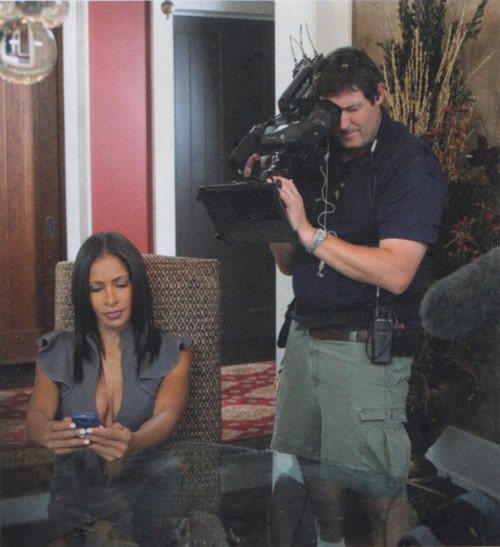
Reality TV Show
28 Nov 2026 – 4 Apr 2027
A Tale of a Tub
Gallery / art space
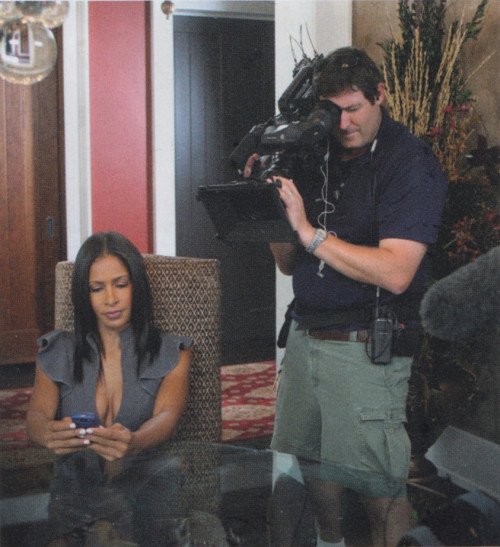
- Upcoming exhibition Reality TV Show November 28, 2026 – February 28, 2027
Reality TV Show
28 Nov 2026 – 28 Feb 2027
A Tale of a Tub
Gallery / art space
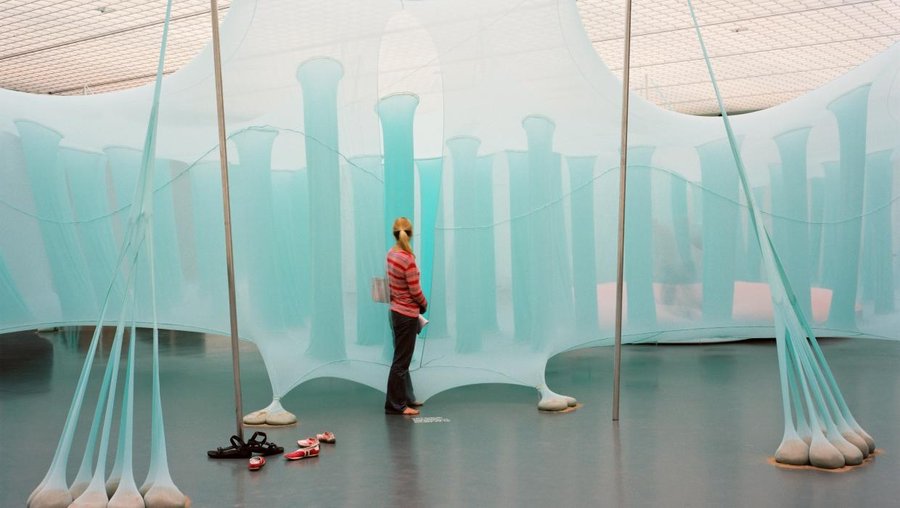
Verwacht: Ernesto Neto
17 Apr 2027 – 19 Sept 2027
Depot Boijmans Van Beuningen
Museum / institution
Past Exhibitions
Recent past exhibitions
- Paul Bergen Paul Bergen (1957) begon als algemeen persfotograaf, maar is inmiddels al decennialang een van de bekendste Nederlandse muziekfotografen. Hij staat bekend om zijn livefoto’s en portretten van artiesten. Voor zijn lens verschenen grote pop- en rocksterren als Nirvana, David Bowie, The Rolling Stones en U2, maar ook jazzartiesten als Herbie Hancock en Sonny Rollins. Zijn werk verscheen in uiteenlopende kranten en tijdschriften en was ook te zien in tv-documentaires. Daarnaast werkt hij in opdracht van fotopersbureau ANP. Bergen publiceerde verschillende fotoboeken, waaronder Nineties Spirit en Zero’s Heroes. Rico D’Rozario Rico D'Rozario (1944) begon als muzikant, maar ontdekte dat zijn talent meer achter de lens lag dan achter de drums. Zijn werk werd meerdere keren bekroond; zo won hij tweemaal de Portrait Prize bij de Zilveren Camera. Grote muzieksterren verschenen voor zijn camera, van Mick Jagger en Miles Davis tot Prince en Beyoncé. Hij werkte voor verschillende tijdschriften, waaronder popblad OOR, publiceerde meerdere fotoboeken en maakte foto’s voor honderden platen- en cd-covers. Andreas Terlaak Na zijn opleiding besloot Andreas Terlaak (1976) zijn talent te combineren met zijn grote passie voor muziek en werd hij concertfotograaf. Hij legde talloze liveconcerten vast en beleefde in zijn vak vele hoogtepunten. Zo was hij jarenlang de vaste tourfotograaf van Neil Diamond en werkte met Prince bij zijn shows in het Amsterdamse Paradiso. Later in zijn carrière breidde hij zijn werkterrein uit naar de Formule 1 en dans. Veel van Terlaaks werk wordt gepubliceerd door dagblad NRC en concertorganisatie MOJO. Terlaak won tweemaal de eerste prijs bij de Zilveren Camera, voor zijn foto’s van Amy Winehouse en dansgezelschap Conny Janssen Danst.
50 Jaar North Sea Jazz: Fotografie
Ended 11 Oct 2026
Kunsthal Rotterdam
- Experiment Een bijzonder werk van Van Amen is Habanera (1961). Het werk, destijds gepresenteerd als het langste schilderij ter wereld, is een schildering op een dertien meter lang orgelboek. Over de gaatjes die de muziek sturen, bracht Van Amen een eigen abstracte, expressionistische partituur aan. Grove spetters en penseelstreken verraden de vaart waarmee de kunstenaar de leporello te lijf ging. Popart Van Amen vertrekt begin jaren zestig naar de Verenigde Staten, waar hij in aanraking komt met kunstenaars als Andy Warhol en Robert Rauschenberg. Hij treft er een kunstscene aan waarin alledaagse objecten, merknamen en beelden uit de consumptiemaatschappij centraal staan. In zijn vroege werk is deze invloed duidelijk zichtbaar. Van Amen gebruikt bekende merknamen zoals RVS, Philips en Wrigley in schilderijen waarvan de beelden direct aan het straatbeeld lijken ontleend: neonletters, logo’s en industriële vormen. Alledaagse objecten De tentoonstelling presenteert een aantal van Van Amens assemblages: combinaties van elementen uit alledaagse voorwerpen die bewegen en geluid maken of zelfs aanvriezen, zoals zijn iconische IJsmachines. Ook zijn de Vibro-objecten te zien: sculpturen die vibreren door middel van kleine motoren of mechanische onderdelen uit afgedankte apparatuur. Geïnspireerd door de harde kant van de Amerikaanse cultuur vormt de elektrische stoel een indringend onderwerp in Van Amens werk. Hij isoleert het object en maakt de stoel op deze manier een opzichzelfstaand, sculpturaal beeld. Symboliek Een van de belangrijkste ontwikkelingen in Van Amens oeuvre is het gebruik van symbolen met een van oorsprong religieuze lading, die hij tijdens zijn reizen ontdekt. Invloeden uit Azië zijn zichtbaar in tekeningen van wajangpoppen en andere culturele motieven. Zo is de taxat een van de bekendste symbolen in zijn oeuvre: een dubbelkruis dat hij aantrof in de bekleding van een taxi in Singapore. De door Van Amen bedachte naam verwijst naar deze vindplaats. Het symbool intrigeerde hem zozeer dat hij de driedimensionale vorm, bestaande uit dertien kubussen, wiskundig liet vastleggen. Ook de karakteristieke top van de Zwitserse Matterhorn keert regelmatig terug in zijn werk, evenals Nepalese gebedsvlaggetjes.
Woody van Amen
Ended 4 Oct 2026
Kunsthal Rotterdam
- De tentoonstelling Helen Leviit. City at Play werd door NRC beloond met vijf ballen. Toef Jaeger schreef onder meer: "Het New Yorkse straatleven van eind jaren dertig tot eind jaren tachtig is maar zelden zo mooi vastgelegd als door haar. Levitt werd beroemd met foto’s van kinderen tijdens hun spel of wanneer ze schitterende krijttekeningen maakten. Wie ze bekijkt, in de voortreffelijke overzichtstentoonstelling in Kunsthal Rotterdam, ziet kinderen van alle tijden hun spel spelen, troost zoeken, of genegenheid bij een ouder. Ziet dat er volwassenen zijn die lachen, eenzaam zijn of over hun buurt waken. Wat in de tijd verandert is de kleding, het consumentengedrag en de buurt, de rijkdom neemt iets toe, maar de intimiteit (of het gebrek eraan) blijft." Lees [LINK text='hier het hele artikel in NRC' href='https://www.nrc.nl/nieuws/2026/06/15/maar-zelden-werd-het-new-yorkse-straatleven-zo-mooi-vastgelegd-als-door-helen-levitt-a4929421?utm_source=clipboard&utm_medium=clipboard&utm_campaign=share&utm_term=share-modal&gift_token=4929421~1782304130~HOhu9ktDQJ6YaMB8GJbOWA~7RpbvlWSnmrTipuR1eera8tQGbpngupEk__MBL7wTik']
Helen Levitt
Ended 4 Oct 2026
Kunsthal Rotterdam
- Draw Withdraw Redraw, a group exhibition featuring work by AYO, Bani Abidi, Cinthia Marcelle, Felipe Mujica, Misheck Masamvu, Nohemi Perez, and Thierry Oussou. To draw, drawing from, drawing with, drawn to, to being drawn in, a draw–returning to the drawing board as a space to rethink and make new plans for a desired waywardness. Drawing to leave a mark on paper, on fabric, on the ground [...] drawing to create movement [...] drawing to extract [...] drawing in the game of chance [...] drawing to neither lose nor win [...] Departing from the extended sense of drawing, Draw Withdraw Redraw foregrounds recognition, resistance, and reinvention. To draw withdraw redraw situates us in a state of ongoingness, returning to the same that is not the same. Movement seeks flight without yearning to land. There is constant negotiation, chance-taking and self-preservation, because we never left drawing... because drawing is where we can always pull from...To draw, drawing from, drawing with, drawn to, to being drawn in, a draw.
Draw Withdraw Redraw
Ended 4 Oct 2026
Kunstinstituut Melly
- In het Re-Centre zie je foto's, tekeningen en schetsen van het ontwerp dat architect Jo Coenen eind jaren tachtig maakte van het toekomstige Architectuurinstituut, nu het Nieuwe Instituut. Als je daarna door en om het gebouw wandelt, kijk je met een andere blik om je heen. Ontwerpopgave Jo Coenen kreeg de opdracht in 1988 na het winnen van een prijsvraag onder zes architecten. In zijn ontwerp vertaalde Coenen de gevraagde 'Feestzaal', 'Schatkamer' en 'Studiezaal' niet naar één massief blok, maar bracht de verschillende functies onder in onderling verbonden bouwdelen. Elk volume kreeg zo een geheel eigen materialiteit en vormentaal, wat resulteerde in de doosvormige tentoonstellingszaal van baksteen, de langwerpige archiefruimte langs de Rochussenstraat, en het hoge glazen kantoorgebouw met bibliotheek en studiezaal. Een groot deel van het gebouw was bestemd voor de opslag van archiefstukken die onder de juiste omstandigheden bewaard moesten worden in depots. Dat betekende dat het gebouw voor een groot deel een besloten karakter zou hebben. Tegelijkertijd moest het aantrekkelijk en uitnodigend zijn voor een groot publiek. Die paradox vormde een van de grootste uitdagingen in de ontwerpopgave. In de tentoonstelling volg je het hele ontwerpproces aan de hand van Coenens originele schetsen, van het allereerste prijsvraagontwerp tot het gerealiseerde gebouw.
Gebouw in beweging
Ended 22 Sept 2026
Nieuwe Instituut
The Art of Navigation
Ended 15 Sept 2026
Mariniersmuseum
- De Hendrik Chabot Prijs is een erkenning voor uitzonderlijke verrichtingen van kunstenaars die wonen en werken in Rotterdam of in de regio Rijnmond. De prijs wordt toegekend aan makers die met hun werk een belangrijke bijdrage leveren aan de beeldende kunst en aan het kunstklimaat van de stad. In deze tentoonstelling staan de drie genomineerde kunstenaars voor de Chabot Prijs 2026 centraal. Hun werk verschilt sterk in vorm, onderwerp en werkwijze. Juist die verschillen maken samen zichtbaar hoe veelzijdig het kunstenaarschap in Rotterdam is. Hoe rijk en divers de Rotterdamse kunstscene vandaag de dag is.
Silvia B., Evelyn Taocheng Wang, Anne Wenzel / Hendrik Chabot Prijs 2026
Ended 13 Sept 2026
Chabot Museum
- THE ORGAN is a playful space on the first floor, where we collect tactile and visual source materials from artworks presented in our exhibitions. In THE ORGAN, visitors can immerse themselves in the practices of the exhibiting artists, engage with their materials, and learn about their thematic concepts and research frameworks. Currently, THE ORGAN presents materials and sources connected to our ongoing exhibitions by donna Kukama, Riet Wijnen, and Marilyn Nance. The materials and sources shown in THE ORGAN in 2025 were contributed by the artists exhibiting with us: Liz Johnson Artur, Madiha Sikander and Zara Julius, Cihad Caner, Jabu Arnell, Luana Vitra, Nolan Oswald Dennis and Sara Sejin Chang (Sara van der Heide), Ola Hassanain, Simnikiwe Buhlungu, and Paulo Nimer Pjota. In addition, materials related to the exhibition 35 Years Minds and Matter were presented. Alongside source materials, artist-recommended books are displayed and available for purchase in our bookshop on the ground floor.
The Organ
Ended 6 Sept 2026
Kunstinstituut Melly
- Suitcase Economy is a project by Riet Wijnen that explores the themes of interdependence, symbiosis, and diversity through processes of fermentation and preservation. The project aims to support self-sustainability and resist capitalist logics in food production.
Riet Wijnen: Suitcase Economy
Ended 6 Sept 2026
Kunstinstituut Melly
- Spring 2026 at Kunstinstituut Melly This spring, Kunstinstituut Melly presents a new season of exhibitions opening across April and May 2026. On 18 April, two solo exhibitions open as part of the ongoing series Call & Response. A group exhibition, Draw Redraw Withdraw, will follow on 23 May. Call & Response Call & Response brings artists into proximity whose practices resonate with one another. The series reflects Kunstinstituut Melly’s commitment to supporting artists whose work engages with geopolitical demands while imagining new possibilities. This season presents exhibitions by Hajra Waheed and by Basel Abbas and Ruanne Abou-Rahme. In both, the artists situate viewers within ongoing conditions that call for sustained attention and attunement, attesting to sound as both a political and liberatory force. Prisoners of Love: Until the Sun of Freedom Opening 18 April 2026 Basel Abbas and Ruanne Abou-Rahme create multimedia installations that engage the politics and poetics of anti-colonial resistance while tracing struggles against dispossession and oppression in Palestine. Working together since 2007, their practice combines moving image, sound, and text to explore how histories of resistance are carried across time. Prisoners of Love: Until the Sun of Freedom draws on a process of study: learning with and from former Palestinian prisoners, poets, revolutionary thinkers, and the many practices of refusal that continue to shape daily life in Palestine. Through this approach, the installation traces connections across generations, approaching resistance as an ongoing practice of study while acknowledging a broader indebtedness to those who have resisted before us. In this new commission, Basel and Ruanne ask: what does it mean to resist in impossible conditions, to breathe where one should not breathe, and to emerge from sites of exclusion unbound? Writing, storytelling, and song emerge as life-affirming acts that sustain the capacity to continue resisting, even within conditions designed to confine the body and imagination. Through the sampling and layering of moving image and sound, the pair construct what they describe as “new scripts,” forming a poetics of resistance. Prisoners of Love: Until the Sun of Freedom is co-commissioned by Kunstinstituut Melly in collaboration with The Bell / Brown Arts Institute, Brown University; MACBA Museu d’Art Contemporani de Barcelona; and Nottingham Contemporary.
Basel Abbas & Ruanne Abou-Rahme: Prisoners of Love: Until the Sun of Freedom
Ended 6 Sept 2026
Kunstinstituut Melly
- Spring 2026 at Kunstinstituut Melly This spring, Kunstinstituut Melly presents a new season of exhibitions opening across April and May 2026. On 18 April, two solo exhibitions open as part of the ongoing series Call & Response. A group exhibition, Draw Redraw Withdraw, will follow on 23 May. Call & Response Call & Response brings artists into proximity whose practices resonate with one another. The series reflects Kunstinstituut Melly’s commitment to supporting artists whose work engages with geopolitical demands while imagining new possibilities. This season presents exhibitions by Hajra Waheed and by Basel Abbas and Ruanne Abou-Rahme. In both, the artists situate viewers within ongoing conditions that call for sustained attention and attunement, attesting to sound as both a political and liberatory force. There Is a Fountain Even If Pale That Flows Beneath Us All Opening 18 April 2026 Guest curated by [LINK text='Hera Chan' href='https://www.kunstinstituutmelly.nl/en/people/9228-hera-chan'] [LINK text='Hajra Waheed' href='https://www.kunstinstituutmelly.nl/en/people/9227-hajra-waheed'] is a multidisciplinary artist working across drawing, painting, sound, sculpture, video, and installation. Her practice explores the nature of power, the human impact of displacement and incarceration, and the transformative possibilities of liberation struggles. There Is a Fountain Even If Pale That Flows Beneath Us All brings together newly commissioned and recent works that approach listening as an embodied, collective, and political practice. The title invokes an undercurrent that persists beneath regimes of repression, where expression defiantly circulates despite attempts to silence it. At the center is HUM (2020), the first volume in Waheed ’s trilogy of multichannel sound installations, which foregrounds political prisoners as leaders of liberation struggles and traces voice under conditions of incarceration. The singers and songwriters featured in the work have all been imprisoned—their work censored, with many forced into exile for mobilizing collective voice. The songs are drawn from a period, as today, marked by state violence and genocide, mass uprisings, and crackdowns. From this shared condition of silencing, the work turns to humming as both a compositional method and a language of resistance. In parallel to HUM, the exhibition presents a series of sound studies; drawings, paintings, handbound artist books, and leporellos—many shown for the first time. Created over the years alongside sound chamber designs for HUM, these works extend Waheed’s sonic practice across mediums, where line, mark, and landscape become shared fields of attunement.
Hajra Waheed: There Is a Fountain Even If Pale That Flows Beneath Us All
Ended 6 Sept 2026
Kunstinstituut Melly
Paris — The Big Blue
Ended 31 Aug 2026
Chabot Museum
- The meaning of transparency is, on its face, clear—it is, after all, a synonym for clarity. And yet, the term has been associated with a wealth of different concepts: The call for transparency in governance is presumed to empower those that are governed. But transparency turns adversarial when the state begins surveilling its citizens. Transparency can function as an element of modernist architecture, for example, when a glass facade enables light to travel fluidly between inside and outside. Or it operates as a trope of modernity itself, symbolising the ideals of openness and visibility, equality and freedom. With this in mind, the exhibition Takes on Transparency brings together four artworks made over the course of the last thirty years, each approaching transparency from a distinct angle: In Projections from the Observatory (2026), Ilke Gers casts light through a series of inkjet prints of gestural graphite drawings, the final step in a sequence of artistic operations that foreground the material traces of her own visualisation processes, positing them as a challenge to the supposed rational neutrality of scientific, optical and ballistic image technologies. In Upbringing by Touch (1996/2020), Anchan/Anna Daučíková negotiates (supposedly) transparent media—a sheet of glass and the photographic apparatus—to counter social projections of gender onto her body, taking the right to form her own. In Monochromatic Studies (2007), Willem Oorebeek has pulled colour over local election posters like sheets of glass, his overprints denaturing the politician’s self-representations. By this simple printer’s gesture, he interrupts the logic of mass-produced visuality and opens up alternative perceptions. In Fireflies (Lucciole) (2021), a collaboration between Pauline Curnier Jardin and Feel Good Cooperative—a social collective founded by the artist, an architect and a group of sex workers in Rome in 2020—light functions as a situational, relational and ethical medium that unfolds a poetics of transparency and opacity. Illuminated and illuminating, the women negotiate visibility and vulnerability, carving out a space of intimacy and self-care. In the spirit of the exhibition, it feels fitting to offer our own disclaimers and disclosures: Takes on Transparency does not aim to fully explain or define the concept of transparency. The exhibition grew from guest curator Ruth Noack’s method of thinking through issues with the help of art in an open-ended process of research. It is the materialisation of this process in one instance of exhibition-making and it invites viewers to join in the practice of knowledge production that comes from looking at art. Additionally, Takes on Transparency was originally inspired by the large glass windows of modernist Haus Lemke by Mies van der Rohe, but when a show conceived for that venue was not selected and remained unrealised, it was out of strong friendship that director Isabelle Sully invited Ruth Noack, a former teacher and ongoing mentor of hers, to materialise her research at A Tale of A Tub. The exhibition therefore finds its home in another piece of historic modernist housing—the Justus van Effencomplex—throughout which architect Michiel Brinkman let function follow form, particularly when it came to the placement of windows. Beyond the complex, the glass window pane also has a larger cultural significance within the Netherlands, with the ‘Dutch window’ being a cultural phenomenon wherein locals leave their large, ground-floor windows uncurtained and open, offering a clear view into their homes, a practice rooted in seventeenth-century Calvinist values and a plight for moral transparency. In the end, though, this exhibition is a way of giving something back, of saying thank you. In its reciprocity of friendship and exhibition-making, a working reality is made transparent, one in which the ever-common though often unshared vulnerability of rejection is laid bare and reconfigured into something else.
Takes on Transparency
Ended 30 Aug 2026
A Tale of a Tub
- [LINK text='Book your start time' href='https://www.kunsthal.nl/en/tickets/'] Directly upon entering, you are immersed in the giant installation Calyx by the British artist Rebecca Louise Law (1980). Consisting of over a hundred thousand dried flowers that have been strung together, the work is a multi-sensory space where you are invited to calm down and take some time for a moment of tranquillity and reflection. (Super)natural beauty In various religious traditions, flowers are seen as symbols of enlightenment, purity, and paradise, while in ancient Greek myths they represent divinity and transformation. Presented in the exhibition are objects and paintings that depict such myths, including the well-known story of Narcissus, a mythological figure who also lent his name to a famous yellow spring flower. Science Botanical drawings and herbariums from the 18th and 19th centuries illustrate the intimate link between art and science. The contemporary work Of Palimpsests and Erasure by the Dutch artist patricia kaersenhout (1966) reveals hidden layers of knowledge and history. In large, colourful tapestries kaersenhout explores how we view, preserve and pass on nature and heritage. With this work, the artist responds to the botanical book Metamorphosis insectorum surinamensium (1705) by Maria Sibylla Merian, which is also shown in the exhibition. While Merian’s detailed drawings of the insects, flowers, and plants of Suriname made her world-famous, a lesser-known fact is that she got most of her knowledge from enslaved Indigenous and African women. Valuable commodities Flowers Forever furthermore zooms in on how flowers became increasingly important in Western art, most notably in 17th-century still lifes where they symbolise wealth and status. In the 17th century, tulip mania in the Netherlands meant that, for the first time, the trade in flowers became a large-scale speculative business. In her video installation Mosaic Virus (2019), the British artist Anna Ridler (1985) visualises stock market fluctuations in a surprising way, with three screens showing time-lapse sequences of how the growth of a tulip is influenced by fluctuations in the Bitcoin market. While flowers are all around us, the British artist Tracey Bush (1964) shows that most of us are more likely to recognise an advertising message than a specific type of flower. For her colourful collages she shapes the contours of dandelions, daisies, or poppies out of discarded packaging of well-known products. Politically charged Flowers can also represent change or protest and are frequently used in aristocratic coats of arms or as national symbols. The exhibition features various cartoons and political posters. The Canadian artist Kapwani Kiwanga (1978) also uses flowers to discuss social issues. Her work The Marias consists of two paper reproductions of the peacock flower. Used as a means to terminate unwanted pregnancies, enslaved African women would conceal the seeds of this plant in their hair. The work poignantly visualises how, during the same period, Victorian women would fold paper flowers as an innocent pastime, while others were forced to use flower seeds as a last means of survival and act of resistance. Technology A work by Studio DRIFT is also part of the exhibition. Meadow is an upside-down landscape that is a kinetic sculpture consisting of mechanical flowers that open and close in a poetic choreography. The installation suggests the impermanence of the ever-changing seasons and the sensational character of natural growth processes. Meadow is the result of DRIFT’s examination into how an inanimate object can mimic those changes that express character and emotions. With his interactive installation Extra Natural, the French artist Miguel Chevalier (1959) invites you to enter a virtual garden where various seeds and flowers have been digitally brought to life. His colourful creations move along when you walk through the immersive space.
Flowers Forever
Ended 30 Aug 2026
Kunsthal Rotterdam
- Fungi - beter bekend als schimmels of zwammen - voorzien in de meest uiteenlopende menselijke behoeften. We eten bijvoorbeeld al eeuwen champignons en bestrijden bacteriën met penicilline. In de design- en architectuurwereld worden schimmels omarmd als nieuw, trendy materiaal. FUNGI. Anarchistische ontwerpers biedt tegenwicht aan deze mensgerichte benadering. In deze tentoonstelling, samengesteld door antropoloog Anna Tsing en architect en kunstenaar Feifei Zhou (terriStories), zijn schimmels onafhankelijk opererende wezens die op de puinhopen van het kapitalisme een heel eigen, multi-soortelijke wereld tot bloei brengen.
FUNGI. Anarchistische ontwerpers
Ended 9 Aug 2026
Nieuwe Instituut
- A New Space for Education & Participation We are proud to announce the brand-new Education & Participation Space at Kunstinstituut Melly: a vibrant and flexible environment dedicated to learning, meeting, creativity, and community exchange. Situated on the ground floor of our building, this space is designed as a visible and active pillar of our institution, ensuring that education, knowledge sharing, and collective learning remain central to our mission. Whether you’re a child, student, artist, educator, or visitor, this is a space for curiosity, care, and connection. Built with core values of inclusivity, accessibility, flexibility, and ecological awareness, the space features organic forms, natural materials, and a modular layout that easily adapts to different programs and needs. It is a place where ideas grow, people gather, and creativity flourishes. Here, we host a range of activities, including: CLiP sessions (Collective Learning in Practice), Educational residencies and student collaborations, Children’s workshops and family programs, Masterclasses, public talks, and community initiatives. Every Saturday, visitors can join us for free workshops inspired by our exhibitions, welcoming all ages and backgrounds to participate in meaningful, creative dialogue.
Space for Education and Participation
Ended 19 Jul 2026
Kunstinstituut Melly
Mariners' Museum Collection Presentation
Ended 9 Jul 2026
Mariniersmuseum
- Ageless, Ageless a new program curated by Eloise Sweetman and Jason Hendrik Hansma opens on Friday 30 January 2026, 18:00-20:00 with two connected exhibitions with work by Cally Spooner, Fernanda Gomes, Thomas Fougeirol, Pam Virada Supported by Gemeente Rotterdam, and Amarte. Through his study of images, the historian Aby Warburg (1866–1929) coined the term Pathosformel, which he defined as ‘charged visual figures’: specific gestures, postures, or expressions that recur across time. Warburg noticed that these visual figures return to us as concentrated signals of suffering, fear, or ecstasy: motifs that operate as sites where cultural memory stores and releases its accumulated force.. Shimmer’s new program, Ageless, Ageless, is centred on these signals: shared cultural forms such as the lullaby’s pulse, call-and-response, the ritual of the threshold, or the cadence of mourning. Travelling across geographies, languages, politics, and belief, these hazy forms ‘flash’ up to the surface, letting us observe what repeats and what changes. By holding these patterns momentarily in view, slowly and together—with you, our audience—we intend to make a space where differences can meet without hardening. ‘Ageless, Ageless’ is a repeated lyric from Mojo Pin (1994) by Jeff Buckley (1966–1997), an artist who was inspired by devotional music, and in particular by the work of the Sufi singer Nusrat Fateh Ali Khan (1948–1997), like Khan and Buckley, this program connects with repetition, where meaning melts away to connect us back to the deep. For us, agelessness is distinct from timelessness: it folds the past into the present in order to imagine the future anew. Ageless, Ageless proposes artworks, exhibitions, writings, and collective studies that treat memory and presence as forms of continuity: not to rhyme with or repeat the past, but to remain continually informed by it. The exhibition is on view from 30 January until 30 June 2026.
Ageless / Ageless
Ended 30 Jun 2026
SHIMMER
- In het Re-Centre toont Reclaiming Space // Reclaiming Narrative studentenprojecten die zijn ontwikkeld binnen het vak Architecture and Colonialism aan de Technische Universiteit Delft. Daarin wordt architectuur niet louter gezien als achtergrond waartegen koloniaal geweld zich afspeelt, maar ook als instrument waarmee dat geweld wordt vormgegeven en in stand gehouden. Het werk van de studenten worden gepresenteerd naast een selectie documenten uit de Rijkscollectie voor Nederlandse Architectuur en Stedenbouw die betrekking hebben op Palestina: een reisverslag, schetsen en foto’s. Deze materialen maakten deel uit van het onderzoek van historicus Susana Pérez Arias, en werden tijdens een bezoek aan het Re-Centre in april 2025 met de studenten gedeeld. Arias’ onderzoek leidde tot het artikel Worshipping the Land – A Radical Way Toward Life Through Palestine, dat werd gepubliceerd in Volume 67: Worshipping.
Reclaiming Space // Reclaiming Narrative
Ended 28 Jun 2026
Nieuwe Instituut