Paris
Bétonsalon
On now
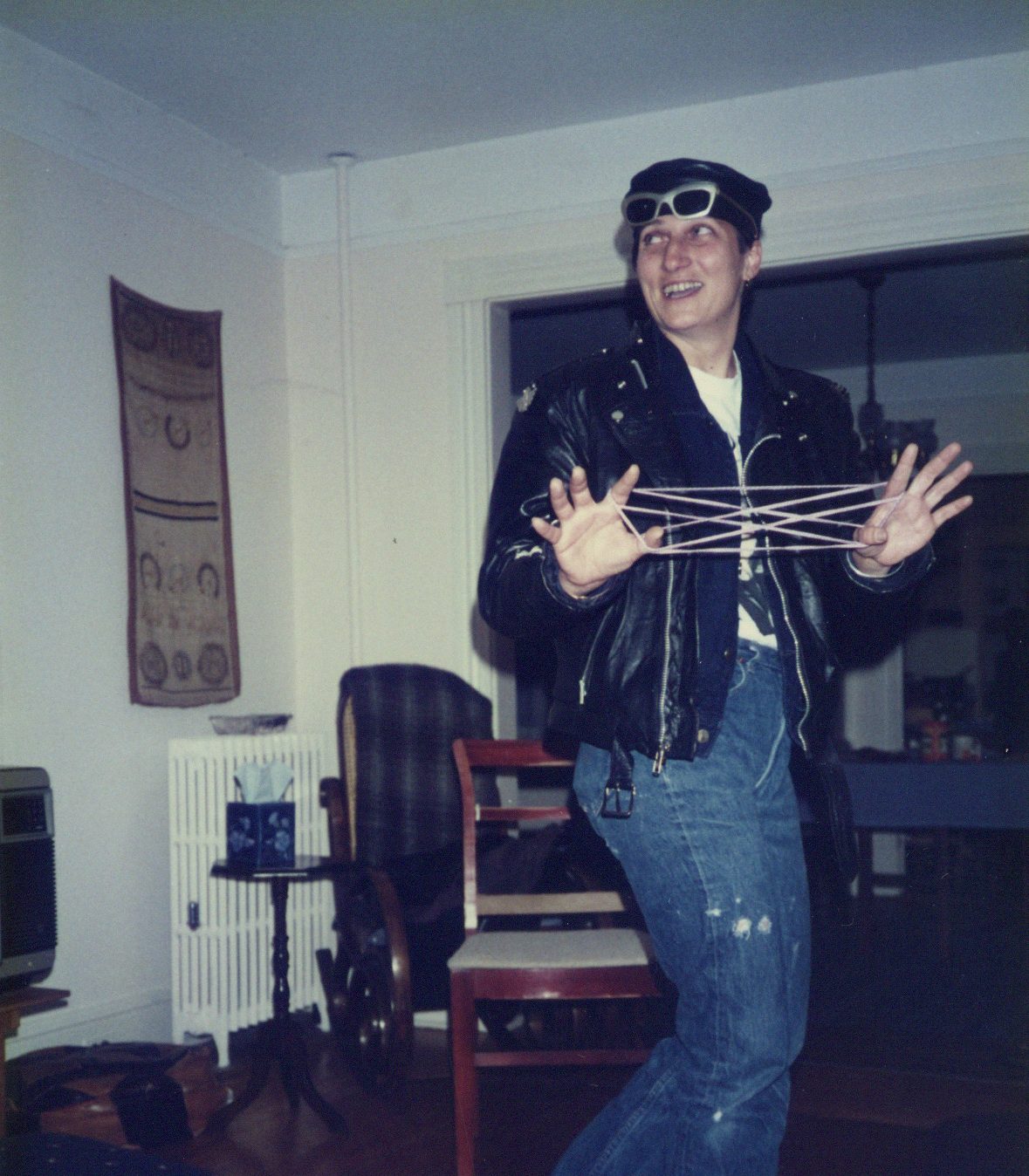
- Far from being neutral tools, technologies and media profoundly shape our emotional relationship, intimacies, and our ways of seeing the world. They fuel our imaginations, forge our identites and define the networks in which we evolve, whether digital, geographical, based on shared interests, or all of the above. The uses we make of it, and especially those we invent, derive our possibilities for action and resistance. This exhibition sets out to unfold these contemporary issues through the lens of a career: that of Nathalie Magnan (1956–2016), a significant yet still little-known figure in the history of media, technology and feminism. From the 1980s to the 2010s, Nathalie Magnan explored these questions from various fields of thought and action. Retracing her career through archives and films, and bringing together artists with whom she has worked or whose practices extend hers, the exhibition constructs a collective biography that highlights the current scope of her struggles for gender issues in technology and for a critical reading of media. Media theorist, filmmaker, cyberfeminist, and navigator of both the seas and the internet, Nathalie Magnan has contributed to the history of thought, media and technology, feminism and LGBTQIA+ struggles in a transdisciplinary, lively and generous manner. Teacher, webmistress, hacktivist and artist, without ever having used this label, Nathalie Magnan has acted as a bridge between geographical scenes, intellectual and activist backgrounds, and disciplinary fields that rarely intersect and do not always engage in dialogue. Favouring collective work, using feminist and rhizomatic methodologies where the ‘do-it-yourself’ approach is both inspiring and contagious, Nathalie Magnan has always worked to collect and bring together images, texts, people, struggles and machines. Having passed away in 2016, she leaves behind a legacy of her incisive questions about how the media shapes our perceptions and realities.Description
Magnanrama : Media, technologies, identities and networks around Nathalie Magnan
Until 12 Dec 2026
Recent past exhibitions
- A proposition by Jean-Alain Corre with the collaboration of Gaëlle Obiégly 6 February — 18 April 2026 On the stage of an abandoned television studio, a semblance of Alf¹ lies, suspended in the uncertainty of a possible return to the airwaves. A limp effigy of a somewhat outdated—and controversial—television star, the muppet appears as a rebus of a television activity held in abeyance, awaiting its potential revival. Within a scenography composed of floating textiles produced with the collaboration of Marie Descraques², a studio table made of pizza boxes, a series of screens broadcasting images from the Hibou TV channel and its prime show, abandoned costumes scattered here and there, and an unoccupied technical control room, a liminal environment unfolds, awkwardly inhabited by the familiar figure of the alien. Halfway between a talk-show set and an installation, Jean-Alain Corre’s new proposal at Bétonsalon invites both reverie and action. Caught between the nostalgia of a mass medium facing imminent obsolescence and a desire to invest in and extend the televisual realm, the exhibition presents the remains of the Hibou TV Show³, a phantasmagorical program co-written with author Gaëlle Obiégly, where Alf, a grandmother, a pizza delivery man becoming a TV host, old commercials, news, love, work, and the stars all coexist. By adopting the form of a talk-show —an entirely television format centered on the act of conversation itself (the talk is the show)—Jean-Alain Corre pursues a poetic, fumbling, and chatty exegesis of television. “Hibou TV Show” follows in the footsteps of “public-access television”, developed by artist collectives in the 1970s, particularly in the United States. The television set becomes both a resonating platform for social and political issues rarely covered by mainstream channels, and a laboratory for experimental forms at the intersection of different media genres⁴. Claiming a certain DIY aesthetic and a playful, irreverent humor, these collectives embrace distortion, disruption, and the scrambling of the video signal. By parodying certain popular programs, spectacularizing artistic performances, and incorporating “off-screen” elements that reveal what goes on behind the scenes and the technical aspects of production, they create a unique television experience that blurs the boundaries between art, activism, and entertainment.Description
Hibou TV Show
Ended 18 Apr 2026