Kassel
Museum Hessen Kassel
On now
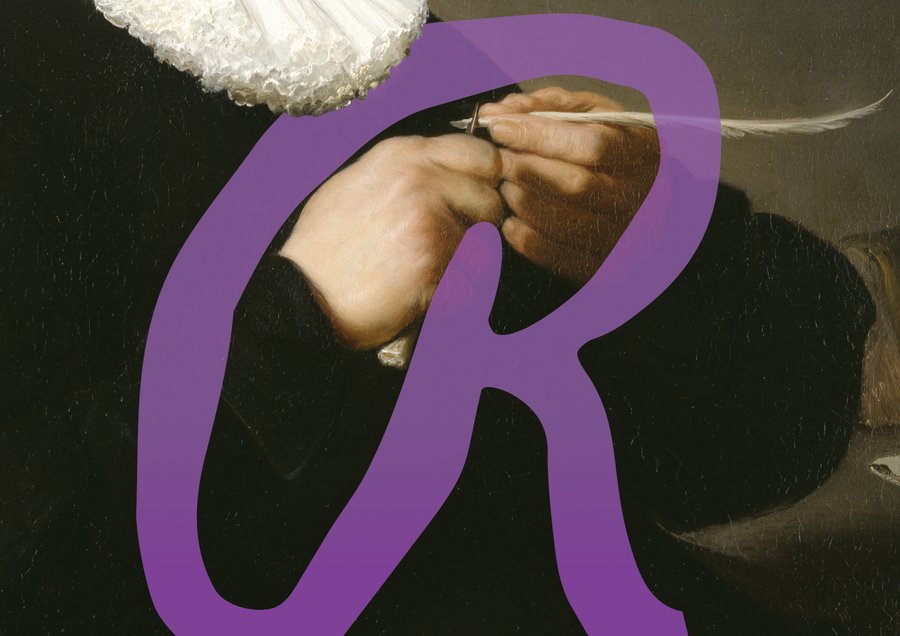
- Although Rembrandt is one of the most extensively researched artists of the 17th century, some aspects of his work remain in the dark. This also applies to the period around 1632, which is characterized by stylistic and biographical changes: Rembrandt moved from Leiden to Amsterdam and joined the workshop of Hendrick Uylenburgh, where a significant number of individual and group portraits were created and new circles of buyers were tapped into. The artist engaged with various genres of painting and experimented with different stylistic devices, which illustrate the search for suitable forms of expression.Description
Rembrandt 1632. Creation of a Brand
Until 6 Dec 2026
Coming soon
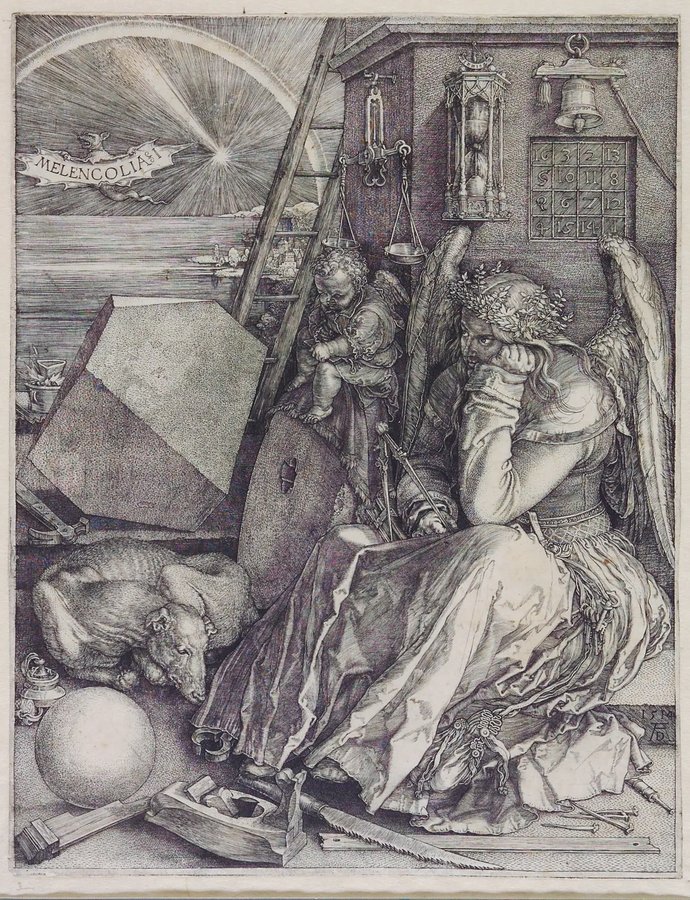
- Albrecht Dürer was already famous across Europe during his lifetime and served as a benchmark for both artists and collectors. His reputation rested primarily on his prints. How did this appreciation for a German artist – whose 555th birthday we will celebrate in 2026 – come about? What accounts for his undiminished modernity to this day? The exhibition focuses on the former collections of Nobility in Kassel and Darmstadt. Both collections reflect 500 years of enthusiasm for Dürer’s technical virtuosity, his innovative creativity, and his sense for lucrative pictorial ideas. High demand led to repeated appearances of copies on the market. Moreover, works created by other artists were marked with his trademark – the famous monogram. Collectors of the time could hardly distinguish between genuine and supposed Dürer. The exhibition provides insight into connoisseurial engagement with his works as well as modern art-historical research. Over 130 works are on display, including Dürer’s most famous engravings and woodcuts such as ‘Melencolia I’, the ‘Apocalypse’, and the ‘Rhinoceros’. All exhibits are connected to the collections of Nobility in Kassel and Darmstadt.Description
Dürer For Hessian Nobility
12 Nov 2027 – 6 Feb 2028
Recent past exhibitions
- The afterlife not only fascinates believers and theologians. Poets and artists have also been grappling with it in a multifaceted way for centuries. Especially for artists, this was not an easy matter, because: No one knew their actual subject matter. The afterlife was considered by humans in this world as invisible and also incomprehensible. This threw the ball into a not quite uncomplicated corner for the painters and demanded inventiveness. The paintings also played an important role both in salvation history and the believers' hope for redemption, and furthermore in visualizing the worldview. Selected paintings from the 16th century impressively showcase the culture of faith and artistic exploration of the cosmos in a cabinet exhibition.Description
Verheißungsvoll. Bilder von Kosmos und Hoffnung
Ended 6 Sept 2026
- Who still knows about quill pens and writing utensils today? While social messenger services like WhatsApp determine writing in the present, these writing tools formed an unbeatable duo from the 16th to the 20th century. The term "writing implements" refers to the mostly box-shaped containers that, in addition to the goose quill pen, also contain vessels for ink and sprinkling sand for drying the ink. In the presentation "With a Sharp Quill. Writing Implements and Writing in the Course of Time" at the Hessian State Museum, a selection of artistically crafted writing implements from the collection of Wilhelm Schmidt and Heinrich Kunze is on display. More than 30 pieces provide insight into the 400-year history of using these useful tools in writing culture. Writing tools surprise with their variety. As commissioned works with individual shaping and color design, they have expressed the prestige of their owners since the Renaissance. Adorned with elaborately crafted figures, these luxurious cases reflected the writing power of the high nobility. With the beginning of the Enlightenment, the emerging bourgeoisie used them to express their own worldview, taste preferences, and contemporary understanding of writing. The presentation invites you to discover writing tools as a central part of the cultural history of writing. This includes the early modern art of feather writing as well as the production of ink and the making of handmade paper. Follow the evolution of writing media from antiquity to the present day.Description
With a sharp pen. Writing implements and writing through the ages
Ended 3 May 2026
- The exhibition 'Erasmus von Rotterdam: The Prince in the Age of Power Politics' presents a comprehensive overview of the life and work of this influential humanist. Through his writings and correspondence, Erasmus offered a critical perspective on the political and religious issues of his time.Description
Erdmann oder Fakeman? Wer besitzt den Hundemantel?
Ended 12 Apr 2026
- Here the exotic plants from the mountain park spend the winter. Elector Wilhelm II had the Great Greenhouse built in 1822 to house his diverse collection of exotic plants. The delicate structure was one of the earliest glass-steel constructions in Europe. An elaborate heating system provided pleasant temperatures throughout the winter. Here the frost-sensitive plants could overwinter, while the Elector used the house for representation: In the round central section (salon) he received his guests for tea and showed the valuable plant collection. The central section acquired its present rectangular form during a renovation around 1888. In that context the warmhouse plants were also moved into the new central section. Even today, visitors to the Great Greenhouse can admire a sea of color of orchids, palms, camellias, bananas and other exotic plants during the season. In spring, some of the plants, in keeping with old tradition, adorn the outdoor areas of the Bergpark Wilhelmshöhe.Description
Large Greenhouse Here the exotic plants from the Bergpark Wilhelmshöhe spend the winter
Ended 31 Mar 2026
- On January 25, 2025, Harry Kramer would have turned 100 years old. The Kassel art professor, documenta participant, and initiator of the artist necropolis in Habichtswald undoubtedly ranks among the most colorful artistic personalities of the city. On this occasion, the documenta archive, Hessen Kassel Heritage, and the Museum for Sepulchral Culture present kinetic sculptures, films, photographs, and graphics from all creative phases of the artistic universalist.Description
In Bewegung. Harry Kramer, Kassel und die documenta
Ended 8 Mar 2026