Antwerp
MoMu – ModeMuseum Antwerpen
On now
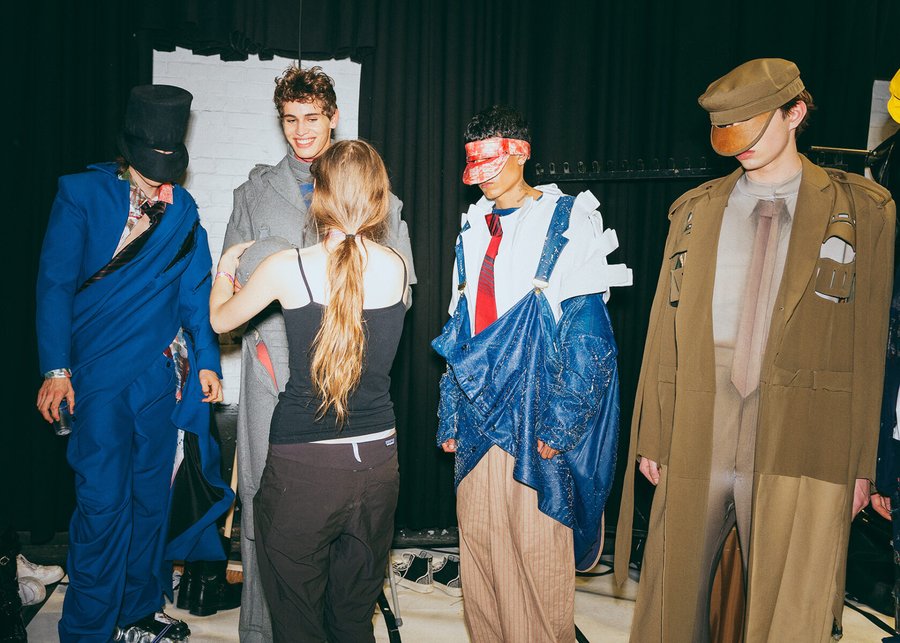
- From initial idea to realised garment, LOOKS, LOOKS, LOOKS traces how students are guided in shaping, articulating and refining their own artistic identity. The exhibition immerses visitors in the vision of a new generation of designers, highlighting the complexity and richness they bring to fashion. The Fashion Department of the Royal Academy of Fine Arts Antwerp continues to foster a rigorous and considered approach to cut, craftsmanship and garment detail, where artistic vision and an in-depth understanding of clothing are in constant dialogue.Description
LOOKS, LOOKS, LOOKS - The Antwerp Fashion Department at Work
Until 8 Nov 2026
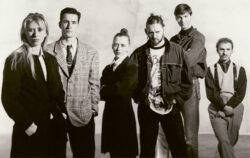
- MoMu celebrates 40 years of the Antwerp Six with a unique exhibition in 2026. In 2026, MoMu will celebrate the 40th anniversary of the international breakthrough of the Antwerp Six. This will be the first time that a major exhibition is devoted to these six iconic fashion designers. The exhibition highlights the unique trajectory that connects these six exceptional designers. It began with their study at the fashion department at the Royal Academy of Fine Arts in Antwerp and resulted in six highly influential solo careers. In 1986, Dirk Bikkembergs, Ann Demeulemeester, Walter Van Beirendonck, Dries Van Noten, Dirk Van Saene and Marina Yee put Antwerp on the fashion map when they each presented their own collections at the British Designer Show in London. This led to their international breakthrough and established the City of Antwerp as a capital of fashion. Their unique designs continue to influence international fashion today.Description
The Antwerp Six
Until 17 Jan 2027
Coming soon
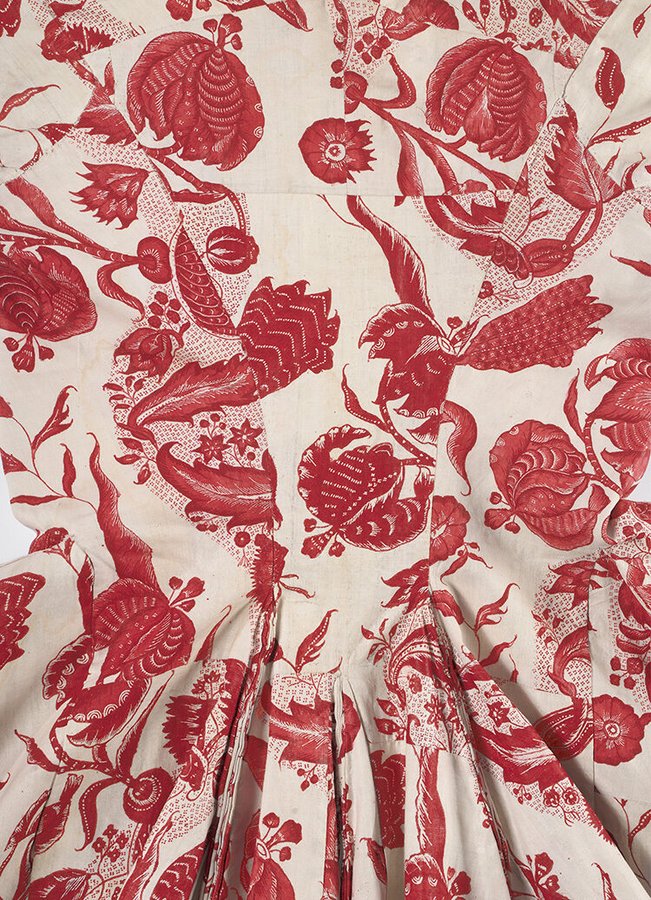
- MoMu examines how textile practices carry and transmit social, cultural, and historical meanings across generations, with a special focus on chintz. Today, hand-painted and printed floral cotton fabrics from India – known as chintz – are once again the focus of attention. What story can a fabric tell beyond its wearability? Centered on the archives and historical textile collections of MoMu, this exhibition investigates fabrics as material repositories of memory, trade, politics, and community history. Focusing on hand-painted and printed floral cotton textiles from India, it examines how textile practices carry and transmit social, cultural, and historical meanings across generations.Description
Chintz. A Blend of Craftsmanship and Controversy
5 Dec 2026 – 24 Oct 2027
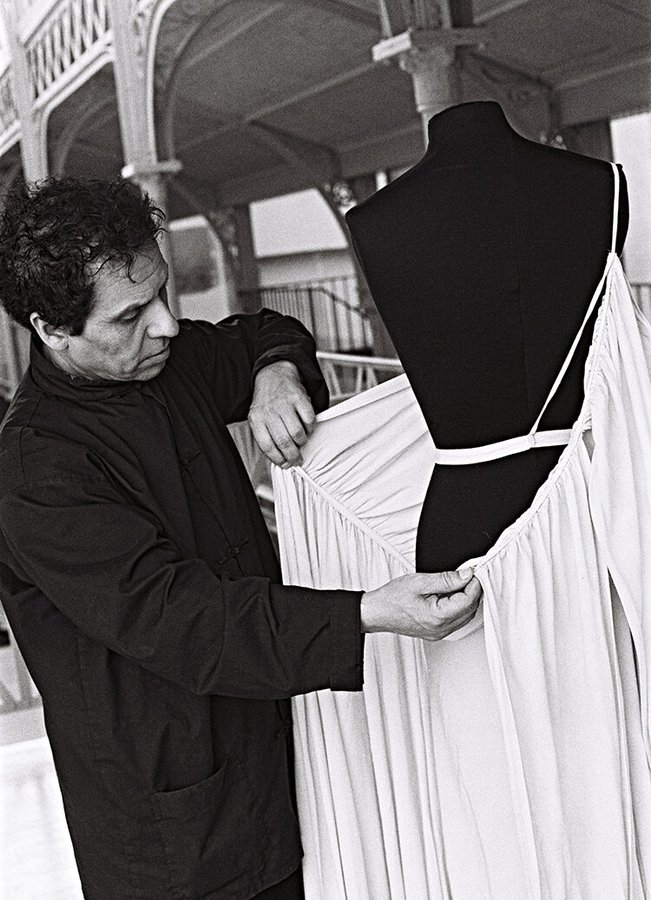
- MoMu highlights the practice and passion of Azzedine Alaïa, uniting his designs, work process, and a selection of garments by the great masters of cut from his collection. A virtuoso couturier, Azzedine Alaïa loved to study closely the techniques of the great masters of the past in a quest for knowledge that never opposed him to them, but incited him to surpass himself. A discerning collector, he assembled a collection that reflected this passion, one that combines the art of cutting, patternmaking and creativity. Of all the couturiers and designers he admired, those whose architectural designs for dresses, jackets and coats most vividly came to life always held his attention. In a family that included Madeleine Vionnet, Jeanne Lanvin, Cristóbal Balenciaga, Charles James, Adrian, Claire McCardell, Madame Grès, Jacques Fath, Christian Dior, Comme des Garçons, Jean Paul Gaultier and Thierry Mugler, Azzedine Alaïa wrote his own history of fashion, one governed by the sovereignty of lines and the craft of cutting. Other names and other labels, some of which have since been forgotten, equally caught his observant eye. In the clothes he kept of them, a single guiding principle underlay his choices. Whether simple or, on the contrary, elaborated to form a complex harmony, the creations found their way into his collection through their skilled application of techniques. The patterns and architectural toiles are the building blocks that Azzedine Alaïa employed with such mastery. He also collected them as illustrations of a discipline he liked to situate between the Academy of Sciences and sartorial poetics. The exhibition Azzedine Alaïa. The Eye of the Collector looks back on this practice and this passion, bringing together works by Azzedine Alaïa himself, stages in his work process that bear witness to this passion, and a collection of designs by the great masters of couture. The exhibition is organized in collaboration with the Foundation Azzedine Alaïa.Description
Azzedine Alaïa. The Eye of the Collector
20 Mar 2027 – 25 Jul 2027
Recent past exhibitions
- MoMu explores Palestinian embroidery and dress through the lenses of nature, splendour, power and change. Embroidery, called tatreez in Arabic, is the most important cultural practice of Palestine. Historically, Palestinian fashion was defined by diversity, with every region known for distinct textiles, styles and stitchwork. More than a craft, tatreez in the nineteenth and early twentieth centuries was a visual language shared by women, as embroidery reflected its maker’s identity and origins. This exhibition explores Palestinian embroidery and dress through the lenses of nature, splendour, power and change. Tatreez was a rural craft, embedded in women’s relationship to nature – from motifs inspired by Palestinian flora, to fabrics dyed with indigo grown in the Galilee. At the same time, the splendour of embroidery attested to women’s wealth and status. The wedding was a vital rite of passage, with sumptuous clothing a key element of celebrations. Golden thread, mother-of-pearl shoes, and elaborate headdresses offer a spectacular glimpse of local craftsmanship. Silver jewellery, along with certain tatreez motifs, also held talismanic significance, reflecting the power of clothing to affect and protect the body. Today, embroidery’s power lies in its connection to Palestinian identity, as a symbol of resistance and solidarity. Since the Nakba, or catastrophe, of 1948, which refers to the mass displacement and dispossession of hundreds of thousands of Palestinians, and the establishment of the state of Israel, tatreez has become a form of cultural resistance, an assertion of identity. The exhibition traces the politicisation of the craft, and the continued inspiration it provides to Palestinian fashion designers in the present.Description
Embroidering Palestine
Ended 7 Jun 2026
The Threads Behind Embroidering Palestine: Rachel Dedman and Kaat Debo in Conversation
Ended 7 Jun 2026
Family Sunday: Solidarity key rings - creative with cross-stitch
Ended 1 Mar 2026
RE/SOURCE: Bakermat @ MoMu Library
Ended 28 Feb 2026