Bern
Zentrum Paul Klee
On now
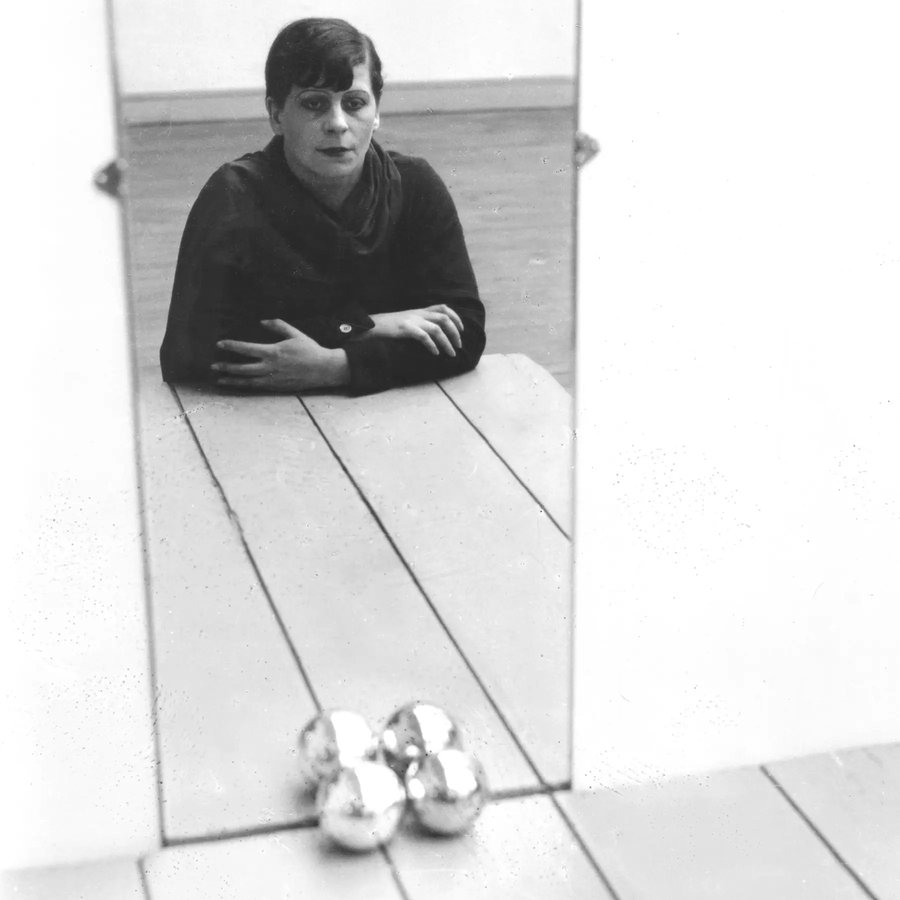
- Florence Henri was a real globetrotter of modernism. Born in New York in 1893, she lived in Munich, Paris, Rome and, finally, on the Isle of Wight in England. She attended the Bauhaus in Weimar and Dessau, where Paul Klee and Wassily Kandinsky taught. These periods abroad played a decisive role in shaping her artistic language. More than 80 works, including drawings, paintings, photographs and collages, trace Henri’s artistic development: from the paintings of the 1920s created during her studies with Fernand Léger, through her experimental photography, to her return to abstract painting from the 1940s until her death. Curators: Roberto Lacarbonara und Giovanni Battista Martini The exhibition is organised by the Zentrum Paul Klee, Bern, and the Palazzo Ducale, Genoa, in collaboration with the Florence Henri Archive. Fokus. Florence Henri (1893–1982) is part of the permanent exhibition Kosmos Klee. The Collection The permanent exhibition offers visitors a chronological overview of Klee's artistic oeuvre and presents around seventy works as well as biographical material and archive items, which are regularly changed. Smaller focus exhibitions with a thematic reference to Paul Klee and his work are shown in one room at a time.Description
Fokus. Florence Henri (1893–1892)
Until 10 Jan 2027
- Die Dauerausstellung bietet Besucher:innen einen chronologischen Überblick über Klees künstlerisches Schaffen und präsentiert rund siebzig Werke sowie biografisches Material und Archivalien, die regelmässig ausgewechselt werden. Paul Klee (1879–1940) sucht als einer der bedeutendsten Künstler der Moderne nach neuen Ausdrucksformen, die den gesellschaftlichen und kulturellen Umbrüchen seiner Zeit gerecht werden. Er stellt alles in Frage, was in Europa gelehrt wird, und orientiert sich an Kinderzeichnungen und nicht-europäischen Kulturen genauso wie an den Strukturen und Prozessen der Natur. Zudem setzt er sich mit künstlerischen Bewegungen wie dem Expressionismus, dem Kubismus, dem Dadaismus, dem Surrealismus und dem Konstruktivismus auseinander, ohne sich einer dieser Gruppen anzuschliessen. Das politische Geschehen kommentiert Klee in zahlreichen Werken mit ironischer Distanz. Der Erste und der Zweite Weltkrieg haben einschneidende Folgen für Klees Leben. Seine Netzwerke brechen auseinander und führen zur Isolation des Künstlers. Im «Fokus-Raum» organisieren wir kleinere Ausstellungen mit inhaltlichem Fokus auf Paul Klees Werk sowie mit Künstler:innen oder zu Themen mit einem überraschenden Bezug zu Kees Schaffen.Description
Kosmos Klee. Die Sammlung
Until 3 Oct 2027
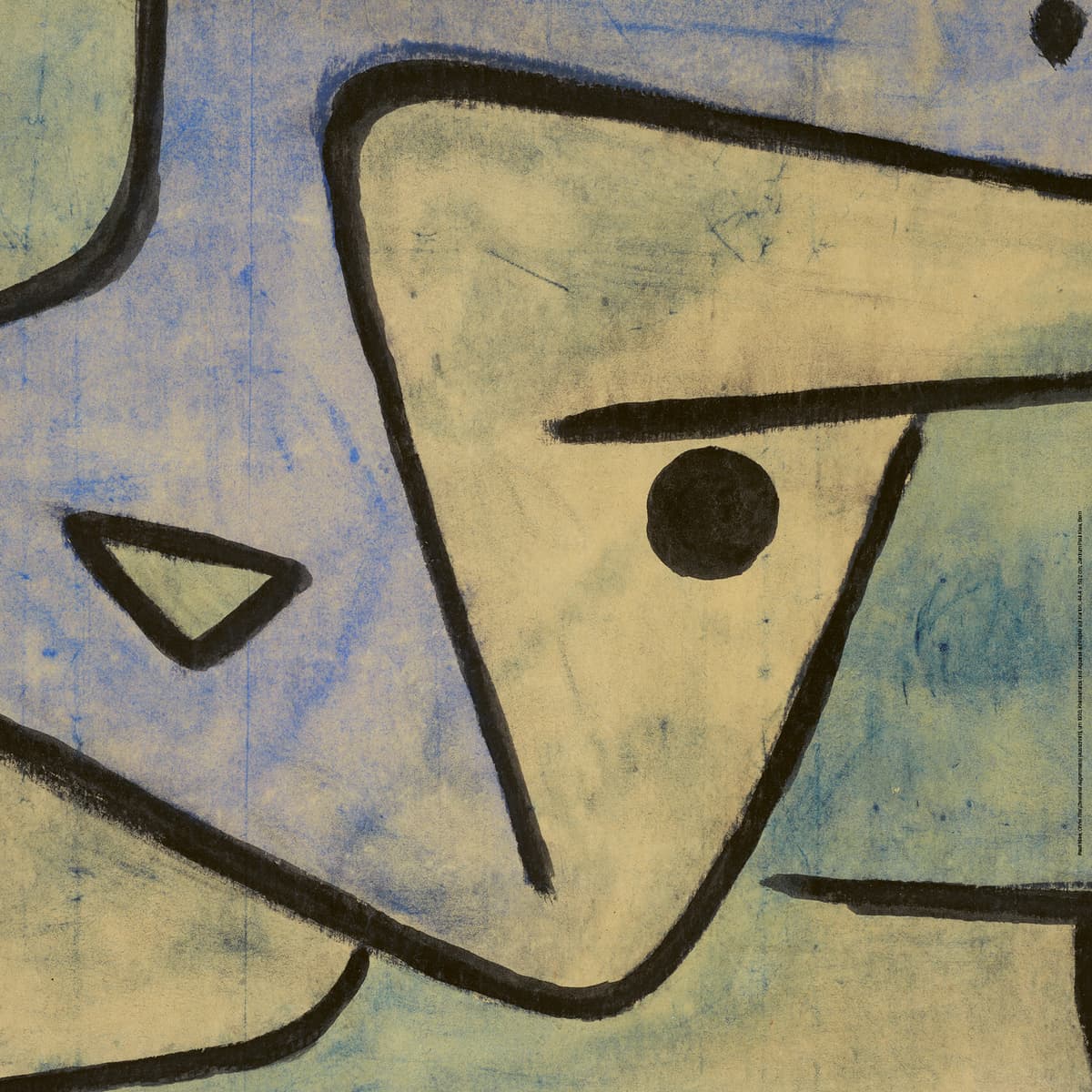
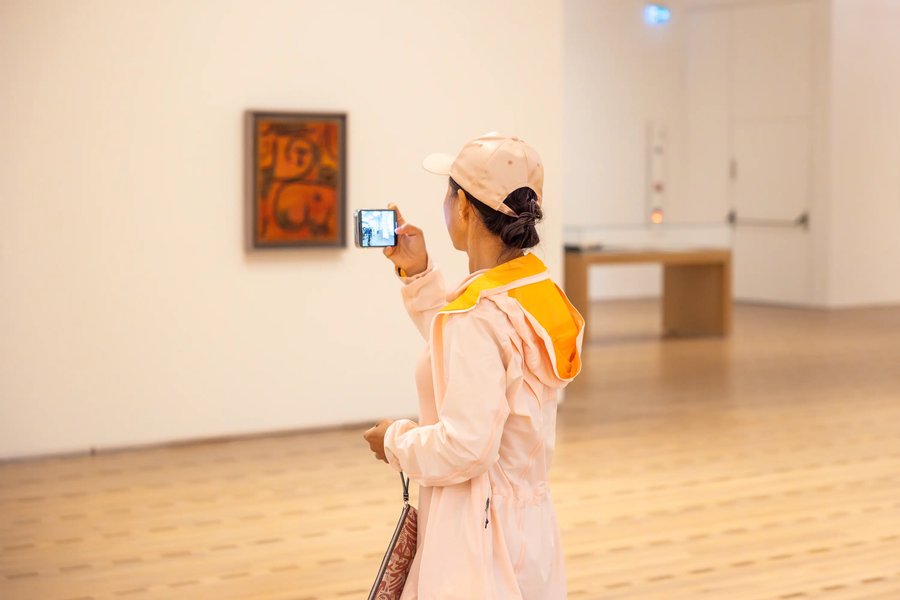
- The permanent exhibition offers visitors a chronological overview of Klee's artistic oeuvre and presents around seventy works as well as biographical material and archive items, which are changed regularly. As one of the most important artists of modernism, Paul Klee (1879–1940) sought new forms of expression that did justice to the social and cultural upheavals of his time. He questioned everything that was taught in Europe and orientated himself towards children's drawings and non-European cultures as well as the structures and processes of nature. He also explored artistic movements such as Expressionism, Cubism, Dadaism, Surrealism and Constructivism without joining any of these groups. Klee commented on political events with ironic detachment in numerous works. The First and Second World Wars had far-reaching consequences for Klee's life. His networks broke up and led to the artist's isolation. In the ‘Fokus Room’ we organize small exhibitions with a thematic focus on particular aspects of Paul Klee's work as well as with artists and topics with surprising references to Klee's œuvre.Description
Kosmos Klee. The Collection
Until 3 Oct 2027
Coming soon
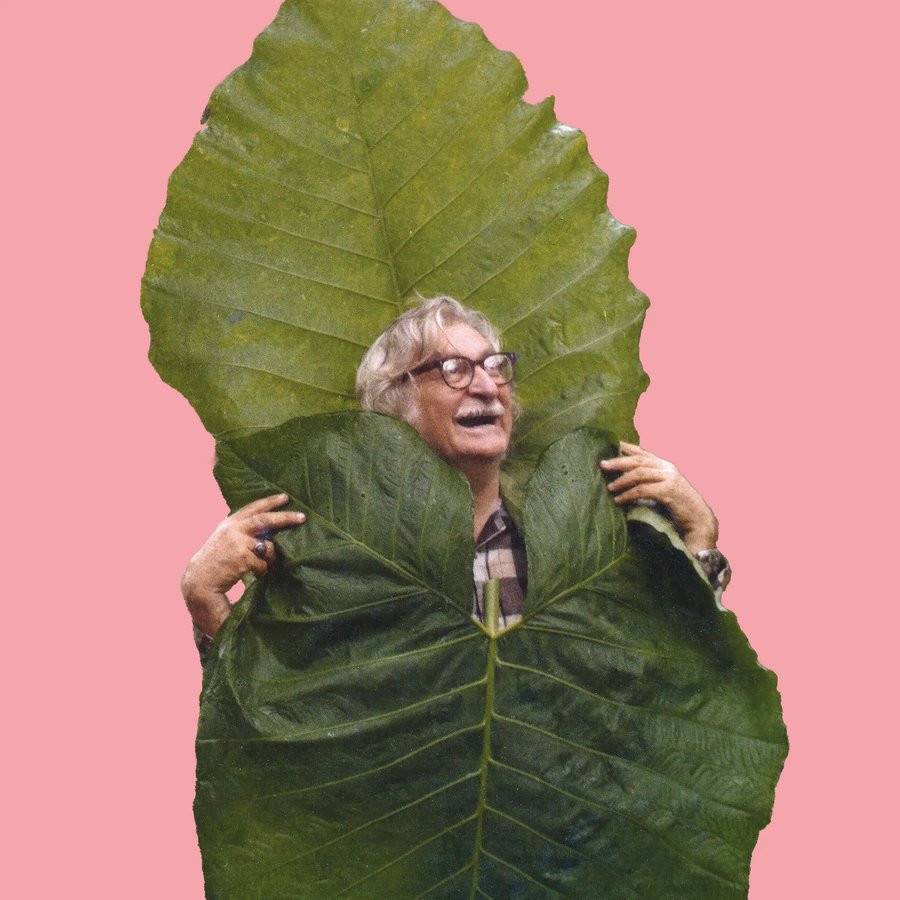
- In the first half of the 20th century, the Brazilian artist Roberto Burle Marx (1909–1994) revolutionised landscape architecture by transferring compositional principles from painting and music to nature. While his plans resemble abstract paintings, he integrated sculptures as well as three-dimensional and colourful wall surfaces into his landscape projects. In his paintings one encounters abstract plants and the play of light in the treetops. As a painter, graphic artist, sculptor, jewellery designer, stage and costume designer, environmental activist and collector, he participated – in the spirit of the Brazilian avant-garde – in the re-evaluation of what was considered ‘Brazilian’. In his parks, for example, he used native plant varieties, even though these were held to be inferior, and advocated for the study and protection of Brazilian flora. Curatorial team: Zentrum Paul Klee: Fabienne Eggelhöfer and Myriam Dössegger Fundación Juan March: Manuel Fontán del Junco and María Toledo Scientific and curatorial advisor: Isabela Ono, Instituto Burle Marx Exhibition organised and curated by the Zentrum Paul Klee and Fundación Juan March in partnership with the Instituto Burle Marx and the support from Sítio Roberto Burle Marx.Description
Roberto Burle Marx. Modernismo tropical
17 Oct 2026 – 7 Feb 2027
Recent past exhibitions
- The German artist Anne Loch (1946–2014), who lived partly in Switzerland from the 1980s onwards, played with the conventions of representation and plumbed the limits of painting: in monumental paintings of mountains, flowers, animals and insects, she creates a quiet tension. What seems at first glance idyllic and even clichéd, on closer inspection eludes unambiguous description. Boundaries between the figurative and the abstract, between painting and drawing, between reality and dream are blurred. Line, colour, plane and the quest for the correct relationships between these fundamental elements of painting step into the foreground. With some 70 works, the exhibition at the Zentrum Paul Klee pursues Anne Loch’s engagement with the medium of painting and the dissolution of her motifs. Curator: Amélie JollerDescription
Anne Loch. Painting: So what?
Ended 20 Sept 2026
- Kurt Schwitters (1887 in Hannover – 1948 in Kendal) zählt zu den bedeutendsten Vertreter:innen der internationalen Kunstavantgarde der Zwischenkriegszeit. Im Zentrum seines Schaffens stand das Prinzip der Collage – als Versuch, aus der widersprüchlichen Alltagswirklichkeit des modernen Lebens neue Sinnzusammenhänge zu schaffen und dem Chaos der Welt eine poetische Ordnung entgegenzusetzen. International vernetzt und zugleich abseits der etablierten Kunstzentren verband Schwitters Kunst, Design und Literatur zu einem unverwechselbaren Ausdruck, der von kompromissloser Kreativität und individueller Haltung zeugt. Wie sein Werk war auch sein Leben von Gegensätzen geprägt: von künstlerischer Utopie und menschlicher Tragödie, Verwurzelung und Heimatlosigkeit, bürgerlicher Herkunft und bitterer Armut. Nach seiner Auswanderung aus Deutschland im Jahr 1937 wurde sein Kunstschaffen im Exil zu einem eindrucksvollen Zeugnis für die Widerstandskraft eines Künstlers, der seinen Ideen selbst unter widrigsten Umständen treu blieb. Kuratorinnen: Martin WaldmeierDescription
Schwitters. Grenzgänger der Avantgarde
Ended 21 Jun 2026
- Hans Fischli was a Swiss architect, artist and student of Paul Klee, Josef Albers and Wassily Kandinsky at the Bauhaus. After his return to Switzerland in the late 1920s, he produced a large series of coloured pencil and India ink drawings entitled Zellengebilde (cell formations). Some of these works were made during his three-month imprisonment for refusing military service. The title of the series refers to the prison cell in which the works were made, and serves as the starting point for the exhibition, which uses three architectural projects to address the political situation in the 1930s and 1940s.Description
Fokus. Hans Fischli (1909–1989)
Ended 3 May 2026
- Anni Albers (1899– 1994) war eine der führenden Figuren des 20. Jahrhunderts auf dem Gebiet des Textildesigns und der Textilkunst. Bereits als Bauhaus-Studentin entwickelte sie neuartige Gewebe und setzte Textilien als architektonische Elemente ein. Sie gilt bis heute als Vorreiterin der Fibre Art. Im Fokus der Ausstellung stehen ihre innovativen Beiträge für renommierte Architekturprojekte. Stoffentwürfe, textile Kunstwerke, Druckgrafiken und Zeichnungen geben einen Überblick über ihr faszinierendes Schaffen zwischen Design und Kunst. Kuratorinnen: Fabienne Eggelhöfer und Brenda Danilowitz Eine Ausstellung des Zentrum Paul Klee, Bern und der Josef and Anni Albers Foundation, Bethany, CT, in Kooperation mit dem Belvedere, Wien.Description
Anni Albers. Constructing Textiles
Ended 22 Feb 2026